Wild dogs roamed southeastern forests for thousands of years before scientists discovered their remarkable story. The Carolina Dog emerged from American wilderness with ancient genetics and primitive behaviors that challenge everything we know about domestic canines.
These aren’t ordinary strays or mixed breeds. DNA evidence links them to prehistoric Asian dogs that crossed land bridges with early humans, making them living fossils of canine evolution.
Dr. I. Lehr Brisbin Jr.’s groundbreaking research in the 1970s revealed dogs with survival instincts, pack behavior, and territorial marking patterns unlike any modern breed. Their independent temperament and athletic build reflect generations of natural selection in harsh environments.
This comprehensive guide covers everything potential owners need to know about Carolina Dogs, from their ancient origins and physical characteristics to training challenges and health considerations. You’ll discover whether this primitive breed matches your lifestyle and learn proven strategies for successful ownership.
Carolina Dog Breed Statistics
| Characteristic | Details |
|---|---|
| Size | Medium |
| Height (Male) | 18-20 inches |
| Height (Female) | 17-19 inches |
| Weight (Male) | 30-44 pounds |
| Weight (Female) | 25-35 pounds |
| Life Expectancy | 12-14 years |
| Energy Level | Very High |
| Exercise Needs | 90-120 minutes daily |
| Trainability | Moderate (independent) |
| Good with Children | Moderate (with supervision) |
| Good with Other Dogs | Moderate (pack hierarchy) |
| Good with Cats | Low (high prey drive) |
| Shedding Level | Moderate to High |
| Grooming Needs | Low to Moderate |
| Barking Level | Moderate |
| Drooling Level | Low |
| Coat Type | Double coat, short |
| Coat Colors | Ginger, tan, black, cream |
| Climate Tolerance | Moderate (prefers warm) |
| Apartment Living | Not suitable |
| First-Time Owner | Not recommended |
| Guard Dog Ability | Moderate to High |
| Playfulness | High |
| Affection Level | Moderate (selective) |
| Social Needs | Moderate |
| Territorial Behavior | High |
| Wanderlust Potential | Very High |
| Prey Drive | Very High |
| Adaptability | Low to Moderate |
| Health Issues | Generally healthy |
| Origin | Southeastern United States |
| Breed Group | Primitive/Spitz-type |
| AKC Recognition | Foundation Stock Service |
Ancient Roots and Wild Beginnings
Discovery in the American South
Dr. I. Lehr Brisbin Jr. changed everything in the 1970s when he spotted something unusual at the Savannah River Site in South Carolina. These weren’t ordinary strays.
Wild dogs roamed the southeastern forests with primitive characteristics that caught his scientific eye. Their behavior patterns resembled ancient canine lineages more than modern domesticated breeds.
The initial studies revealed pack behavior unlike typical feral dog populations. These animals showed survival instincts and territorial marking patterns that suggested something far older than escaped pets.
DNA Evidence and Ancient Connections
Genetic testing uncovered shocking connections to ancient Asian dogs. The mitochondrial DNA told a story spanning thousands of years.
Scientists discovered these dogs likely arrived with early humans crossing the land bridge during prehistoric migrations. Their genetic markers matched canines from pre-Columbian archaeological sites across North America.
Canine genetics research linked them to primitive breeds like the Basenji and New Guinea Singing Dog. The DNA evidence suggested these dogs maintained their original genetic diversity through isolation in the American wilderness.
Life in the Wild Before Domestication
Pack hierarchy developed naturally in forest environments. Groups of 6-12 dogs established territories spanning several square miles across Georgia, North Carolina, and South Carolina wilderness areas.
Their hunting skills targeted small game and scavenged larger carcasses. Natural immunity to local parasites and diseases allowed them to thrive where domestic dogs struggled.
Geographic spread occurred gradually through river valleys and coastal plains. Each pack maintained strict territorial boundaries while occasionally accepting new members during breeding seasons.
Physical Traits and Breed Standards

Size and Build Characteristics
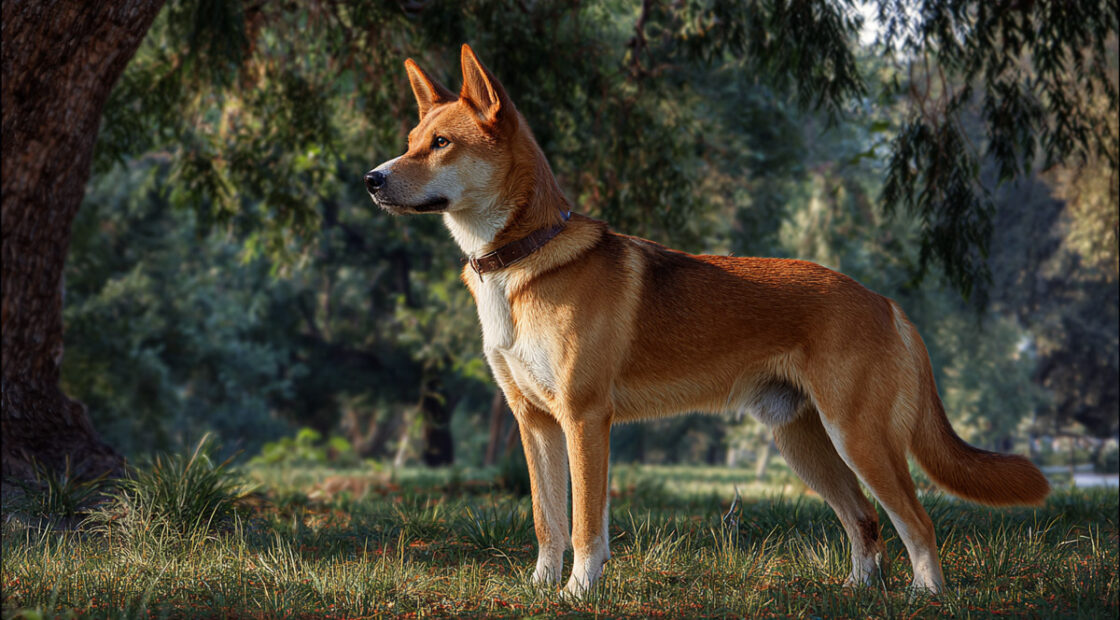
Athletic build defines every Carolina Dog. Males typically stand 18-20 inches tall and weigh 30-44 pounds. Females measure slightly smaller at 17-19 inches and 25-35 pounds.
Their lean body structure reflects generations of survival-based selection. Compact frames carry minimal excess weight while maintaining muscular strength for rough terrain navigation.
Sexual dimorphism appears subtle but consistent. Males develop broader heads and heavier bone structure, while females retain more refined features suited for agility and speed.
Coat and Color Variations
The short, dense double coat provides weather resistance year-round. An undercoat develops during colder months, then sheds completely by late spring.
Common color patterns include:
- Ginger (most prevalent)
- Tan with darker guard hairs
- Black with tan markings
- Cream variations
Seasonal coat changes dramatically affect appearance. Winter coats appear thicker and lighter in color, while summer coats show richer pigmentation and sleeker texture.
Coat texture feels coarse to touch, repelling water and debris naturally. Guard hairs create a protective outer layer while soft undercoat provides insulation.
Notable Physical Features
The distinctive “fishhook” tail curves over the back in a tight hook shape. This trademark feature appears in nearly all specimens and serves as a primary breed identifier.
Pointed ears stand erect with alert expression. Ears measure proportionally large compared to similar-sized breeds, enhancing their excellent hearing capabilities.
Strong, compact feet feature thick pads and well-arched toes designed for rough terrain. Dewclaws typically appear on front legs but rarely on rear.
Their compact build combines endurance with agility. Deep chest provides lung capacity for extended activity while short back maintains structural integrity during jumping and climbing.
Eye color ranges from amber to dark brown. Alert expression reflects high intelligence and constant environmental awareness developed through generations of wild survival.
Natural Temperament and Personality

Core Behavioral Traits
Independent thinking drives every decision. Carolina Dogs solve problems without human input, a trait honed through generations of wild survival.
Their strong prey drive activates instantly around small animals. Squirrels, rabbits, and cats trigger intense hunting instincts that override training commands.
Loyalty to family runs deep while maintaining natural wariness of strangers. They bond intensely with household members but require proper introductions before accepting new people.
Problem-solving abilities exceed most domestic breeds. These dogs figure out complex puzzles, open gates, and escape seemingly secure areas with remarkable intelligence.
Pack Mentality and Social Structure
Pack hierarchy matters tremendously in multi-dog homes. Carolina Dogs establish clear ranking systems and expect consistent leadership from human family members.
Bonding patterns develop slowly but permanently. Unlike breeds such as the Golden Retriever that bond quickly with everyone, Carolina Dogs choose their people carefully.
Resource guarding appears naturally around food, toys, and favorite sleeping spots. Early intervention prevents this behavior from escalating into serious aggression.
Social interaction with other dogs follows strict protocols. They prefer structured introductions and clearly defined territories rather than chaotic group play.
Intelligence and Learning Style
Quick learners master new concepts rapidly when motivated. However, they choose when to comply based on perceived benefit rather than blind obedience.
Selective listening frustrates many owners. These dogs understand commands perfectly but decide whether compliance serves their interests.
Memory retention stays sharp throughout their lifetime. They remember negative experiences years later and adjust behavior accordingly.
Natural survival instincts override training during stress. Fight-or-flight responses kick in faster than learned behaviors, making consistent practice crucial.
Training the Carolina Dog Mind

Understanding Their Learning Approach
Working with independent nature requires patience and creativity. Force-based methods fail spectacularly with this breed, while positive reinforcement yields better results.
Motivation techniques center around food rewards and mental challenges. High-value treats like freeze-dried liver or small pieces of chicken work better than standard dog biscuits.
Building trust takes months, not weeks. Rushing the process creates setbacks that require even longer to overcome.
Respect-based relationships form the foundation of successful training. Carolina Dogs respond to confident, consistent leadership rather than domination or submission tactics.
Basic Obedience and House Training
Housebreaking strategies succeed faster with crate training. Their natural denning instincts make them reluctant to soil confined spaces.
Essential commands include:
- Come (with high-value rewards)
- Stay (start with very short durations)
- Down (easier than sit for this breed)
- Leave it (crucial for prey drive management)
Leash training challenges even experienced dog owners. Their athletic build and independent streak create strong pullers who need specialized equipment and techniques.
Unlike more eager-to-please breeds like the Labrador Retriever, Carolina Dogs require shorter, more frequent training sessions to maintain focus.
Consistency proves more important than intensity. Daily 10-minute sessions work better than hour-long weekend marathons.
Socialization Requirements
Early puppy socialization prevents fear-based aggression later. Expose puppies to various people, sounds, and environments between 8-16 weeks old.
Introducing new people requires controlled approaches. Let the dog initiate contact rather than forcing interactions with strangers.
Managing interactions with other animals demands careful supervision. Their prey drive can trigger suddenly, even with animals they’ve previously ignored.
Mental stimulation prevents destructive behaviors. Puzzle toys, scent work, and problem-solving games channel their intelligence productively.
Positive reinforcement works better than corrections. Reward desired behaviors immediately while ignoring unwanted ones whenever possible.
Training challenges include selective hearing and stubborn streaks that differ significantly from more biddable breeds like the Border Collie. Success requires adapting techniques to their primitive mindset rather than forcing modern training methods.
Exercise Needs and Physical Activity

Daily Exercise Requirements
Minimum activity levels demand 90-120 minutes daily. These aren’t lap dogs content with short walks around the block.
Mental stimulation matters equally to physical exercise. Bored Carolina Dogs destroy furniture, dig escape tunnels, and develop behavioral problems within hours.
Age-appropriate exercise varies dramatically:
- Puppies (8-18 months): 30-45 minutes with supervised play
- Adults (2-7 years): 2+ hours of vigorous activity
- Seniors (8+ years): 60-90 minutes adjusted for joint health
Unlike lower-energy breeds such as the Bulldog, Carolina Dogs require intensive daily workouts to maintain physical and mental health.
Suitable Activities and Games
Running and hiking satisfy their athletic build perfectly. These dogs excel as jogging companions for distances up to 10 miles once properly conditioned.
Interactive puzzle games challenge their problem-solving abilities:
- Treat-dispensing balls
- Snuffle mats for scent work
- Hide-and-seek games
- Agility obstacles in backyards
Supervised off-leash play in secure areas lets them express natural behaviors. Dog parks work only with proper socialization and close monitoring.
Scent tracking activities tap into their hunting instincts productively. Hide treats around the yard or create scent trails for mental enrichment.
Signs of Under-Exercised Dogs
Destructive behaviors appear within days of inadequate exercise. Chewed furniture, torn cushions, and demolished shoes signal urgent activity needs.
Weight gain develops quickly in sedentary Carolina Dogs. Their efficient metabolism stores excess calories as fat when physical demands decrease.
Behavioral problems include:
- Excessive barking
- Digging escape routes
- Jumping on people and furniture
- Pacing and restlessness
- Aggressive play with other pets
Pent-up energy creates anxiety and stress-related behaviors that training alone cannot fix.
Health Profile and Common Concerns

General Health and Lifespan
Average life expectancy spans 12-14 years with proper care. Their primitive genetics contribute to overall hardiness compared to heavily bred modern dogs.
Hardy constitution from wild origins provides natural disease resistance. Generations of survival-based selection eliminated many genetic weaknesses found in other breeds.
Natural immunity protects against common southeastern parasites and diseases. However, standard vaccination schedules remain necessary for domestic life.
Unlike breeds with extensive health issues such as the German Shepherd Dog, Carolina Dogs maintain relatively robust health throughout their lives.
Breed-Specific Health Issues
Hip dysplasia screening becomes important around 18-24 months. While less common than in larger breeds, responsible breeding requires health testing.
Eye problems include:
- Progressive retinal atrophy (rare)
- Cataracts in senior dogs
- Cherry eye occasionally
Skin conditions may develop from environmental allergies. Their dense coat sometimes traps allergens, causing irritation and hot spots.
Bloat prevention matters due to their deep chest structure, though incidents occur less frequently than in breeds like the Great Dane.
Preventive Care Guidelines
Vaccination schedules follow standard protocols:
- Puppy series at 6, 9, 12, and 16 weeks
- Annual boosters for core vaccines
- Rabies as required by local laws
Parasite prevention requires year-round protection against:
- Heartworms (monthly preventive)
- Fleas and ticks (topical or oral treatments)
- Intestinal parasites (regular fecal testing)
Regular health checkups should occur:
- Puppies: Monthly until 6 months old
- Adults: Annually
- Seniors: Every 6 months
Dental care prevents periodontal disease through regular teeth cleaning and appropriate chew toys. Their strong jaws handle raw bones better than many domestic breeds.
Joint health maintenance includes glucosamine supplements for dogs over 7 years old and weight management throughout their lifetime.
Nutrition and Feeding Guidelines

Dietary Requirements by Life Stage
Puppy nutrition requires 28-30% protein and 15-18% fat for proper development. Feed 3-4 times daily until 6 months old.
Adult maintenance works best with 22-26% protein and 12-15% fat. Active dogs need higher protein than sedentary pets.
Senior dietary adjustments include:
- Reduced calories (20-30% less)
- Joint support supplements
- Easily digestible proteins
- Increased fiber for digestive health
Unlike smaller breeds such as the Chihuahua, Carolina Dogs maintain steady metabolisms throughout adulthood.
Food Quality and Ingredient Considerations
High-protein diets support their athletic build and active lifestyle. Look for real meat as the first ingredient, not meat meals or by-products.
Common allergens to avoid:
- Corn and wheat
- Soy products
- Artificial preservatives
- Food dyes
Raw vs. commercial food debate continues among owners. Raw diets work well for this primitive breed, but quality commercial foods provide balanced nutrition with less preparation time.
Grain-free options suit many Carolina Dogs, though not all require grain elimination. Monitor for digestive issues when switching food types.
Feeding Schedule and Portion Control
Meal frequency should be:
- Puppies: 3-4 meals daily
- Adults: 2 meals daily
- Seniors: 2 smaller meals
Portion control prevents obesity. Use a dog age calculator to determine appropriate caloric needs for your pet’s life stage.
Preventing bloat requires spacing meals and exercise. Wait 1-2 hours after eating before vigorous activity.
Treating guidelines limit rewards to 10% of daily calories. Use training treats sparingly during obedience sessions.
Weight management stays easier with scheduled feeding rather than free-feeding. Their primitive metabolism stores excess calories efficiently.
Grooming and Maintenance Care
Coat Care Requirements
Weekly brushing removes loose hair and distributes natural oils. Use a slicker brush followed by a metal comb for best results.
Seasonal shedding intensifies twice yearly. Daily brushing during these periods prevents hair from covering furniture and clothing.
Bathing frequency should occur monthly or when dirty. Over-bathing strips essential oils from their weather-resistant coat.
Brush selection matters:
- Slicker brush for everyday maintenance
- Undercoat rake during shedding seasons
- Metal comb for final grooming passes
Basic Grooming Tasks
Nail trimming every 2-3 weeks prevents overgrowth and splitting. Their active lifestyle naturally wears nails, but indoor dogs need regular maintenance.
Ear cleaning weekly prevents infections. Check for redness, odor, or excessive wax buildup during each session.
Dental care requires daily attention:
- Brush teeth with dog-specific toothpaste
- Dental chews between brushings
- Raw bones occasionally for natural cleaning
Unlike high-maintenance breeds such as the Poodle, Carolina Dogs need minimal professional grooming.
Seasonal Care Considerations
Summer heat protection includes:
- Shade during peak hours
- Fresh water constantly available
- Paw protection on hot pavement
- Cooling mats for indoor comfort
Winter weather preparations involve:
- Coat inspection for ice buildup
- Paw care after salt exposure
- Indoor warmth during extreme cold
- Increased calories for outdoor dogs
Tick and flea prevention intensifies during warm months. Their dense coat provides hiding spots for parasites.
Allergen management during spring includes more frequent brushing to remove pollen and outdoor irritants trapped in their double coat.
Moisture protection keeps their coat healthy year-round. Avoid harsh shampoos that strip natural oils essential for weather resistance.
Living Arrangements and Housing

Ideal Home Environments
Space requirements include large, securely fenced yards. Apartments and condos create stress for this active breed.
Yard needs center around 6-foot minimum fencing with buried barriers. Carolina Dogs excel at digging escape routes under standard barriers.
Urban vs. rural living heavily favors rural environments. City life restricts their natural behaviors and exercise needs.
Climate tolerance spans wide ranges due to their southeastern origins. They handle heat better than cold-weather breeds like the Siberian Husky.
Indoor Living Guidelines
House training succeeds faster with crate training. Their denning instincts make confinement less stressful than for some breeds.
Furniture protection requires strategic placement of chew toys and consistent redirection. Bored dogs destroy expensive items quickly.
Safe indoor spaces need:
- Secure windows and doors
- Hidden electrical cords
- Elevated food storage
- Comfortable sleeping areas
Territory establishment happens naturally. They choose favorite spots and defend them from other pets.
Outdoor Security and Safety
Fencing requirements demand 6-foot height minimum with dig-proof barriers. Chain link works better than privacy fencing for visibility.
Escape prevention includes:
- Gate locks on all entry points
- Buried wire mesh along fence lines
- Regular perimeter inspections
- Motion sensors for large properties
Wildlife encounters pose real dangers in rural areas. Coyotes, bears, and venomous snakes threaten free-roaming dogs.
Weather shelter protects during extreme conditions. Insulated doghouses work for outdoor dogs in moderate climates.
Breeding and Puppy Considerations
Responsible Breeding Practices
Health testing requirements include hip dysplasia screening and genetic diversity analysis. Foundation breeding stock needs documented lineage.
Finding reputable breeders proves challenging due to limited population. Avoid puppy mills claiming Carolina Dog heritage without proper documentation.
Breeding ethics focus on preserving primitive characteristics rather than profit. Responsible breeders limit litters and carefully screen buyers.
Genetic diversity remains crucial for breed survival. Inbreeding depression threatens the small foundation population.
Unlike popular breeds such as the Labradoodle, Carolina Dogs lack widespread commercial breeding operations.
Puppy Selection and Preparation
Choosing the right puppy involves evaluating temperament over appearance. Active families need confident, outgoing puppies.
Preparing your home includes:
- Puppy-proofing dangerous items
- Crate setup in quiet areas
- Food and water stations
- Appropriate toys for teething
Early weeks adjustment requires patience and consistency. These puppies take longer to settle than more domesticated breeds.
Socialization windows open between 8-16 weeks. Missing this critical period creates fearful, reactive adults.
Spaying and Neutering Decisions
Optimal timing occurs after 18-24 months for this breed. Early sterilization affects bone development and growth plates.
Health benefits include:
- Reduced cancer risks
- Eliminated pyometra in females
- Decreased roaming behaviors
- Less territorial marking
Behavioral changes typically reduce aggression and marking without affecting their core personality traits.
Recovery considerations require 2-3 weeks of restricted activity. Their high energy makes post-surgical management challenging.
Breeding decisions should prioritize genetic health over profit. Limited gene pools make every breeding decision significant for the breed’s future.
Carolina Dogs as Family Companions

Compatibility with Children
Supervision requirements apply constantly with children under 10. Their prey drive can activate around fast-moving, squealing kids.
Teaching children proper interaction prevents bites and fear responses:
- No sudden movements around the dog
- Respect sleeping and eating areas
- Gentle petting only
- Adult supervision during all interactions
Benefits of growing up with Carolina Dogs include learning responsibility and developing confidence around animals. These dogs teach respect through their independent nature.
Age recommendations favor families with children 8+ years old. Toddlers lack impulse control needed around this primitive breed.
Unlike gentler family dogs such as the Golden Retriever, Carolina Dogs require careful management around young children.
Multi-Pet Household Dynamics
Introducing to existing pets demands slow, controlled processes. Rushed introductions create lasting conflicts.
Resource guarding emerges around food, toys, and favorite sleeping spots. Feed pets separately to prevent competition.
Managing territorial behaviors includes:
- Separate feeding areas
- Individual toys and beds
- Supervised interactions initially
- Escape routes for all pets
Pack hierarchy establishes naturally but needs human guidance. The Carolina Dog often assumes leadership roles over smaller pets.
Compatibility varies by species:
- Other dogs: Best with confident, non-submissive breeds
- Cats: Possible if raised together; prey drive remains
- Small pets: High risk due to hunting instincts
Lifestyle Matching and Expectations
Activity level matching proves crucial for success. Sedentary owners create destructive, unhappy dogs.
Time commitment requires 3+ hours daily for exercise, training, and mental stimulation. Weekend warriors fail with this breed.
Long-term responsibilities span 12-14 years of consistent care:
- Daily exercise regardless of weather
- Mental enrichment activities
- Veterinary care and health monitoring
- Training maintenance throughout life
Ideal families include:
- Active outdoor enthusiasts
- Experienced dog owners
- Consistent training approaches
- Secure housing with proper fencing
Poor matches involve:
- First-time dog owners
- Apartment dwellers
- Frequent travelers
- Families wanting lap dogs
Financial considerations include higher veterinary costs than many breeds due to their active lifestyle and potential injuries.
Travel arrangements require pet-sitters familiar with primitive breeds. Boarding kennels often struggle with their escape abilities.
Seasonal adjustments demand year-round activity regardless of weather. Unlike lower-energy breeds such as the Pug, Carolina Dogs need consistent exercise schedules.
Training expectations require patience and consistency. Quick results happen rarely with this independent breed.
Social requirements include ongoing exposure to new people and situations. Isolation creates fearful, reactive behaviors.
FAQ on Carolina Dog
Are Carolina Dogs good family pets?
Carolina Dogs bond deeply with families but require experienced owners. Their independent temperament and strong prey drive make them challenging for first-time dog owners. They need extensive socialization and consistent training. Unlike breeds such as the Labrador Retriever, they maintain primitive behaviors requiring careful management around children.
How much exercise do Carolina Dogs need daily?
These athletic dogs require 90-120 minutes of vigorous exercise daily. Mental stimulation proves equally important as physical activity. Their survival instincts and high energy levels create destructive behaviors without adequate outlets. Running, hiking, and interactive puzzle games work best for this active breed.
Do Carolina Dogs shed a lot?
Their double coat sheds moderately year-round with intense seasonal periods. Weekly brushing manages regular shedding while daily grooming helps during spring and fall coat changes. Their weather-resistant coat requires minimal professional grooming compared to breeds like the Poodle.
Are Carolina Dogs hard to train?
Independent thinking makes training challenging but not impossible. They learn quickly but choose when to comply. Positive reinforcement works better than force-based methods. Their selective listening frustrates many owners. Short, frequent training sessions with high-value treats yield best results for this primitive breed.
What health problems do Carolina Dogs have?
Generally healthy due to their hardy constitution, Carolina Dogs live 12-14 years. Hip dysplasia and occasional eye problems occur but less frequently than many breeds. Their natural immunity from wild origins provides disease resistance. Regular veterinary checkups and health screening prevent most issues.
How big do Carolina Dogs get?
Males reach 18-20 inches tall and weigh 30-44 pounds. Females measure 17-19 inches and weigh 25-35 pounds. Their lean body structure and compact build reflect generations of natural selection. Sexual dimorphism appears subtle but consistent between males and females in this medium-sized breed.
Can Carolina Dogs live in apartments?
Apartment living creates stress for Carolina Dogs. They need large yards with secure fencing for physical and mental health. Urban environments restrict their natural behaviors. Rural settings better accommodate their exercise needs and territorial instincts. Small spaces lead to destructive behaviors and anxiety.
Do Carolina Dogs get along with other pets?
Pack hierarchy influences interactions with other animals. They establish dominance over smaller pets and may show resource guarding behaviors. Early socialization helps, but their prey drive remains strong around cats and small animals. Supervision stays necessary even with familiar pets throughout their lifetime.
Where can I find Carolina Dog puppies?
Reputable breeders remain rare due to limited population. Avoid puppy mills claiming Carolina Dog heritage without documentation. Responsible breeding focuses on preserving primitive characteristics. Rescue organizations occasionally have Carolina Dogs or mixes. Research bloodlines and health testing before purchasing from any breeder.
What makes Carolina Dogs different from other breeds?
Their ancient genetics link them to prehistoric Asian dogs through DNA evidence. Primitive behaviors, survival instincts, and natural immunity distinguish them from modern breeds. Dr. I. Lehr Brisbin Jr.’s research revealed their unique pack behavior and territorial marking patterns developed through thousands of years in American wilderness.
Conclusion
The Carolina Dog represents a unique opportunity to own a piece of canine history. Their genetic diversity and primitive characteristics offer experiences unlike any modern breed.
Successful ownership requires commitment to their exercise requirements and mental enrichment. These dogs thrive with active families who understand their independent nature and territorial behavior. Training challenges test even experienced owners, but the rewards include unwavering loyalty and fascinating pack dynamics.
Health screening, proper socialization, and responsible breeding ensure this remarkable breed’s future. Their natural immunity and hardy constitution make them excellent hiking partners for outdoor enthusiasts.
Consider your lifestyle carefully before choosing a Carolina Dog. They’re not suitable for everyone, but the right match creates an extraordinary human-canine bond. These living fossils deserve owners who appreciate their ancient lineage and unique place in canine evolution.