Few dogs can claim a lineage stretching back thousands of years across the Sahara Desert. The Sloughi represents one of the world’s most ancient sighthound breeds, revered by Berber tribes and Moroccan royalty alike.
This North African coursing dog combines lightning-fast speed with graceful elegance and reserved intelligence. Their athletic build and independent nature reflect centuries of desert survival alongside nomadic companions.
Understanding the Sloughi requires appreciating both their ancient bloodline and modern needs. These dogs aren’t suited for every household but reward the right owners with unwavering loyalty.
This guide covers everything potential owners need to know about living with these remarkable desert hunters. You’ll learn about their origins, physical traits, temperament, exercise requirements, and practical care considerations.
Whether you’re researching sighthound breeds or considering adding a Sloughi to your family, this comprehensive overview provides the foundation for making informed decisions about this extraordinary breed.
Sloughi Breed Statistics
| Characteristic | Male | Female |
|---|---|---|
| Height | 26-29 inches | 24-27 inches |
| Weight | 55-65 lbs | 45-50 lbs |
| Life Expectancy | 12-15 years | 12-15 years |
| Energy Level | High | High |
| Exercise Needs | 60+ minutes daily | 60+ minutes daily |
| Grooming Requirements | Low | Low |
| Shedding Level | Low-Moderate | Low-Moderate |
| Training Difficulty | Moderate-High | Moderate-High |
| Good with Children | Yes (with proper socialization) | Yes (with proper socialization) |
| Good with Other Dogs | Moderate | Moderate |
| Good with Cats | Low (high prey drive) | Low (high prey drive) |
| Apartment Living | Not recommended | Not recommended |
| Climate Tolerance | Heat: Excellent / Cold: Poor | Heat: Excellent / Cold: Poor |
| Barking Level | Low | Low |
| Drooling Level | Low | Low |
| Stranger Friendly | Reserved | Reserved |
| Watchdog Ability | Good | Good |
| Protection Level | Low-Moderate | Low-Moderate |
| Playfulness | Moderate | Moderate |
| Adaptability | Low-Moderate | Low-Moderate |
| AKC Group | Hound | Hound |
| AKC Recognition | 2016 | 2016 |
| Country of Origin | North Africa (Morocco/Algeria) | North Africa (Morocco/Algeria) |
| Original Purpose | Desert hunting/coursing | Desert hunting/coursing |
| Coat Type | Short, smooth | Short, smooth |
| Coat Colors | Cream, fawn, red, brindle | Cream, fawn, red, brindle |
| Common Health Issues | Heart conditions, PRA, hip dysplasia | Heart conditions, PRA, hip dysplasia |
| Puppy Price Range | $1,500-$3,000 | $1,500-$3,000 |
Origins and History of the Sloughi
Ancient Desert Roots in North Africa
The Sloughi traces its lineage back thousands of years to the harsh landscapes of North Africa. Archaeological evidence from Morocco and Algeria suggests these elegant sighthounds accompanied Berber tribes across the Sahara Desert for millennia.
Bedouin nomads treasured these dogs as sacred hunting companions. The breed’s remarkable heat tolerance and endurance made them perfect partners for desert survival.
Unlike many modern breeds, the Sloughi developed naturally through environmental pressures rather than selective breeding programs. This ancient bloodline remained relatively pure due to the isolated nature of nomadic tribes.
Royal Connections and Cultural Significance

Moroccan royalty elevated the Sloughi to legendary status within their courts. The royal Moroccan kennels maintained careful breeding records that preserved the breed’s distinctive characteristics.
Traditional hunting partnerships between these dogs and their human companions created an almost spiritual bond. Many Berber tribal customs included religious ceremonies honoring their faithful hunting dogs.
The breed held such reverence that only nobles and respected hunters could own them. This sacred status protected the Sloughi’s genetic integrity for centuries.
Introduction to Europe and Modern Recognition
French colonial expeditions in North Africa first brought these remarkable dogs to European attention. Early explorers were amazed by the Sloughi’s lightning-fast speed and graceful movement.
The first European breeding programs began in France during the early 20th century. However, World War II nearly devastated the breed’s numbers outside of Africa.
Modern recognition came slowly, with the American Kennel Club finally accepting the breed in 2016. Today’s Sloughi remains remarkably similar to its ancient ancestors despite its global spread.
Physical Characteristics and Breed Standards
Size and Build Specifications

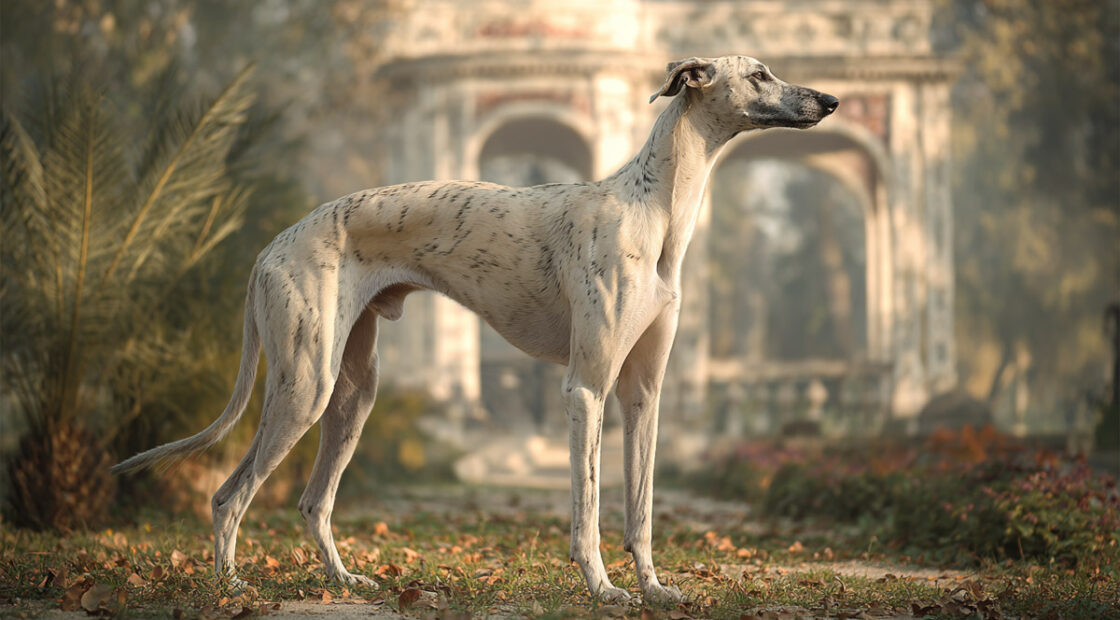
Male Sloughis typically stand 26-29 inches tall and weigh 55-65 pounds. Females are slightly smaller, measuring 24-27 inches with weights ranging from 45-50 pounds.
The breed’s lean, athletic build reflects its desert coursing heritage. Every line speaks to functional elegance rather than decorative breeding.
Compared to the Greyhound, Sloughis appear more substantial and muscular. They share similar proportions with the Azawakh but display a more refined bone structure.
Coat Colors and Patterns
The breed standard accepts several color variations including cream, fawn, red, and brindle patterns. Solid colors are most common, though subtle markings on the chest and toes are permitted.
Their short, smooth coat requires minimal grooming throughout most of the year. Seasonal changes bring slight variations in coat density and texture.
Desert adaptation shows in their skin pigmentation and coat quality. The harsh Saharan environment shaped these physical traits over thousands of years.
Distinctive Features
The Sloughi’s head displays a distinctive wedge shape with a slightly rounded skull. Their ears hang close to the head in a triangular fold.
Dark eyes convey the breed’s characteristic gentle yet alert expression. Eye color ranges from dark brown to amber, never light or blue.
The tail reaches the hock joint and curves slightly upward when alert. At rest, it hangs naturally with a subtle curve at the tip.
Temperament and Personality Traits
Reserved Nature with Strangers

The Sloughi’s aloof personality often surprises first-time owners expecting immediate friendliness. This reserved nature isn’t aggression but rather careful assessment of new situations.
Proper socialization during puppyhood helps balance their natural caution. Early exposure to various people and environments builds confidence without overwhelming their sensitive nature.
Trust develops gradually with these dogs. Patience and consistency work better than forced interactions when introducing strangers.
Loyalty and Bonding with Family
Despite their independence, Sloughis form incredibly strong bonds with their chosen people. They often display one-person dog tendencies while remaining pleasant with other family members.
Their gentle disposition makes them wonderful companions for children who understand their need for respect. They rarely show aggression but will remove themselves from uncomfortable situations.
Protection instincts emerge naturally without aggressive posturing. The breed prefers to alert rather than confront potential threats.
Intelligence and Training Characteristics
Independent thinking characterizes the Sloughi’s approach to training and daily life. Unlike breeds like the Border Collie, they don’t live to please but rather to understand.
Sensitivity to harsh training methods makes positive reinforcement critical for success. Their intelligence allows them to learn quickly when motivated properly.
Mental stimulation prevents boredom-related behaviors in this thinking breed. Puzzle games and varied activities keep their minds engaged throughout the day.
Training sessions work best when kept short and interesting. The breed’s attention span responds better to frequent, brief lessons than long drilling sessions.
Their coursing instincts remain strong despite domestication. Sight of moving objects can override even the best training, making recall work particularly challenging.
Unlike more biddable breeds such as the Labrador Retriever, Sloughis require owners who understand and respect their independent nature rather than expecting blind obedience.
Exercise and Activity Requirements
High-Speed Running Needs

Sprint opportunities form the cornerstone of proper Sloughi care. These desert coursing dogs need space to reach their lightning-fast speeds regularly.
A securely fenced area of at least half an acre provides adequate room for full-speed runs. Without proper fencing, their strong prey drive can lead to dangerous escape attempts.
Daily exercise sessions should include 30-45 minutes of moderate activity plus several short sprint intervals. Unlike breeds such as the Siberian Husky, Sloughis prefer intense bursts over long endurance work.
Mental Enrichment Activities
Puzzle games prevent boredom in these intelligent sighthounds. Their independent thinking requires constant mental challenges to stay satisfied.
Scent work taps into their natural hunting instincts without requiring live prey. Hide treats around the yard or use commercial scent puzzle toys.
Structured play sessions work better than free-form activities. These reserved dogs respond well to predictable routines and clear expectations.
Age-Appropriate Exercise Guidelines
Puppy Exercise Limitations
Young Sloughis under 18 months need carefully monitored activity levels. Their growing joints can’t handle intense running or jumping.
Short play sessions of 15-20 minutes work best for puppies. Multiple brief periods throughout the day beat one long exercise session.
Adult Peak Activity
Adult Sloughis between 2-7 years require the most intensive exercise programs. This life stage demands both physical and mental challenges.
Peak activity periods typically occur in early morning and evening hours. Desert adaptation makes them prefer cooler temperatures for intense exercise.
Senior Modifications
Older dogs benefit from gentler activities that maintain muscle tone without stressing aging joints. Swimming provides excellent low-impact exercise when available.
Regular walks become more important than sprint sessions for senior Sloughis. Adjust expectations based on individual health status rather than chronological age.
Health Considerations and Lifespan
Common Health Issues in the Breed

Heart conditions appear more frequently in Sloughis than many other sighthound breeds. Regular cardiac screening helps catch problems early.
Progressive retinal atrophy affects some bloodlines, making eye testing important for breeding dogs. Annual ophthalmologist visits catch developing issues before vision loss occurs.
Orthopedic concerns include:
- Hip dysplasia (less common than in larger breeds)
- Elbow problems in active dogs
- Toe injuries from high-speed running
Preventive Care and Health Maintenance
Vaccination schedules follow standard protocols, though some veterinarians recommend modified timing for sighthounds. Discuss breed-specific considerations with your vet.
Parasite prevention requires special attention in dogs with outdoor access. Their hunting instincts increase exposure to various parasites and diseases.
Regular health screening includes:
- Annual cardiac examinations
- Eye testing every 2 years
- Hip and elbow evaluation for breeding dogs
- Thyroid function monitoring
Lifespan and Quality of Life Factors
Average life expectancy ranges from 12-15 years for healthy Sloughis. This longevity exceeds many large breed dogs but falls short of smaller companions.
Signs of healthy aging include maintained appetite, stable weight, and continued interest in activities. Gradual slowing is normal, but sudden changes warrant veterinary attention.
End-of-life care focuses on comfort and pain management. Their stoic nature often masks discomfort, requiring careful observation for subtle changes.
Nutrition and Feeding Guidelines
Dietary Requirements by Life Stage

Puppy Nutrition Needs
High-protein requirements support rapid growth in young Sloughis. Look for foods with at least 28% protein content from quality sources.
Puppy feeding schedules require 3-4 meals daily until six months old. This prevents digestive upset and maintains steady energy levels.
Growth monitoring helps prevent both under and overfeeding. Unlike breeds like the Great Dane, Sloughis mature more gradually.
Adult Maintenance Feeding
Adult dogs thrive on 22-26% protein diets with moderate fat content. Their lean build requires careful calorie management to prevent weight gain.
Active adults need 1,200-1,800 calories daily depending on size and exercise level. Adjust portions based on body condition rather than package recommendations.
Senior Dietary Adjustments
Older Sloughis benefit from easily digestible proteins and added joint support supplements. Reduced calorie needs require portion adjustments.
Senior-specific formulas often contain appropriate nutrient profiles for aging sighthounds. Monitor weight carefully as activity levels decrease.
Food Quality and Ingredient Considerations
Premium protein sources should form the foundation of any Sloughi diet. Avoid foods with excessive fillers or by-product meals.
Common allergens to watch for include:
- Chicken (surprisingly common in sighthounds)
- Corn and wheat products
- Artificial preservatives
- Excessive fat content
Supplement recommendations include glucosamine for joint health and omega-3 fatty acids for coat condition. Always consult your veterinarian before adding supplements.
Feeding Schedules and Portion Control
Meal Frequency Guidelines
Two meals daily work best for adult Sloughis. This schedule reduces bloat risk while maintaining steady energy levels.
Morning and evening feeding times align with their natural activity patterns. Avoid feeding immediately before or after intense exercise.
Digestive Health Strategies
Elevated feeding bowls may help prevent bloat in deep-chested sighthounds. Some owners report better digestion with this simple modification.
Weight management requires regular monitoring since Sloughis should maintain lean body condition. You should easily feel ribs without excessive pressure.
Portion control becomes critical for less active dogs or those living in apartments. Unlike working breeds such as the Australian Cattle Dog, Sloughis can gain weight quickly without adequate exercise.
Grooming and Maintenance
Coat Care Requirements
Minimal grooming ranks among the Sloughi’s most appealing traits. Their short, smooth coat requires basic weekly brushing to remove loose hair.
Seasonal shedding occurs twice yearly but remains manageable compared to double-coated breeds. A rubber grooming mitt works effectively during heavy shedding periods.
Professional grooming needs are virtually nonexistent. Most owners handle all grooming tasks at home with basic tools.
Nail, Ear, and Dental Care
Nail Maintenance
Nail trimming every 3-4 weeks prevents overgrowth and splitting. Active dogs may naturally wear nails down on hard surfaces.
Use proper nail clippers designed for large breeds. Quick identification is easier in dogs with light-colored nails.
Ear Cleaning Routines
Weekly ear checks prevent wax buildup and infections. Their hanging ears trap more debris than erect-eared breeds.
Clean ears with veterinarian-approved solutions only. Avoid cotton swabs that can push debris deeper.
Dental Hygiene
Daily brushing prevents periodontal disease common in sighthounds. Start dental care early to establish routines.
Dental chews and toys supplement brushing but don’t replace it entirely. Professional cleanings may be needed annually.
Bathing and Skin Care
Monthly baths suffice unless the dog gets particularly dirty. Over-bathing strips natural oils from their skin.
Weather protection becomes necessary in extreme temperatures. Their thin coat offers little insulation against cold.
Sunscreen on exposed skin areas prevents burning in high-altitude or desert climates. Choose pet-safe formulations only.
Training and Socialization
Early Socialization Strategies

Critical Periods
Puppy socialization must begin immediately upon vaccination completion. The window between 8-16 weeks proves most crucial.
Exposure to various environments builds confidence without overwhelming their sensitive nature. Start with quiet settings before progressing to busier areas.
Positive Association Techniques
Create positive experiences with new people, sounds, and situations. Their reserved nature requires patience during introductions.
Treats and praise reinforce calm behavior around strangers. Never force interactions that cause obvious stress.
Basic Obedience Training
House Training Approaches
Consistent schedules accelerate house training success. Take puppies outside every 2-3 hours initially.
Crate training works well with proper introduction. Size the crate appropriately – large enough to stand and turn around.
Leash Training Methods
Start leash training indoors before venturing outside. Their strong prey drive can create sudden pulling behaviors.
Recall training presents ongoing challenges for most Sloughi owners. Practice in secure areas only until reliability improves.
Unlike breeds such as the Golden Retriever, Sloughis may never achieve perfect off-leash reliability.
Addressing Behavioral Challenges
Prey Drive Management
High prey drive remains active throughout their lives. Small animals trigger intense chasing responses.
Secure fencing becomes non-negotiable for safe outdoor access. Underground fencing won’t contain a determined Sloughi.
Management strategies work better than elimination attempts. Accept this trait rather than fighting their nature.
Separation Anxiety Prevention
Gradual departures prevent anxiety development in bonded dogs. Start with very short absences and slowly increase duration.
Mental stimulation before departures tires their minds and reduces stress. Puzzle toys provide productive distraction.
Resource Guarding Solutions
Early intervention prevents resource guarding from becoming problematic. Trade games teach willing exchanges.
Professional help may be needed for severe cases. Don’t attempt to solve serious guarding issues alone.
Living Arrangements and Housing
Indoor Living Requirements

Space Considerations
Adequate indoor space accommodates their need to stretch and move freely. Cramped quarters create stress and behavioral problems.
They prefer cool, quiet resting areas away from household chaos. Unlike social breeds such as the Labradoodle, Sloughis value peaceful retreats.
Comfortable Resting Areas
Elevated beds protect from cold floors and drafts. Their thin skin appreciates soft surfaces over hard flooring.
Temperature control matters more for Sloughis than thick-coated breeds. They need warm indoor environments during winter months.
Outdoor Space and Fencing
Minimum Requirements
Half-acre minimum provides adequate room for running and exploration. Smaller yards work only with supplemental exercise opportunities.
Fence height must reach at least 6 feet to contain athletic jumpers. Some dogs clear even taller barriers when motivated.
Security Measures
Check fence integrity regularly for damage or weak spots. Their escape artist tendencies exploit any opportunity.
Double gates prevent accidental escapes during entry and exit. Install spring-loaded latches that close automatically.
Visual barriers reduce fence-running behaviors triggered by outside stimuli. Solid fencing works better than chain link.
Compatibility with Other Pets
Multi-Dog Households
Careful introductions prevent conflicts between dogs. Sloughis generally prefer calm, respectful canine companions.
Size matching matters more than breed selection. Avoid pairing with overly energetic or pushy dogs.
They often do well with other sighthounds who understand their communication style. Breeds like the Whippet make suitable companions.
Living with Cats
Cat relationships depend entirely on early socialization and individual temperament. Some Sloughis never accept feline housemates.
Introduce cats while the dog is still young and trainable. Adult dogs with strong prey drive rarely adapt to cat ownership.
Separate feeding areas prevent resource competition. Provide cats with escape routes and high perches.
Small Animal Considerations
Rabbits, hamsters, and birds trigger intense hunting responses in most Sloughis. Safe coexistence requires permanent separation.
Even well-socialized dogs may react instinctively to sudden movements from small pets. Supervision alone isn’t sufficient protection.
Consider pet compatibility carefully before adding a Sloughi to homes with existing small animals.
Breeding and Puppy Selection
Finding Reputable Breeders

Health Testing Requirements
Comprehensive health screening separates responsible breeders from backyard operations. All breeding dogs should undergo cardiac, eye, and hip evaluations.
Required health tests include:
- Cardiac clearance from board-certified cardiologist
- Annual eye exams by veterinary ophthalmologist
- Hip scoring through OFA or PennHIP methods
- Thyroid function testing
Ask for documented proof of all health clearances. Reputable breeders provide copies without hesitation.
Breeding Ethics and Practices
Breeding standards focus on temperament preservation alongside physical conformation. Good breeders prioritize the breed’s working ability and character.
Responsible breeders limit breeding frequency and retire dogs at appropriate ages. They maintain detailed records of all matings and offspring.
Ethical practices include:
- Limited breeding to 3-4 litters per female lifetime
- Genetic diversity consideration in mate selection
- Honest disclosure of any health issues
- Lifetime support for puppy buyers
Red Flags to Avoid
Multiple breeds available simultaneously suggests commercial breeding operations. Sloughi specialists focus on one or two related breeds maximum.
Puppy mill indicators include constant availability, no health testing documentation, and refusal to meet parent dogs.
Warning signs:
- Pressure to purchase immediately
- No questions about your lifestyle or experience
- Multiple litters available year-round
- Unwillingness to provide health records
- Meeting in parking lots or neutral locations
Puppy Selection Criteria
Temperament Testing Methods
Behavioral assessment reveals individual personality traits within litters. Simple tests help match puppies to appropriate homes.
Basic temperament evaluations include response to handling, novel sounds, and separation from littermates. These tests work best around 7-8 weeks of age.
Unlike more predictable breeds such as the Poodle, Sloughi personalities can vary significantly within single litters.
Health Indicators in Puppies
Physical examination should reveal clear eyes, clean ears, and appropriate weight for age. Healthy puppies appear alert and engaged with their environment.
Check for proper bite alignment and normal gait patterns. Structural problems often appear early in sighthound breeds.
Key health signs:
- Bright, clear eyes without discharge
- Clean ears with no odor
- Proper weight without pot belly appearance
- Steady gait without limping or favoring
- Alert, responsive behavior
Matching Puppy to Lifestyle
Activity level varies among individual puppies even within the same litter. Observe energy patterns during multiple visits.
More reserved puppies often suit first-time sighthound owners better than high-drive individuals. Consider your experience level honestly.
Lifestyle matching factors:
- Available exercise time and space
- Experience with independent breeds
- Presence of other pets or children
- Training goals and expectations
Preparation for Puppy Arrival

Essential Supplies and Equipment
Secure fencing tops the priority list before bringing any Sloughi puppy home. Install or repair fencing well in advance.
Basic supply checklist:
- Appropriately sized crate for house training
- High-quality puppy food recommended by breeder
- Soft bedding and toys for comfort
- Collar, leash, and identification tags
- Food and water bowls
- Cleaning supplies for accidents
Puppy-Proofing Considerations
Remove or secure small objects that curious puppies might swallow. Their sight-oriented nature makes them attracted to moving items.
Electrical cords require protection since puppies explore with their mouths. Baby gates help restrict access to unsafe areas.
Common hazards include:
- Loose clothing items and shoes
- Small toys belonging to children
- Houseplants (many are toxic)
- Open stairways without gates
- Unsecured garbage containers
Initial Veterinary Planning
Schedule the first veterinary appointment within 48 hours of pickup. Bring all health records provided by the breeder.
Vaccination schedules require careful timing to maintain immunity while allowing safe socialization. Discuss breed-specific protocols with your veterinarian.
Unlike hardy breeds such as the Rottweiler, Sloughi puppies may need modified vaccination timing due to their sensitive nature.
Establish relationships with specialists early. Find veterinarians experienced with sighthound breeds in your area.
Consider puppy insurance policies before health issues arise. Coverage decisions become more limited after problems develop.
Spay/neuter timing requires special consideration in sighthounds. Discuss optimal timing based on current research and your dog’s individual development.
FAQ on Sloughi
Are Sloughis good family dogs?
Sloughis make excellent family companions for the right households. They’re gentle with children and form strong bonds with their people.
However, their reserved nature and high exercise needs don’t suit every family situation.
How fast can a Sloughi run?
These desert coursing dogs reach speeds of 35-40 mph during full sprints. Their athletic build and lightweight frame contribute to exceptional running ability.
They prefer short bursts over long-distance running like some sighthound relatives.
Do Sloughis shed a lot?
Minimal shedding occurs year-round with two heavier periods during seasonal changes. Their short, smooth coat requires basic weekly brushing.
Compared to double-coated breeds, grooming needs remain very manageable for most owners.
Can Sloughis live in apartments?
Apartment living works only with adequate daily exercise and secure outdoor access. These dogs need space to run at full speed regularly.
Without proper exercise outlets, they become restless and may develop behavioral problems.
How much exercise do Sloughis need?
Daily exercise should include 45-60 minutes of moderate activity plus several sprint opportunities. Mental stimulation prevents boredom in these intelligent dogs.
Secure fencing is non-negotiable due to their strong prey drive and escape tendencies.
Are Sloughis easy to train?
Independent thinking makes training challenging compared to more biddable breeds. They respond well to positive methods but resist harsh corrections.
Patience and consistency work better than force when working with these sensitive sighthounds.
Do Sloughis get along with cats?
Cat relationships depend entirely on early socialization and individual temperament. Some Sloughis never accept feline housemates safely.
Their strong prey drive can override training when triggered by sudden movements.
What health problems do Sloughis have?
Heart conditions and progressive retinal atrophy appear most frequently in the breed. Regular health screening helps catch problems early.
Overall, they’re healthier than many purebred dogs with lifespans reaching 12-15 years.
How much do Sloughi puppies cost?
Puppy prices typically range from $1,500-$3,000 from reputable breeders. Health testing and limited availability affect pricing.
Additional costs include transportation since few breeders exist in North America.
Are Sloughis rare dogs?
Extremely rare in most countries outside North Africa. The American Kennel Club only recognized them in 2016.
Finding reputable breeders often requires extensive research and potential waiting lists.
Conclusion
The Sloughi represents a unique opportunity for experienced dog owners seeking an ancient companion with modern appeal. Their combination of athletic ability, loyal bonding, and independent intelligence creates rewarding relationships for those who understand sighthound nature.
These Moroccan heritage dogs demand respect for their coursing instincts and exercise requirements. Adequate fencing, patient training, and proper socialization form the foundation of successful ownership.
Their minimal grooming needs and generally healthy constitution make them relatively low-maintenance once basic requirements are met. Heat tolerance and graceful movement reflect thousands of years of desert adaptation.
Potential owners must honestly assess their lifestyle compatibility with this reserved breed. Urban environments work only with dedicated exercise commitments and secure outdoor access.
The nomadic hunting breed continues to thrive in homes that appreciate their dignified temperament and lightning-quick reflexes. For the right families, these North African treasures offer unmatched loyalty and elegant companionship that honors their remarkable heritage.