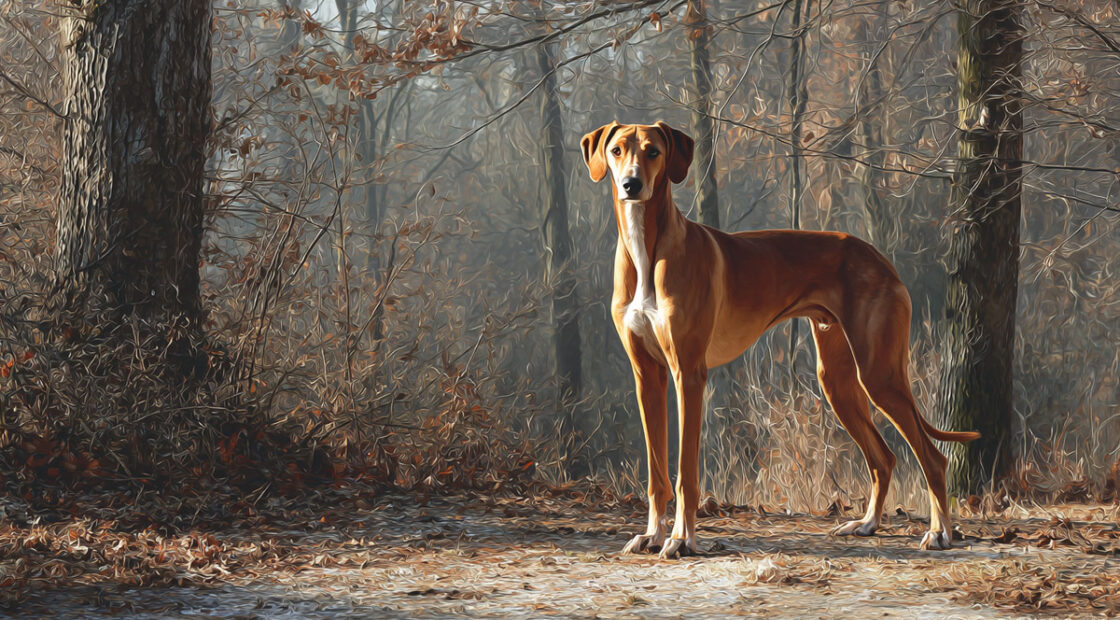
Tuareg nomads in the Sahel bred the Azawakh to guard their camps and to run down gazelle and hares. It’s a short-haired West African sighthound from the Mali and Niger border.
The Federation Cynologique Internationale (FCI) files the breed under Group 10, Section 3, short-haired sighthounds.
Plenty of profiles say the American Kennel Club (AKC) recognized it in 2011. That date only marks the Miscellaneous Class entry. The Hound Group admission took effect on 1 January 2019 (American Kennel Club, 2019).
The FCI standard pairs hunting with fighting off hyenas, jackals and lions. That guarding role shapes a temperament that is loyal to its family and reserved with strangers.
What is the Azawakh?
The FCI lists it as Standard No. 307 in Group 10, Section 3 (short-haired sighthounds), with the northern borders of Mali and Niger as the origin and France as the patronage country. The AKC places it in the Hound Group.
It’s a tall, slim dog. The FCI standard describes bones and muscles showing through thin, dry skin, and the coat is short and fine, down to none on the belly. Gazelle and hares are the usual quarry, ostriches too, and the dog also fights off hyenas, jackals and lions.
The Tuareg call it Oska. Breed-club writing prefers idi n’illeli (“sighthound of the free people”), and the AKC profile goes with Tuareg Sloughi.
That job description matters. The FCI utilization note pairs hunting with fighting off predators, so guarding sits inside the work, not beside it.
The resemblance to the Greyhound is real, but PetMD points out that the Azawakh is closer kin to other African and Middle Eastern sighthounds.

Where does the Azawakh come from?
The dry valley of the Azawagh, on the Mali and Niger border, is home ground. Tuareg, Dahoussahaq and Peul shepherd-hunters kept the dogs there.
Tuareg and the Sahel
The FCI standard traces the breed to dogs painted on Central Sahara walls thousands of years ago.
As the Sahara dried out, Tuareg, Dahoussahaq and Peul shepherd-hunters moved their dogs south into the Sahel, along the dry Azawakh valley.
Carol Beuchat of the Institute of Canine Biology calls the Azawakh a landrace, a regional population shaped by its climate and by the people who keep it (Popular Science). The hot, arid setting, she says, explains the lean, leggy, fast dog.
Today the dogs are kept by the Tuareg and the Bella, and by Peulh and some Fulani clans. Breed-club history still credits the Tuareg with raising the noblest hounds.
Arrival in Europe and the United States
The sequence is documented. The first date is not settled.
| Year | Event | Source |
|---|---|---|
| c. 1968 | Enthusiasts and breeders export the first dogs to Europe | FCI Standard No. 307 |
| 1970s | First Azawakh reaches Europe via a Yugoslavian diplomat in Burkina Faso | AAA history, via Popular Science |
| 1980 | FCI accepts the breed on a definitive basis (3 June) | FCI breed nomenclature |
| 1987 / 1988 | First US-born litter, then the American Azawakh Association (AAA) is founded | AKC; Popular Science |
| 1990 | First US brindle litter, whelped 27 November | AAA history, via Showsight |
The FCI standard dates the first exports to around 1968, while AAA history puts the first dog in Europe in the 1970s. Neither source explains the gap, so 1968 to the early 1970s is the safest entry window.
French military and civil servants played a large part in those early exports, and the French and Yugoslavian lines became the main sources for both Europe and the United States.
On the conservation side, a 1993 expedition of sighthound enthusiasts from Germany, Austria, the United States and Mexico led to ABIS (Association Burkinabe Idi du Sahel), founded in Ouagadougou to keep the pure-bred nomad sighthound alive in its home region.
Club secretary Deb Kidwell put the US population at 400 to 500 dogs ahead of full AKC recognition, in the AKC’s own feature on the breed.
How big is an Azawakh, and what do its coat and colors look like?
Tall and light, with a short, fine coat. The numbers below come from the FCI standard, and which colors are acceptable depends on the standard a registry follows.
Height and weight
FCI Standard No. 307 (published 15 October 2019) puts males at 64 to 74 cm (about 25 to 29 in) at the withers and 20 to 25 kg. Females run shorter, 60 to 70 cm (about 23.5 to 27.5 in), and lighter at 15 to 20 kg.
A tolerance of 2 cm either way is accepted. More than 3 cm off disqualifies. Chest depth should come to roughly 4 tenths of the height at the withers.
A profile listing 33 to 55 pounds is giving the same weight band in pounds.
Coat and skin
The coat is short and fine, and on the belly it thins to nothing. A wire or semi-long coat is a disqualifying fault.
Skin is thin and tight-fitting, so ribs and hip bones read through it.
The standard wants the hips level with or above the withers, yet it also disqualifies extreme general thinness. A lean dog is correct. A starved one is not.
Colors and markings
Color is where the FCI standard and the AKC profile part ways.
| Feature | FCI standard | AKC profile |
|---|---|---|
| Base colors | Fawn, from clear sand to dark fawn (mahogany) | Red, clear sand to fawn, brindled, parti-color, blue, black, brown |
| Brindle | Black stripes only | Accepted |
| White | Limited to the extremities; invasive white disqualifies | Parti-color allowed, may be mostly white |
| Dilute colors | Blue and lilac flagged as disqualifying | Blue accepted |
Under the FCI standard each limb carries a white stocking, at least as a trace, and the bib must not pass the point of the shoulder. A dog of excellent morphology may lack white on one limb.
Early FCI standards allowed only shades of red with white markings, because brindle was read as proof of a cross with the Sloughi (AAA history). Black brindle is accepted now.
Deb Kidwell, secretary of the American Azawakh Association, argues that narrowing the allowed colors would cut genetic diversity in the breed (PetMD).
Azawakh temperament and training
With its own family, the Azawakh is loyal and affectionate. Strangers get a much cooler reception. The FCI standard describes a dog that is distant by nature but quick and attentive, and gentle with the people it accepts.
Behavior with family and strangers
At home it bonds strongly with its owners and is affectionate and playful (AKC). Once its exercise is done it settles down and stays calm indoors (Deb Kidwell, in PetMD).
Visitors are another matter. The dog tends to be reserved or suspicious with strangers and accepts new people in its own time (Dogs Victoria). It guards what it considers its own, a habit rooted in camp-guard work.
It also reacts to anything that moves. The AAA says even a blowing leaf can start a chase (via Mental Floss).
The FCI standard disqualifies dogs that are aggressive or overly shy. The target is a watchful dog that stays steady, not one that lunges or hides.
Training and socialization
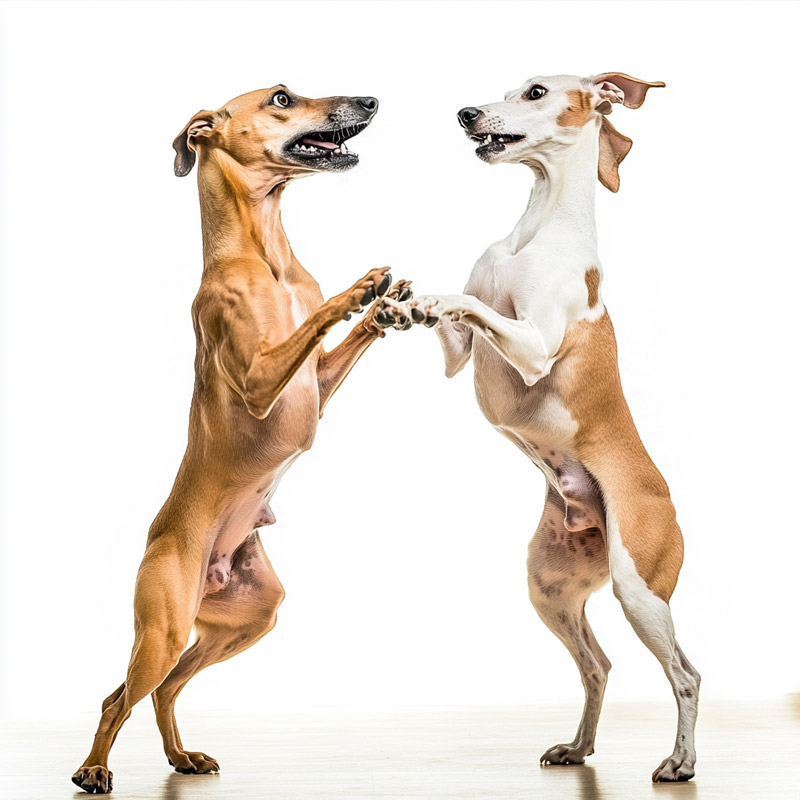
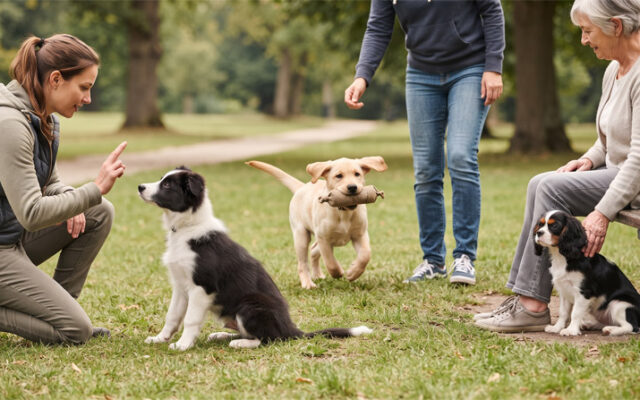
Start early and keep it reward-based.
The AKC profile calls the breed highly intelligent and fiercely independent, which is why training should begin in puppyhood. Breed profiles warn that harsh or punishment-based methods tend to produce a withdrawn or aggressive hound (PetMD, zooplus).
Positive reinforcement with gentle but firm corrections works best, and the earlier the better, before independence hardens into habit. Regular outings and car rides keep social skills up, even for dogs that would rather stay home (Kidwell).
Since the FCI standard disqualifies both aggressive and overly shy dogs, an unsocialized Azawakh cannot meet its own breed standard.
Exercise and housing needs of the Azawakh
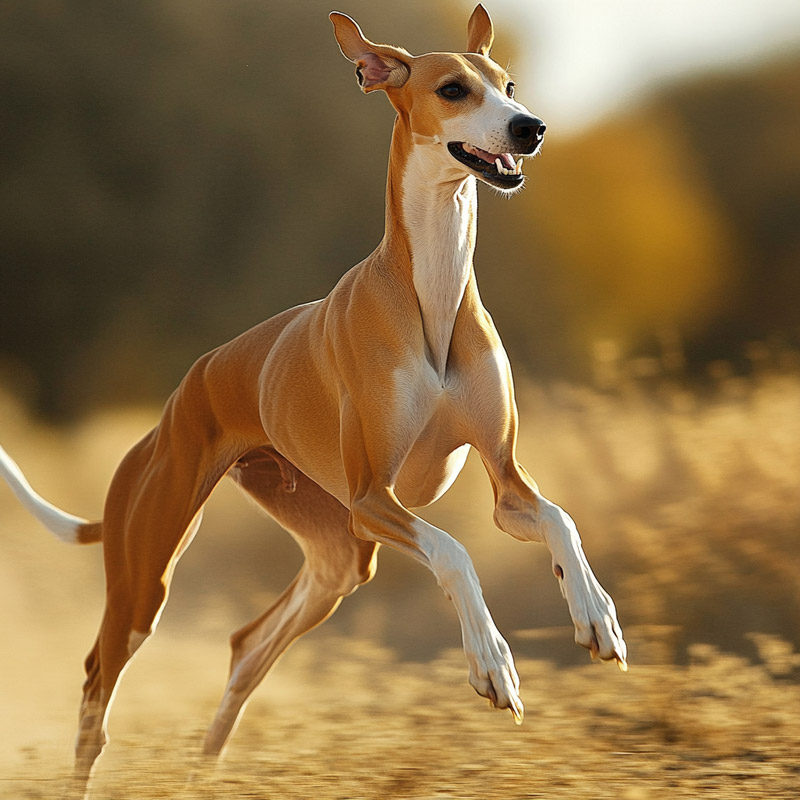
Daily exercise is non-negotiable, and most of it should be sprints in a fenced space. The AKC profile adds that a dog left alone in the yard will not exercise itself, so the owner has to take part.
Running and coursing
Showsight describes the breed as running and playing in spurts, then taking long naps on the sofa.
Off-lead sprints belong inside secure fencing only, since a chase can start without warning. Interactive play or a running partner is better than yard time alone, because solo yard time does not count (Kidwell).
Lure coursing is open to Azawakh at one year old under AKC rules and is recognized by the American Sighthound Field Association (ASFA). Kidwell’s Kel Simoon line put two dogs in the ASFA Hall of Fame and 13 in its Lifetime Top 20 Hounds, according to Showsight.
There’s a catch, though. AKC lure coursing bars hounds that carry a breed disqualification from the standard.
Cold, rain and heat
The breed is built for heat and handles cold poorly.
The FCI standard calls for thin, tight skin and hair that thins to nothing on the belly, which leaves little insulation. Vetstreet says plainly that the breed does not thrive in cold or wet conditions. Pet Insurance Quotes advises a sighthound-specific coat when the dog must go out in rain or cooler weather, and Omlet ties the need to low body fat and a thin coat.
Housing follows from that. A warm indoor bed, a fenced yard or reliable access to one, and a plan for exercise on days the weather turns.
Azawakh health and lifespan
Generally healthy, with a short list of trouble spots. The AAA flags hypothyroidism and seizures, plus immune-mediated disease, and PetMD adds that problems tend to appear later in life.
Common conditions
Hypothyroidism means low thyroid hormone, which brings weight gain, lethargy and repeated skin or ear infections. It has no cure but responds to daily medication (PetMD, WebMD).
Seizures are noted in the breed, with PetMD reporting some indication of a link to hypothyroidism. The AAA’s breed text says dogs that show seizures should not be bred.
On the immune side, the AAA lists a muscle-wasting condition, autoimmune thyroiditis and generalized demodectic mange, and PetMD adds masticatory muscle myositis.
Profiles disagree on hip dysplasia and bloat. Omlet lists both, while the AAA’s own list of common concerns names neither.
The AAA’s breed text adds that bloat and cardiac problems are not common but have occurred in some individuals.
Lifespan
Zoetis Petcare gives 10 to 14 years, PetMD 12 to 14, and the AKC’s own feature on the breed 12 to 16.
The ranges overlap at 12 to 14 years. None of these profiles names a survey behind its range, so treat that span as a working expectation, not a measured median.
Vet care
Pick a vet who knows sighthounds.
PetMD advises it because the breed has a different health profile from most dogs. Two show Azawakh seen at the National Greyhound Adoption Program’s clinic were thin even by racing Greyhound standards, though their weights matched the breed standard, and the clinic staff had never seen the breed before.
That is the misread to head off. A vet who treats lean as sick will start the wrong workup.
How the FCI, AKC and The Kennel Club recognize the Azawakh
The AKC took from 1997 to 2019 to admit the breed fully. The FCI lists it without a working trial, and The Kennel Club carries it as an imported breed.
The AKC path
- 1997: recorded in the Foundation Stock Service
- 1 January 2008: eligible for Companion Events
- 30 June 2011: eligible to compete in the Miscellaneous Class
- 1 January 2019: accepted into the Stud Book and eligible for the Hound Group
Some profiles give 2011 as the year the AKC recognized the breed. That is the Miscellaneous Class date, and the AKC breed profile puts full recognition in 2019.
The AAA has served as the AKC parent club since February 2011.
UKC and The Kennel Club
The United Kennel Club recognized the breed on 1 January 1993 and placed it in its Sighthound and Pariah Dog Group.
Its standard, revised 1 July 2009, treats a dog more than one inch over or under the height range as an eliminating fault, meaning it cannot win awards in a conformation event, and disqualifies any overshot or undershot bite.
In the UK, The Kennel Club lists the breed as Azawakh (Imp) in the Hound group, with Breed Watch Category 1, meaning no points of concern for judges beyond the standard.
As of October 2026 it names seven standard colors (red, red brindle, red brindle and white, red fawn, sable, sand, sandy and white). Blue and black are not among them.
Where the standards part ways
| Point | FCI standard | AKC standard |
|---|---|---|
| Aggressive or overly shy dog | Disqualifying fault | Fault (excessively timid, hysterical or aggressive) |
| Hind dewclaws | Disqualifying, including traces of removal | May or may not be removed |
| Coat texture | Wire or semi-long coat disqualifies | Harsh or semi-long coat is a serious fault |
The AKC standard was approved on 8 February 2018 and took effect on 1 May 2018.
A dog with hind dewclaws is disqualified under the FCI standard and unpenalized under the AKC’s. Dewclaw status matters when a dog crosses between rings.
Azawakh compared with the Sloughi, Saluki and Greyhound
Closest kin is the Sloughi. The Saluki sits further off and the Greyhound furthest, and outline and temperament do most of the separating.
| Breed | Traditional work | Coat | Distinguishing point |
|---|---|---|---|
| Azawakh | Camp guard, gazelle and hare hunter | Short, fine, bare belly | Most prominent hip bones |
| Sloughi | Hunts hare, fox, jackal, gazelle and wild pigs; guards | Smooth, single short-haired variety | Squarer frame, tail carried low |
| Saluki | Coursed gazelle beside Bedouin and falcons | Smooth or feathered | Long feathered ears and tail; brindle not desired |
| Greyhound | Coursing, later show and pet | Short, smooth, firm | AKC standard sets weight, not a height range |
Closest relative: the Sloughi
Until the FCI recognized the Azawakh as its own breed, it was shown as a Sloughi variety (AAA history).
Blood studies cited by breed writer David Hancock found that both breeds carry an extra allele at the glucose-phosphate-isomerase locus that other sighthounds lack.
The differences show in the body. The Sloughi lacks the Azawakh’s extremely prominent pin bones, its topline is almost level with moderate hindquarter angulation, and it carries its tail low on the move, unlike the Azawakh.
Erika Wyatt of the American Sloughi Association states it plainly: the Sloughi is neither a smooth Saluki nor a variation of the Azawakh, and should not be judged like one.
Saluki and Greyhound
Different jobs, different dogs.
A Saluki comes smooth or feathered, and its AKC standard, adopted in 1927, is the oldest unchanged standard in the Hound Group (Saluki Club of America).
Orvis describes the Saluki as laid-back and not protective, which is the opposite of the Azawakh’s guard work.
The Greyhound was recognized by the AKC in 1885, and the Westminster Kennel Club calls it sociable, energetic and outgoing.
If this is your first sighthound, I’d start with the Greyhound’s sociable temperament, not the Azawakh’s guarded one.
When the Azawakh is not the right dog
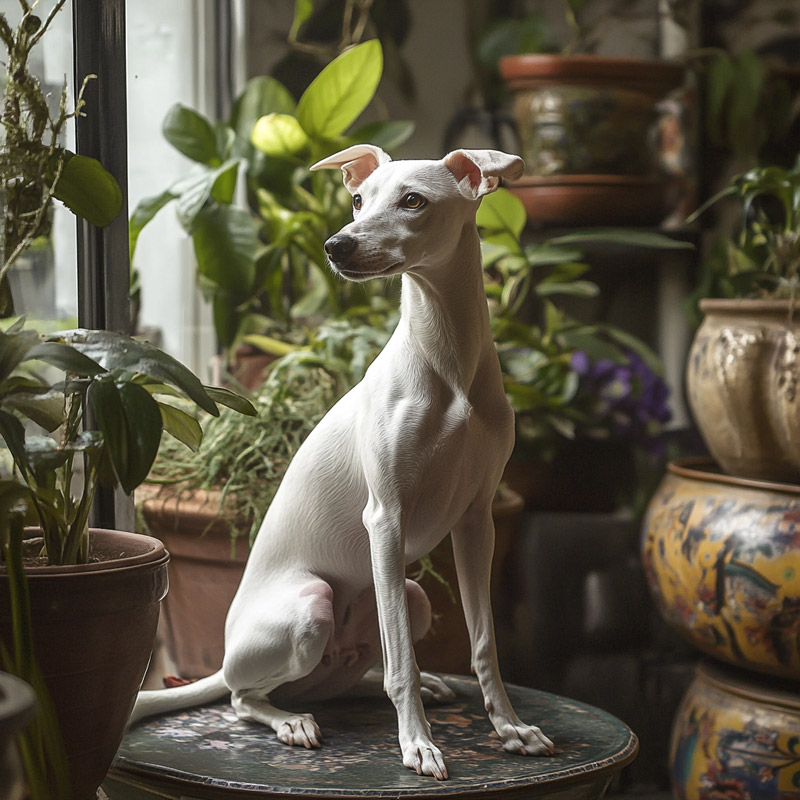
This is a poor fit for first-time owners and for homes with young children or small pets. Anyone hoping for a dog that greets every visitor will be disappointed too.
Households where it fails
Vetstreet tells owners with young or very active children to choose another breed. The AAA’s own breed text gives the reason: children can hurt a dog without meaning to, and an Azawakh may defend itself.
Small pets and indoor birds call for similar caution. The AAA asks for it around indoor birds, and WebMD advises thinking hard before adding an Azawakh to a home with other pets.
Owner Lisa Pinto told the AKC the breed is not for a first-time dog owner. And zooplus describes it as territorial, with a strong hunting instinct and a long memory for harsh treatment, which doesn’t suit a household that wants a social dog.
Time and space are limits of their own. The Kennel Club’s breed profile lists more than two hours of exercise a day, a large house and a large garden.
Adults rehome poorly, according to WebMD, so anyone buying one should expect to keep the dog for life.
Trade-offs at a glance
On the plus side, owners get intense loyalty (The Kennel Club), weekly brushing is enough, and the breed is generally healthy with a short list of known conditions.
The downsides run longer:
- More than two hours of exercise a day on the Kennel Club’s profile
- Sensitive to rough handling
- Hard to rehome as an adult
- Territorial toward visitors
One failure condition can be managed. Several at once rarely can.
Finding an Azawakh breeder and what a puppy costs
Finding an Azawakh breeder takes patience. The breed is rare, puppies are scarce, and the AAA is the usual starting point.
Where to look
The AKC’s breeder referral page lists the AAA as the Azawakh parent club. The AKC breed profile links to AKC Marketplace, and UK buyers can try The Kennel Club’s Find a Puppy service.
Kayley Page spent three years researching the breed before buying her first Azawakh from a breeder in France (AKC). A wait is normal.
Rescue exists but is small. The AAA, the AKC parent club, assists with rescue and rehoming (Showsight).
Health testing and red flags
Testing is voluntary and breeder-defined. The Kennel Club lists no breed-specific screening scheme or DNA test as of October 2026, while the AAA’s breed text names thyroid screens, blood chemistry, autoimmune function work, cardiac screening, eye exams and hip and elbow x-rays (OFA, PennHIP) as common tests.
The AKC’s Gina DiNardo recommends DNA testing before breeding (PetMD). Ask every breeder these questions.
- Which tests did both parents have, and can I see the results?
- Has any dog in the line had seizures?
- How old were the parents when bred? Deb Kidwell recommends waiting until they are fully mature.
- What does the contract and health guarantee cover?
- Do the puppies live in the household?
Vetstreet lists the walk-away signs: no health guarantee, a claim that the breed is 100 percent healthy, and puppies kept isolated from the household.
What a puppy costs
One breeder’s published program lists puppies at $2,500 to $3,000, and says the price offsets health testing on the parents and the cost of raising the litter.
Neither the AKC nor The Kennel Club publishes puppy prices. Most-expensive-breed roundups put the Azawakh well above that figure without showing how they averaged it, so ask each breeder for the price, the contract and what both cover.
Azawakh FAQ
How do you pronounce Azawakh, and what does the name mean?
According to the AKC, it’s pronounced Oz-a-wok.
The name comes from the Azawagh valley, and breed-club history translates it as “land of the north.”
How fast can an Azawakh run?
Breed profiles cite up to 65 km/h (40 mph) during gazelle and hare hunts. The profiles that give this figure point to no timed trial, so read it as a field estimate.
Does an Azawakh shed?
Very little. The Kennel Club’s breed profile lists the Azawakh as a non-shedding breed, which fits a short, fine coat that thins to nothing on the belly.
How often does an Azawakh need grooming?
Once a week. The AKC’s Gina DiNardo recommends a soft bristle brush, rubber mitt or hound glove, and The Kennel Club’s profile also lists weekly grooming.
The skin is thin, so brushing stays gentle.
What should you feed an Azawakh?
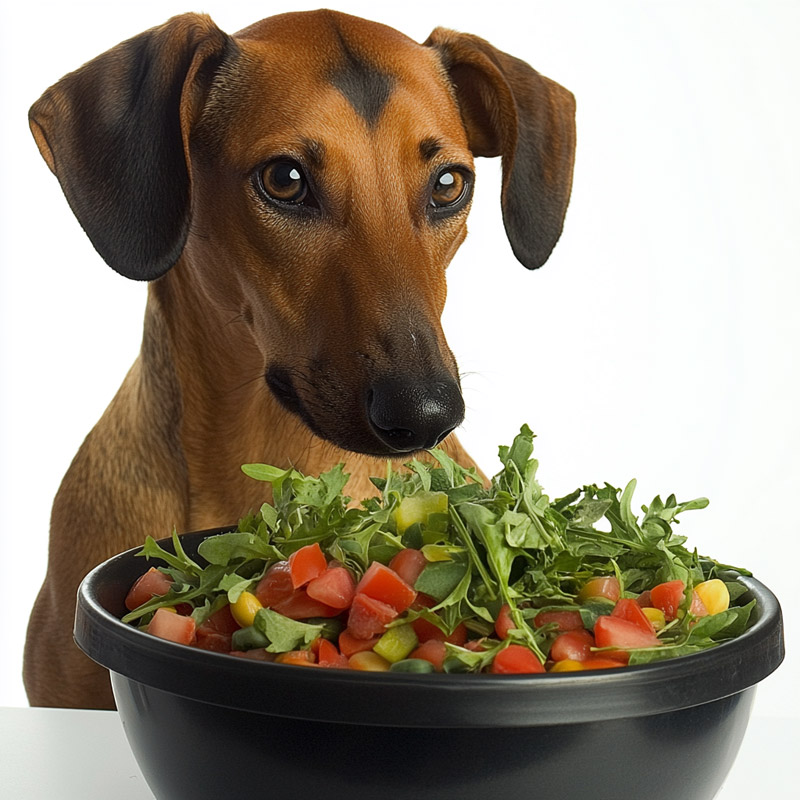
PetMD says a complete diet that meets AAFCO nutritional standards.
Portions stay modest because the breed is built tall and lean, and the goal is not to round the dog out.
Is the Azawakh a quiet dog?
Mostly at home, though not always around strangers. Zoetis Petcare lists the breed as quiet, while other breed profiles describe it barking to alert its pack when it senses an intruder.
What an Azawakh Costs After the Purchase
An Azawakh costs its owner time before money. More than two hours of exercise a day over a 12 to 14 year life adds up to at least 8,760 hours.
Neither the AKC nor The Kennel Club publishes a yearly cost, so the sensible order for the recurring commitments starts with a vet who treats sighthounds. Fenced space for off-lead sprints comes next, along with a warm coat and bed for cold, wet days.
The vet comes first because the other two can be sorted within days, while a thyroid problem or a misread of normal leanness needs someone who recognizes the breed.
The trade-off is a fixed daily schedule that holds in every kind of weather.
Figures in this article were last checked on 21 October 2026. A breed club longevity survey would replace the 12 to 14 year planning range.