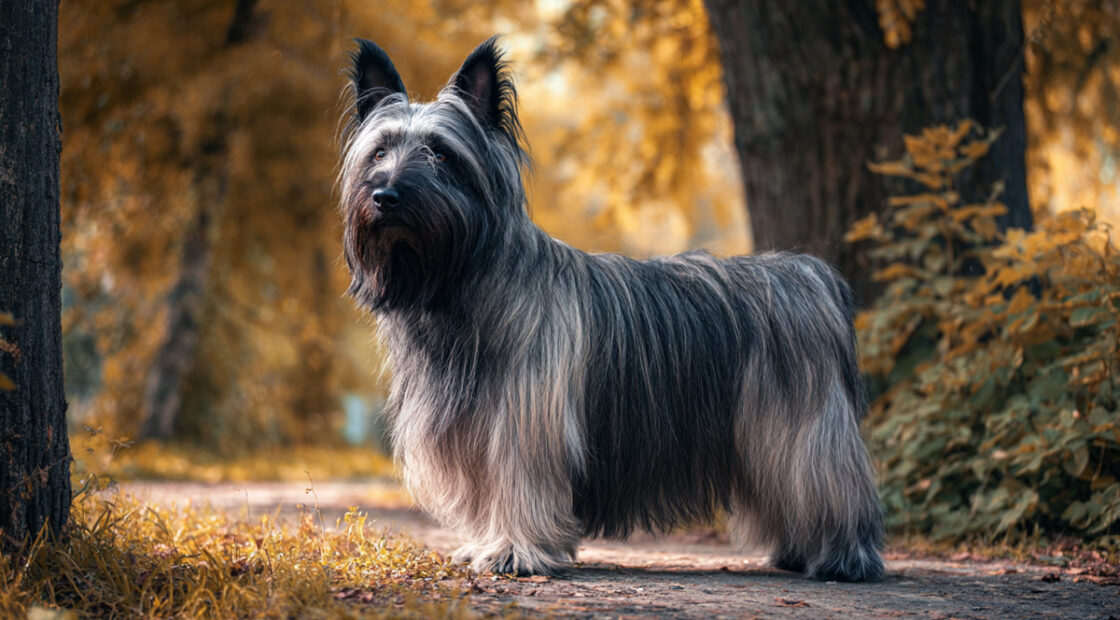
Few dog breeds carry themselves with the regal dignity of the Skye Terrier, yet this magnificent Scottish breed teeters on the edge of extinction. Once favored by Queen Victoria herself, these flowing-coated terriers from the rugged Isle of Skye now rank among the world’s rarest purebred dogs.
Understanding the Skye Terrier means appreciating both their aristocratic bearing and their complex care requirements. Their independent nature and extensive grooming needs make them unsuitable for casual dog ownership.
This comprehensive guide reveals everything potential owners need to know about this rare breed with Highland origins. You’ll discover their fascinating history, distinctive physical traits, and the realities of living with one of Scotland’s most endangered canine treasures.
From their ancient working dog roots to modern breed conservation efforts, we’ll explore what makes these dignified terriers so special and why their survival depends on dedicated, knowledgeable owners who understand their unique temperament and specialized care requirements.
Skye Terrier Breed Statistics
| Characteristic | Details |
|---|---|
| Size | Small to Medium |
| Height | 9-10 inches (23-25 cm) |
| Weight | 25-40 pounds (11-18 kg) |
| Life Expectancy | 12-14 years |
| Energy Level | Moderate |
| Exercise Needs | 30-45 minutes daily |
| Grooming Requirements | Very High – Daily brushing required |
| Shedding Level | Low to Moderate |
| Trainability | Moderate – Independent nature |
| Good with Children | Yes, with older children |
| Good with Pets | Moderate – Early socialization needed |
| Barking Level | Moderate |
| Climate Tolerance | Cold: Excellent / Heat: Poor |
| Apartment Living | Yes, with adequate exercise |
| First-Time Owner | Not recommended |
| Coat Type | Double coat, long and silky |
| Coat Colors | Black, blue, gray, silver, fawn, cream |
| Origin | Isle of Skye, Scotland |
| Breed Group | Terrier |
| AKC Recognition | 1887 |
| Rarity Level | Extremely rare |
| Annual Registrations | <30 in US |
| Price Range | $1,500 – $3,000+ |
| Common Health Issues | Degenerative disc disease, autoimmune conditions |
| Grooming Cost | $75-150 per session (every 6-8 weeks) |
Origins and Historical Background
Ancient Scottish Island Roots
The Skye Terrier’s story begins on the rugged Isle of Skye in the Scottish Highlands during the 1600s. This remote island provided the perfect breeding ground for a hardy working dog that could handle the harsh Highland Scotland terrain.
Local farmers needed a versatile terrier capable of hunting vermin in rocky crevices and stone walls. The breed developed naturally through selective breeding practices among Scottish crofters who valued function over form.
Early Working Dog Functions
These early Skye Terriers served multiple purposes on Scottish farms and estates. They excelled at controlling rat populations in barns and grain stores.
Their low-slung bodies and fearless nature made them perfect for pursuing foxes and badgers into their dens. The breed’s tenacious hunting instincts earned respect throughout the Scottish Highlands.
Unlike many modern companion animals, these working terriers had to earn their keep through daily labor. Their survival depended on their ability to perform essential pest control duties.
Connection to Highland Culture
The Skye Terrier became deeply woven into Highland Scottish culture during the Victorian era. Local clan leaders prized these dogs for their loyalty and courage.

Stories of heroic Skye Terriers spread throughout Scotland, cementing their place in Highland folklore. The most famous tale involves Greyfriars Bobby, though he was actually a Skye Terrier according to some historical accounts.
Royal Recognition and Popularity
Queen Victoria’s fascination with Scottish culture brought the Skye Terrier into the royal spotlight during the mid-1800s. Her endorsement transformed this working breed into a fashionable companion for the wealthy.
The royal connection sparked interest among European nobility. Victorian-era breeding programs focused more on appearance than working ability, beginning the breed’s transition from farm dog to show dog.
Victorian Era Breeding Programs
Dedicated breeders established the first formal breeding programs during the 1860s and 1870s. These programs emphasized the breed’s distinctive long coat and elegant proportions.
The Kennel Club in England provided official recognition, establishing breed standards that persist today. Show ring competition replaced farm work as the primary purpose for many Skye Terriers.
Show Ring Emergence in the 1800s
The breed made its debut at dog shows throughout Britain during the late Victorian period. Early dog show judges praised the Skye Terrier’s distinctive silhouette and flowing coat.
Competition success led to increased breeding activity across England and Scotland. However, this popularity proved short-lived as other terrier breeds captured public attention.
Breed Development Timeline
The first breed standard establishment occurred in 1886 when The Kennel Club officially recognized the Skye Terrier. This document described the ideal physical characteristics and temperament traits.
American Kennel Club recognition followed in 1887, bringing the breed to North American shores. Early American breeding programs relied heavily on imported Scottish bloodlines.
Key Bloodlines and Influential Breeders
Several influential kennels shaped the modern Skye Terrier during the early 20th century. The Clussexx kennel in England produced many champion bloodlines that influenced breeding programs worldwide.
Scottish breeders maintained the original working type while English kennels focused on show ring success. This division created subtle differences in type that persist in modern breeding programs.
Physical Characteristics and Appearance
Size and Build Standards

The Skye Terrier measures 9-10 inches at the shoulder for females and 10 inches for males. Weight ranges from 25-40 pounds, with males typically heavier than females.
Their body length should be twice their height, creating a distinctive low-slung silhouette. This unique proportion distinguishes them from other terrier breeds in the Terrier Group.
Body Proportions and Structure
The breed’s rectangular body shape reflects its original working purpose. Short legs and a long back allowed access to narrow spaces where prey might hide.
Their sturdy bone structure supports a surprisingly athletic build beneath the flowing coat. Proper proportions ensure efficient movement despite their unusual dimensions.
Gender Differences in Size
Male Skye Terriers typically display more substantial bone and overall presence. Females often appear more refined while maintaining the breed’s characteristic dignity.
Both sexes should exhibit the same basic proportions and coat quality. Size variations within the standard allow for individual differences while maintaining breed type.
Distinctive Coat Features
The double-layered coat represents the breed’s most striking feature. The soft, woolly undercoat provides insulation while the long, straight outer coat repels moisture.
Coat length can reach floor-length on well-maintained show dogs. The hair parts naturally down the center of the back, creating the breed’s signature appearance.
Length and Texture Requirements
Adult coat length should reach at least to the ground when the dog stands naturally. Puppies develop their full coat gradually, reaching maturity around 18-24 months of dog age.
The texture feels silky to the touch but maintains enough body to stand away from the skin. Regular grooming prevents matting while preserving the coat’s natural beauty.
Color Variations and Patterns

Skye Terrier colors include black, blue, dark gray, silver platinum, fawn, and cream. Black remains the most common color, followed by various shades of gray.
Darker colors often show lighter points on the ears, muzzle, and legs. Cream and fawn dogs may display darker ear tips and facial markings.
Seasonal Coat Changes
The undercoat sheds seasonally, typically during spring and fall transitions. Professional grooming during these periods helps manage the increased hair loss.
Winter coats grow thicker and more protective, while summer coats may appear slightly shorter. These natural adaptations reflect the breed’s Highland origins.
Facial Features and Expression
Skye Terrier eyes are dark brown and medium-sized, set well apart beneath heavy eyebrows. The expression should appear alert yet calm, reflecting the breed’s confident nature.
Their dark nose and tight lips create a pleasing profile. The overall head shape appears rectangular when viewed from above.
Eye Shape, Color, and Placement
Eyes should appear oval rather than round, with tight-fitting eyelids. Dark eye color is preferred regardless of coat color, though lighter shades may have slightly lighter eyes.
Proper eye placement contributes to the breed’s intelligent expression. Eyes set too close together or too far apart detract from the ideal head type.
Ear Set and Carriage Options
The breed standard recognizes both prick ears and drop ears as equally acceptable. Prick ears stand erect and well-feathered, while drop ears hang close to the head.
Both ear types should be of moderate size and heavily coated. Ear leather should feel thick but not coarse to the touch.
Muzzle Length and Bite Characteristics
The muzzle measures approximately half the total head length, creating balanced proportions. A scissors bite is preferred, though a level bite is acceptable.
Strong teeth and well-developed jaws reflect the breed’s terrier heritage. Bite problems can affect both function and appearance in show dogs.
Overall Head Shape and Proportions
The skull appears slightly longer than wide when viewed from above. Moderate stop provides definition between the skull and muzzle without creating an abrupt angle.
Heavy eyebrows and abundant facial hair can mask structural details. Experienced judges often examine the head structure through careful hands-on evaluation.
Movement and Gait
Natural walking patterns should appear effortless despite the breed’s unusual proportions. The front legs reach forward while the rear legs provide driving power.
Proper movement requires coordination between front and rear assemblies. Structural soundness becomes apparent when the dog moves at different speeds.
Running and Jumping Abilities
Despite their long coat and short legs, Skye Terriers possess surprising athletic ability. They can jump heights equal to their shoulder measurement when motivated.
Their working heritage demands functional movement capabilities. Exercise requirements include both physical activity and mental stimulation to maintain fitness.
Breed-Specific Movement Traits
The characteristic Skye Terrier gait features a smooth, ground-covering stride. Proper movement shows no tendency to roll or weave when viewed from front or rear.
Coat flow during movement adds to the breed’s elegance. A well-moving Skye Terrier appears to float across the ground beneath their flowing hair.
Temperament and Personality Traits
Core Behavioral Characteristics

The Skye Terrier embodies dignified independence combined with fierce loyalty to their chosen people. This rare breed maintains an air of royal bearing that matches their aristocratic history.
Their calm demeanor masks a strong-willed personality that requires consistent, respectful handling. Unlike many modern terrier breeds, they rarely display hyperactive tendencies.
Independent Thinking Patterns
Independent nature defines the Skye Terrier’s approach to daily life. They prefer making their own decisions rather than blindly following commands.
This self-reliance stems from centuries of working without direct human supervision. Smart owners learn to work with this trait rather than against it.
Loyalty and Bonding Tendencies
Once a Skye Terrier chooses their person, the bond becomes unbreakable. They often select one family member as their primary focus while remaining polite to others.
This intense loyalty can create challenges in multi-pet households. Early socialization helps prevent possessive behaviors toward their chosen human.
Alert and Watchful Nature
Natural wariness makes Skye Terriers excellent watchdogs despite their moderate size. They observe their surroundings constantly, noting any changes in routine or environment.
Their alert nature shouldn’t be confused with nervousness. Confident Skye Terriers assess situations calmly before reacting.
Dignified Demeanor
The breed’s regal bearing reflects their royal connections and selective breeding for temperament. They carry themselves with quiet confidence that commands respect.
This dignity extends to their interactions with both humans and other dogs. Skye Terriers rarely engage in undignified behavior or attention-seeking antics.
Social Interactions
Skye Terrier temperament varies significantly in social situations depending on their early experiences and training. Well-socialized dogs can be charming companions in appropriate settings.
Their reserved nature means they need time to warm up to new people and situations. Rushing social interactions often backfires with this thoughtful breed.
Behavior with Family Members
Within their family circle, Skye Terriers show their softer side. They enjoy quiet companionship and often follow their favorite person around the house.
Their interaction style tends toward subtle communication rather than demanding attention. Family dogs of this breed prefer being near their people rather than being handled constantly.
Interactions with Strangers
Stranger wariness is a hallmark of proper Skye Terrier temperament. They observe newcomers carefully before deciding whether to accept or ignore them.
This caution serves as protection rather than fear-based behavior. Once they accept someone, Skye Terriers can be graciously welcoming.
Multi-Pet Household Dynamics
Success in multi-pet households depends heavily on early socialization and careful introductions. Skye Terriers often prefer the company of larger, calmer dogs to small, energetic ones.
Their territorial instincts can create conflicts with other dogs of similar size. Supervision and management prevent most household disputes.
Children Compatibility Factors
Good with children describes well-socialized Skye Terriers who grow up with kids. However, their dignified nature makes them less tolerant of rough handling than many family breeds.
Older children who understand respectful interaction often develop wonderful relationships with these dogs. Very young children may find the Skye Terrier too reserved for their liking.
Intelligence and Trainability

Skye Terrier intelligence manifests differently than in eager-to-please breeds like the Golden Retriever. They possess keen problem-solving abilities but apply them selectively.
Their independent thinking means they question commands that seem pointless. Successful training requires patience and respect for their mental processes.
Learning Capacity and Memory
These dogs have excellent memories and rarely forget negative experiences. Mental stimulation through varied activities prevents boredom and destructive behaviors.
They learn quickly when motivated but may choose not to perform learned behaviors if they see no point. This selective obedience challenges inexperienced dog owners.
Problem-Solving Abilities
Natural problem-solvers, Skye Terriers often find creative solutions to obstacles. Their working heritage includes independent decision-making in challenging situations.
This cleverness can work against owners who underestimate their dog’s capabilities. Training methods must account for their analytical approach to learning.
Stubbornness Versus Compliance
What appears as stubbornness often reflects the breed’s need to understand the purpose behind requests. They respond better to logical training progressions than repetitive drilling.
Compliance comes through mutual respect rather than dominance. Harsh training methods typically backfire with this sensitive yet strong-willed breed.
Motivation and Reward Responses
Food motivation varies among individuals, with some showing strong interest in treats while others remain indifferent. Social rewards often prove more effective than food with this people-oriented breed.
Understanding each dog’s individual preferences leads to more successful training outcomes. What motivates one Skye Terrier may completely fail with another.
Exercise and Activity Requirements
Daily Exercise Needs

Moderate exercise suits the Skye Terrier’s temperament and physical structure better than intensive workouts. A daily walk of 30-45 minutes meets most of their activity requirements.
These dogs prefer steady, purposeful movement rather than high-energy play sessions. Their short legs and long back make them unsuitable for jogging or extensive running activities.
Minimum Activity Requirements
At minimum, adult Skye Terriers need two 15-20 minute walks per day. Indoor activities can supplement outdoor exercise during bad weather or busy schedules.
Puppies require shorter, more frequent exercise periods to avoid overexertion. Young dogs should not exceed 5 minutes of exercise per month of age, twice daily.
Age-Appropriate Exercise Levels
Senior Skye Terriers may need adjusted exercise routines as they age beyond 8-10 years. Shorter walks with more frequent rest stops accommodate aging joints and reduced stamina.
Adult dogs in their prime (2-7 years) can handle longer adventures like hiking on easy trails. Always monitor for signs of fatigue, especially during warm weather.
Indoor Versus Outdoor Activities
Apartment living works well for Skye Terriers when supplemented with regular outdoor excursions. They adapt readily to indoor lifestyles but still need fresh air and mental stimulation.
Outdoor time provides important sensory enrichment through new scents and sights. Even small yards offer valuable space for natural behaviors like patrolling and exploring.
Mental Stimulation Requirements
Puzzle games and interactive toys prevent boredom in this intelligent breed. Hide treats around the house or use food-dispensing toys to engage their problem-solving abilities.
Rotating toys weekly keeps their interest fresh. Simple cardboard boxes or paper bags can provide entertainment for curious Skye Terriers.
Training Session Frequency
Short, frequent training sessions work better than long, intensive ones. Five-minute sessions repeated 2-3 times daily maximize learning while respecting their attention span.
Positive reinforcement methods yield the best results with this sensitive breed. Harsh corrections damage the trust necessary for successful training relationships.
Boredom Prevention Strategies
Varied walking routes prevent routine boredom and provide mental stimulation. Environmental enrichment through different textures, sounds, and smells keeps walks interesting.
Window perches allow indoor observation of neighborhood activities. Many Skye Terriers enjoy watching birds, squirrels, and passing pedestrians from comfortable vantage points.
Activity Preferences

Most Skye Terriers prefer calm, structured activities over chaotic play. Sniffing expeditions around the neighborhood satisfy their natural curiosity and provide mental exercise.
They often enjoy gentle games of hide-and-seek or treasure hunts for hidden treats. Swimming is not typically favored due to their heavy coat and body proportions.
Weather Considerations
Cold weather tolerance is excellent thanks to their double coat and Highland origins. However, their low clearance makes them vulnerable to snow accumulation and ice.
Hot weather requires special precautions due to their thick coat and potential breathing difficulties. Early morning or evening walks prevent overheating during summer months.
Urban Versus Rural Living Adaptations
City living suits Skye Terriers well when owners provide adequate mental stimulation. Urban environments offer constant sensory input that many dogs find engaging.
Rural settings allow more freedom but require secure fencing due to their hunting instincts. Farm environments may trigger their natural prey drive toward small animals.
Grooming and Maintenance Needs
Coat Care Requirements
Daily brushing prevents matting and maintains the Skye Terrier’s signature flowing coat. Start at the skin and work outward using a slicker brush followed by a metal comb.
The grooming routine typically takes 20-30 minutes daily for pet dogs. Show dogs require more intensive care with specialized techniques and products.
Daily Brushing Techniques
Begin brushing at the rear end and work forward to prevent tangles from becoming worse. Section the coat into small areas and brush thoroughly before moving to the next area.
Pay special attention to areas prone to matting: behind the ears, under the legs, and around the neck. Use a detangling spray on particularly stubborn knots.
Professional Grooming Frequency
Most pet owners schedule professional grooming every 6-8 weeks for baths and trimming. Show dogs may need professional attention monthly or before each competition.
Professional groomers familiar with the breed understand proper coat care techniques. Not all groomers know how to handle the Skye Terrier’s unique coat requirements.
Seasonal Grooming Adjustments
Spring and fall coat changes require more intensive brushing during shedding periods. Undercoat removal tools help manage the increased hair loss during seasonal transitions.
Summer grooming may include slight trimming around the feet and sanitary areas. Winter coats should remain full-length for proper insulation and protection.
Tools and Equipment Needed
Essential grooming tools include:
- Slicker brush for daily maintenance
- Metal comb with both wide and narrow teeth
- Detangling spray for difficult mats
- Nail clippers designed for medium dogs
- High-quality dog shampoo and conditioner
Additional tools for advanced grooming include thinning shears and professional-grade dryers. Investment in quality tools pays off through better results and longer tool life.
Bathing and Hygiene
Bathing frequency should be every 4-6 weeks or when the coat becomes soiled. Over-bathing can strip natural oils and damage the coat texture.
Use lukewarm water and work shampoo thoroughly through all coat layers. Rinse completely to prevent skin irritation from soap residue.
Bathing Frequency Recommendations
Monthly baths suit most pet Skye Terriers unless they get into something messy. Show dogs may need weekly baths during active exhibition periods.
Dry shampooing between baths helps maintain cleanliness without over-washing. Baby powder or commercial dry shampoos work well for spot cleaning.
Nail Trimming Schedules
Nail trimming every 2-3 weeks prevents overgrowth and discomfort. Long nails can affect the dog’s gait and cause joint problems over time.
Use proper nail clippers and cut only the white tip, avoiding the pink quick. If you’re unsure, ask your veterinarian or groomer for demonstration.
Ear Cleaning Procedures
Weekly ear cleaning prevents wax buildup and infections in both prick and drop ear varieties. Drop ears require more frequent attention due to reduced air circulation.
Use veterinarian-approved ear cleaners and cotton balls, never cotton swabs. Clean only the visible portions of the ear canal to avoid damage.
Dental Care Routines
Daily tooth brushing prevents dental disease and maintains overall health. Start dental care early to accustom puppies to the routine.
Dental chews and special diets supplement but don’t replace regular brushing. Professional dental cleanings may be needed annually or as recommended by your veterinarian.
Show Grooming Standards
Competition grooming requires specialized skills and techniques beyond basic pet care. Show preparation can take several hours and involves precise scissoring and styling.
Professional show groomers understand breed-specific presentation requirements. Many successful exhibitors invest in professional grooming for important competitions.
Competition Coat Preparation
Show coats require months of careful maintenance to achieve proper length and condition. Coat conditioning treatments and protective wrapping may be necessary for serious competitors.
Diet and supplements can affect coat quality and growth rate. Consult with experienced breeders about optimal nutrition for show coat development.
Styling Techniques and Cuts
Pet grooming focuses on comfort and manageability rather than show ring perfection. Sanitary trims around private areas maintain hygiene without affecting overall appearance.
Foot trimming removes excess hair between toes and around pads. Light trimming around the eyes improves vision while maintaining the breed’s characteristic expression.
Health Profile and Common Concerns
Breed-Specific Health Issues

The Skye Terrier faces several health challenges common to long-backed breeds. Degenerative disc disease represents the most serious concern, affecting the spine’s ability to function properly.
Responsible breeders screen for genetic conditions and provide health certificates. Understanding potential health issues helps owners make informed decisions about veterinary care.
Degenerative Disc Disease Risks
This spinal condition affects many Skye Terriers due to their elongated body structure. Disc problems can range from mild discomfort to complete paralysis in severe cases.
Symptoms include reluctance to jump, difficulty climbing stairs, and changes in gait. Early detection through veterinary examination can slow progression and manage pain.
Prevention strategies include maintaining proper weight and avoiding high-impact activities. Ramps and steps help dogs navigate furniture without stressing their backs.
Autoimmune Conditions
Several autoimmune disorders affect the breed with varying frequency and severity. Autoimmune hemolytic anemia and immune-mediated thrombocytopenia occur more often in Skye Terriers than many breeds.
These conditions require prompt veterinary attention and long-term management. Blood tests can detect early signs before symptoms become severe.
Working with a veterinarian experienced in autoimmune diseases improves treatment outcomes. Some conditions respond well to treatment while others prove more challenging to manage.
Eye Problems and Screening
Progressive retinal atrophy and other hereditary eye conditions occur in some bloodlines. Annual eye examinations by veterinary ophthalmologists can detect problems early.
Reputable breeders provide eye clearances for breeding dogs. Ask to see current eye certificates when considering a puppy purchase.
Some eye conditions progress slowly while others cause rapid vision loss. Early detection allows for lifestyle adjustments and potential treatment options.
Skin Sensitivities
The breed’s dense coat can trap moisture and debris, leading to skin problems if not properly maintained. Hot spots and bacterial infections may develop in neglected coats.
Food allergies and environmental sensitivities affect some individuals. Working with a veterinary dermatologist helps identify triggers and develop management strategies.
Regular grooming and proper nutrition support healthy skin condition. Quality diet and omega fatty acid supplements often improve coat and skin health.
Preventive Care Measures
Regular veterinary checkups form the foundation of preventive health care. Annual examinations can detect problems before they become serious.
Establishing a relationship with a veterinarian familiar with the breed provides better long-term care. Specialists may be needed for specific conditions affecting the breed.
Regular Veterinary Checkups
Young dogs should see the veterinarian every 6 months for the first two years. Adult dogs benefit from annual examinations with bloodwork to monitor organ function.
Senior dogs (over 8 years) may need twice-yearly checkups to catch age-related changes early. Preventive care costs less than treating advanced diseases.
Discuss breed-specific health concerns with your veterinarian during routine visits. They can recommend appropriate screening tests and preventive measures.
Vaccination Schedules
Follow your veterinarian’s recommended vaccination protocol based on local disease risks and lifestyle factors. Core vaccines protect against serious diseases like rabies and distemper.
Non-core vaccines may be recommended based on exposure risks. Discuss the benefits and risks of each vaccine with your veterinary team.
Avoid over-vaccination by following evidence-based protocols. Titer testing can determine if booster vaccines are necessary for adult dogs.
Parasite Prevention

Monthly parasite prevention protects against fleas, ticks, heartworms, and intestinal parasites. Year-round protection is recommended in most geographic areas.
Different products protect against different parasites, so choose based on local risks. Your veterinarian can recommend the most appropriate products for your situation.
Regular fecal examinations detect intestinal parasites that prevention may miss. Some parasites require specific treatments beyond routine prevention.
Weight Management Strategies
Maintaining proper weight reduces stress on the spine and joints. Obesity significantly increases the risk of disc disease and other health problems.
Feed measured portions rather than free-feeding to control caloric intake. High-quality diets provide better nutrition with fewer calories than budget foods.
Regular exercise appropriate for the breed helps maintain muscle tone and healthy weight. Monitor body condition and adjust feeding as needed throughout life.
Lifespan and Aging Considerations
Average life expectancy for Skye Terriers ranges from 12-14 years with proper care. Some individuals live longer while others face health challenges that shorten their lives.
Genetic factors, diet, exercise, and veterinary care all influence longevity. Responsible breeding practices help ensure healthier, longer-lived dogs.
Senior Dog Care Adjustments
Aging dogs may need dietary changes, modified exercise routines, and more frequent veterinary monitoring. Joint supplements and pain management improve quality of life for arthritic dogs.
Cognitive changes can affect behavior and training in senior dogs. Patience and understanding help older dogs adjust to mental and physical changes.
Environmental modifications like non-slip rugs and raised food bowls improve comfort for aging pets. Orthopedic beds provide joint support for dogs with arthritis.
Quality of Life Maintenance
Regular assessment of comfort and function helps guide care decisions for aging dogs. Pain management through medication and alternative therapies improves daily life.
Maintaining mental stimulation and social interaction benefits senior dogs significantly. Gentle activities and continued training keep their minds active and engaged.
End-of-life decisions should focus on the dog’s comfort and dignity. Working with your veterinarian helps determine when quality of life concerns outweigh treatment benefits.
Training Approaches and Techniques
Basic Obedience Training

House training progresses steadily with consistent routines and patience. Skye Terriers respond well to crate training combined with frequent outdoor opportunities.
Establish regular feeding and potty schedules to build reliable habits. Their intelligent nature means they understand expectations quickly but may test boundaries occasionally.
House Training Methods
Crate training provides the foundation for successful housebreaking. Confinement in an appropriately sized space encourages natural den instincts and prevents accidents.
Take puppies outside immediately after meals, naps, and play sessions. Praise enthusiastically for outdoor success and clean indoor accidents without punishment or scolding.
Leash Training Strategies
Start leash training early with a lightweight collar and short sessions. Positive associations with the leash prevent future resistance and make walks enjoyable.
Begin indoors with brief periods wearing the collar and leash. Gradually increase duration and add movement before transitioning to outdoor walks.
Basic Command Teaching
Teaching “sit,” “stay,” and “come” forms the foundation of canine obedience. Short training sessions of 5-10 minutes prevent boredom and maintain focus.
Use high-value treats and enthusiastic praise for correct responses. End each session on a positive note to build enthusiasm for future training.
Behavioral Management
Excessive barking can become problematic without proper management and training. Identify triggers and redirect attention before barking becomes habitual.
Teach a “quiet” command using positive reinforcement methods. Never use bark collars or harsh corrections that can damage trust and worsen behavioral issues.
Excessive Barking Control

Address barking triggers through environmental management and training. Alert barking serves a purpose but should be controllable through commands.
Provide alternative behaviors like going to a specific spot when visitors arrive. Consistent practice and patience yield better results than punishment-based methods.
Digging Behavior Modification
Natural digging instincts may surface in yards or gardens. Designated digging areas satisfy this urge while protecting landscaping and flower beds.
Bury toys or treats in the approved digging spot to encourage proper use. Block access to forbidden areas and redirect digging behavior consistently.
Separation Anxiety Prevention
Early independence training prevents clingy behaviors that lead to separation anxiety. Practice short departures and gradually increase duration over time.
Create positive associations with alone time through special toys or treats. Avoid making departures and arrivals emotionally charged events that increase anxiety.
Advanced Training Possibilities
Agility training can work for athletic Skye Terriers despite their unique proportions. Low jumps and careful course design accommodate their physical limitations.
Focus on fun and relationship building rather than competition success. Their independent nature makes them thoughtful course runners rather than speed demons.
Agility and Performance Sports
Modify standard agility equipment to suit shorter legs and longer backs. Contact obstacles like ramps work better than high jumps for this breed.
Tunnel work often appeals to their terrier instincts and provides mental stimulation. Keep sessions short and positive to maintain engagement and prevent injury.
Therapy Dog Potential
Well-socialized Skye Terriers can excel as therapy dogs due to their calm demeanor. Their manageable size and gentle nature suit various therapeutic environments.
Extensive socialization and temperament evaluation determine suitability for therapy work. Not all individuals possess the right personality for this demanding role.
Specialized Skill Development
Scent work appeals to their natural hunting abilities and provides mental enrichment. Hide treats or toys to engage their powerful nose and problem-solving skills.
Tracking and nose work classes offer structured ways to develop these natural abilities. Many Skye Terriers find scent-based activities more engaging than traditional obedience.
Living Arrangements and Compatibility
Housing Requirements

Apartment living suits Skye Terriers well when combined with adequate exercise and mental stimulation. Their moderate activity level adapts to various living situations.
Stairs can pose challenges for their long backs, especially as they age. Ground-floor apartments or homes with ramps reduce spinal stress over time.
Space Needs and Limitations
Indoor space matters more than outdoor acreage for this breed. Comfortable indoor areas for resting and playing meet most of their spatial requirements.
They don’t need large yards but appreciate access to secure outdoor spaces. Small gardens or fenced areas provide sufficient room for natural behaviors.
Yard Requirements
Secure fencing prevents escapes and protects the dog from traffic and other dangers. Six-foot fencing typically contains most Skye Terriers effectively.
Underground invisible fencing may not work reliably with their independent nature. Physical barriers provide better security and peace of mind for owners.
Apartment Living Considerations
Noise considerations matter in close quarters with neighbors nearby. Proper training prevents excessive barking that disturbs apartment communities.
Elevator rides and hallway encounters provide socialization opportunities. Many apartment-dwelling Skye Terriers develop excellent urban manners through regular exposure.
Climate Adaptability
Temperature tolerance varies with individual coat density and conditioning. Their Highland origins provide excellent cold weather adaptation.
Hot, humid climates require extra precautions due to their heavy double coat. Air conditioning and limited outdoor time during heat waves prevent overheating.
Temperature Tolerance Ranges
Comfortable temperature ranges span from below freezing to about 75°F. Summer heat above 80°F requires careful monitoring and limited outdoor exposure.
Snow and cold rain rarely bother well-conditioned dogs. Their waterproof outer coat and insulating undercoat provide natural protection against harsh weather.
Seasonal Care Adjustments

Winter grooming maintains coat length for maximum warmth and protection. Summer trimming around feet and sanitary areas improves comfort without compromising coat quality.
Hydration needs increase during warm weather regardless of activity level. Fresh water should always be available, especially during temperature extremes.
Weather Protection Needs
Protective clothing is rarely necessary due to their natural coat insulation. However, booties may protect feet from ice, salt, and hot pavement.
Shelter from direct sun prevents overheating during outdoor activities. Shade and water access are crucial during any warm-weather exercise sessions.
Lifestyle Compatibility
Active families who enjoy moderate outdoor activities make ideal Skye Terrier owners. They appreciate adventure but don’t require extreme athletic pursuits.
Sedentary households can work if owners commit to providing adequate mental stimulation. Puzzle toys and training sessions substitute for some physical exercise needs.
Active Versus Sedentary Owners
Moderate activity levels match most family lifestyles better than high-energy breeds. Daily walks and weekend adventures satisfy their exercise requirements.
Couch potato owners must still provide basic exercise and mental stimulation. Lack of activity leads to behavioral problems and health issues over time.
Work Schedule Considerations
Full-time workers can successfully own Skye Terriers with proper preparation and support. Dog walkers or daycare may be necessary for very long work days.
Their independent nature means they tolerate alone time better than many breeds. However, they still need companionship and shouldn’t be isolated constantly.
Travel and Vacation Planning
Travel arrangements require advance planning due to their grooming needs and size restrictions. Many hotels and airlines have specific policies about medium-sized dogs.
Professional boarding facilities should understand breed-specific care requirements. Grooming maintenance continues even during short absences from home.
Breeding and Puppy Considerations
Responsible Breeding Practices
Health testing forms the foundation of ethical Skye Terrier breeding programs. Hip evaluations, eye clearances, and genetic screening protect future generations.
Reputable breeders participate in breed club activities and health research. They provide health certificates and remain available for lifetime support and guidance.
Health Testing Requirements

Essential health tests include hip evaluations and annual eye examinations by certified veterinary ophthalmologists. Genetic testing for autoimmune markers becomes more available as research advances.
Breeding dogs should have current health clearances before any mating occurs. Ask to see original certificates rather than accepting verbal assurances about health testing.
Breeder Selection Criteria
Kennel club registration provides basic verification but doesn’t guarantee quality or ethics. Research bloodlines, health records, and breeder reputation thoroughly before committing.
Visit breeding facilities in person to evaluate cleanliness and dog care standards. Well-cared-for breeding dogs indicate responsible practices and commitment to the breed.
Genetic Diversity Importance
Limited gene pools in rare breeds require careful breeding decisions to maintain diversity. Inbreeding coefficients help guide mating choices and prevent genetic bottlenecks.
International cooperation between breeders helps expand genetic diversity. Importing dogs from other countries may be necessary for breed health and survival.
Puppy Development Stages
Early socialization between 3-14 weeks shapes adult temperament and behavior. Responsible breeders expose puppies to various sights, sounds, and experiences during this critical period.
Neurological stimulation exercises benefit developing puppies significantly. Gentle handling and mild stresses improve adaptability and resilience in adult dogs.
Early Socialization Periods
The primary socialization window closes around 14-16 weeks of age. Positive experiences during this time prevent fearfulness and behavioral problems later in life.
Puppy classes provide structured socialization opportunities with other dogs and people. However, vaccination schedules may limit early class participation in some areas.
Growth Milestones
Physical development continues until 12-18 months for most Skye Terriers. Growth plates close gradually, with full skeletal maturity reached around 18 months.
Mental maturity develops more slowly, often continuing until 2-3 years of age. Patient training acknowledges this extended development period for best results.
Training Readiness Signs

Attention span increases gradually as puppies mature mentally and physically. Very young puppies may only focus for 2-3 minutes during training sessions.
Bladder control develops alongside physical growth and neurological maturity. Most puppies can hold their bladders for one hour per month of age during the day.
Cost Considerations
Initial purchase prices for well-bred Skye Terrier puppies typically range from $1,500-$3,000 or more. Show-quality dogs from champion bloodlines command higher prices than pet-quality puppies.
Factor in additional costs for health testing, registration, and early veterinary care. Reputable breeders often include initial vaccinations and health examinations in their pricing.
Initial Purchase Prices
Pet-quality puppies cost less than show prospects but still require the same health testing and care. Limited registration prevents breeding rights while maintaining full companion status.
Show potential commands premium pricing due to extensive health testing and careful breeding selections. However, no breeder can guarantee future show success in young puppies.
Ongoing Care Expenses
Annual veterinary costs include routine examinations, vaccinations, and preventive care. Budget $800-1,500 annually for basic health maintenance throughout the dog’s life.
Professional grooming every 6-8 weeks adds $75-150 per session depending on location and services. Quality nutrition, supplies, and unexpected medical expenses increase total ownership costs.
Emergency Medical Costs
Disc disease treatment can cost thousands of dollars for advanced cases requiring surgery. Pet insurance may offset some costs but often excludes pre-existing conditions.
Emergency fund recommendations suggest saving $2,000-5,000 for unexpected veterinary expenses. Some conditions like autoimmune diseases require ongoing expensive treatments and monitoring.
Breed Rarity and Conservation
Current Population Status

The Skye Terrier ranks among the rarest dog breeds in the world today. Annual registration numbers reflect a dramatic decline from their Victorian-era popularity peak.
Current estimates suggest fewer than 3,000 Skye Terriers exist globally. This small population creates serious concerns about long-term breed survival and genetic diversity.
Registration Numbers Worldwide
American Kennel Club registrations typically number fewer than 30 puppies annually. The Kennel Club in England reports similarly low registration figures despite the breed’s British origins.
These numbers place the Skye Terrier on various endangered breed lists. Many countries report zero annual registrations, indicating local extinction in some regions.
Regional Availability Differences
Scotland maintains the largest breeding population due to cultural connections and breed history. England and Ireland host small but dedicated breeding communities with established bloodlines.
North American breeders concentrate primarily in specific regions with breed club support. Australia and New Zealand have minimal breeding activity with occasional imports from Europe.
Endangered Breed Classifications
The Kennel Club lists the Skye Terrier among Britain’s Vulnerable Native Breeds. This classification highlights breeds with fewer than 300 annual registrations requiring conservation efforts.
Multiple canine organizations worldwide recognize the breed’s endangered status. Conservation groups actively monitor population trends and genetic diversity markers.
Population Decline Factors
Several factors contribute to the breed’s declining numbers over the past century. Modern lifestyle changes favor smaller, more manageable companion breeds over traditional working terriers.
Their extensive grooming requirements deter many potential owners. Competition from designer breeds and crossbreeds further reduces interest in purebred Skye Terriers.
Historical Population Peaks
The breed reached peak popularity during the Victorian era when royal endorsement made them fashionable. Queen Victoria’s patronage created widespread demand among the upper classes.
Post-World War periods saw temporary population recoveries followed by steady declines. The 1960s marked the beginning of the current population crisis affecting the breed.
Conservation Efforts
Breed preservation programs focus on maintaining genetic diversity while increasing population numbers. International cooperation between breeders helps share bloodlines and prevent inbreeding.
The Skye Terrier Club of America leads conservation efforts in North America. Similar organizations in other countries coordinate preservation activities and public education.
Breed Preservation Programs
Genetic diversity studies identify the most genetically valuable breeding stock. DNA testing helps breeders make informed decisions about mating combinations.
Frozen semen programs preserve genetic material from important stud dogs. This technology allows future access to bloodlines that might otherwise be lost through natural deaths.
Genetic Diversity Projects
Research initiatives map the breed’s genetic foundation and identify areas of concern. Limited gene pools require careful management to prevent further diversity loss.
Universities partner with breed clubs to study population genetics. These studies guide breeding recommendations and conservation strategies for maximum genetic preservation.
International Cooperation Initiatives
Global breeding databases track bloodlines and prevent duplication of limited genetic resources. Breeders share pedigree information to make informed outcrossing decisions.
Import/export programs facilitate movement of breeding stock between countries. Quarantine requirements and health certifications complicate but don’t prevent international exchanges.
Health Monitoring Programs

Centralized health databases track disease prevalence and inheritance patterns. This information helps breeders avoid producing affected offspring while maintaining genetic diversity.
Regular health surveys document emerging problems in the breed population. Early detection of new health issues allows for prompt research and management strategies.
Public Education Campaigns
Breed awareness programs educate potential owners about Skye Terrier characteristics and care requirements. Realistic expectations help reduce impulse purchases and subsequent abandonment.
Dog shows and breed demonstrations introduce the public to this rare breed. Social media campaigns reach younger demographics who might not encounter Skye Terriers otherwise.
Finding Skye Terriers
Reputable breeders represent the primary source for Skye Terrier puppies worldwide. Most established breeders maintain waiting lists due to limited production.
The scarcity means potential owners must often wait months or years for puppies. Research multiple breeders and expect extensive screening processes from responsible sources.
Reputable Breeder Locations
North American breeders cluster in regions with active breed club chapters. The Pacific Northwest, Northeast, and parts of Canada maintain small breeding programs.
European breeders concentrate in the United Kingdom with scattered programs across continental Europe. Australian breeders are extremely rare, often importing breeding stock from overseas.
Breeder Screening Process
Health testing requirements include hip evaluations, eye clearances, and available genetic tests. Reputable breeders provide documentation and allow verification of all health certifications.
Expect detailed questionnaires about lifestyle, experience, and long-term commitment. Many breeders require references and reserve the right to refuse sales based on suitability concerns.
Contract Requirements
Breeding rights typically cost significantly more than pet-quality puppies. Most pet sales include spay/neuter requirements and limited registration status.
Health guarantees vary between breeders but should cover major genetic defects. Co-ownership arrangements sometimes help breeders retain breeding rights while placing dogs in pet homes.
Rescue and Adoption Options
Breed-specific rescue organizations work to place displaced Skye Terriers in appropriate homes. These dogs may come from various backgrounds including owner surrenders and breeding program retirements.
Rescue dogs often require experienced owners due to potential behavioral or health issues. However, they provide opportunities to own the breed without supporting questionable breeding practices.
Regional Rescue Networks
Specialized rescue groups coordinate across large geographic areas due to the breed’s rarity. Most rescues maintain strict adoption criteria to ensure appropriate placements.
Foster programs provide temporary care while seeking permanent homes. Volunteers with breed experience are always needed for these conservation-focused rescue efforts.
Adult Dog Advantages

Mature dogs allow potential owners to see the actual adult temperament and size. Their grooming requirements and exercise needs are clearly established.
Health issues may be apparent in adult dogs, allowing informed adoption decisions. Retired breeding dogs often make excellent companions once spayed or neutered.
Waiting Lists and Availability
Extended waiting periods are normal when seeking Skye Terrier puppies from reputable sources. Some breeders maintain lists stretching 2-3 years into the future.
Multiple breeder contacts increase chances of earlier availability. However, avoid puppy mills or irresponsible breeders just to obtain a dog more quickly.
Import Considerations
International puppy purchases require extensive health certifications and quarantine procedures. Costs can exceed domestic prices significantly when including transportation and veterinary requirements.
Research foreign breeders thoroughly since personal visits may not be practical. Video calls and references help evaluate distant breeding programs before committing to purchases.
Future Sustainability
Long-term survival depends on increased public awareness and responsible breeding practices. Without intervention, the breed faces potential extinction within several decades.
Youth involvement in breed activities helps ensure future generations of dedicated breeders. Educational programs in schools and youth organizations can spark interest in rare breed conservation.
The breed’s future depends on balancing conservation needs with realistic ownership requirements. Successful preservation requires both dedicated breeders and committed pet owners willing to meet the breed’s unique needs.
FAQ on Skye Terrier
Are Skye Terriers good family dogs?
Skye Terriers can be excellent family dogs for the right households. They bond deeply with their chosen family but need early socialization with children.
Their dignified nature means they prefer calm, respectful interactions over rough play. Best suited for families with older children who understand gentle handling.
How much grooming do Skye Terriers need?
Daily brushing is required to prevent matting of their long, flowing coat. Professional grooming every 6-8 weeks maintains proper coat condition and hygiene.
The grooming commitment is substantial, taking 20-30 minutes daily. Their double coat requires specialized tools and techniques for proper maintenance.
Do Skye Terriers shed a lot?
Skye Terriers have minimal shedding compared to many breeds due to their coat texture. However, they do shed seasonally during spring and fall transitions.
Regular brushing captures loose hair before it falls around the house. Their long coat makes any shedding more noticeable than short-haired breeds.
How rare are Skye Terriers?
Extremely rare. Fewer than 30 puppies are registered annually with the American Kennel Club. Global population estimates suggest under 3,000 dogs worldwide.
They’re listed among Britain’s Vulnerable Native Breeds. Finding reputable breeders often requires extensive waiting lists and patience.
What health problems do Skye Terriers have?
Degenerative disc disease is the primary health concern due to their elongated spine. Autoimmune conditions and eye problems also occur in some bloodlines.
Responsible breeders conduct health testing including hip evaluations and eye clearances. Their average lifespan ranges from 12-14 years with proper care.
Are Skye Terriers easy to train?
Training requires patience due to their independent nature. They’re intelligent but prefer understanding the purpose behind commands rather than blind obedience.
Positive reinforcement works best with this sensitive breed. Harsh training methods damage trust and worsen behavioral issues significantly.
How much exercise do Skye Terriers need?
Moderate exercise suits their temperament and physical structure. Daily walks of 30-45 minutes meet most activity requirements without overexertion.
Their short legs and long back make them unsuitable for jogging or high-impact activities. Mental stimulation through puzzle games supplements physical exercise effectively.
Can Skye Terriers live in apartments?
Yes, apartment living works well for Skye Terriers when combined with adequate daily exercise. Their moderate activity level adapts to various living situations.
They’re generally quiet indoors and don’t require large yards. Regular walks and mental stimulation prevent behavioral problems in confined spaces.
What’s the difference between prick and drop ear Skye Terriers?
Both ear types are equally acceptable according to breed standards. Prick ears stand erect while drop ears hang close to the head.
The ear type doesn’t affect temperament or health. Both varieties require the same grooming attention and coat care throughout their lives.
How much do Skye Terrier puppies cost?
Purchase prices typically range from $1,500-$3,000 for pet-quality puppies from reputable breeders. Show-quality dogs command higher prices due to superior bloodlines.
Ongoing costs include professional grooming, quality nutrition, and potential health issues. Budget $2,000-$3,000 annually for proper care and maintenance.
Conclusion
The Skye Terrier represents a living piece of Scottish heritage that demands serious commitment from potential owners. Their complex grooming requirements and independent temperament make them unsuitable for first-time dog owners seeking easy companionship.
Responsible ownership means understanding their health risks, particularly degenerative disc disease, and budgeting for ongoing professional grooming costs. These aren’t weekend warriors but dignified companions who prefer structured routines over chaotic households.
Breed conservation efforts rely on dedicated individuals willing to preserve this endangered Scottish treasure. With fewer than 3,000 dogs worldwide, every breeding decision impacts the breed’s genetic future significantly.
Prospective owners must honestly assess their lifestyle compatibility before committing to this rare breed. Daily coat care, moderate exercise needs, and patient training approaches define successful Skye Terrier ownership.
Those who meet these requirements discover a loyal, intelligent companion with centuries of Highland breeding behind their regal bearing.