Picture a dog that can track a raccoon for miles through dense forest, then come home to curl up with your kids on the couch. The Treeing Walker Coonhound embodies this perfect balance of working drive and family devotion.
These American hunting dogs bring together speed, intelligence, and surprising gentleness in one athletic package. Their tricolor coats and melodic voices make them instantly recognizable among scent hounds.
Yet many potential owners struggle with conflicting information about their temperament and care needs. Some sources paint them as hyperactive hunting machines, while others claim they’re lazy couch potatoes.
This guide cuts through the confusion with practical insights from real Walker owners and breeders. You’ll discover their true exercise requirements, training challenges, and what daily life actually looks like with these energetic trackers.
We’ll cover everything from their hunting heritage to modern family life, helping you decide if this sweet-natured athlete fits your lifestyle.
Treeing Walker Coonhound Breed Statistics
| Characteristic | Details |
|---|---|
| Size | Medium to Large |
| Height | Males: 22-27 inches, Females: 20-25 inches |
| Weight | Males: 50-70 lbs, Females: 45-65 lbs |
| Life Span | 12-13 years |
| Energy Level | Very High |
| Exercise Needs | 2+ hours daily |
| Grooming | Low to Moderate |
| Shedding | Moderate |
| Training Difficulty | Moderate to High |
| Good with Kids | Excellent |
| Good with Pets | Good (with proper socialization) |
| Apartment Suitable | No |
| Barking Level | High |
| Climate Tolerance | Moderate (prefers temperate) |
| Health Issues | Hip dysplasia, ear infections |
| Coat Type | Short, dense |
| Colors | Tricolor (black, white, tan), bicolor variations |
| Origin | United States |
| Breed Group | Hound |
| Recognition | AKC, UKC |
| Hunting Ability | Excellent |
| Family Friendly | Very Good |
| Guard Dog Ability | Poor |
| Stranger Friendly | Good |
| Drooling | Low |
| Price Range | $400-$1,200 |
Meet the Treeing Walker Coonhound
These athletic hunting dogs pack serious energy into their lean frames. Originally bred for raccoon hunting in the American South, they’ve become beloved family pets who never lost their working instincts.
Breed Overview and Key Characteristics

Treeing Walker Coonhounds stand out among scent hounds for their speed and stamina. They typically weigh between 50-70 pounds, with males running slightly larger than females.
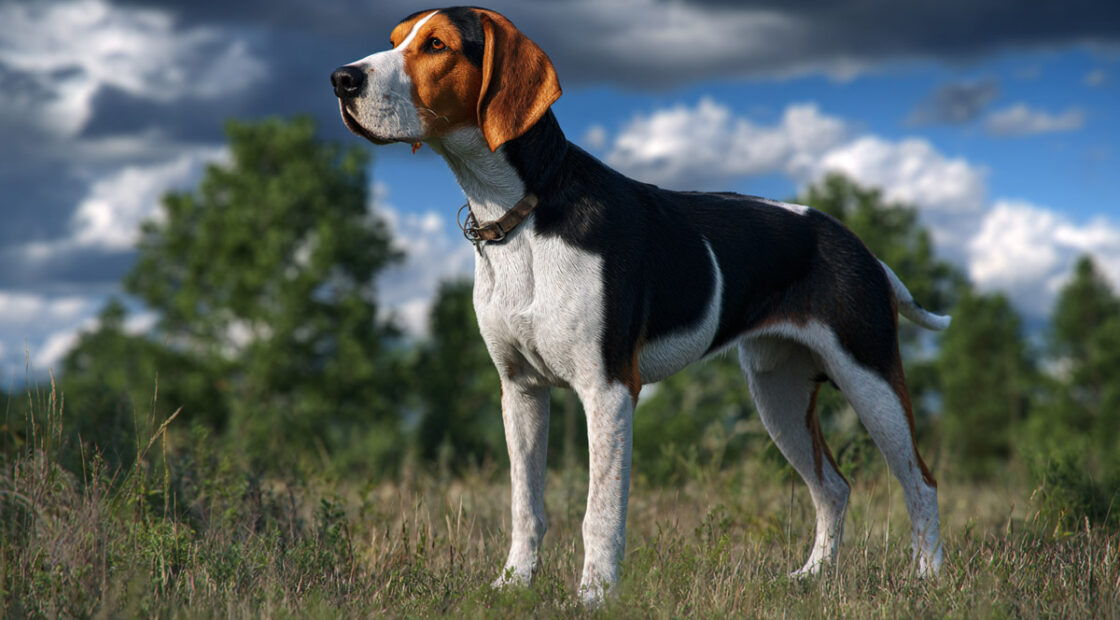
Their signature tricolor coat catches the eye immediately. Most sport the classic black, white, and tan combination that makes them instantly recognizable.
These dogs were built for endurance work. Long legs, deep chests, and muscular hindquarters give them the power to chase prey for miles through rough terrain.

Where This Breed Comes From
The breed traces back to colonial America when English Foxhounds arrived with early settlers. American Foxhound bloodlines contributed significantly to their development.
A dog named Tennessee Lead changed everything in the 1800s. This stolen hunting dog brought speed and drive that transformed the Walker strain into something special.
The Walker family refined these dogs for decades. They wanted hunters who could track fast, tree reliably, and work all night without quitting.
What Makes Them Special Among Hounds
Speed sets them apart from other coonhound varieties. While a Bluetick Coonhound takes its time on the trail, Walkers move with urgency.
Their voices tell the whole story of a hunt. These dogs “open” on scent, change their bark when tracking gets hot, and switch to a distinctive “tree bark” when prey goes up.
Most hounds specialize in one type of game, but Treeing Walkers adapt. They’ll tree raccoons, opossums, and even mountain lions with equal enthusiasm.
Physical Traits and Appearance
Size and Build Specifications

Males typically stand 22-27 inches at the shoulder. Females measure slightly smaller at 20-25 inches, but both sexes share the same athletic proportions.
Weight ranges from 45-65 pounds for females and 50-70 pounds for males. Working dogs often run leaner than their pet counterparts.
Their build screams “athlete” from nose to tail. Square shoulders, straight backs, and powerful hindquarters create the perfect running machine.
Coat and Color Patterns
The classic tricolor pattern dominates the breed. Black saddles cover the back and sides, with white bases and tan markings on the face and legs.
Some dogs sport bicolor variations. These typically show white and black or white and tan combinations, though they’re less common in show lines.
Their short, dense coat requires minimal grooming. Weekly brushing handles shedding, while baths only become necessary when they’ve been rolling in something questionable.
Distinctive Features
Those long, droopy ears aren’t just for show. They funnel scent particles toward the nose, making these dogs incredibly effective trackers.
Their eyes hold a gentle expression that contrasts with their intense hunting drive. Most have brown or hazel eyes that convey intelligence and warmth.
The tail carried high signals confidence and breeding. A proper Walker tail curves slightly upward but never curls over the back like a Basenji.
Temperament and Personality
The Sweet Side at Home

These dogs transform completely when the hunting gear comes off. The same animal that trees raccoons all night becomes a gentle couch companion by morning.
They form deep bonds with their families. Unlike some hunting breeds that remain aloof, Walkers crave human attention and affection.
Good with children barely covers it. These dogs seem to understand that little humans need extra gentleness, adjusting their energy accordingly.
Energy Levels and Activity Needs
Calling them “high energy” undersells the situation. These dogs need serious exercise every single day, preferably multiple sessions.
A quick walk around the block won’t cut it. They need running, hiking, or other vigorous activities that challenge both body and mind.
Mental stimulation matters just as much as physical exercise. Bored Walkers become destructive Walkers, finding creative ways to entertain themselves.
Social Behavior
Most get along well with other dogs, especially if socialized early. Their pack hunting background makes them naturally cooperative with canine companions.
Cats present a different challenge entirely. That prey drive doesn’t distinguish between wild game and house pets, making supervision critical.
They greet strangers with enthusiasm rather than suspicion. This friendliness makes them poor guard dogs but excellent ambassadors for their breed.
Early socialization shapes their adult personalities significantly. Puppies exposed to various people, places, and situations develop into more confident adults.
Some individuals can be more reserved, but aggression remains extremely rare in well-bred lines. Their gentle nature makes them unsuitable for protection work but perfect for families seeking active companions.
Hunting and Working Abilities
Natural Tracking Instincts

Scent detection abilities in these dogs border on supernatural. They can pick up trails hours old that humans would never notice.
Their noses contain roughly 300 million scent receptors. Compare that to our measly 6 million, and you understand why they excel at tracking work.
Most puppies show hunting instincts by 6 months old. You’ll see them put their noses down and start following invisible trails around the yard.
Treeing Behavior Explained
“Treeing” means chasing prey up a tree and holding it there with continuous barking. The dog stays at the base while alerting hunters to the location.
Their tree bark sounds different from trail barking. It’s more urgent, higher-pitched, and maintains a steady rhythm that carries for miles.
Raccoons make up their primary targets, but they’ll tree almost anything that climbs. Opossums, squirrels, and even cats can trigger this behavior.
The instinct runs so strong that pet Walkers often “tree” cats in backyards. This creates obvious problems for neighborhood relations.
Voice Signals During Hunts
These dogs talk constantly while working. Each bark pattern tells experienced hunters exactly what’s happening on the trail.
- Opening bark: Deep, measured baying when first striking scent
- Trail bark: Faster, more excited barking while following hot trail
- Tree bark: High-pitched, continuous barking at treed prey
- Lost bark: Frustrated chopping when trail goes cold
A good Walker changes their voice automatically as conditions change. No training required for this natural communication system.
Training for Hunting Work
Starting young produces the best hunting dogs. Most serious hunters begin basic training around 4-6 months of age.
Scent training starts with simple games. Hide treats around the yard and encourage the puppy to find them using their nose.
Advanced hunters often train with live game in controlled settings. This controversial practice remains legal in many hunting states.
Competition hunting requires months of preparation. Dogs must learn to work independently while staying within hearing range.
Training and Behavior Management
Basic Obedience Training

House training these intelligent dogs happens relatively quickly. Most learn bathroom routines within 2-3 weeks with consistent schedules.
Leash training becomes critical for this breed. Their hunting instincts make off-leash adventures potentially dangerous for local wildlife.
Basic commands like sit, stay, and come work best with positive reinforcement. Food rewards motivate most Walkers better than praise alone.
Common Training Challenges
Recall training frustrates many Walker owners. Once they catch an interesting scent, the world disappears around them.
Start recall work in enclosed areas before attempting it outdoors. Even well-trained Walkers can “forget” their names when hunting instincts kick in.
Excessive barking tops the complaint list from neighbors. These vocal dogs express everything through sound.
Teaching “quiet” commands early prevents problems later. Use treats and praise when they stop barking on command.
Dealing with Hound-Specific Challenges
Prey drive responses need careful management in suburban settings. Beagle owners face similar challenges with smaller packages.
Counter-surfing becomes an art form for food-motivated Walkers. Their height and determination make kitchen raids almost inevitable.
Escape artists emerge when boredom strikes. These athletic dogs can clear 6-foot fences without much effort.
Positive Training Methods
Consistency matters more than intensity with these sensitive dogs. Daily short sessions work better than weekly marathon training.
They respond well to clicker training methods. The precise timing helps them understand exactly which behaviors earn rewards.
Patience becomes your greatest training tool. Hounds think differently than herding breeds or working dogs like the German Shepherd Dog.
Most Walkers hit adolescence around 12-18 months. Expect some regression in training during this testing phase.
Exercise and Activity Requirements
Daily Exercise Minimums

These dogs need serious exercise every single day. A tired Walker makes a good house pet; an energetic one becomes destructive.
Plan for at least 2 hours of vigorous activity daily. This includes running, hiking, or structured play sessions.
Age matters when planning exercise routines. Puppies under 18 months need shorter, more frequent sessions to protect developing joints.
Walking and Running Needs
Simple neighborhood walks barely register as exercise for adult Walkers. They need activities that challenge their endurance and speed.
Jogging partners find these dogs nearly inexhaustible. They can maintain steady paces for miles without showing fatigue.
Off-leash running provides the best exercise when safely contained. Fenced dog parks or private property work well for this purpose.
Mountain biking with a properly conditioned Walker creates the perfect partnership. Their stamina matches human endurance sports perfectly.
Mental Enrichment Activities
Physical exercise alone won’t satisfy these intelligent hunters. Mental stimulation prevents boredom-related behavior problems.
Hide treats around the house and let them “hunt” for dinner. This taps into natural foraging instincts.
Puzzle toys designed for large, determined dogs work well. Avoid anything too easily destroyed by powerful jaws.
Scent Games and Training
Set up simple tracking exercises in your backyard. Drag treats along the ground and encourage them to follow the trail.
Nose work classes provide structured mental challenges. Many communities offer beginner courses for pet dogs.
Hide and seek games with family members combine mental and physical exercise. Kids especially enjoy this interactive play.
Rotate toys regularly to maintain interest. What excites them today might bore them next week.
Suitable Activities and Sports
Hiking partners don’t get much better than Walkers. Their endurance and trail sense make them ideal outdoor companions.
Trail running with these athletic dogs pushes human fitness levels. They excel at maintaining steady paces over long distances.
Organized Hunting and Competition
Field trials test natural hunting abilities in controlled environments. Dogs compete on tracking speed, accuracy, and treeing ability.
Coonhound events happen regularly across hunting regions. Even pet Walkers can participate in fun matches and training days.
Dock diving appeals to many Walkers who enjoy water activities. Their athletic build translates well to jumping sports.
Tracking tests through kennel clubs provide mental challenges without live game. These events focus purely on scent work abilities.
Weight pulling competitions showcase their power and determination. Proper conditioning prevents injury in these strength sports.
Health Considerations
Common Health Issues

Hip dysplasia affects many large, athletic breeds including Walkers. This genetic condition causes joint malformation that leads to arthritis and mobility problems.
Responsible breeders screen parent dogs before breeding. Ask for hip certification scores when considering a puppy from any breeder.
Eye problems occasionally surface in the breed. Progressive retinal atrophy and cataracts can develop as dogs age, though serious issues remain relatively uncommon.
Ear Health and Infections
Those beautiful droopy ears create perfect conditions for bacterial growth. Poor air circulation and moisture retention make ear infections a constant concern.
Weekly ear cleaning prevents most problems. Use veterinarian-approved solutions and cotton balls to gently clean visible areas.
Chronic ear infections signal underlying allergies or anatomical issues. Don’t ignore recurring problems that seem to clear up and return repeatedly.
Swimming and bathing require extra ear care. Always dry ears thoroughly after water exposure to prevent bacterial overgrowth.
Preventive Care Needs
Regular veterinary checkups catch problems before they become serious. Adult dogs need annual exams, while seniors benefit from twice-yearly visits.
Vaccination schedules for hunting dogs may differ from house pets. Discuss rabies, distemper, and leptospirosis with your vet based on exposure risks.
Parasite prevention becomes critical for dogs spending time outdoors. Heartworm, fleas, and ticks pose constant threats in hunting environments.
Dental care often gets overlooked in working breeds. Regular brushing and professional cleanings prevent painful tooth loss later in life.
Lifespan and Aging
Most Walkers live 12-13 years with proper care. Active dogs often maintain good health longer than their sedentary counterparts.
Senior care considerations begin around 8-9 years of age. Joint supplements, modified exercise routines, and more frequent vet visits help maintain quality of life.
Cognitive changes may appear in very old dogs. Mental stimulation and consistent routines help aging brains stay sharp longer.
Watch for subtle signs of discomfort in stoic hunting dogs. They often hide pain better than more expressive breeds like Golden Retriever.
Living Arrangements and Housing
Ideal Home Environment

Rural properties provide the perfect setting for these energetic hunters. Space to run and interesting scents to investigate keep them mentally satisfied.
Suburban homes can work with proper exercise and management. Expect more intensive daily commitments to meet their activity needs.
Privacy-fenced yards become essential for safe off-leash exercise. These dogs will chase anything that moves, making secure containment critical.
Fencing Requirements and Considerations
Six-foot fencing represents the minimum height for containing athletic Walkers. Determined dogs can clear shorter barriers without much effort.
Underground fencing fails miserably with high-drive hunting dogs. Their prey instincts override shock collar corrections when interesting scents appear.
Check fence lines regularly for digging attempts. Bored or frustrated Walkers become escape artists with impressive tunneling skills.
Gates need secure latches that curious noses can’t manipulate. These intelligent dogs quickly learn to open simple mechanisms.
Indoor Living Considerations
House manners develop best when dogs have clear rules and consistent enforcement. Labrador Retriever owners face similar challenges with food-motivated, energetic breeds.
Furniture boundaries require early establishment. Decide whether couches and beds are off-limits before bringing a puppy home.
Crate training provides safe spaces and prevents destructive behavior when unsupervised. Adult-sized crates accommodate growing puppies for years.
Climate control matters more than many realize. These short-coated dogs appreciate warm homes during winter months.
Space and Exercise Needs Indoors
Large homes accommodate energetic Walkers better than cramped apartments. They need room to move around between outdoor exercise sessions.
Hallway games and indoor fetch help burn energy during bad weather. Protect breakable items from enthusiastic play sessions.
Mental enrichment becomes even more important in confined spaces. Puzzle toys and training sessions prevent boredom-related destruction.
Sleeping arrangements often evolve over time. Many Walkers start in crates and graduate to bedroom privileges as they mature.
Not Suitable Living Situations
Apartment living creates challenges that most Walker owners can’t overcome. The exercise requirements and vocal nature clash with close neighbors.
Homes without secure outdoor access make daily exercise logistics nearly impossible. These dogs need safe spaces to run freely.
Noise-restricted communities and Walker ownership don’t mix well. Their hunting heritage includes loud, frequent vocalizations that carry long distances.
Elderly or physically limited owners struggle with the exercise demands. These powerful dogs need handlers who can match their energy levels.
Nutrition and Feeding
Dietary Requirements by Life Stage

Puppy nutrition requires high-quality protein for proper growth and development. Large breed puppy formulas prevent developmental orthopedic problems.
Growth happens rapidly between 4-12 months of age. Monitor weight gain carefully to avoid stressing developing joints with excess pounds.
Adult maintenance diets should contain at least 22% protein for active dogs. Working or hunting Walkers may need performance formulas with higher protein levels.
Senior Nutritional Adjustments
Senior dog diets often feature reduced calories and added joint support ingredients. Glucosamine and chondroitin help maintain aging cartilage.
Kidney function may decline with age, making phosphorus restriction important. Regular blood work guides dietary modifications for older dogs.
Dental issues in seniors sometimes require softer food textures. Wet food or soaked kibble helps dogs with missing or painful teeth.
Weight management becomes more challenging as activity levels naturally decrease. Monitor body condition closely and adjust portions accordingly.
Food Quality and Type Recommendations
High-quality protein sources should top the ingredient list. Look for named meats like chicken, beef, or fish rather than generic “meat meals.”
Grain-free diets aren’t necessary for most Walkers unless specific allergies exist. Recent research suggests some grain-free formulas may contribute to heart problems.
Working dogs benefit from performance nutrition during hunting seasons. Higher fat content provides sustained energy for long days in the field.
Avoid foods with excessive fillers, artificial colors, or by-products. These add calories without nutritional value and may trigger digestive issues.
Feeding Schedule and Portion Control
Meal timing matters for active breeds prone to bloat. Feed 2-3 smaller meals rather than one large daily portion.
Free-feeding rarely works with food-motivated Walkers. Scheduled meals help maintain proper weight and prevent resource guarding.
Measure portions carefully using standard measuring cups. “Eyeballing” food amounts leads to gradual weight gain over time.
Post-exercise feeding increases bloat risk in deep-chested breeds. Wait at least 30 minutes after vigorous activity before offering meals.
Treating and Supplement Guidelines
Training treats should comprise no more than 10% of daily calories. Factor treat calories into total daily intake to maintain proper weight.
High-value rewards like freeze-dried meat or cheese work best for recall training. Save special treats for the most important commands.
Joint supplements may benefit working dogs or those with hip dysplasia. Consult your veterinarian before starting any supplement regimen.
Avoid giving table scraps or human food as treats. Many common foods prove toxic to dogs, and feeding from the table encourages begging behavior.
Grooming and Maintenance
Regular Grooming Needs
Weekly brushing handles most shedding with these short-coated dogs. A rubber curry brush or slicker brush removes loose hair effectively.
Shedding increases during spring and fall coat changes. Daily brushing during these periods prevents hair tumbleweeds around the house.
Baths only become necessary when they’ve rolled in something awful. Over-bathing strips natural oils and can cause skin irritation.
Brushing Tools and Techniques
Rubber grooming gloves work well for quick daily touch-ups. They remove loose hair while feeling like petting to the dog.
Slicker brushes handle deeper coat maintenance during heavy shedding seasons. Work in sections from head to tail for thorough coverage.
Pin brushes help fluff the coat after slicker brush sessions. This finishing touch leaves them looking polished and show-ready.
Bristle brushes distribute natural oils for a healthy shine. Use these as the final step in your grooming routine.
Ear and Eye Care
Those droopy ears need weekly cleaning to prevent bacterial buildup. Use cotton balls and vet-approved ear cleaning solutions.
Never use cotton swabs inside the ear canal. Stick to cleaning only the visible portions of the ear flap and opening.
Check for redness, swelling, or foul odors during cleaning sessions. These signs indicate infections requiring veterinary attention.
Eye health monitoring becomes routine with regular grooming. Look for discharge, cloudiness, or irritation during weekly sessions.
Cleaning Techniques and Prevention
Start ear cleaning early to build tolerance. Many adult dogs resist ear handling if not acclimated as puppies.
Reward calm behavior during cleaning with treats and praise. Make grooming sessions positive experiences rather than wrestling matches.
Swimming and hunting dogs need extra ear attention. Water and debris increase infection risks significantly.
Dry ears thoroughly after water exposure using clean towels. Trapped moisture creates perfect conditions for bacterial growth.
Nail and Dental Care
Nail trimming frequency depends on activity levels and surfaces. Active dogs on concrete wear nails naturally, while house pets need monthly trims.
Start nail handling early with puppies to build tolerance. Many adult dogs develop strong aversions to nail care without early conditioning.
Grind slowly if using rotary tools to avoid overheating the nail. Quick, confident cuts work better than hesitant nibbling.
Watch for the pink quick inside each nail. Cutting into this area causes bleeding and pain that dogs remember.
Dental Hygiene Importance
Daily brushing prevents tartar buildup and gum disease in dogs just like humans. Use dog-specific toothpaste, never human varieties.
Dental chews and toys provide supplemental cleaning between brushing sessions. Choose appropriately sized items that won’t break apart.
Professional cleanings become necessary despite home care. Most dogs need veterinary dental work every 2-3 years.
Bad breath signals dental problems beyond normal “dog breath.” Schedule veterinary exams when odors become offensive.
Finding and Choosing a Treeing Walker Coonhound
Reputable Breeder Selection

Health testing separates responsible breeders from backyard operations. Hip, elbow, and eye clearances should be standard for breeding dogs.
Ask to see health certificates from both parents. Legitimate breeders proudly display testing results and pedigree information.
Visit the breeding facility to meet parent dogs and see living conditions. Clean, well-socialized dogs indicate proper care standards.
References from previous puppy buyers provide honest feedback about breeder practices. Contact several families to gather different perspectives.
Questions to Ask Breeders
How long have you been breeding Walkers? Experience matters when selecting for temperament and health traits.
What activities do the parent dogs participate in? Working bloodlines often produce better hunters than show-only breeding.
Do you provide health guarantees and return policies? Responsible breeders stand behind their puppies with written contracts.
When can puppies go home? Ethical breeders keep litters until 8 weeks minimum for proper socialization.
Red Flags to Avoid
Multiple litters available simultaneously suggest puppy mill operations. Quality breeders focus on one or two litters annually.
Pressure tactics to buy immediately indicate profit motives over puppy welfare. Good breeders want the right matches for their dogs.
Reluctance to show parent dogs or facilities raises serious concerns. Legitimate operations welcome educated buyers.
Puppies available year-round signal commercial breeding rather than careful planning. Quality litters require significant preparation time.
Puppy Mill Warning Signs
Dogs kept in outdoor kennels without human interaction produce poorly socialized puppies. Family-raised litters integrate better into homes.
No health testing or vague claims about “healthy bloodlines” indicate corners being cut. Demand specific certification numbers.
Meeting locations away from breeding facilities suggest hidden conditions. Always insist on seeing where puppies live.
Cash-only transactions and no paperwork indicate unregistered, potentially unhealthy breeding practices.
Rescue and Adoption Options
Breed-specific rescues focus exclusively on coonhounds and understand their unique needs. These organizations often have extensive knowledge about individual dogs.
Many rescued Walkers come with basic training and socialization. Adult dogs past the destructive puppy phase appeal to many families.
Foster-based rescues provide detailed temperament information. Foster families know dogs’ personalities, quirks, and preferences intimately.
Adoption fees typically include spaying/neutering, vaccinations, and microchipping. This represents significant savings over purchasing puppies.
Adult Dog Adoption Benefits

House training often comes completed with adult rescues. This eliminates one of the most challenging aspects of puppy ownership.
Established personalities help match dogs to appropriate families. No guessing about eventual size, energy levels, or temperament traits.
Working ability assessments may be available for rescued hunting dogs. Some organizations test dogs on live game before placement.
Senior dogs make wonderful companions for less active families. Older Walkers often need only moderate exercise and companionship.
Puppy Selection Guidelines
Temperament testing helps identify puppies suited to specific homes. Simple tests reveal confidence levels, reaction to handling, and social tendencies.
Choose puppies that approach confidently without overwhelming boldness. Extremely shy or overly aggressive responses indicate potential problems.
Health checks should include clear eyes, clean ears, and steady gaits. Avoid puppies showing signs of illness or developmental issues.
Meeting littermates provides context for individual personalities. Compare energy levels, social skills, and responses to stimulation.
Meeting Parent Dogs
Mother dogs should be friendly and social with strangers. Fearful or aggressive mothers often pass these traits to offspring.
Father dogs may not live on-site, but pictures and information should be readily available. Genetic contribution comes from both parents equally.
Ask about the dog age of breeding animals. Very young or very old parents increase health risks for puppies.
Observe parent-puppy interactions when possible. Good mothers provide gentle correction and guidance to developing youngsters.
FAQ on Treeing Walker Coonhound
Are Treeing Walker Coonhounds good family pets?
Yes, they make excellent family pets with proper exercise and training. Their gentle temperament with children contrasts sharply with their intense hunting drive, creating loyal companions who thrive in active households.
How much exercise do they need daily?
These energetic dogs require 2+ hours of vigorous exercise daily. Walking won’t suffice – they need running, hiking, or structured activities that challenge their athletic abilities and mental stimulation needs.
Do they bark excessively?
Frequent barking comes naturally to these vocal hounds. They communicate through different bark patterns while tracking, which translates to neighborhood noise without proper training and mental enrichment activities.
Can they live in apartments?
Apartment living proves challenging for most Walkers. Their exercise requirements and vocal nature clash with close neighbors. Rural properties or homes with large, securely fenced yards suit them better.
Are they easy to train?
Training requires patience due to their independent hound mentality. They respond well to positive reinforcement but struggle with recall when scent trails capture their attention during outdoor activities.
How do they get along with other pets?
They typically socialize well with other dogs, especially if raised together. However, their strong prey drive makes supervision necessary around cats and small animals that trigger hunting instincts.
What health problems do they face?
Hip dysplasia and ear infections represent the primary health concerns. Regular veterinary care, ear cleaning, and choosing puppies from health-tested parents help prevent most genetic issues.
How long do they typically live?
Most Walkers live 12-13 years with proper care. Active dogs often maintain better health longer than sedentary ones, making regular exercise beneficial for longevity and quality of life.
Are they good with children?
These gentle dogs show remarkable patience with kids. Their sweet temperament at home contrasts with their intense working drive, making them protective yet gentle family companions who adjust energy to situations.
Do they shed much?
Moderate shedding occurs year-round with seasonal increases during spring and fall coat changes. Weekly brushing manages most loose hair, while rubber grooming gloves help with daily maintenance routines.
Conclusion
The Treeing Walker Coonhound represents a unique blend of American hunting heritage and modern family companionship. These athletic dogs bring unwavering loyalty and surprising gentleness to households willing to meet their substantial needs.
Success with this breed requires honest assessment of your lifestyle and commitment levels. Their working dog heritage demands daily physical challenges and mental stimulation that casual pet owners often underestimate.
Rural families with active lifestyles find these scent hounds perfectly suited to their environments. Urban owners face greater challenges but can succeed with dedicated exercise routines and proper training consistency.
Responsible breeding and early socialization create the foundation for well-adjusted adults. Whether choosing puppies from reputable breeders or adopting from rescue organizations, thorough research prevents future disappointments.
These remarkable canine athletes reward dedicated owners with years of adventure and affection. Their sweet nature at home balances their intense drive in the field, making them ideal partners for those seeking both hunting companions and beloved family pets.