Picture a small dog with the confidence of a Great Dane and the independence of a cat. That’s the Tibetan Spaniel in a nutshell.
These ancient monastery dogs aren’t actually spaniels at all, despite their misleading name. For over 2,000 years, they’ve served as loyal companions and watchful guardians in Buddhist temples across Tibet’s mountain peaks.
Modern dog owners often underestimate these compact canines. Their dignified demeanor masks a spirited personality that demands respect and understanding.
This guide covers everything you need to know about Tibetan Spaniel traits, from their distinctive physical characteristics to their complex temperament. You’ll discover whether this independent breed matches your lifestyle and learn practical training strategies for their strong-willed nature.
By the end, you’ll understand why these small watchdogs capture hearts worldwide while challenging even experienced dog owners.
Tibetan Spaniel Breed Statistics
| Characteristic | Details |
|---|---|
| Size | Small |
| Weight | 9-15 pounds |
| Height | 10 inches |
| Lifespan | 12-15 years |
| Exercise Needs | Moderate (20-30 minutes daily) |
| Grooming Requirements | Moderate (weekly brushing, seasonal shedding) |
| Training Difficulty | Moderate to difficult (independent nature) |
| Good with Children | Better with older children (8+ years) |
| Good with Pets | Yes (especially cats) |
| Apartment Living | Excellent |
| Barking Level | Low to moderate (selective barking) |
| Shedding | Moderate (seasonal heavy shedding) |
| Energy Level | Moderate |
| Temperament | Independent, alert, confident, loyal |
| AKC Group | Non-Sporting |
| Origin | Tibet |
| Coat Type | Double coat, silky |
| Common Colors | Golden, red, black/tan, cream, parti-color |
| Climate Tolerance | Good in cold, moderate in heat |
| Watchdog Ability | Excellent |
| First-Time Owner | Possible with patience |
| Activity Requirements | Low to moderate |
| Social Needs | Moderate (independent but loyal) |
| Health Issues | Generally healthy (eye conditions, joint issues) |
| Cost Range | $1,200-2,500 (purchase) |
| Annual Care Cost | $800-1,200 |
Meet the Tibetan Spaniel
These compact companions stand apart from typical spaniel breeds in fascinating ways. Despite their name, Tibetan Spaniels aren’t true spaniels at all.
Ancient Origins in Buddhist Monasteries
Monastery dogs lived alongside Buddhist monks for over 2,000 years in Tibet’s remote mountain temples. These loyal companions served as prayer wheel turners and watchful guardians.
The breed’s history intertwines with Tibetan culture and spiritual practices. Monks valued these small dogs for their alertness and devotion.
Why They’re Called Spaniels
Early European explorers mistakenly classified them with spaniel breeds due to their size. The resemblance to Cavalier King Charles Spaniel and other toy breeds created confusion.
True spaniels were bred for hunting and retrieving. Tibetan Spaniels developed as companion dogs and temple guardians instead.

Size Profile and Quick Facts
Adult dogs typically weigh 9-15 pounds and stand 10 inches tall. Females often measure slightly smaller than males.
Their compact build makes them ideal apartment dwellers. These small dogs pack impressive personality into their tiny frames.
Physical Characteristics That Define the Breed
Distinctive Double Coat Features

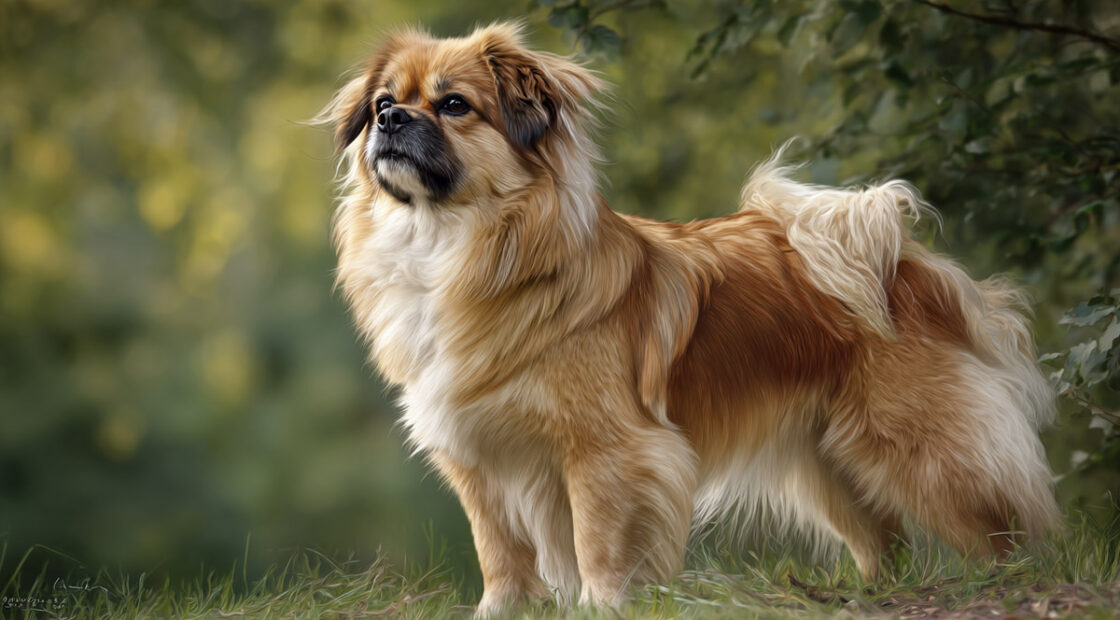
The double coat structure provides protection against harsh Himalayan weather. Soft undercoat lies beneath longer, silky outer hair.
Seasonal shedding occurs twice yearly, requiring extra grooming attention. Regular brushing prevents matting during these periods.
Color Variations and Markings
Common colors include:
- Golden and red shades
- Black and tan combinations
- Cream and white patterns
- Parti-color markings
White markings often appear on the chest and feet. Solid colors without markings are equally acceptable.
Lion-Like Facial Structure
Their expression radiates intelligence and alertness. Dark, oval eyes sit well apart, creating an appealing face.
The slightly undershot bite gives them a distinctive look. This characteristic separates them from breeds like Pekingese and Shih Tzu.
Ear Set and Placement
Feathered ears hang close to the head with silky hair. Proper ear carriage contributes to their dignified appearance.
Well-set ears frame the face beautifully. Poor ear placement can detract from the breed’s classic look.
Body Proportions and Movement
The balanced build showcases slightly longer than tall proportions. This creates their characteristic rectangular silhouette.
Their confident gait reflects their self-assured nature. Smooth, effortless movement indicates proper structure.
Tail Position and Curve
The plumed tail curves over the back in a gay manner. Abundant feathering adds to their ornamental appearance.
Proper tail carriage signals confidence and good temperament. A low-carried tail might indicate shyness or poor breeding.
Temperament and Personality Traits

The Watchful Guardian Instinct
Natural alertness makes them excellent small watchdogs despite their size. They announce visitors without excessive barking tendencies.
Territorial awareness extends throughout their living space. These dogs take their guardian role seriously, even in apartments.
Unlike aggressive guard breeds, they rely on intelligence over intimidation. Their selective barking targets genuine concerns rather than every sound.
Independence Mixed with Deep Loyalty
Cat-like independence characterizes their daily behavior. They enjoy alone time while remaining devoted to family members.
Bonding patterns often favor one person while accepting others warmly. This selective loyalty reflects their monastery heritage.
Their aloofness with strangers requires patient socialization. Early exposure helps them distinguish between friends and threats.
Intelligence and Problem-Solving Abilities
Quick learning capacity surprises many first-time owners. They grasp concepts rapidly but apply them selectively.
Stubborn streaks emerge during training sessions when they disagree with commands. Patience and consistency overcome their independent thinking.
Their creative problem-solving includes escape artistry and treat acquisition. Mental stimulation prevents destructive behaviors.
Training Considerations
Positive reinforcement works better than harsh corrections. These intelligent dogs respond to respect and patience.
Treat-based motivation proves highly effective for most individuals. Food rewards combined with praise accelerate learning.
Social Behavior with Other Pets
Multi-dog households often work well with proper introductions. They generally coexist peacefully with similar-sized dogs.
Cat interactions usually proceed smoothly due to their feline-like temperament. Both species appreciate personal space and independence.
Small animal interactions require supervision due to moderate prey drive. Rabbits and hamsters might trigger chasing instincts.
Compatibility Factors
Size matching matters when selecting companion animals. Very large dogs might accidentally injure these small breeds.
Age introductions work best when all pets are young. Adult dogs may resist new additions to established territories.
High Perch Preferences and Climbing
Elevated resting spots satisfy their natural surveillance instincts. They seek the highest available furniture for observation.
Climbing abilities often surprise owners unfamiliar with the breed. Chairs, sofas, and even counters become accessible perches.
This behavior stems from their territorial monitoring needs. Height provides security and control over their environment.
The Big Spirit in Action
Confident Attitude Despite Small Size

Fearless behavior characterizes interactions with much larger dogs. These small companions refuse to back down from dogs triple their size.
Their self-assured body language projects confidence through erect posture and direct eye contact. Size never diminishes their bold personality.
Natural Leadership Tendencies
Pack leadership often emerges in multi-dog households despite their compact stature. They establish themselves as decision-makers through sheer force of personality.
Territorial control extends beyond their physical capabilities. Mental dominance compensates for their limited physical strength.
High Perch Preferences and Surveillance
Climbing expertise rivals that of cats in agility and determination. Furniture becomes their personal mountain range for exploration.
Elevated observation posts satisfy their monastery-bred surveillance instincts. The highest couch cushion transforms into a command center.
Favorite Resting Spots
Common perching locations include:
- Back of sofas and chairs
- Window sills with street views
- Stair landings for household monitoring
- Bed headboards during sleep time
Territory surveying from above provides security and entertainment. They take their watchdog duties seriously from these vantage points.
Playful Energy Bursts and Exercise
Interactive play sessions last 15-20 minutes before they seek rest. Short bursts suit their energy patterns better than marathon activities.
Indoor games often satisfy their daily exercise requirements completely. Apartment living works well for this adaptable breed.
Age-Related Energy Changes
Puppies display higher activity levels requiring more structured play. Yorkshire Terrier and Maltese puppies show similar energy patterns.
Senior dogs maintain alertness while reducing physical demands. Mental stimulation becomes more important than physical exercise as they age.
Living With a Tibetan Spaniel
Ideal Home Environments

Apartment living suits these adaptable companions perfectly. Their moderate exercise needs fit small spaces comfortably.
Quiet households match their dignified temperament better than chaotic environments. They appreciate calm, predictable routines.
Space Requirements
Yard access provides enrichment but isn’t mandatory for happiness. Balconies or small patios satisfy outdoor supervision needs.
Indoor territory should include elevated perches and cozy resting areas. Multiple levels enhance their quality of life significantly.
Exercise and Activity Needs
Daily walks of 20-30 minutes meet their physical requirements adequately. Short neighborhood strolls provide mental stimulation through scent exploration.
Weather considerations affect outdoor activities since their coat handles cold better than extreme heat. Summer exercise requires early morning or evening timing.
Mental Stimulation Requirements
Puzzle toys challenge their intelligence while preventing boredom-related behaviors. Food-dispensing toys combine meals with mental work.
Training sessions of 5-10 minutes maintain engagement without overwhelming their attention spans. Frequent, brief lessons prove most effective.
Grooming and Maintenance Essentials
Weekly brushing prevents matting in their double coat structure. Seasonal shedding periods require daily attention to loose hair.
Professional grooming every 6-8 weeks maintains coat health and appearance. Regular trimming around paws and sanitary areas improves cleanliness.
Seasonal Coat Care
Spring shedding removes winter undercoat over 2-3 week periods. Increased brushing frequency manages hair accumulation effectively.
Fall preparation involves thorough brushing to distribute natural oils. Clean, well-maintained coats provide better insulation.
Basic Maintenance Tasks
Essential grooming includes:
- Nail trimming every 2-3 weeks
- Ear cleaning weekly with gentle solutions
- Dental care through daily brushing or dental chews
- Eye area cleaning to prevent tear staining
Training Considerations and Housebreaking
Housebreaking timelines typically extend 4-6 months with consistent effort. Their independent nature requires patient, persistent training approaches.
Basic commands like sit, stay, and come respond well to positive reinforcement methods. Harsh corrections damage their sensitive spirits.
Socialization Window Importance
Early exposure between 8-16 weeks shapes their adult social skills permanently. Puppy classes provide controlled interaction opportunities.
Stranger introduction requires gradual, positive experiences to overcome natural aloofness. Forcing interactions creates lasting fearfulness.
Health Profile and Lifespan
Generally Robust Breed Characteristics

Typical lifespan ranges 12-15 years with proper care and nutrition. Many individuals exceed these averages with excellent veterinary support.
Hardy constitution reflects centuries of natural selection in harsh mountain conditions. Their genetic diversity contributes to overall health resilience.
Genetic Diversity Advantages
Breeding programs benefit from the breed’s relatively small gene pool management. Responsible breeders prioritize health testing over appearance alone.
Ancient bloodlines provide stability while avoiding extreme physical modifications. Their moderate structure reduces many inherited problems.
Common Health Concerns to Monitor
Eye conditions appear most frequently in breed health surveys. Progressive retinal atrophy and cherry eye require regular monitoring.
Joint issues occasionally affect older individuals, particularly luxating patella. Weight management reduces stress on small joints significantly.
Respiratory Considerations
Breathing efficiency generally remains good due to their moderate facial structure. Unlike Pug breeds, they avoid serious respiratory restrictions.
Exercise tolerance stays consistent throughout their lives with proper conditioning. Heat sensitivity requires summer activity modifications.
Preventive Care Recommendations
Regular checkups every 6 months after age 7 catch developing problems early. Annual examinations suffice for younger, healthy adults.
Dental care prevents periodontal disease common in small breeds. Daily brushing or dental treats maintain oral health effectively.
Health Screening for Breeding
Eye examinations by certified ophthalmologists clear breeding candidates of hereditary conditions. Annual testing ensures ongoing health status.
Genetic testing identifies carriers of recessive disorders before breeding decisions. Responsible breeding reduces inherited disease frequency.
Diet and Weight Management
Portion control prevents obesity in these food-motivated dogs. Small breed formulas provide appropriate nutrient density.
Caloric needs average 250-400 calories daily depending on age and activity. Regular weight monitoring prevents gradual gain.
Training Your Strong-Willed Companion
Understanding Their Unique Learning Style

Independent thinking defines their approach to training sessions. They evaluate commands before deciding whether compliance serves their interests.
Motivation techniques must appeal to their intelligent, selective nature. Food rewards work better than praise alone for most individuals.
Patience Requirements for Success
Consistency becomes crucial when working with these strong-minded dogs. Mixed messages confuse them and slow progress significantly.
Training sessions should last 5-10 minutes to maintain their attention. Short, frequent lessons prevent mental fatigue and frustration.
Addressing Common Behavioral Challenges
Excessive barking often stems from boredom or territorial concerns. Identifying triggers helps develop targeted solutions.
Alert barking serves their natural watchdog function but requires boundaries. Teaching “quiet” commands establishes appropriate limits.
Separation Anxiety Prevention
Gradual departures help prevent clingy behaviors from developing. Start with 5-minute absences and slowly increase duration.
Independence training encourages self-reliance through structured alone time. Boston Terrier and similar companion breeds benefit from identical approaches.
Resource Guarding Tendencies
Food guarding appears occasionally in possessive individuals. Early intervention prevents escalation through positive association training.
Toy protection might develop with favorite items. Teaching “drop it” and “leave it” commands addresses these behaviors effectively.
Positive Reinforcement Strategies
Treat-based motivation proves highly effective for these food-oriented dogs. High-value rewards accelerate learning significantly.
Timing precision makes the difference between success and confusion. Immediate rewards create clear behavioral connections.
Game-Based Learning Approaches
Hide and seek games teach recall while providing mental stimulation. These intelligent dogs enjoy problem-solving challenges.
Puzzle feeders combine meals with training opportunities. Mental work tires them more than physical exercise alone.
Advanced Training Considerations
Socialization windows close early, making puppy exposure critical. Adult dogs resist new experiences more stubbornly.
Leash training requires patience due to their independent nature. They prefer exploring at their own pace rather than following strict heel commands.
House Training Specifics
Crate training accelerates housebreaking when properly implemented. Their den instinct makes crates appealing resting spots.
Schedule consistency prevents accidents through predictable routine establishment. Regular feeding times create predictable elimination patterns.
Is a Tibetan Spaniel Right for You?
Best Match Owner Personalities

Patient handlers succeed with these independent-minded companions. Rushed training approaches create resistance and setbacks.
Consistent leadership appeals to their respect-based learning style. They respond to fair, predictable boundaries better than harsh corrections.
Experience Level Recommendations
First-time owners can succeed with proper research and commitment. Their moderate size makes handling easier than larger breeds.
Dog experience helps but isn’t mandatory for success. Understanding small dog psychology proves more valuable than general dog knowledge.
Lifestyle Compatibility Factors
Quiet households suit their dignified temperament perfectly. Chaotic environments stress these sensitive, intelligent dogs.
Active seniors often find ideal companions in this breed. Their moderate exercise needs match less vigorous lifestyles well.
Work Schedule Considerations
Part-time schedules accommodate their need for companionship without overwhelming attachment. They appreciate routine but handle brief separations well.
Home offices provide ideal environments where they can supervise while remaining independent. Their alertness makes them excellent office companions.
Family Situation Considerations
Children compatibility depends on age and behavior patterns. Respectful kids over 8 years typically interact successfully.
Toddler households might overwhelm these small, sensitive dogs. Their size makes them vulnerable to accidental injury.
Multi-Pet Dynamics
Cat households often work wonderfully due to similar independence levels. Both species appreciate personal space and quiet observation.
Large dog families require careful management due to size differences. Great Dane and similar giants might accidentally harm these small companions.
Time and Commitment Requirements
Daily attention needs include 2-3 short play sessions and regular grooming. Their social needs remain moderate compared to more demanding breeds.
Weekly grooming becomes essential during shedding seasons. Professional grooming every 6-8 weeks maintains coat health.
Long-Term Care Responsibilities
Lifespan commitment spans 12-15 years of consistent care. Their longevity requires sustained financial and emotional investment.
Health monitoring increases importance as they age. Regular veterinary care prevents small problems from becoming serious issues.
Financial Investment Expectations
Initial costs include purchase price, supplies, and first-year veterinary care. Budget $1,500-3,000 for startup expenses.
Annual expenses average $800-1,200 for food, grooming, and routine healthcare. Emergency funds should cover $2,000-5,000 for unexpected medical needs.
Breeding Quality Considerations
Reputable breeders charge $1,200-2,500 for well-bred puppies. Health testing and proper socialization justify higher prices.
Rescue adoption offers alternative paths to ownership. Adult dogs from rescue organizations need homes and often cost $200-500.
Ideal Owner Profile Summary
Perfect owners combine:
- Patience for independent personalities
- Consistency in training approaches
- Respect for their dignified nature
- Commitment to long-term care
Apartment dwellers and seniors often find these dogs ideally suited to their lifestyles. Their adaptability makes them excellent urban companions.
FAQ on Tibetan Spaniel
Are Tibetan Spaniels good family pets?
Family pets they make excellent companions for patient households. Their independent nature suits families with older children who respect boundaries.
Young kids might overwhelm these sensitive dogs. They prefer calm environments over chaotic family dynamics.
Do Tibetan Spaniels bark a lot?
Selective barking characterizes their watchdog behavior. They alert to genuine concerns without excessive noise like some small dog breeds.
Proper training reduces unnecessary barking. Their territorial awareness means they’ll always announce visitors.
How much exercise do Tibetan Spaniels need?
Moderate exercise satisfies their daily requirements completely. Two 15-20 minute walks plus indoor play meet their needs.
Mental stimulation matters more than physical exhaustion. Puzzle toys and training sessions prevent boredom effectively.
Are Tibetan Spaniels easy to train?
Stubborn streaks make training challenging for impatient owners. Their intelligence means they learn quickly but comply selectively.
Positive reinforcement works better than harsh corrections. Consistency and patience overcome their independent thinking patterns.
Do Tibetan Spaniels shed much?
Seasonal shedding occurs twice yearly with heavy coat loss. Daily brushing during these periods manages loose hair effectively.
Regular grooming prevents matting in their double coat. Weekly brushing suffices during non-shedding seasons.
How big do Tibetan Spaniels get?
Adult size ranges 9-15 pounds with 10-inch height. Females typically measure smaller than males consistently.
Their compact build makes them ideal apartment dogs. Size stays manageable throughout their 12-15 year lifespan.
Are Tibetan Spaniels healthy dogs?
Generally robust health characterizes this ancient breed. Genetic diversity from careful breeding reduces inherited problems significantly.
Eye conditions appear most commonly. Regular veterinary checkups catch developing issues early for treatment.
Do Tibetan Spaniels get along with cats?
Cat compatibility works well due to similar independent temperaments. Both species appreciate personal space and quiet observation.
Proper introductions ensure peaceful coexistence. Their moderate prey drive rarely bothers well-established feline housemates.
How much do Tibetan Spaniels cost?
Purchase prices range $1,200-2,500 from reputable breeders. Annual expenses average $800-1,200 for routine care.
Emergency funds should cover $2,000-5,000 for unexpected veterinary bills. Their longevity requires sustained financial commitment.
Are Tibetan Spaniels good for first-time owners?
Beginner-friendly with proper research and commitment. Their moderate size makes handling easier than larger breeds.
Patient personalities succeed better than rushed approaches. Understanding small dog psychology proves more valuable than general experience.
Conclusion
The Tibetan Spaniel combines ancient wisdom with modern companionship in a perfectly sized package. These remarkable dogs prove that big personalities come in small bodies.
Dog ownership with this breed requires understanding their unique heritage and independent spirit. They’re not pushovers seeking constant approval like some toy dogs.
Their climbing abilities and perch-sitting behavior reflect centuries of monastery life. Modern homes become their personal observation towers for territorial monitoring.
Grooming needs remain manageable with weekly brushing and seasonal attention. Professional care every few months keeps their coat colors vibrant and healthy.
Training success depends on patience rather than force. These intelligent dogs respond to respect and consistency over harsh corrections.
Veterinary care and proper nutrition support their impressive 12-15 year lifespan expectancy. Regular checkups catch potential issues before they become serious problems.
Choose this breed if you appreciate confident dogs with cat-like independence. They reward patient owners with decades of devoted, dignified companionship.