Picture a dog that sailed with Vikings yet looks like it could be related to a Cardigan Welsh Corgi. The Swedish Vallhund combines ancient Nordic heritage with the compact charm that modern families love.
This rare breed carries over 1,000 years of working dog genetics in a package that weighs just 20-35 pounds. Their Västgötaspets bloodlines trace directly back to cattle-driving dogs that helped build medieval Sweden.
Most dog lovers have never encountered this Viking heritage breed despite their remarkable temperament and adaptability. Understanding their unique needs and characteristics helps potential owners make informed decisions about adding one to their family.
This guide covers everything from their fascinating history to daily care requirements. You’ll learn what makes these Nordic herding dogs special, their health considerations, and whether their independent personality suits your lifestyle.
Swedish Vallhund Breed Statistics
| Characteristic | Details |
|---|---|
| Size | Small to Medium |
| Height | 11.5-13.75 inches (29-35 cm) |
| Weight | 20-35 pounds (9-16 kg) |
| Life Expectancy | 12-15 years |
| Energy Level | High |
| Exercise Needs | 60-90 minutes daily |
| Grooming Requirements | Moderate to High |
| Shedding | Heavy (seasonal) |
| Training Difficulty | Moderate |
| Good with Kids | Yes (with socialization) |
| Good with Pets | Yes (with early socialization) |
| Apartment Living | Yes (with adequate exercise) |
| Climate Tolerance | Cold: Excellent, Heat: Moderate |
| Barking Level | Moderate to High |
| AKC Group | Herding |
| Origin | Sweden |
| Breed Rarity | Very Rare |
| Average Puppy Price | $1,200-$2,500 |
| Common Health Issues | Hip dysplasia, eye conditions, luxating patella |
| Coat Type | Double coat, weather-resistant |
| Colors | Sable, gray, brown variations with white markings |
| Tail | Natural bobtail or full length |
| Temperament | Confident, intelligent, independent |
| Watchdog Ability | Excellent |
| Beginner Friendly | Moderate (requires experienced handling) |
Meet the Swedish Vallhund
What Makes This Breed Special
The Swedish Vallhund carries Viking blood in a compact package that turns heads wherever they go. This ancient Nordic herding dog combines the low-slung build of a Pembroke Welsh Corgi with the spirited personality of a true spitz breed.
Also known as the Västgötaspets, these dogs pack serious working ability into their small frames. Their rare breed status makes them special finds for those lucky enough to encounter one.
First Impressions and Physical Overview
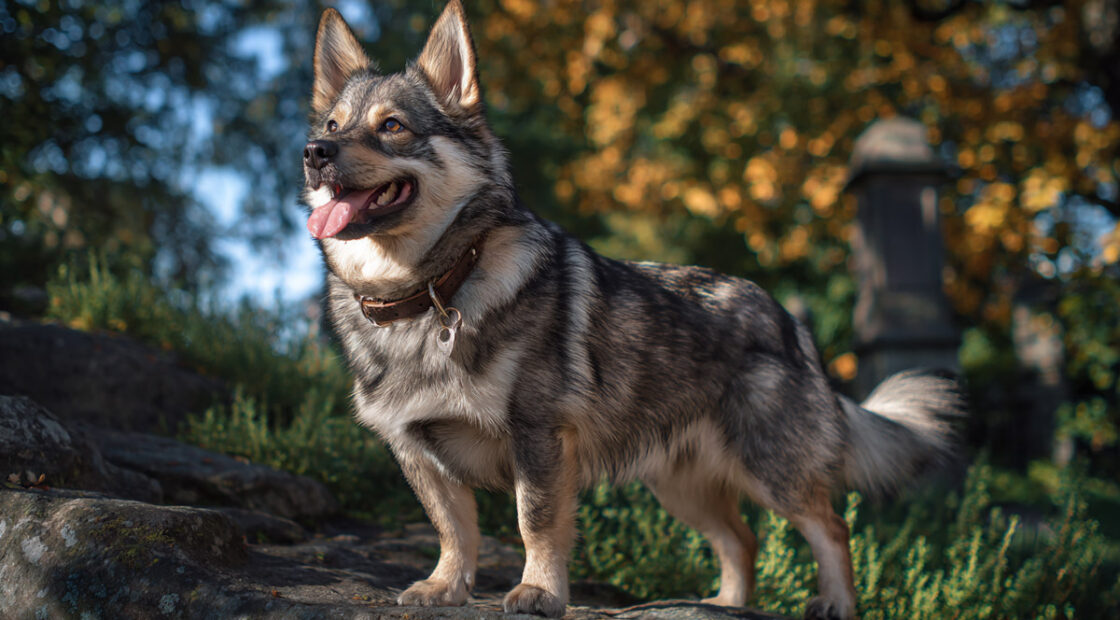
Picture a fox-faced dog with short legs and you’re getting close to the Vallhund’s distinctive look. Their alert expression and confident stance immediately signal this isn’t your average small breed companion.
The weather-resistant double coat comes in various shades that catch light beautifully in Nordic sunlight. These dogs move with surprising athleticism despite their compact stature.
Size and Build Basics

Swedish Vallhunds typically stand 11.5 to 13.75 inches at the shoulder. Weight ranges from 20 to 35 pounds, with females generally smaller than males.
Their body proportions follow a 2:3 ratio (height to length). This creates the distinctive low-riding silhouette that helped them work safely around cattle hooves.
The breed’s sturdy build supports their working heritage perfectly. Every angle serves a purpose rooted in centuries of Swedish farm life.
Viking Roots and Swedish Heritage
Ancient Origins with Norse Warriors
Archaeological evidence places Vallhund-type dogs alongside Viking settlements over 1,000 years ago. These hardy companions traveled with Norse explorers across dangerous seas and harsh landscapes.
Historical records from medieval Sweden describe small cattle dogs matching the Vallhund’s description. Their role in Viking society extended beyond simple farm work into community protection and companionship.
Connection to other Scandinavian breeds like the Norwegian Elkhound and Finnish Spitz suggests a shared Nordic working dog ancestry. This genetic heritage explains their remarkable cold weather adaptation and independent thinking.
Working Life in Medieval Sweden
Cattle herding dominated the Vallhund’s purpose for centuries. Their low stature allowed them to nip at heels while avoiding dangerous kicks from livestock.
Swedish farmers valued these dogs for their livestock handling skills and territorial instincts. They guarded property, controlled vermin, and served as early warning systems for approaching strangers.
Rural communities relied on multi-purpose dogs that could adapt to seasonal farming demands. The Vallhund excelled at this versatility, switching between herding, guarding, and hunting roles as needed.
Near Extinction and Revival Story
Population decline hit the breed hard during the early 1900s. Industrialization reduced demand for traditional farm dogs, pushing the Vallhund toward extinction.
Count Björn von Rosen launched rescue efforts in 1942, searching Västergötland region for surviving dogs. His dedication saved the breed from disappearing completely.
Modern breed development started with careful breeding programs in the 1940s. Swedish kennel club recognition followed, establishing standards that preserve the breed’s working heritage.
Today’s Vallhunds trace back to those original rescue dogs. Genetic diversity remains limited but stable through careful breeding practices.
Physical Characteristics and Appearance
Body Structure and Movement

The low rider build serves practical herding purposes rather than just aesthetics. Short legs keep these dogs below cattle kick zones while maintaining excellent mobility.
Despite their compact frame, Vallhunds display remarkable athletic ability. They excel at agility, hiking, and various dog sports that challenge both mind and body.
Their movement combines efficiency with power. The rolling gait covers ground effectively while conserving energy during long working days.
Head and Facial Features
The wedge-shaped head creates the breed’s distinctive fox-like appearance. Medium-sized ears stand erect and well-feathered, giving an alert and intelligent expression.
Eye color ranges from dark brown to amber, always reflecting keen intelligence. The slightly oval shape adds to their perpetually curious expression.
Strong jaws and scissors bite reflect their working heritage. Facial features balance perfectly with overall body proportions.
Coat Types and Color Variations
The double coat structure provides excellent weather protection year-round. Dense undercoat insulates against Nordic cold while the outer coat repels moisture and debris.
Accepted colors include sable, gray, grayish brown, grayish yellow, and reddish brown. White markings appear on chest, feet, and occasionally the face.
Coat texture feels harsh to the touch but not coarse. Seasonal changes bring dramatic shedding periods requiring extra grooming attention.
The breed standard favors darker colors with clear contrast. Lighter shades must show good pigmentation and distinct markings.
Tail Variations and Standards
Natural bobtails occur frequently in the breed, ranging from completely absent to 4 inches long. Full-length tails are equally acceptable under current standards.
Historic docking practices shortened tails for working purposes. Modern breeders prefer natural variations over surgical alterations.
Tail carriage when present should curve slightly over the back. The breed’s working heritage shows in their confident tail position during movement.
Both bobtail and full-tail Vallhunds compete successfully in conformation events. Judges evaluate overall type rather than tail length alone.
Temperament and Personality Traits
The Vallhund Character

Confident and fearless perfectly describes the typical Vallhund personality. These dogs approach life with the boldness their Viking ancestors needed for survival.
Intelligence shines through everything they do. Problem-solving comes naturally, though this sometimes means finding creative ways around rules.
Independent thinking defines much of their behavior. They cooperate when it serves their purpose but aren’t afraid to make decisions on their own.
Energy Levels and Activity Needs
High energy packed into a small frame creates a dog that needs serious daily exercise. Mental stimulation matters just as much as physical activity for preventing destructive behaviors.
Young Vallhunds can seem inexhaustible during play sessions. Age-related changes typically bring more manageable energy levels after 5-7 years.
Boredom leads to trouble with this intelligent breed. They’ll create their own entertainment if you don’t provide enough structured activities.
Social Behavior and Family Life
Strong family bonds develop quickly with proper socialization. Vallhunds often choose one favorite person while remaining friendly with all family members.
Interactions with children work well when both are taught proper boundaries. Their herding instincts may lead to gentle nipping at heels during play.
Multi-pet households require careful introduction periods. Early socialization helps them accept other dogs, though they may assert dominance with similar-sized breeds.
Behavioral Quirks and Breed-Specific Traits
Herding instincts surface in modern family life through gathering behaviors. They may attempt to herd children, other pets, or even adults during exciting moments.
Vocalization patterns include barking, talking, and distinctive “singing” sounds. These dogs communicate their feelings clearly and frequently.
Common personality variations range from outgoing clowns to more reserved observers. Individual temperament depends heavily on genetics and early experiences.
Health Profile and Genetic Considerations
Overall Health Status

Generally robust breed health stems from their working dog heritage. Hardy genetics help most Vallhunds live 12-15 years with proper care.
Regular health testing helps maintain breed quality. Responsible breeders screen for known genetic issues before breeding.
The limited genetic pool requires careful breeding decisions. Maintaining diversity while preserving type challenges modern breeders.
Common Health Issues
Hip and Elbow Concerns
Hip dysplasia occurs occasionally despite the breed’s size. Annual veterinary checkups can catch early signs before symptoms appear.
Elbow problems are less common but still monitored. Weight management helps reduce stress on joints throughout their lives.
Eye Conditions to Watch
Progressive retinal atrophy affects some bloodlines. Annual eye exams by veterinary ophthalmologists help identify problems early.
Cataracts can develop in older dogs. Most cases don’t significantly impact quality of life.
Other Breed-Related Health Problems
- Luxating patella (kneecap dislocation)
- Autoimmune thyroid conditions
- Occasional heart murmurs
- Epilepsy in rare cases
Preventive Care and Health Management
Regular veterinary checkups every 6-12 months help catch problems early. Preventive care costs less than treating advanced conditions.
Vaccination schedules should follow veterinary recommendations for your area. Core vaccines protect against serious diseases while avoiding over-vaccination.
Weight management proves critical for joint health and longevity. Even a few extra pounds stress their compact frames significantly.
Care Requirements and Daily Needs
Exercise and Activity Requirements

Daily Exercise Minimums
Adult Vallhunds need 60-90 minutes of activity daily. This includes walks, play sessions, and mental stimulation activities.
Puppies require shorter, more frequent exercise periods. Over-exercising young dogs can damage developing joints.
Types of Suitable Activities
- Agility training challenges both mind and body
- Hiking appeals to their adventurous nature
- Swimming provides low-impact exercise
- Interactive puzzle toys satisfy mental needs
- Herding demonstrations tap into natural instincts
Weather Considerations
Cold weather suits them perfectly thanks to their Nordic heritage. Hot climates require extra care and indoor cooling during summer.
Early morning or evening exercise works best in warm weather. Their thick coat makes them prone to overheating.
Grooming and Coat Maintenance
Regular Brushing Routines
Daily brushing during shedding seasons prevents matting and reduces household fur. A pin brush works well for regular maintenance.
Weekly brushing suffices during non-shedding periods. Pay special attention to areas where mats commonly form.
Seasonal Shedding Management
Spring and fall bring dramatic coat changes. Expect weeks of intensive shedding that requires daily attention.
Professional grooming every 6-8 weeks helps maintain coat health. Some owners prefer more frequent professional baths during shedding seasons.
Basic Care Tasks
- Monthly nail trims prevent overgrowth
- Weekly ear cleaning reduces infection risk
- Dental care includes regular brushing and dental chews
- Bathing only when dirty or smelly
Nutritional Needs
Feeding Guidelines by Age
Puppies need 3-4 meals daily until 6 months old. High-quality puppy food supports proper growth and development.
Adult dogs do well on twice-daily feeding schedules. Portion control prevents obesity in this food-motivated breed.
Senior dogs may benefit from easier-to-digest formulas. Dog age calculators help determine when to switch to senior nutrition.
Weight Management Strategies
Measuring food portions accurately prevents gradual weight gain. Free-feeding rarely works well with Vallhunds.
Healthy treats should comprise less than 10% of daily calories. Training treats can add up quickly during intensive sessions.
Regular body condition scoring helps track weight changes. You should easily feel ribs without pressing hard.
Special Dietary Considerations
Some Vallhunds develop food sensitivities as they age. Limited ingredient diets may help identify problem foods.
Active dogs may need higher protein levels than sedentary pets. Working dogs require even more calories and nutrients.
Training and Socialization
Training Approach and Methods

Independent thinkers require patient, consistent training methods. Vallhunds respect owners who establish clear leadership without harsh corrections.
Positive reinforcement works best with this intelligent breed. Food motivation runs high, making treats powerful training tools.
Short, varied training sessions prevent boredom. These dogs lose interest quickly when drills become repetitive.
Early Socialization Importance
Critical Socialization Periods
The 8-16 week window proves most important for shaping adult temperament. Early experiences during this period have lasting impacts.
Puppy classes provide structured socialization opportunities. Professional trainers help guide interactions with other dogs and people.
Exposure to Various Experiences
- Different surfaces (grass, concrete, gravel, sand)
- Urban sounds (traffic, sirens, construction)
- Various people (children, elderly, people with disabilities)
- Other animals (cats, livestock, small pets)
- Car rides and public spaces
Building Confidence and Adaptability
Gradual exposure builds confidence without overwhelming young dogs. Positive associations with new experiences create adaptable adults.
Fearful reactions need immediate attention. Professional help may be necessary for severe socialization issues.
Specific Training Focus Areas
Managing Herding Behaviors
Herding instincts surface around 4-6 months of age. Redirection works better than punishment for these natural behaviors.
Teaching “leave it” commands helps control inappropriate herding. Provide acceptable outlets through games and structured activities.
Recall and Off-Leash Training
Strong prey drive makes reliable recall training crucial. Start in enclosed areas before progressing to open spaces.
High-value treats and consistent practice build reliable response. Never call your dog for something they perceive as negative.
Basic Obedience Essentials
- Sit and stay commands
- Walking on loose leash
- Coming when called
- Down and place commands
- Greeting people politely
Living with a Swedish Vallhund
Ideal Home Environment

Space Requirements and Housing
Apartments work fine with adequate daily exercise. These dogs adapt well to smaller spaces when their activity needs are met.
Secure fencing prevents escape attempts during exciting moments. Six-foot fences provide adequate containment for most individuals.
Yard Needs and Fencing Considerations
Vallhunds excel at digging and climbing. Underground barriers may be necessary for determined escape artists.
Invisible fencing rarely works effectively. Their high prey drive overrides electronic correction when chasing interesting targets.
Urban vs Rural Living
City life suits them well with proper socialization. Traffic awareness training becomes crucial for urban dogs.
Rural settings allow more natural behaviors. Access to livestock requires careful supervision and training.
Daily Life and Routines
Typical Day Structure
Morning exercise starts the day right. A tired Vallhund is generally a well-behaved Vallhund.
Midday mental stimulation prevents afternoon mischief. Puzzle toys or training sessions work well during lunch breaks.
Evening family time satisfies their social needs. These dogs crave interaction with their favorite people.
Work and Activity Balance
Working owners need creative exercise solutions. Dog daycare or pet sitters help meet activity requirements.
Weekend adventures make up for weekday limitations. Hiking, camping, and outdoor activities suit their adventurous nature perfectly.
Seasonal Adaptations
Winter brings increased indoor time and potential weight gain. Adjust feeding and find indoor exercise alternatives.
Summer requires heat management strategies. Early morning and late evening activities prevent overheating.
Family Integration
Adjustment Period Expectations
First few weeks involve establishing routines and boundaries. Consistency from all family members speeds the process.
Some dogs settle quickly while others need months. Individual personality affects adjustment timeline significantly.
Building Relationships with All Family Members
Each person should participate in training and care. This prevents over-bonding with just one individual.
Children need supervision during initial interactions. Teaching proper handling techniques protects both kids and dogs.
Managing Territorial Behaviors
Vallhunds naturally guard their territory and family. Early training helps distinguish between real threats and normal visitors.
Proper introductions to guests prevent embarrassing situations. Practice greeting routines before company arrives.
Finding and Choosing a Swedish Vallhund
Breeder Research and Selection

Reputable Breeder Characteristics
Health testing of breeding dogs demonstrates responsible practices. Ask to see current certificates for both parents.
Active involvement in breed clubs and dog shows indicates dedication. Reputable breeders often compete or participate in breed activities.
References from previous puppy buyers provide valuable insights. Good breeders willingly share contact information for past customers.
Health Testing Requirements
- Hip and elbow evaluations
- Annual eye examinations
- Thyroid function testing
- DNA testing for known genetic markers
Questions to Ask Breeders
- Can I meet the puppy’s parents?
- What health testing has been done?
- Are you involved in breed clubs or activities?
- What support do you provide new owners?
- Will you take the dog back if needed?
Puppy Selection Process
Evaluating Temperament and Health
Puppy temperament tests help match personalities with families. Look for confident, curious puppies that recover quickly from startling sounds.
Health indicators include clear eyes, clean ears, and energetic behavior. Avoid puppies that seem lethargic or show signs of illness.
Understanding Breeder Contracts
Most contracts include spay/neuter requirements for pet-quality dogs. Show-quality puppies may have different terms and higher prices.
Health guarantees typically cover genetic defects. Understand what conditions are covered and for how long.
Preparation for Bringing Puppy Home
Puppy-proof your home before arrival day. Remove hazards and set up safe spaces for the new family member.
Stock up on appropriate supplies including food, toys, and training materials. Having everything ready reduces stress during the transition.
Adoption and Rescue Options
Breed-Specific Rescue Organizations
Swedish Vallhund rescue groups occasionally have dogs available. These organizations understand the breed’s specific needs and requirements.
Rescue dogs may have unknown histories. Patience and understanding help them adjust to new homes successfully.
Adult Dog Considerations
Mature dogs often make excellent pets for the right families. They typically have established temperaments and may already be house-trained.
Previous training varies widely among rescue dogs. Some need basic obedience work while others arrive well-educated.
Rehoming Situations
Life changes sometimes force owners to rehome beloved pets. These dogs often adapt well to new families with proper transition periods.
Direct owner-to-owner transfers require careful screening. Meet the dog multiple times before making final decisions.
FAQ on Swedish Vallhund
Are Swedish Vallhunds good family dogs?
Swedish Vallhunds make excellent family companions with proper socialization. Their herding instincts may lead to gentle nipping during play with children.
Early training helps manage their territorial nature. They bond strongly with all family members while often choosing one favorite person.
How much exercise do Swedish Vallhunds need?
Adult Vallhunds require 60-90 minutes of daily activity including walks, play, and mental stimulation. Their high energy levels demand consistent exercise regardless of weather.
Boredom leads to destructive behaviors in this intelligent breed. Interactive games and puzzle toys help meet their mental stimulation needs.
Do Swedish Vallhunds shed a lot?
The double coat brings seasonal shedding periods that require daily brushing. Spring and fall coat changes create weeks of intensive fur management.
Regular grooming reduces household hair during non-shedding periods. Professional grooming every 6-8 weeks helps maintain coat health and appearance.
Are Swedish Vallhunds easy to train?
These intelligent dogs learn quickly but think independently. Positive reinforcement works better than harsh corrections with their sensitive yet stubborn nature.
Short, varied training sessions prevent boredom. Food motivation makes treat-based training highly effective for most individuals.
How big do Swedish Vallhunds get?
Adult Vallhunds stand 11.5-13.75 inches tall and weigh 20-35 pounds. Females typically measure smaller than males in both height and weight.
Their low-slung body follows a 2:3 height-to-length ratio. This compact build helped them work safely around cattle hooves.
Are Swedish Vallhunds rare?
Rare breed status makes finding Vallhunds challenging in most areas. Limited breeding programs worldwide keep population numbers relatively small.
Waiting lists with reputable breeders often extend 1-2 years. Breed-specific rescue organizations occasionally have adult dogs available for adoption.
Do Swedish Vallhunds bark a lot?
Vallhunds are naturally vocal dogs that communicate through barking, talking, and singing sounds. Their guardian instincts trigger alerts for visitors and unusual activities.
Early training helps control excessive vocalization. They respond well to “quiet” commands when taught consistently from puppyhood.
Can Swedish Vallhunds live in apartments?
Apartment living works with adequate daily exercise and mental stimulation. Their adaptable nature suits smaller spaces when activity needs are met properly.
Secure fencing becomes important for yards since they excel at escaping. Six-foot fences provide adequate containment for most individuals.
What health problems do Swedish Vallhunds have?
Generally healthy dogs with occasional hip dysplasia and eye conditions. Progressive retinal atrophy affects some bloodlines requiring annual eye examinations.
Life expectancy ranges 12-15 years with proper care. Weight management helps prevent joint stress in their compact frames.
How much do Swedish Vallhunds cost?
Puppy prices typically range $1,200-$2,500 from reputable breeders. Health testing and limited availability contribute to higher costs compared to common breeds.
Annual care expenses include veterinary visits, quality food, grooming, and supplies. Pet insurance may help manage unexpected medical costs.
Conclusion
The Swedish Vallhund represents a remarkable blend of ancient working heritage and modern companion qualities that few breeds can match. Their Västgötaspets lineage brings centuries of Nordic farm dog wisdom into contemporary family life.
These cattle-driving descendants thrive with active owners who appreciate their intelligence and independence. Their rare breed status makes them special additions to households willing to meet their exercise and mental stimulation needs.
Weather-resistant coats and sturdy builds make them excellent outdoor adventure companions. Their compact size suits various living situations while their spitz-type personality provides endless entertainment.
Responsible breeding programs work to preserve their genetic diversity and working abilities. Finding quality breeders requires patience, but the wait rewards families with truly exceptional dogs.
Whether herding livestock or competing in agility trials, Vallhunds excel when given proper outlets for their energy and intelligence.