Few dogs can claim a 6,000-year partnership with humans, but the Norwegian Elkhound stands as living proof of this ancient bond. This Nordic hunting dog once tracked moose through frozen Norwegian forests alongside Viking warriors.
Today’s families face a critical decision when considering this Spitz breed as a companion. Their independent temperament and high exercise needs challenge even experienced dog owners.
This comprehensive guide covers everything potential owners need to know about Norwegian Elkhounds. You’ll discover their physical characteristics, temperament traits, training challenges, and the realistic costs of ownership.
From their distinctive gray wolf sable coat to their vocal barking tendencies, we’ll examine what makes these Arctic working breeds both rewarding and demanding family pets.
Norwegian Elkhound Statistics
| Characteristic | Details |
|---|---|
| Size | Medium (Males: 20.5″, Females: 19.5″) |
| Weight | Males: 48-55 lbs, Females: 40-48 lbs |
| Lifespan | 12-15 years |
| Group | Working Group (AKC) |
| Origin | Norway |
| Coat Type | Double coat, dense undercoat |
| Coat Color | Gray with black-tipped guard hairs |
| Shedding Level | High (seasonal blowouts) |
| Energy Level | High |
| Exercise Needs | 2+ hours daily |
| Trainability | Moderate (independent nature) |
| Intelligence | High |
| Barking Level | High (vocal breed) |
| Drooling | Low |
| Good with Kids | Moderate (supervision needed) |
| Good with Pets | Moderate (high prey drive) |
| Stranger Friendly | Low to Moderate |
| Apartment Living | Not recommended |
| Cold Tolerance | Excellent |
| Heat Tolerance | Poor |
| Grooming Needs | Moderate to High |
| Health Issues | Hip dysplasia, PRA, hypothyroidism |
| Price Range | $1,200-$3,000 |
| Best For | Active families, experienced owners |
Physical Characteristics and Appearance
Size and Build Specifications
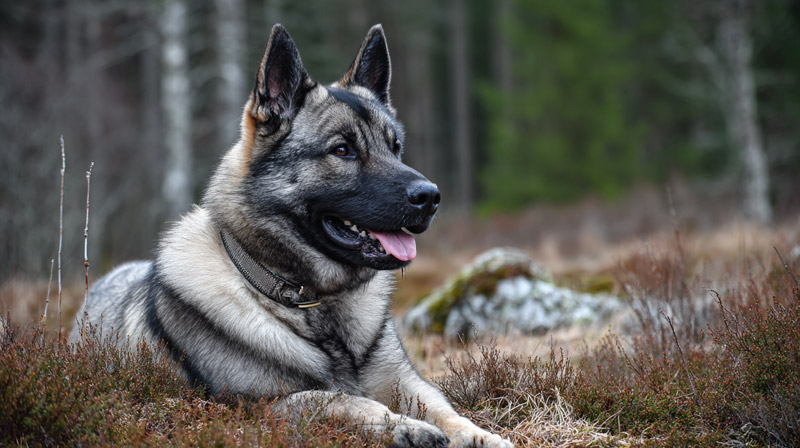
The Norwegian Elkhound presents a compact square build that screams durability. Males typically stand 20.5 inches tall, while females reach about 19.5 inches at the shoulder.
Weight ranges from 48 to 55 pounds for males and 40 to 48 pounds for females. This sturdy mountain climber maintains perfect proportions between height and length.
The breed’s athletic agile movement comes from their well-balanced frame. Their endurance hunting partner heritage shows in every muscle.
Coat and Color Features
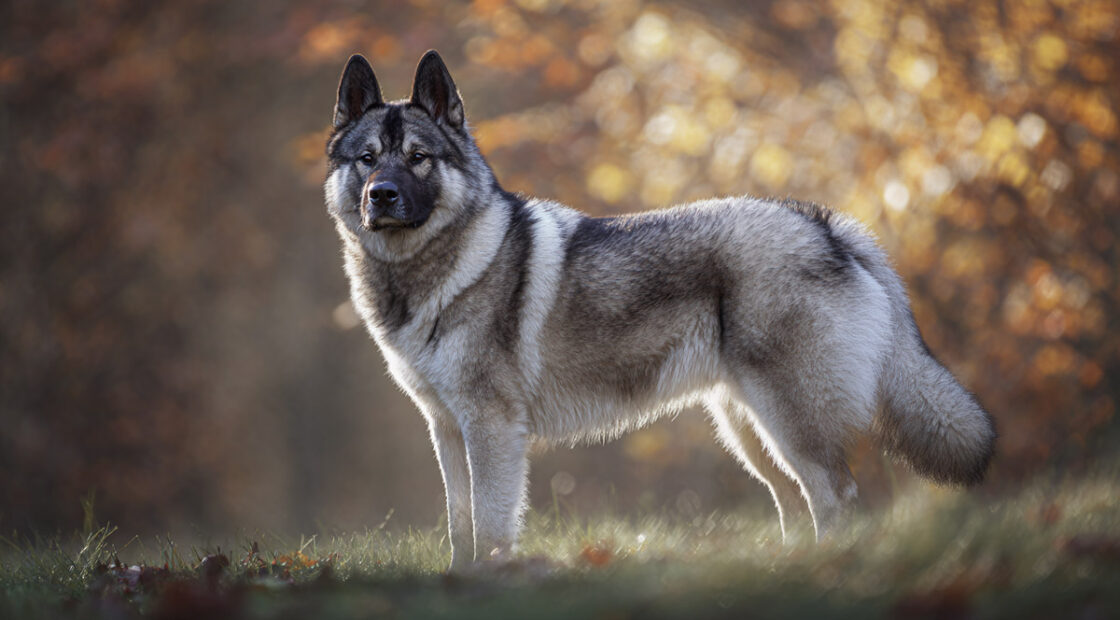
The double coat shedding system defines this Arctic working breed. Dense undercoat insulation protects against harsh weather, while harsh outer guard hairs repel moisture.
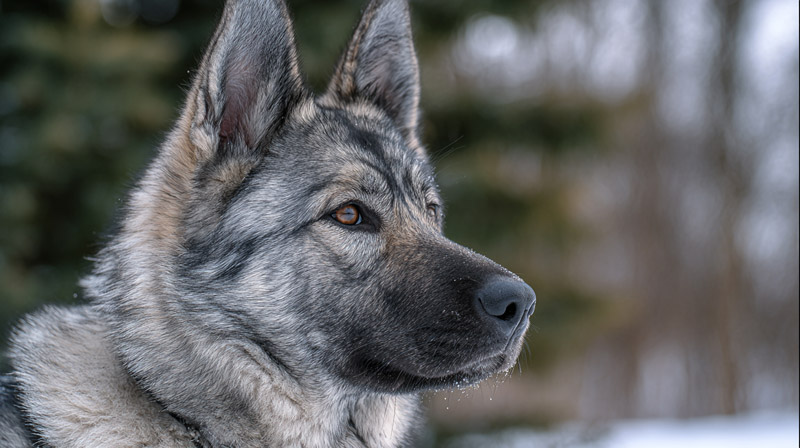
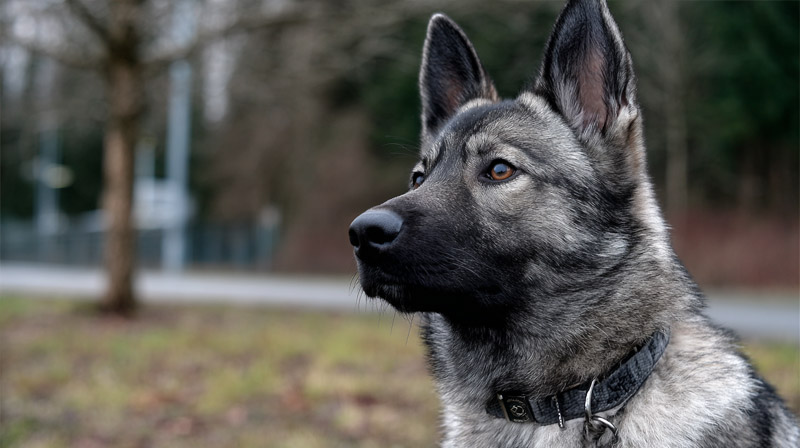
Gray wolf sable coat coloring dominates the breed standard. Shades range from light silver to deep charcoal, with darker guard hairs creating depth.

The weather resistant coat requires serious maintenance. Seasonal coat blowout happens twice yearly, transforming your home into a fur factory.
Black-tipped ears and tail contrast beautifully with the lighter body. A distinctive harness marking across the shoulders adds character.
Distinctive Physical Traits
The curled tail over back serves as the breed’s signature feature. This plume-like appendage curves in a graceful arc, never touching the back.
Triangular erect ears stand alert and pointed. They’re mobile and expressive, constantly swiveling to catch every sound.
Dark almond-shaped eyes hold an intelligent, keen expression. The eyes should never be light or protruding.
Strong muzzle and bite structure reflect their moose hunting heritage. The scissors bite provides the grip needed for large game work.
Cold Weather Adaptations
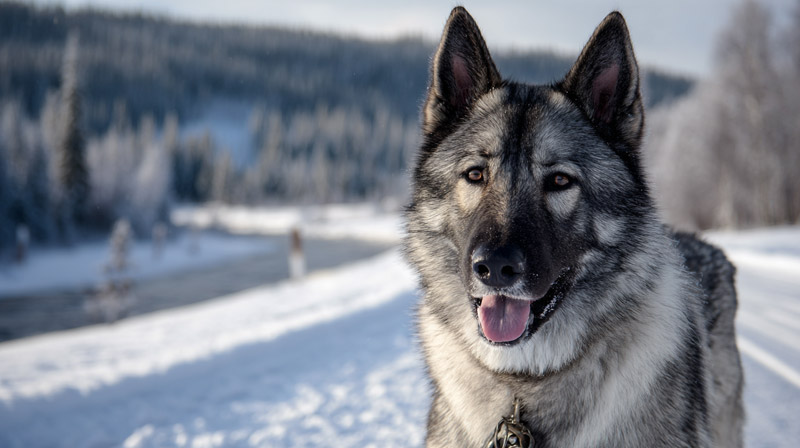
Cold weather tolerance exceeds most breeds. This Nordic hunting dog thrives in sub-zero temperatures that would sideline other dogs.
Their Arctic breed origins show in every adaptation. Short, thick legs provide stability on ice and snow.
Compact feet with well-arched toes act like natural snowshoes. Dense fur between the pads prevents ice buildup.
Temperament and Personality Traits
Core Behavioral Characteristics
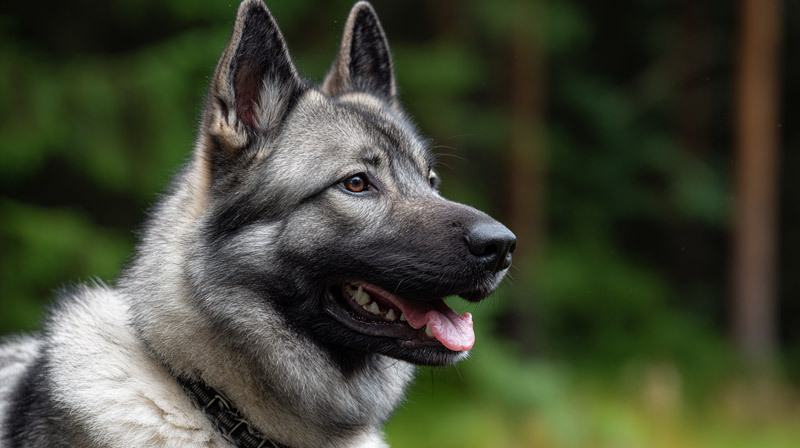
The independent temperament challenges even experienced owners. These dogs think for themselves, a trait bred for survival in harsh Norwegian forests.
Bold fearless character defines their approach to life. They’ll face down a moose or defend their family without hesitation.
Self-reliant nature means they don’t constantly seek approval. They make decisions and act on them, whether you agree or not.
Family and Social Dynamics
Loyal family guardian instincts run deep in this breed. They form intense bonds with their people but remain somewhat aloof with strangers.
Pack hunting instincts create strong family hierarchies. They need to know their place in the household structure.
Territorial protective instincts make them excellent watchdogs. They’ll announce every visitor, delivery truck, and suspicious squirrel.
Children generally receive patient tolerance, but early socialization remains critical. Their size and energy can overwhelm small kids during play.
Energy and Drive Characteristics
High exercise needs aren’t negotiable with this breed. Plan for at least two hours of vigorous activity daily.
Strong prey drive kicks in around anything that moves. Squirrels, cats, and small dogs trigger their hunting instincts instantly.
Vocal barking tendencies express their Nordic heritage. They “sing” to communicate, especially when bored or excited.
The working dog classification reflects their need for purpose. Without a job, they’ll create their own entertainment (usually destructive).
Training and Obedience Considerations
Training Challenges and Approaches
The independent thinking that made them valuable hunting partners creates modern training headaches. They question every command and decide whether compliance benefits them.
Traditional dominance-based methods backfire spectacularly. These dogs shut down or become rebellious when faced with harsh corrections.
Positive reinforcement methods work best, but patience remains key. Food motivation varies wildly between individuals.
Short, engaging sessions prevent boredom. Their attention span for repetitive exercises is notoriously brief.
Building Foundation Skills
Consistency requirements apply to every family member. Mixed messages confuse them and slow progress significantly.
House training timeline expectations should be realistic. Most Norwegian Elkhounds master housebreaking by six months with consistent effort.
Basic obedience command priorities include recall, stay, and leash manners. These prevent common behavioral issues before they develop.
Leash training considerations become crucial early. Their strong prey drive and pulling strength can drag unprepared owners.
Advanced Training Opportunities
Tracking and scent work abilities showcase their natural talents. These activities satisfy their working instincts while building the human-dog bond.
Many excel in agility despite their independent streak. The mental challenge keeps them engaged better than repetitive obedience work.
Therapy dog potential exists in well-socialized individuals. Their calm confidence can comfort people in stressful situations.
Early socialization prevents fear-based aggression. Expose puppies to various people, animals, and environments before 16 weeks.
Motivation and Reward Systems
Finding the right motivator takes patience. Some respond to food, others prefer play, and a few work solely for praise.
Training sessions should end on positive notes. Frustrated dogs learn to avoid training rather than participate willingly.
Mental stimulation prevents destructive behaviors. Puzzle toys and problem-solving games satisfy their intelligent minds.
Professional training classes provide structure and socialization. Group settings teach impulse control around other dogs and people.
The hardy resilient constitution of this breed extends to their learning ability. They remember both positive and negative experiences for years.
Exercise Requirements and Activities
Daily Exercise Minimums
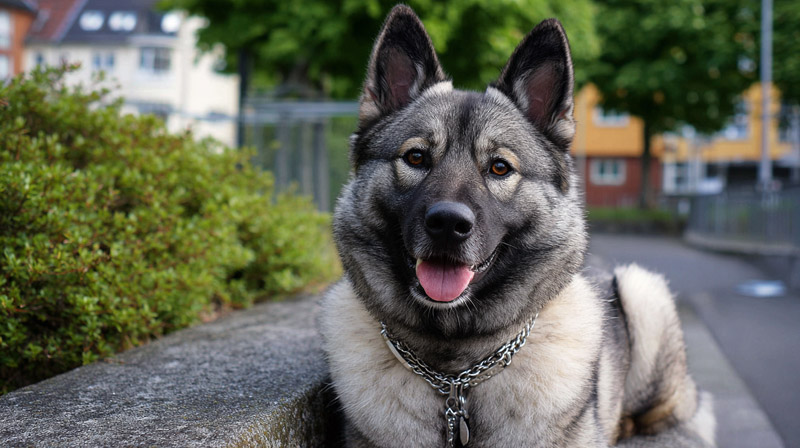
High exercise needs define this breed’s daily routine. Plan for two hours minimum of vigorous physical activity every single day.
Morning and evening sessions work best for their energy patterns. Split exercise prevents overexertion while maintaining consistent outlets.
Age-appropriate modifications matter significantly. Puppies need shorter bursts, while seniors require gentler activities but consistent movement.
Physical Activity Options
Hiking companion dogs excel on mountain trails and forest paths. Their endurance hunting partner heritage shines during long outdoor adventures.
Running partnerships satisfy their athletic requirements perfectly. They’ll easily match a six-mile pace without breaking stride.
Swimming provides excellent low-impact exercise. Many Norwegian Elkhounds love water despite their Arctic origins.
Mental exhaustion equals physical tiredness for this intelligent breed. Combine physical activities with problem-solving challenges.
Suitable Activities and Sports
Dog sports participation offers structured outlets for their energy. Agility courses challenge both mind and body simultaneously.
Tracking events tap into their natural scenting abilities. These Nordic hunting dogs excel at following scent trails for hours.
Canicross and bikejoring provide intense cardio workouts. Their strong prey drive translates beautifully into pulling sports.
Weight pulling competitions showcase their incredible strength. Proper conditioning prevents injury during these demanding events.
Mental Exercise and Enrichment
Puzzle toys occupy their intelligent minds when physical exercise isn’t possible. Rotate toys weekly to maintain interest.
Scent work exercises satisfy their working dog instincts. Hide treats around the house or yard for discovery games.
Interactive play sessions strengthen the human-dog bond. Tug-of-war and fetch provide both physical and mental stimulation.
Training sessions count as mental exercise. Short, frequent lessons challenge their independent thinking patterns.
Health Profile and Medical Considerations
Common Health Issues
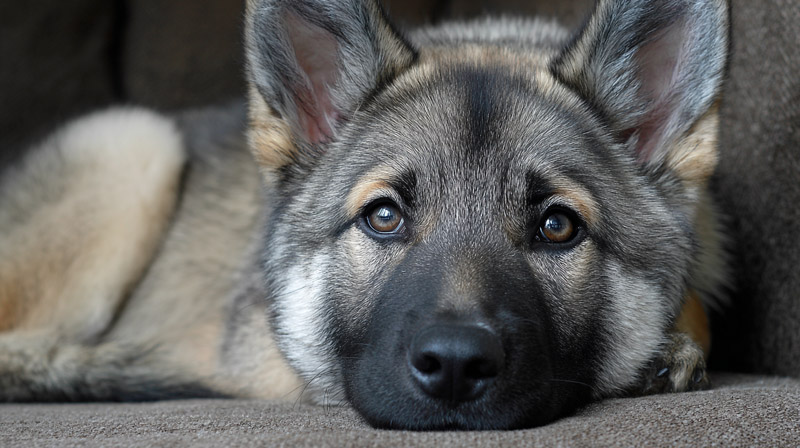
Hip dysplasia affects roughly 20% of Norwegian Elkhounds according to breed surveys. Parents should have OFA or PennHIP clearances before breeding.
Progressive retinal atrophy occurs in some bloodlines. Annual eye examinations by veterinary ophthalmologists catch problems early.
Hypothyroidism appears more frequently than in many breeds. Symptoms include weight gain, lethargy, and coat quality changes.
Elbow dysplasia occasionally develops in working lines. Proper nutrition during puppyhood helps prevent developmental issues.
Genetic Testing and Screening
Health testing requirements should include hip and elbow X-rays after age two. Responsible breeders provide these clearances willingly.
Eye clearances need annual updates throughout a dog’s breeding career. CERF exams detect inherited eye problems before they progress.
Thyroid panels establish baseline values for future comparison. Many veterinarians recommend testing every few years after age four.
Cardiac screenings rule out heart abnormalities. While uncommon in the breed, early detection prevents exercise restrictions.
Preventive Health Care
Regular veterinary checkups catch problems before they become serious. Annual wellness visits include vaccinations and parasite prevention.
Vaccination schedules follow standard protocols with rabies, DHPP, and bordetella. Lyme disease vaccines make sense in endemic areas.
Parasite prevention covers fleas, ticks, and internal parasites year-round. Monthly preventatives work better than seasonal approaches.
Dental care starts early with regular brushing and dental chews. Many dogs need professional cleanings by age five.
Lifespan and Aging Considerations
Average life expectancy ranges from 12 to 15 years with proper care. Quality breeding and preventive medicine extend healthy years significantly.
Senior care adjustments begin around age eight to nine. Joint supplements, modified exercise, and regular monitoring become important.
Weight management grows critical with age as metabolism slows. Adjust portions based on activity levels rather than calendar age.
Grooming and Maintenance Needs
Coat Care Requirements
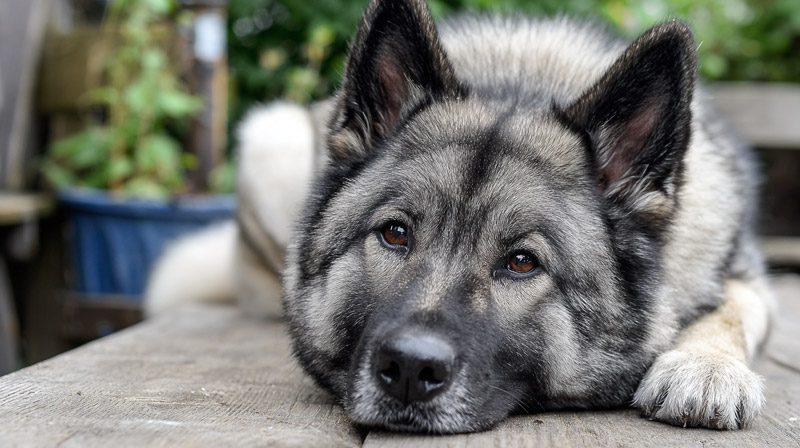
Regular brushing frequency depends on season and individual coat density. Daily brushing during shedding seasons prevents matting disasters.
A slicker brush removes loose undercoat effectively. Follow with a metal comb to catch any remaining tangles.
Professional grooming every 6-8 weeks maintains coat health. Expert groomers understand spitz coat structure better than most owners.
Never shave a double coat completely. The undercoat provides insulation for both hot and cold weather protection.
Seasonal Shedding Management
Seasonal coat blowout transforms your home into a fur wonderland twice yearly. Spring and fall shedding lasts 2-3 weeks each time.
Daily brushing becomes non-negotiable during blowout periods. Expect to fill multiple trash bags with loose fur.
Professional deshedding treatments speed the process significantly. Many groomers offer specialized packages during shedding seasons.
High-quality vacuums designed for pet hair become essential household equipment. Robot vacuums help between thorough cleaning sessions.
Basic Hygiene Practices
Nail trimming schedules should happen every 2-3 weeks for most dogs. Active dogs on hard surfaces may need less frequent attention.
Ear cleaning prevents wax buildup and infections. Weekly inspection catches problems before they require veterinary treatment.
Teeth brushing three times weekly maintains oral health. Start early so dogs accept the routine willingly.
Bathing and Skin Care
Bathing frequency rarely exceeds once monthly unless dogs get into something nasty. Over-bathing strips natural oils from their weather-resistant coat.
Use shampoos designed for double coats. Human products or harsh detergents damage the coat structure permanently.
Thorough rinsing prevents skin irritation from soap residue. Spend twice as long rinsing as you did shampooing.
Air drying works better than blow dryers for most dogs. Force drying can damage the delicate undercoat structure.
Grooming Tools and Equipment
Essential tools include:
- Slicker brush for daily maintenance
- Metal comb for detail work
- Nail clippers (guillotine or scissor type)
- Ear cleaning solution and cotton balls
- Dog-specific toothbrush and paste
- High-quality vacuum for cleanup
Invest in professional-grade tools that last for years. Cheap brushes break quickly and don’t work effectively on dense coats.
Skin and Coat Health Monitoring
Watch for changes in coat texture or skin condition. Sudden dullness or excessive scratching indicates potential health problems.
Hot spots develop quickly in dense coats during warm weather. Early treatment prevents serious skin infections.
Seasonal allergies affect some individuals more than others. Keep detailed records of symptoms and timing for veterinary consultations.
Nutrition and Feeding Guidelines
Dietary Requirements by Life Stage
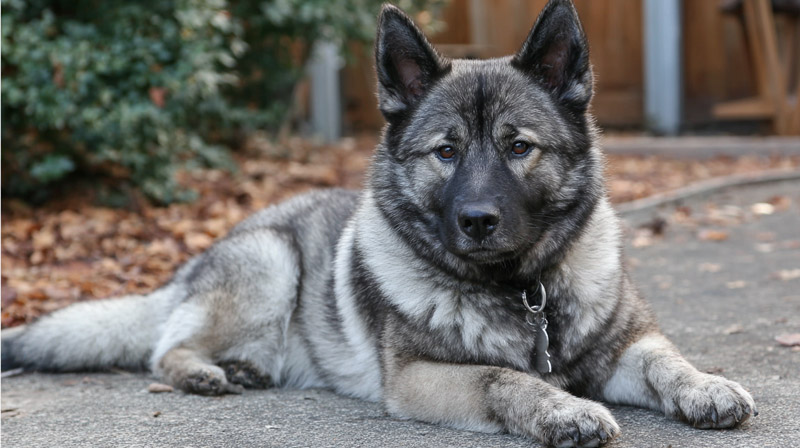
Puppy nutrition needs change rapidly during the first year. High-quality protein supports their incredible growth rate effectively.
Feed puppies three times daily until six months old. Transition to twice-daily meals afterward to prevent bloat risks.
Adult maintenance diets should contain 22-26% protein minimum. Active working dogs need higher protein levels than couch potatoes.
Senior feeding adjustments begin around age seven. Reduce calories by 20% unless the dog maintains heavy exercise routines.
Protein and Nutrient Specifications
High-quality protein requirements come from whole meat sources rather than by-products. Look for named meats like chicken, salmon, or lamb.
Fat content should range between 12-16% for most adults. Working dogs need higher fat levels for sustained energy.
Avoid grain-free diets linked to dilated cardiomyopathy. Reputable brands with grains provide balanced nutrition safely.
Omega-3 fatty acids support coat health and joint function. Fish oil supplements benefit most Norwegian Elkhounds significantly.
Feeding Management Practices
Portion control prevents obesity in this food-motivated breed. Many owners overfeed based on pleading eyes rather than body condition.
Use measuring cups instead of eyeballing portions. A kitchen scale provides the most accurate measurements.
Treat allocation shouldn’t exceed 10% of daily calories. Training treats add up quickly during intensive sessions.
Free feeding creates resource guarding and overeating problems. Scheduled meals work better for most dogs.
Food Quality and Selection
Commercial dog food brands vary wildly in quality and price. Read ingredient lists carefully before choosing.
Avoid foods with excessive fillers, artificial colors, or by-products. Your dog’s health depends on ingredient quality.
Homemade diets require veterinary nutritionist consultation. Balancing nutrients properly takes professional knowledge.
Raw feeding works for some owners but carries contamination risks. Proper handling and sourcing become critical factors.
Special Dietary Considerations
Food allergies affect some individuals more than others. Common triggers include beef, chicken, and dairy products.
Hypothyroid dogs need carefully monitored calories and exercise. Weight gain happens quickly with reduced metabolism.
Senior dogs with kidney issues require phosphorus restriction. Prescription diets address specific health conditions effectively.
Living Arrangements and Housing Needs
Space Requirements
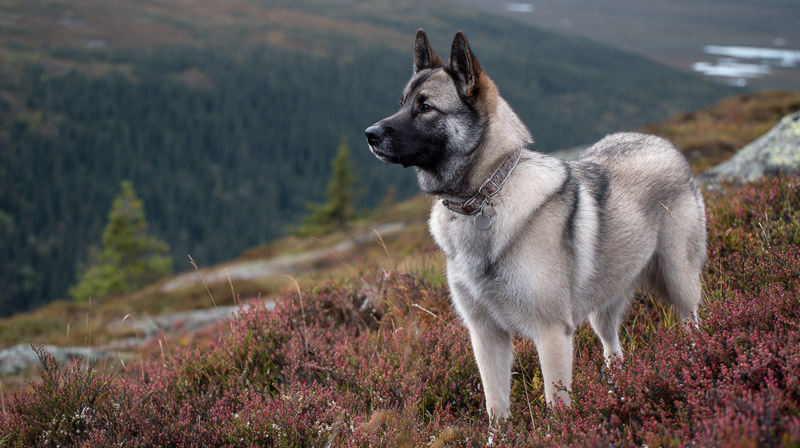
Apartment living poses serious challenges for this high-energy breed. Small spaces amplify their exercise and mental stimulation needs.
Houses with yards provide better living situations. Secure fencing becomes absolutely essential for safety.
Indoor space should accommodate a 50-pound dog comfortably. They need room to stretch and move around freely.
Fencing and Outdoor Safety
Secure fencing requirements include six-foot heights minimum. These athletic dogs jump surprisingly high when motivated.
Underground fencing won’t contain a Norwegian Elkhound with strong prey drive. Physical barriers work much better than shock systems.
Gate latches need dog-proof mechanisms. Many learn to open simple latches through observation.
Yard inspections should happen regularly for escape routes. They’ll find weaknesses you never noticed.
Climate Considerations
Cold weather adaptation makes them happiest in cooler climates. Hot summers require careful management and air conditioning.
Southern climates pose heat stress risks during exercise. Early morning and late evening activities work better.
Provide multiple water sources during warm weather. Dehydration happens quickly in dense-coated breeds.
Shade structures become essential for outdoor time. Trees or artificial shade prevent overheating problems.
Indoor Living Management
Furniture protection matters when sharing space with shedding, active dogs. Leather holds up better than fabric.
Establish clear boundaries about furniture access early. Consistency from all family members prevents confusion.
Crate training provides safe spaces and house training help. Adult-sized crates should measure 42 inches minimum.
Neighborhood Compatibility
Vocal tendencies may annoy close neighbors in urban settings. Early training reduces excessive barking problems.
Socialization with neighborhood dogs prevents territorial issues. Controlled introductions work better than fence-line meetings.
Walking routes should avoid off-leash dog areas initially. Their prey drive creates unpredictable reactions.
Breeding and Puppy Selection
Responsible Breeding Practices
Health testing requirements separate ethical breeders from puppy mills. Hip clearances, eye exams, and thyroid panels are mandatory.
Breeding frequency shouldn’t exceed every other heat cycle. Female dogs need recovery time between litters.
Genetic diversity matters in this relatively small gene pool. Outcrossing to unrelated lines improves overall breed health.
Age restrictions apply to breeding dogs. Females shouldn’t breed before two years or after seven years old.
Breeder Evaluation Criteria
Ethical breeder identification starts with health testing transparency. Ask for copies of all clearances directly.
Meet the parents when possible. Temperament passes from generation to generation consistently.
Puppy mill avoidance requires visiting the breeding facility. Legitimate breeders welcome interested buyers.
References from previous puppy buyers provide honest feedback. Contact several families with older dogs.
Health Clearance Documentation
Hip and elbow clearances should come from OFA or PennHIP. Accept nothing less than “Good” ratings for breeding stock.
Eye clearances need annual renewal throughout breeding careers. CERF or OFA eye registry documentation works.
Thyroid testing establishes normal function before breeding. Many lines carry thyroid problems genetically.
Cardiac clearances rule out inherited heart defects. Board-certified cardiologists provide the most thorough exams.
Puppy Evaluation and Selection
Temperament testing reveals personality traits at seven weeks old. Look for confident, curious puppies rather than shy or aggressive ones.
Early socialization indicators include exposure to household sounds, children, and other pets. Well-socialized puppies adapt better.
Physical examination should reveal healthy eyes, clean ears, and normal gait. Avoid puppies with obvious defects.
New Puppy Preparation
Home preparation starts weeks before pickup day. Puppy-proof the house like you would for toddlers.
Essential supplies include:
- Appropriately sized crate
- Food and water bowls
- High-quality puppy food
- Collar, leash, and ID tag
- Toys for teething and play
- Cleaning supplies for accidents
Initial veterinary care should happen within 48 hours of bringing puppy home. Establish the relationship early.
Puppy kindergarten classes start after second vaccinations. Early training prevents behavioral problems later.
Puppy Mill Red Flags
Avoid breeders who:
- Meet you in parking lots or pet stores
- Have multiple breeds available constantly
- Can’t provide health clearances immediately
- Refuse facility visits
- Seem primarily motivated by profit
- Have puppies available year-round
Responsible breeders often have waiting lists and interview potential buyers carefully. They care about puppy placement quality over quantity.
Cost Considerations and Ownership Economics
Initial Purchase and Setup Costs
Puppy purchase price ranges from $1,200 to $3,000 depending on breeder reputation and bloodlines. Show-quality dogs from champion lines command premium prices.
Pet-quality dogs cost less but still require the same health testing. Avoid bargain puppies that lack proper health clearances.
Registration papers add value but don’t guarantee quality. Focus on health testing over fancy pedigrees when budget shopping.
Essential Equipment Investment
Initial supplies create significant upfront expenses beyond the puppy cost. Quality equipment lasts longer than cheap alternatives.
Required gear includes:
- Heavy-duty crate ($150-300)
- Quality food and water bowls ($30-60)
- Collar, leash, and harness ($40-80)
- Grooming tools and brushes ($75-150)
- Toys and enrichment items ($50-100)
- First-aid supplies ($30-50)
Professional training classes cost $100-200 for basic puppy courses. Boston Terrier owners often share similar training expenses.
Veterinary Care Setup
Initial veterinary costs include examination, vaccinations, and preventive treatments. Budget $300-500 for the first few months.
Spay or neuter surgery costs $250-600 depending on location and clinic. Early spaying prevents certain cancers later.
Microchipping provides permanent identification for $50-75. This one-time expense pays for itself if your dog gets lost.
Ongoing Monthly and Annual Expenses
Food and Nutrition Costs
Monthly food expenses range from $40-80 for quality kibble. Active dogs eat more than couch potatoes consistently.
Treats and training rewards add $15-25 monthly. High-value treats cost more but work better for stubborn personalities.
Supplements like joint support or fish oil cost $20-40 monthly. Many owners start these around age five proactively.
Regular Health Maintenance
Annual veterinary expenses average $400-800 for healthy adults. Senior dogs typically cost more due to increased monitoring needs.
Vaccinations need yearly boosters after the puppy series. Core vaccines cost $75-150 annually depending on regional requirements.
Dental cleanings become necessary every 2-3 years. Professional cleanings range from $300-800 including anesthesia.
Parasite prevention runs $200-400 yearly for quality products. Monthly preventatives work better than seasonal treatments.
Grooming and Maintenance
Professional grooming costs $60-120 every 6-8 weeks. Seasonal shedding periods may require additional appointments.
Nail trims cost $15-25 if you can’t do them yourself. Many dogs need monthly professional attention.
Grooming supplies need periodic replacement. Brushes wear out faster with double-coated breeds like the Siberian Husky.
Emergency and Unexpected Costs
Medical Emergency Planning
Emergency fund recommendations suggest $3,000-5,000 minimum for sudden health crises. Major surgeries easily exceed $5,000.
Hip dysplasia surgery costs $1,500-6,000 per hip. Many dogs need both hips addressed eventually.
Cancer treatment expenses vary dramatically by type and treatment approach. Chemotherapy protocols can cost $3,000-8,000.
Bloat surgery requires immediate intervention costing $2,000-5,000. Time-sensitive emergencies don’t allow price shopping.
Training and Behavioral Support
Professional training becomes necessary when problems develop. Private sessions cost $75-150 per hour.
Board-and-train programs cost $2,000-4,000 for intensive behavioral modification. Severe aggression or anxiety issues may require this investment.
Behavioral consultations with certified specialists cost $200-400 initially. Follow-up sessions continue the expense.
Pet Insurance Considerations
Pet insurance premiums range from $30-80 monthly depending on coverage level. Accident-only policies cost less than comprehensive plans.
Pre-existing conditions get excluded from coverage. Enroll puppies before problems develop for maximum protection.
Deductibles and reimbursement percentages affect actual coverage. Read policy details carefully before purchasing.
Some breeds face higher premiums due to genetic predispositions. The Alaskan Malamute experiences similar insurance challenges.
Lifetime Financial Commitment
Total ownership costs easily reach $15,000-25,000 over a dog’s lifetime. Factor in inflation for long-term planning.
Senior care expenses increase significantly during the final years. Quality of life decisions affect both emotional and financial costs.
End-of-life care can cost thousands for chemotherapy or palliative treatments. Plan for difficult decisions ahead of time.
Cost-Saving Strategies
Preventive care reduces long-term expenses significantly. Regular checkups catch problems before they become expensive.
Learning basic grooming skills saves hundreds annually. Nail trims, ear cleaning, and brushing require minimal equipment.
Group training classes cost less than private sessions. Many dogs learn better in social environments anyway.
Generic medications often work as well as brand names. Ask veterinarians about cost-effective alternatives.
Budget Planning Tips
Track monthly pet expenses for realistic budgeting. Many owners underestimate the true cost of ownership.
Emergency credit cards or care credit provide backup payment options. Veterinary emergencies don’t wait for payday.
Annual wellness plans spread costs evenly throughout the year. Some veterinary clinics offer payment programs.
FAQ on Norwegian Elkhound
Are Norwegian Elkhounds good family dogs?
Norwegian Elkhounds make loyal family guardians but require experienced owners. Their independent temperament and high exercise needs challenge first-time dog owners.
They bond closely with family members but remain aloof with strangers. Proper socialization prevents overprotective behaviors.
How much exercise do Norwegian Elkhounds need?
High exercise needs demand two hours daily minimum. This Nordic hunting dog requires vigorous physical activity plus mental stimulation.
Without adequate exercise, they become destructive and vocal. Their working dog classification reflects their need for purposeful activity.
Do Norwegian Elkhounds shed a lot?
Seasonal coat blowout happens twice yearly with massive fur loss. Daily brushing during these periods prevents household fur disasters.
The double coat shedding continues year-round at moderate levels. Regular grooming reduces but never eliminates the fur.
Are Norwegian Elkhounds easy to train?
Independent thinking makes training challenging for inexperienced handlers. They question commands and decide whether compliance benefits them.
Positive reinforcement works better than dominance methods. Short, engaging sessions prevent boredom and maintain attention.
How big do Norwegian Elkhounds get?
Males reach 20.5 inches tall weighing 48-55 pounds. Females measure 19.5 inches and weigh 40-48 pounds typically.
Their compact square build creates a sturdy, well-balanced appearance. Athletic agile movement characterizes their natural gait.
Can Norwegian Elkhounds live in apartments?
Apartment living poses serious challenges for this high-energy breed. Small spaces amplify their exercise and mental stimulation requirements dramatically.
Houses with secure yards provide better living situations. Their vocal barking tendencies may disturb close neighbors.
What health problems do Norwegian Elkhounds have?
Hip dysplasia affects roughly 20% of the breed population. Progressive retinal atrophy and hypothyroidism occur in some bloodlines.
Responsible breeders provide health clearances including hip, elbow, and eye examinations. Genetic testing helps identify carriers.
How long do Norwegian Elkhounds live?
Average life expectancy ranges from 12-15 years with proper care. Quality breeding and preventive medicine extend healthy years significantly.
Senior care adjustments begin around age eight. Weight management and joint support become increasingly important.
Do Norwegian Elkhounds get along with other dogs?
Pack hunting instincts create complex social dynamics with other dogs. Early socialization prevents territorial and dominance issues.
They generally accept dogs they’re raised with but may challenge unfamiliar dogs. Size and energy can overwhelm smaller breeds.
How much do Norwegian Elkhounds cost?
Initial purchase prices range from $1,200-3,000 depending on breeder quality and bloodlines. Lifetime ownership costs reach $15,000-25,000 total.
Monthly expenses average $150-250 including food, preventive care, and grooming. Emergency medical costs require additional planning.
Conclusion
The Norwegian Elkhound demands serious commitment from potential owners who understand their unique needs. This ancient bloodline heritage creates both remarkable qualities and significant challenges for modern families.
Their bold fearless character and strong prey drive require experienced handling. New dog owners often struggle with their self-reliant nature and vocal communication style.
Responsible dog ownership includes realistic assessment of your lifestyle before bringing home this breed. They need active families who enjoy outdoor adventures and consistent training.
The hardy resilient constitution that helped them survive Arctic conditions now helps them thrive as family companions. Their territorial protective instincts and pack hunting background create devoted but demanding pets.
Success with this breed requires understanding their working dog classification and respecting their intelligence. The German Shepherd Dog shares similar training challenges but different energy outlets.
Consider your long-term commitment carefully. These dogs live 12-15 years and maintain high energy throughout most of their lifespan.