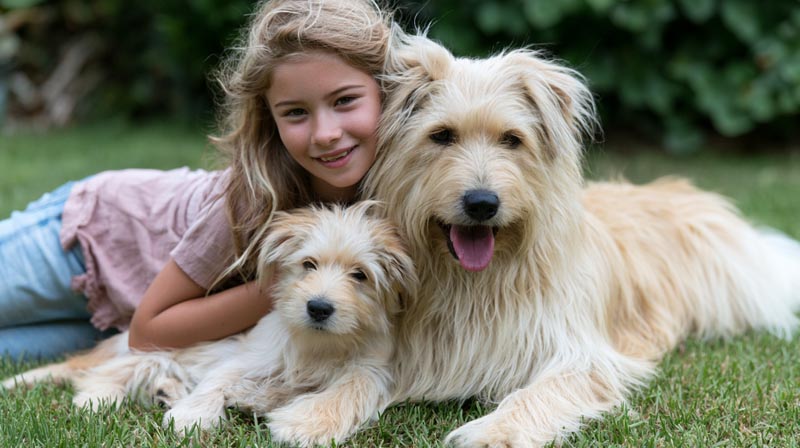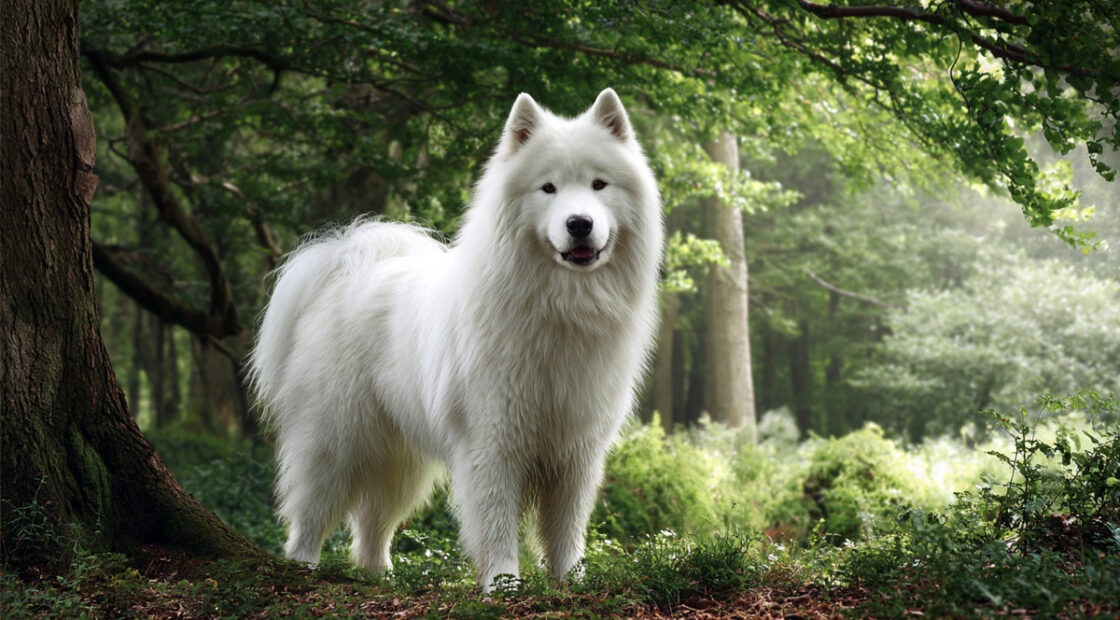
That perpetual smile isn’t just for show. Samoyeds combine stunning Arctic beauty with genuine friendliness, making them one of the most beloved spitz breeds worldwide.
These fluffy white dogs originated alongside the Samoyede people of Siberia, where they herded reindeer and pulled sleds through brutal winters. Their thick double coat and hardy constitution reflect thousands of years of Arctic survival.
Modern families discover that Samoyeds bring both joy and challenges to household life. Their high energy levels and grooming needs require serious commitment from prospective owners.
This guide covers everything from health screening and daily care to training techniques and family integration. You’ll learn how to choose a reputable breeder, manage seasonal shedding, and create exercise routines that satisfy their working heritage.
Whether you’re considering adding a Samoyed puppy to your family or already share your home with one of these loyal companions, understanding their unique needs helps build stronger relationships and healthier dogs.
Samoyed Statistics
| Characteristic | Details |
|---|---|
| Size | Medium to Large |
| Weight | Males: 45-65 lbs, Females: 35-50 lbs |
| Height | Males: 21-23.5 inches, Females: 19-21 inches |
| Lifespan | 12-14 years |
| Coat Type | Double coat (dense undercoat + longer guard hairs) |
| Coat Colors | White, cream, white with biscuit |
| Shedding Level | High (seasonal blowouts twice yearly) |
| Energy Level | High |
| Exercise Needs | 90+ minutes daily |
| Trainability | Moderate to High (independent thinkers) |
| Good with Kids | Excellent |
| Good with Pets | Good with proper socialization |
| Barking Tendency | Moderate to High |
| Grooming Needs | High (daily brushing required) |
| Climate Tolerance | Excellent in cold, struggles in heat |
| Apartment Suitable | No (needs space and high activity) |
| First-time Owner | Moderate (requires commitment) |
| Guard Dog Ability | Alert but friendly (poor guard dogs) |
| Origin | Siberia |
| Breed Group | Working Group |
| AKC Recognition | 1906 |
| Common Health Issues | Hip dysplasia, PRA, heart conditions |
| Average Price | $1,200-3,000 from reputable breeders |
Understanding Samoyed Health and Genetics
Common Health Issues in the Breed
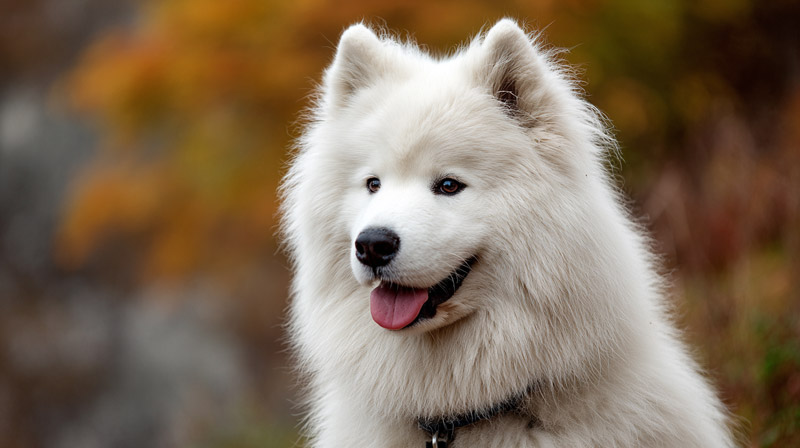
Hip dysplasia ranks among the most serious concerns for Samoyed owners. This genetic condition affects the hip joint’s development and can limit your dog’s mobility as they age.
Progressive retinal atrophy strikes many Arctic breeds including Samoyeds. This eye condition gradually destroys vision cells, potentially leading to blindness.
Samoyed hereditary glomerulopathy affects kidney function specifically in this breed. Early detection through genetic screening helps manage this serious condition.
Heart Health and Cardiac Concerns
Cardiac issues can develop silently in Samoyeds. Regular veterinary checkups catch problems before they become life-threatening.
Aortic stenosis appears more frequently in spitz breeds. Your vet should listen for heart murmurs during routine examinations.
Genetic Testing and Health Screening
DNA testing reveals hidden genetic issues before breeding or health problems emerge. Responsible breeders provide health clearances from both parents.
Health testing should include hip and elbow evaluations. Eye exams from certified veterinary ophthalmologists protect against inherited vision problems.
The Canine Health Information Center maintains databases of health clearances. Check these records when selecting a breeder or understanding your dog’s background.
Metabolic and Hormonal Conditions
Diabetes affects some Samoyeds, particularly overweight dogs. Watch for excessive thirst, frequent urination, and unexplained weight loss.
Hypothyroidism slows metabolism and can cause weight gain despite normal eating habits. Blood tests diagnose this treatable condition.
Lifespan and Aging Considerations
Samoyeds typically live 12-14 years with proper care. Their Arctic heritage contributes to generally robust health compared to many breeds.
Senior dogs need adjusted exercise routines and more frequent health monitoring. Joint supplements and modified diets support aging bodies.
Regular wellness exams become more important as your dog ages. Catching issues early extends both lifespan and quality of life.
Grooming Your Fluffy Friend
Understanding the Double Coat System
The Samoyed double coat consists of a soft, dense undercoat beneath longer guard hairs. This system insulates against both heat and cold when properly maintained.
Seasonal shedding cycles intensify twice yearly. Your fluffy companion will “blow” their entire undercoat during these periods.
Daily Brushing Requirements
Daily brushing prevents matting and reduces household shedding. Neglecting this routine leads to painful mats that require professional removal.
Start at the skin level and work outward through each section. Pin brushes work best for the initial pass, followed by a slicker brush for finishing.
Pay special attention to areas prone to matting. Behind the ears, under the legs, and around the collar area need extra care.
Essential Grooming Tools
A quality pin brush handles the bulk of daily maintenance. Look for cushioned pins that won’t scratch sensitive skin.
Slicker brushes remove loose undercoat during shedding season. Use gentle pressure to avoid creating brush burn.
Undercoat rakes penetrate deep into the coat during blowout periods. These specialized tools remove dead undercoat efficiently.
Bathing Your Samoyed
Monthly baths maintain coat health without stripping natural oils. More frequent bathing can dry the skin and damage the coat’s protective properties.
Choose shampoos designed for double-coated breeds. Human products disrupt the pH balance of canine skin.
Thorough rinsing prevents soap residue that attracts dirt. Leftover shampoo can cause skin irritation and premature matting.
Professional Grooming Services
Professional groomers handle seasonal coat blowouts more efficiently than most owners. They have industrial-strength dryers and specialized tools.
Never shave a Samoyed‘s coat completely. The double coat regulates temperature and protects against sunburn.
Nail trimming requires steady hands and proper tools. Most dogs tolerate professional nail care better than home attempts.
Managing Seasonal Shedding
Spring and fall bring intense shedding periods lasting 2-3 weeks. Increase brushing frequency to twice daily during these times.
High-velocity dryers remove loose undercoat more effectively than brushing alone. Many professional groomers offer “de-shedding” services.
Proper nutrition supports healthy coat growth and reduces excessive shedding. Omega-3 supplements can improve coat quality.
Training Your Intelligent Companion
Samoyed Intelligence and Learning Style
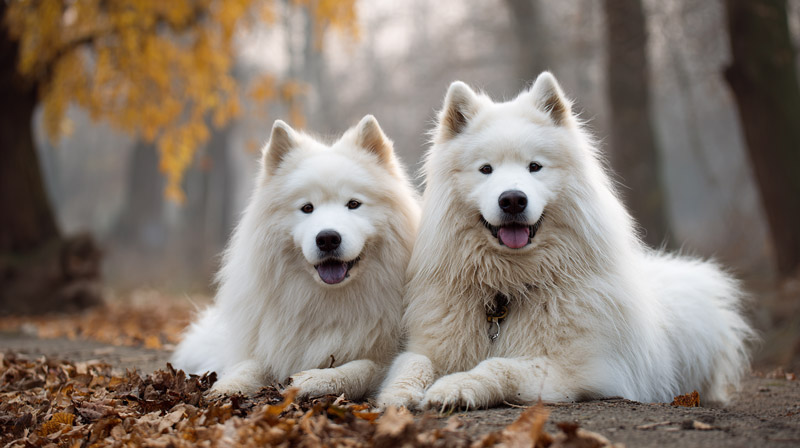
Samoyeds possess high intelligence but maintain an independent streak inherited from their working heritage. They think for themselves rather than blindly following commands.
This breed responds better to positive reinforcement than harsh corrections. Their sensitive nature shuts down under pressure.
Problem-solving abilities make training sessions engaging but challenging. Your Samoyed will test boundaries and find creative solutions.
Early Puppy Training Foundations
Puppy socialization begins the moment you bring your Samoyed home. Expose them to various people, sounds, and experiences during their critical learning period.
House training requires consistency and patience. Samoyeds are naturally clean but need clear routines to succeed.
Crate training provides security and aids in house training. Make the crate a positive space with comfortable bedding and special treats.
Basic Obedience Commands
Start with simple commands like “sit” and “stay.” Samoyeds learn quickly but need motivation to comply consistently.
Positive training methods work best with this breed’s gentle temperament. Treats, praise, and play make excellent motivators.
Practice commands in different locations and situations. Samoyeds tend to be context-specific learners who need generalization training.
Addressing Behavioral Challenges
Barking behavior comes naturally to this breed’s guardian instincts. Teaching “quiet” commands early prevents nuisance barking later.
Digging satisfies instinctual behaviors developed in harsh Arctic conditions. Provide designated digging areas or sandbox alternatives.
Separation anxiety affects many Samoyeds due to their pack-oriented nature. Gradual departures and arrival routines reduce stress.
Advanced Training Opportunities
Mental stimulation challenges prevent boredom-related behaviors. Puzzle toys and training sessions engage their active minds.
Agility training suits the Samoyed’s athletic build and intelligence. These activities strengthen the human-dog bond while providing exercise.
Therapy dog training appeals to their gentle, friendly nature. Many Samoyeds excel in hospital and school visitation programs.
Leash Training for Strong Dogs
Samoyeds pull naturally due to their sledding history. Proper leash training requires patience and consistent techniques.
Front-clip harnesses reduce pulling more effectively than traditional collars. These tools redirect forward motion sideways instead of backward.
Loose leash walking takes months to master with strong, enthusiastic dogs. Start training in low-distraction environments before progressing to busy areas.
Training Throughout Different Life Stages
Puppy training focuses on socialization and basic manners. Young Samoyeds have short attention spans but high energy for learning.
Adult dogs can learn complex tasks and refined behaviors. Their maturity allows for longer training sessions and higher expectations.
Senior dogs benefit from mental exercise that doesn’t strain aging joints. Training keeps their minds sharp as their bodies slow down.
Exercise and Activity Requirements
Daily Exercise Minimums
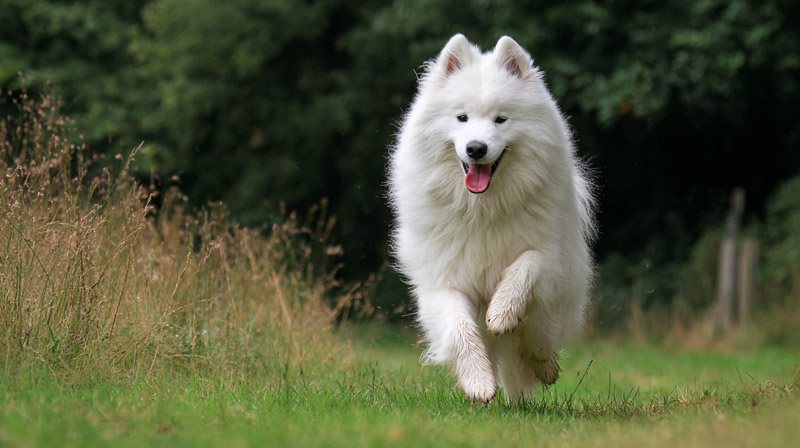
Adult Samoyeds need at least 90 minutes of exercise daily. This breed’s high energy level demands more activity than many owners expect.
Puppies require shorter, more frequent exercise sessions. Their developing joints can’t handle the same intensity as fully grown dogs.
Age-Specific Activity Guidelines
Young puppies under 6 months should exercise for 5 minutes per month of age, twice daily. Overexercising can damage growing bones and joints.
Senior Samoyeds benefit from gentler activities like leisurely walks and swimming. Adjust intensity based on their individual mobility and health status.
Adult dogs in their prime years (2-7 years) can handle the most demanding activities. This is when hiking, jogging, and dog sports work best.
Weather Considerations for Exercise
Cold weather brings out the best in Samoyeds. They thrive in snow and can exercise longer in winter conditions.
Hot weather requires careful monitoring and adjusted schedules. Exercise early morning or evening when temperatures drop.
Provide shade and water during summer activities. Watch for signs of overheating like excessive panting or lethargy.
Indoor Exercise Options
Bad weather doesn’t excuse skipping exercise sessions. Puzzle toys and training sessions provide mental stimulation indoors.
Stair climbing (for healthy adults) burns energy quickly. Interactive games like hide-and-seek engage both mind and body.
Treadmill training works for some dogs but requires gradual introduction. Never force a fearful dog onto exercise equipment.
Outdoor Activities That Samoyeds Love
Hiking satisfies their working heritage and provides excellent exercise. Start with shorter trails and build endurance gradually.
Swimming offers low-impact exercise perfect for dogs with joint issues. Not all Samoyeds naturally love water, so introduce it slowly.
Sledding and cart pulling tap into instinctual behaviors. These activities require proper equipment and gradual conditioning.
Dog Sports and Competitions
Agility training combines physical exercise with mental challenges. Samoyeds excel at this sport due to their intelligence and athleticism.
Obedience competitions showcase the breed’s trainability. Regular practice sessions provide both exercise and bonding opportunities.
Rally obedience offers a less formal introduction to dog sports. It’s perfect for dogs just starting competitive activities.
Signs of Adequate Exercise
A well-exercised Samoyed settles calmly at home. Destructive behaviors often indicate insufficient physical activity.
Good appetite and sleep patterns suggest proper exercise levels. Overexercised dogs may seem restless or unusually tired.
Exercise Safety Considerations
Check paw pads regularly for cuts or wear. Hot pavement can burn sensitive foot pads in summer.
Carry water on longer outings, even in cool weather. Dehydration affects dogs faster than many owners realize.
Feeding and Nutrition Guidelines
Life Stage Nutritional Needs
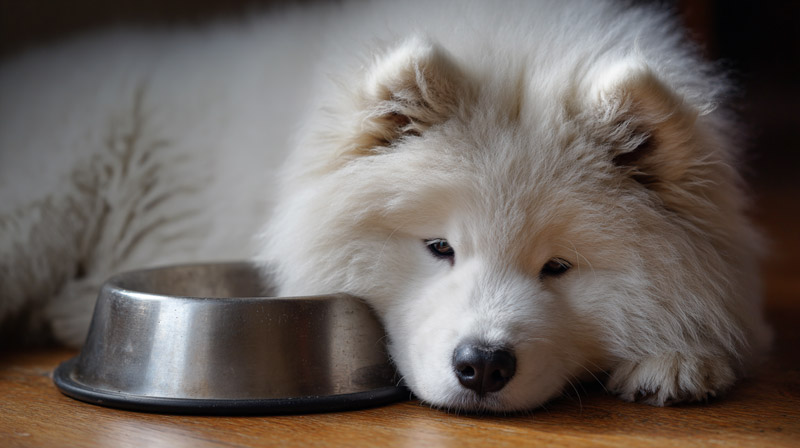
Puppies require puppy-specific formulas until 12-18 months old. Their rapid growth demands higher protein and fat content than adult food.
Adult dogs thrive on maintenance diets with 18-25% protein. Active dogs need higher protein levels to support their energy needs.
Senior dogs benefit from easily digestible proteins and joint-supporting nutrients. Reduced calorie formulas help prevent weight gain as activity decreases.
Choosing High-Quality Dog Food
Look for named meat sources as the first ingredient. Avoid foods listing “meat by-products” or unspecified protein sources.
Grain-free diets aren’t necessary for most Samoyeds unless they have specific allergies. Recent research suggests potential heart issues with some grain-free formulas.
AAFCO certification ensures the food meets basic nutritional standards. This label appears on quality dog food packaging.
Feeding Schedule and Portions
Adult Samoyeds typically eat 2-3 cups of dry food daily, divided into two meals. Active dogs may need more, while sedentary ones need less.
Scheduled feeding works better than free-feeding for most dogs. It helps monitor appetite changes and prevents overeating.
Measure portions using a standard measuring cup. Eyeballing portions often leads to overfeeding and weight gain.
Weight Management Strategies
Feel your dog’s ribs easily without pressing hard. You should see a waist tuck when viewing from above and from the side.
Overweight dogs need gradual calorie reduction, not sudden diet changes. Cut back 10-15% of current portions and monitor results.
Special Dietary Considerations
Some Samoyeds develop food allergies to common proteins like chicken or beef. Limited ingredient diets help identify trigger foods.
Dogs with sensitive stomachs may need easily digestible proteins and prebiotics. Gradual diet transitions prevent digestive upset.
Raw diets require careful planning to ensure nutritional balance. Consult a veterinary nutritionist before switching to raw feeding.
Treats and Supplements
Training treats should comprise no more than 10% of daily calories. Choose small, low-calorie options for frequent training sessions.
Joint supplements containing glucosamine may benefit active dogs and seniors. Omega-3 fatty acids support coat health and reduce inflammation.
Foods to Avoid
Chocolate, grapes, and onions are toxic to all dogs. Even small amounts can cause serious health problems.
High-fat human foods can trigger pancreatitis in sensitive dogs. Stick to dog-safe treats and avoid table scraps.
Creating a Samoyed-Friendly Home Environment
Indoor Space Requirements
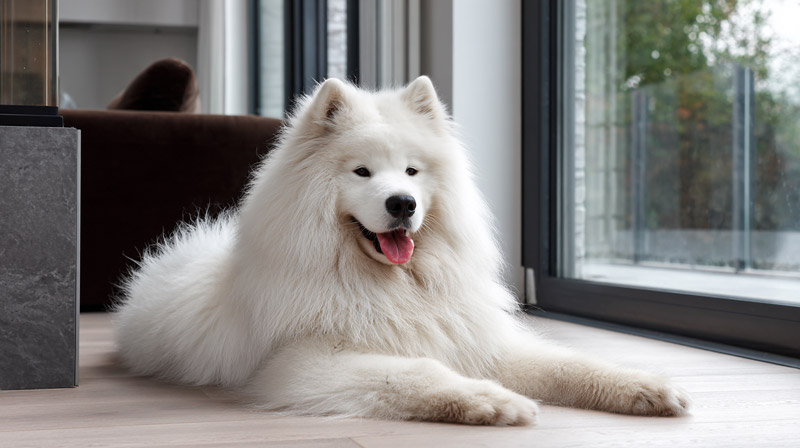
Samoyeds adapt to various living situations but need adequate indoor space. Cramped quarters increase stress and behavioral problems.
Open floor plans work better than compartmentalized homes. These active dogs appreciate room to move freely indoors.
Temperature Control Considerations
Double-coated dogs overheat easily in warm homes. Keep indoor temperatures around 65-70°F for optimal comfort.
Air conditioning becomes necessary in hot climates. Proper ventilation prevents heat-related health issues.
Ceiling fans help circulate air and provide cooling relief. Position them where your dog can access the airflow.
Flooring and Safety
Hardwood and tile floors can be slippery for large dogs. Area rugs provide traction and protect joints from hard surfaces.
Carpet offers comfort but traps hair and odors. Regular professional cleaning maintains hygiene in carpeted homes.
Furniture Protection Strategies
Washable furniture covers protect upholstery from hair and occasional accidents. Choose colors that camouflage white dog hair.
Leather furniture repels hair better than fabric but may show scratch marks. Consider your dog’s nail maintenance habits.
Outdoor Fencing Requirements
Six-foot fencing contains most Samoyeds safely. Some individuals may attempt climbing or jumping lower barriers.
Buried barriers prevent digging escapes. Extend fencing 6-12 inches underground in problem areas.
Check fence lines regularly for gaps or weak spots. Samoyeds can squeeze through surprisingly small openings.
Yard Setup for Maximum Enjoyment
Shaded areas provide relief during outdoor time. Trees or covered patios offer protection from sun and rain.
Digging zones redirect natural behaviors away from gardens. Sandbox areas satisfy digging instincts safely.
Garden and Plant Safety
Many common plants are toxic to dogs. Research all yard plants and remove dangerous varieties like azaleas and oleander.
Mulch choices matter for safety. Avoid cocoa mulch, which contains toxic compounds similar to chocolate.
Travel Preparation
Crate training makes car travel safer and less stressful. Properly sized crates allow standing and turning around comfortably.
Pet barriers or seat harnesses provide alternatives to crating. Never allow dogs to ride unrestrained in vehicles.
Creating Quiet Spaces
Samoyeds need retreat areas when overwhelmed. A quiet corner with comfortable bedding provides security during stressful times.
Crate training creates a den-like space that many dogs find comforting. Make crates cozy with soft bedding and favorite toys.
Living with a Samoyed as a Family Dog
Samoyeds with Children of Different Ages
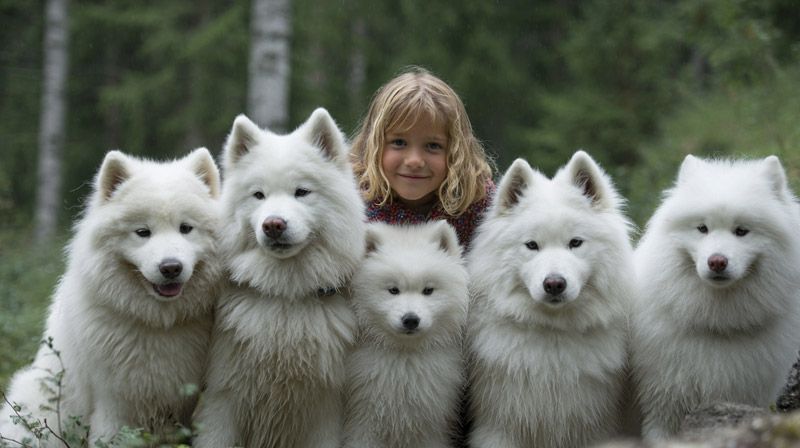
Gentle nature makes Samoyeds excellent companions for kids. They tolerate rough play better than many breeds while maintaining their calm temperament.
Toddlers need supervision around any large dog. Excited Samoyeds might accidentally knock over small children during play.
School-age children can participate in basic dog care tasks. Teaching kids proper handling builds responsibility and strengthens bonds.
Teaching Kids Proper Dog Interaction
Children must learn to approach dogs calmly and avoid sudden movements. Screaming and running can trigger chase instincts in any breed.
Respect sleeping dogs and eating routines. Kids should never disturb dogs during meals or rest periods.
Teach the “tree” position for overly excited dogs. Standing still with arms crossed helps children stay safe during arousal periods.
Benefits of Growing Up with Samoyeds
Children learn empathy and responsibility through daily dog care. Feeding schedules and grooming routines teach consistency.
Emotional support comes naturally from these intuitive dogs. Many children confide in their Samoyed companions during difficult times.
Multi-Pet Household Dynamics
Pack mentality helps Samoyeds integrate well with other dogs. They prefer canine companionship over being solo pets.
Early socialization with cats determines long-term relationships. Adult Samoyeds introduced to cats may maintain high prey drive.
Small pets like rabbits or hamsters trigger hunting instincts. Supervise all interactions and provide secure housing for smaller animals.
Managing Multiple Dogs
Two Samoyeds often entertain each other but double the exercise requirements. Consider your time commitment carefully before adding a second dog.
Resource guarding can develop between dogs competing for attention. Separate feeding areas prevent food-related conflicts.
Introducing New Pets Safely
Neutral territory meetings work best for dog introductions. Avoid bringing new dogs directly into established territories.
Gradual integration takes weeks, not days. Rush the process and you risk creating permanent conflicts between pets.
Lifestyle Compatibility Assessment
Active families match well with Samoyed energy levels. Sedentary households may struggle with this breed’s exercise demands.
Time availability matters more than living space size. Busy schedules don’t provide enough attention for these social dogs.
Work Schedule Considerations
Samoyeds dislike being alone for extended periods. Eight-hour workdays require midday dog walkers or doggy daycare.
Remote work suits this breed perfectly. They enjoy having their humans nearby throughout the day.
Activity Level Matching
Weekend warriors who hike and camp regularly make ideal Samoyed owners. These dogs thrive on outdoor adventures.
Couch potatoes should consider less active breeds. Samoyeds become destructive when their exercise needs aren’t met.
Choosing and Bringing Home a Samoyed
Evaluating Reputable Breeders
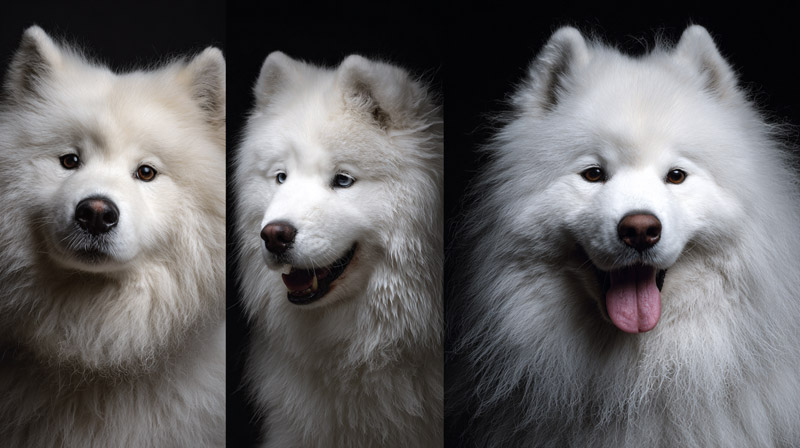
Quality breeders health test both parents for breed-specific conditions. Ask to see certificates for hip, elbow, and eye clearances.
Puppy mill operations focus on profit over health. Avoid breeders who always have puppies available or won’t let you meet the parents.
Visit the breeding facility in person when possible. Clean, well-maintained facilities indicate responsible breeding practices.
Health Testing Documentation
Hip and elbow scores should be available for both parents. The Orthopedic Foundation for Animals maintains databases of these clearances.
Eye clearances from board-certified veterinary ophthalmologists protect against inherited vision problems. Annual exams are recommended for breeding dogs.
DNA testing reveals carriers of genetic diseases like progressive retinal atrophy. Responsible breeders share these results openly.
Meeting the Parents
The mother dog’s temperament influences puppy development. Aggressive or fearful mothers may pass these traits to offspring.
Father dogs may not live on-site but photos and health records should be available. Both parents contribute to genetic health and temperament.
Contract and Health Guarantees
Written contracts protect both buyers and breeders. Read all terms carefully before signing agreements.
Health guarantees typically cover genetic defects for 1-2 years. Understand what conditions are covered and what actions void the guarantee.
Spay/neuter requirements appear in many contracts. Some breeders require sterilization for pet-quality puppies.
Samoyed Rescue Organizations
Breed-specific rescues focus exclusively on Samoyeds and related Siberian Husky types. These organizations understand the breed’s specific needs.
Adult rescue dogs often come house-trained and past the destructive puppy phase. They may have unknown health histories but offer immediate companionship.
Adoption Process and Requirements
Most rescues require home visits and reference checks. The screening process protects dogs from unsuitable placements.
Adoption fees typically range from $200-500 and often include spaying/neutering. These costs are minimal compared to purchasing from breeders.
Puppy vs Adult Dog Considerations
Puppies require extensive time investment for training and socialization. The first year demands significant lifestyle adjustments.
Adult dogs show established personalities and energy levels. What you see is generally what you get with mature dogs.
Time and Energy Commitments
Puppies need attention every few hours initially. House training, feeding schedules, and socialization consume most free time.
Adult dogs integrate more easily into established routines. They still need daily exercise and interaction but with more predictability.
Preparing Your Home for Arrival
Puppy-proofing removes dangerous items and protects valuables. Electrical cords, small objects, and toxic plants pose particular risks.
Set up feeding stations away from high-traffic areas. Quiet spaces help nervous dogs adjust to new environments.
Purchase supplies before bringing your dog home. Food, bowls, leash, collar, and bedding are immediate necessities.
First Week Adjustment Period
Decompression time helps rescued dogs settle into new routines. Some dogs need weeks to show their true personalities.
Maintain consistent schedules for feeding and potty breaks. Routine provides security during stressful transition periods.
FAQ on Samoyed
Are Samoyeds good family dogs?
Samoyeds excel as family companions due to their gentle nature and loyalty. Their friendly temperament works well with children, though supervision helps during initial interactions. These social dogs prefer being included in family activities rather than left alone.
How much exercise do Samoyeds need daily?
Adult Samoyeds require 90 minutes minimum of daily exercise. This includes walks, playtime, and mental stimulation activities. Their working heritage demands substantial activity levels, making them unsuitable for sedentary households.
Do Samoyeds shed a lot?
Seasonal shedding occurs twice yearly when Samoyeds “blow” their entire undercoat. Daily brushing reduces household hair during normal periods, but expect significant shedding during spring and fall coat changes.
Are Samoyeds easy to train?
Samoyeds are intelligent but independent thinkers from their working background. They respond well to positive reinforcement but may test boundaries. Consistent training and patience produce excellent results with this breed.
How long do Samoyeds typically live?
Healthy Samoyeds live 12-14 years on average. Their hardy Arctic heritage contributes to overall longevity compared to many breeds. Proper nutrition, exercise, and veterinary care support maximum lifespan potential.
Do Samoyeds bark frequently?
Barking behavior varies between individuals but most Samoyeds are vocal dogs. They bark to alert, communicate, or when excited. Early training helps manage excessive barking tendencies in this naturally vocal breed.
What health problems affect Samoyeds?
Hip dysplasia and progressive retinal atrophy are primary concerns. Samoyed hereditary glomerulopathy affects kidney function specifically in this breed. Regular health screening and genetic testing help identify potential issues early.
Can Samoyeds live in apartments?
Apartment living works only with dedicated exercise commitment. These active dogs need substantial daily activity regardless of living space size. Without proper exercise, they become destructive and develop behavioral problems.
How often should you groom a Samoyed?
Daily brushing prevents matting and reduces shedding around the house. Professional grooming every 6-8 weeks maintains coat health. During seasonal shedding periods, increase brushing frequency to twice daily for best results.
What do Samoyeds typically cost?
Purchase prices range from $1,200-3,000 from reputable breeders. Ongoing costs include food, grooming, veterinary care, and supplies. Budget $1,500-2,500 annually for proper care of a healthy adult dog.
Conclusion
Choosing a Samoyed means welcoming a loyal companion with deep Arctic roots and an infectious smile. These intelligent spitz dogs require dedicated owners who understand their grooming needs and exercise demands.
Responsible breeding and genetic testing protect future generations from inherited health conditions. Hip dysplasia screening and eye clearances should be non-negotiable when selecting your puppy.
Daily brushing, consistent training, and adequate mental stimulation keep these working dogs happy and healthy. Their pack mentality thrives in active households that include them in family adventures.
From puppy socialization to senior care adjustments, Samoyeds reward committed owners with years of faithful companionship. Their gentle nature with children and adaptability to various climates make them excellent family pets for the right households.
Success with this breed depends on matching their energy levels with your lifestyle and providing the care their beautiful double coat requires.