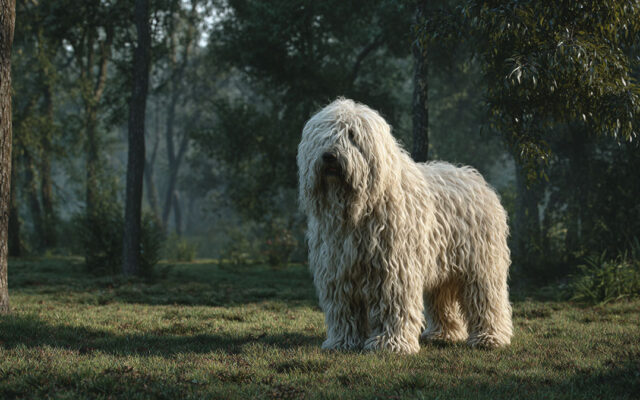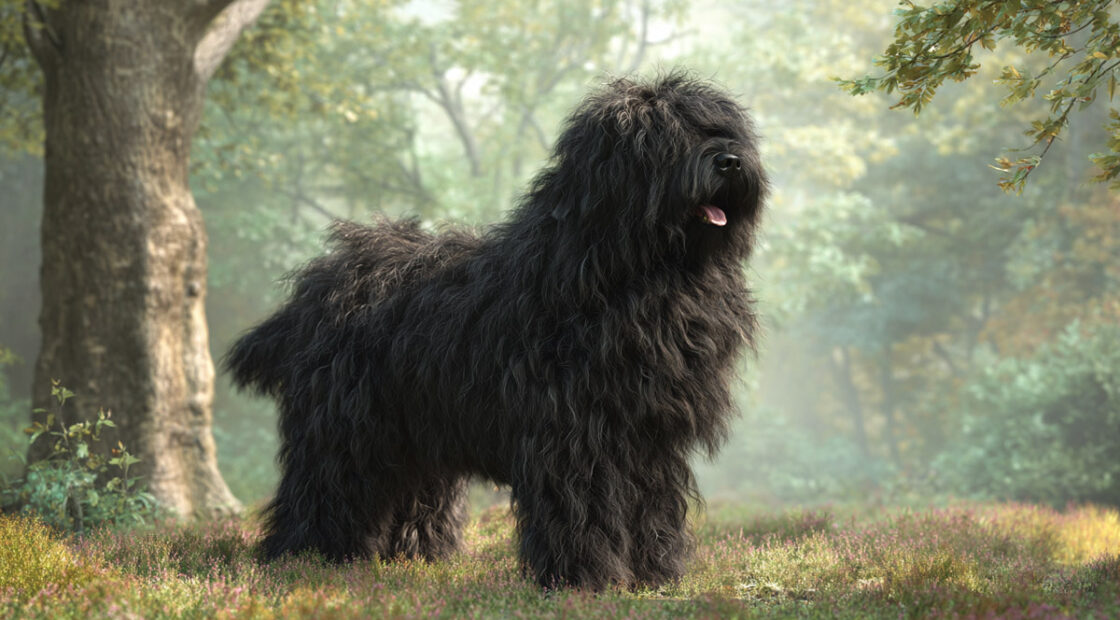
That walking mop isn’t a cleaning tool gone rogue. The Puli represents one of Hungary’s most distinctive herding breeds, sporting a corded coat that takes years to develop and even longer to maintain properly.
This Hungarian herding dog combines sharp intelligence with boundless energy, creating challenges that many dog owners underestimate. Their protective instincts and independent thinking make them quite different from popular breeds like German Shepherd Dogs or Labradoodles.
Understanding this breed requires looking beyond the novelty of their appearance. Their working heritage shapes everything from their territorial behavior to their exercise requirements.
This guide covers the realities of Puli ownership, from managing their demanding coat to channeling their herding instincts productively. You’ll learn about their health considerations, training challenges, and what daily life actually looks like with one of these intelligent, energetic dogs.
By the end, you’ll know whether this Hungarian breed fits your lifestyle or if you should consider a less demanding companion animal.
Puli Statistics
| Characteristic | Details |
|---|---|
| Size | Medium |
| Weight | Males: 25-35 lbs, Females: 20-30 lbs |
| Height | Males: 16-17 inches, Females: 14-16 inches |
| Life Span | 12-16 years |
| Coat Type | Double coat, corded/felted |
| Coat Colors | Black, white, gray, cream |
| Shedding | Minimal (hair trapped in cords) |
| Grooming Needs | Very high – professional every 3-4 months |
| Exercise Requirements | High – 60-90 minutes daily |
| Energy Level | Very high |
| Trainability | Moderate – intelligent but independent |
| Intelligence | Very high |
| Barking Level | High |
| Socialization Needs | High – early and ongoing |
| Good with Kids | Yes, with supervision (herding tendency) |
| Good with Pets | Variable – depends on socialization |
| Apartment Living | Not recommended |
| Climate Tolerance | Cold: Excellent, Heat: Poor |
| Common Health Issues | Hip dysplasia, PRA, degenerative myelopathy |
| AKC Group | Herding Group |
| Origin | Hungary |
| Bred For | Sheep herding, livestock guarding |
| Temperament | Loyal, protective, energetic, independent |
| Stranger Friendliness | Low to moderate |
| Watchdog Ability | Excellent |
| Protection Instinct | High |
| Drooling | Low |
| Snoring | Low |
| Digging Tendency | Moderate |
| Attention Needs | High |
| Bred For Work | Yes – active herding |
| Good First Dog | No – experienced owners preferred |
The Famous Corded Coat: More Than Just a Fashion Statement
How Cords Actually Form
The corded coat doesn’t happen overnight. Your Puli puppy starts life with soft, fluffy fur that bears no resemblance to the iconic dreadlocks.
The transformation begins around 8-10 months when the undercoat starts tangling with guard hairs. This natural felting process creates the foundation for what will become those distinctive cords.
Genetic factors determine whether your dog will develop proper cording. Not every Puli automatically gets perfect cords, which is why professional grooming knowledge becomes critical.
Environmental conditions affect cord development too. Humidity, activity level, and even diet can influence how well the coat matures into those rope-like strands.
The timeline stretches over 2-3 years before cords reach full maturity. Patience becomes your best friend during this process.

Coat Maintenance and Care Techniques

Daily Care Routines
Young Pulis need daily brushing before cords form completely. Skip this step and you’ll face massive matting problems that require professional intervention.
Once cords establish, brushing stops entirely. Instead, you’ll separate and maintain individual cords by hand, checking for debris or tangling issues.
Bathing Challenges
Washing a corded Puli takes 3-4 hours from start to finish. The coat holds an enormous amount of water, making thorough rinsing essential to prevent skin problems.
Drying becomes the real challenge. Those thick cords can take 24-48 hours to dry completely, even with professional grooming equipment.
Many owners use specialized drying techniques, including industrial fans and carefully controlled heat sources. Wet cords left too long can develop hot spots or fungal issues.
Common Coat Problems and Solutions
Matting Prevention
Matting occurs when cords fuse together instead of staying separate. Regular cord separation prevents this problem, but it requires weekly attention.
Debris collection happens constantly with this coat type. Leaves, twigs, and dirt get trapped easily, requiring careful removal to maintain coat health.
Skin Health Concerns
The thick coat creates a perfect environment for skin problems if not properly maintained. Regular veterinary checkups become more important with corded breeds.
Hot spots develop quickly in areas where moisture gets trapped. Early detection and treatment prevent serious complications.
Alternative Grooming Styles
Not every owner commits to the full corded look. Many pet Pulis live happily in shorter “pet clips” that require significantly less maintenance.
Brushed coat maintenance offers a middle ground. Regular grooming keeps the coat manageable while maintaining some of the breed’s distinctive appearance.
Consider your lifestyle honestly before choosing a grooming approach. The corded coat demands serious time commitment and expertise.
Intelligence and Trainability: Working with a Sharp Mind
Natural Herding Instincts and Behaviors

Built-in Work Drive
Pulis think independently, a trait bred for centuries of livestock guardian work. This intelligence can feel like stubbornness when they disagree with your training methods.
Their herding instinct activates around moving objects, including children, other pets, and even cars. Understanding this drive helps explain many behavioral quirks.
Communication Patterns
Eye contact becomes a primary tool for Pulis. They use intense staring to control livestock and will try the same technique on family members.
Barking serves multiple purposes beyond simple communication. Working Pulis bark to alert, control, and coordinate with other dogs during herding tasks.
Circling behavior appears even in pet situations. Your Puli might circle family members during walks or gather everyone into one room.
Training Approaches That Work Best
Mental Stimulation Requirements
These dogs need jobs to stay mentally healthy. Puzzle toys, training sessions, and problem-solving activities prevent destructive behaviors.
Positive reinforcement works better than corrections with this sensitive breed. Harsh training methods can shut down their willingness to cooperate.
Early Socialization Importance
Puppy socialization prevents fearfulness and aggression later. Pulis can become overprotective without proper early exposure to different people and situations.
Consistency matters more than intensity. Short, frequent training sessions produce better results than marathon training attempts.
Common Training Challenges
Independence Issues
Stubbornness often masks the breed’s independent thinking style. They evaluate commands before obeying, unlike breeds like Golden Retrievers that comply immediately.
Recall training proves difficult because Pulis prioritize their own judgment about safety and territory. This trait served them well as working dogs but challenges pet owners.
Excessive Barking Control
Barking control requires understanding the root cause. Pulis bark at movement, sounds, and perceived threats to their territory.
Mental stimulation activities often reduce nuisance barking better than punishment-based methods. A tired Puli is usually a quieter Puli.
Managing Herding Behaviors
Children become natural herding targets for untrained Pulis. Teaching appropriate boundaries prevents nipping and chasing behaviors.
Other pets need gradual introduction and clear rules about herding behavior. Some Pulis never stop trying to herd cats, regardless of training efforts.
Activities That Engage Their Intelligence
Competitive Opportunities
Herding trials showcase natural abilities and provide excellent mental exercise. Even pet Pulis often excel at these events with minimal training.
Agility training challenges both mind and body. The problem-solving aspects appeal to their intelligence while providing physical exercise.
Home-Based Mental Exercise
Puzzle toys and treat-dispensing games keep minds busy during quiet periods. Rotate toys regularly to maintain interest levels.
Job-based activities work well for pet Pulis. Teaching them to bring specific items or perform household tasks satisfies their need for purpose.
Energy Levels and Exercise Requirements
Daily Exercise Needs

Minimum Activity Requirements
Adult Pulis need 60-90 minutes of exercise daily. This includes both physical activity and mental stimulation components.
Age modifications become important as dogs mature. Puppies need shorter, more frequent exercise periods to protect developing joints.
Activity Balance
Indoor activities count toward exercise totals, especially during extreme weather. Mental challenges can tire a Puli as effectively as physical exercise.
Weather considerations matter significantly with the corded coat. Hot, humid conditions limit exercise duration and intensity.
Types of Exercise That Work Best
Free Running Opportunities
Off-leash activities provide the best exercise for this breed. Secure, fenced areas allow natural movement patterns without restraint.
Hiking and trail walking satisfy both exercise needs and mental stimulation requirements. New smells and terrain keep sessions interesting.
Swimming Considerations
Swimming provides excellent exercise but presents unique challenges with corded coats. The hair holds enormous amounts of water, making drying critical.
Some Pulis love water while others avoid it completely. Individual preferences vary significantly within the breed.
Interactive Play
Games that combine physical and mental challenges work particularly well. Hide-and-seek, treasure hunts, and obstacle courses engage multiple senses.
Fetch games often fail with Pulis because they prefer to make their own decisions about retrieving. Herding games usually prove more engaging.
Signs of Under-Exercised Pulis
Behavioral Problems
Destructive behavior often indicates insufficient exercise and mental stimulation. Chewing, digging, and excessive barking increase without adequate outlets.
Restlessness and inability to settle suggest unmet energy needs. Well-exercised Pulis should rest calmly between activity periods.
Health Implications
Weight gain happens quickly in sedentary Pulis. The thick coat can hide weight problems until they become serious.
Joint health deteriorates without regular exercise. Movement keeps joints flexible and muscles strong throughout the dog age span.
Exercise Safety and Limitations
Heat Sensitivity
The thick, corded coat makes Pulis extremely sensitive to heat. Summer exercise requires early morning or evening timing to prevent overheating.
Watch for excessive panting, drooling, or lethargy during warm weather activities. Heat exhaustion develops rapidly in heavily coated breeds.
Joint Considerations
Hip dysplasia screening helps identify exercise limitations in individual dogs. Affected dogs need modified activity plans to prevent pain.
Senior dogs require gentler exercise routines but still need daily activity. Swimming and short walks often work better than high-impact activities.
Recovery Time
Intense exercise sessions require adequate recovery time. Unlike working breeds such as Border Collies, Pulis need rest periods between demanding activities.
Age-related modifications become necessary as dogs mature. What worked at 2 years old might be too demanding at 8 years old.
Health Considerations and Common Issues
Breed-Specific Health Problems

Hip Dysplasia Screening
Hip dysplasia affects roughly 15-20% of Pulis according to Orthopedic Foundation for Animals data. This genetic condition causes joint malformation that worsens over time.
PennHIP screening provides more accurate assessments than traditional X-rays. Both tests should happen before breeding decisions.
Responsible breeders screen parent dogs and provide documentation. Ask for OFA or PennHIP certificates when considering a puppy.
Eye Conditions
Progressive retinal atrophy appears in some Puli lines, causing gradual vision loss. CERF eye exams detect early stages before symptoms appear.
DNA testing through Embark or similar services identifies carriers before breeding. This prevents affected puppies when both parents carry the gene.
Annual eye exams catch problems early when treatment options remain available.
Neurological Issues
Degenerative myelopathy affects the spinal cord in older Pulis. This progressive condition resembles multiple sclerosis in humans.
Early signs include weakness in rear legs and coordination problems. No cure exists, but physical therapy can slow progression.
Genetic testing identifies at-risk dogs, though not all carriers develop symptoms.
Coat-Related Health Issues
Skin Problems
The thick corded coat traps moisture and creates ideal conditions for bacterial growth. Hot spots develop quickly in warm, humid weather.
Regular coat inspections help catch problems before they spread. Look for redness, odor, or excessive scratching.
Proper drying after baths prevents most skin issues. Wet cords left too long almost guarantee problems.
Parasite Concerns
Fleas and ticks hide easily in corded coats, making detection difficult. Monthly preventatives become more important than with smooth-coated breeds.
Skin allergies can worsen with parasites present. Combination treatments often work better than single-target approaches.
Regular grooming sessions provide opportunities for parasite checks. Feel through cords rather than relying on visual inspection.
General Health Maintenance
Veterinary Care
Annual checkups should include hip evaluation, eye exam, and heart screening. Early detection prevents minor problems from becoming major issues.
Vaccination schedules follow standard protocols, but discuss timing with your vet. Some Pulis show sensitivity to certain vaccines.
Dental care requires special attention since facial cords can interfere with tooth cleaning.
Weight Management
The heavy coat hides weight gain until problems become serious. Body condition scoring through palpation works better than visual assessment.
Overweight Pulis develop joint problems faster than lean dogs. Monitor food intake carefully, especially with less active pets.
Exercise requirements increase with age to maintain muscle mass and joint flexibility.
Living with a Puli: Daily Life and Family Dynamics
Temperament and Personality Traits

Loyalty Patterns
Pulis typically bond strongest with one family member while remaining friendly with others. This pack hierarchy reflects their herding dog heritage.
They’re naturally suspicious of strangers but warm up gradually with proper introduction. Rushing socialization often backfires with this breed.
Protective instincts kick in around 12-18 months as dogs mature mentally. Training during puppyhood shapes how these instincts express themselves.
Emotional Sensitivity
These dogs read human emotions accurately and respond accordingly. Household stress affects them more than it impacts breeds like Labrador Retrievers.
Separation anxiety develops easily in Pulis left alone for long periods. Gradual conditioning prevents destructive behaviors.
They remember negative experiences longer than positive ones. Patience during training prevents lasting behavioral problems.
Interaction with Family Members
Children Relationships
Pulis naturally want to herd children, especially during active play. Nipping and circling behaviors need early correction to prevent problems.
They’re generally gentle with kids but may become overprotective. Supervised interactions work better than leaving dogs and children alone together.
Teaching children proper dog handling prevents accidental injuries to both parties.
Multi-Pet Households
Pack dynamics with other dogs depend heavily on early socialization. Pulis can be bossy with submissive breeds but respectful of confident dogs.
Cats present special challenges since they trigger herding instincts. Some Pulis never stop chasing cats regardless of training.
Small pets like rabbits or birds often remain off-limits due to strong prey drive.
Stranger Reactions
Territorial behavior intensifies around the home property. Pulis differentiate between invited guests and potential intruders.
Socialization during puppyhood reduces fearfulness but doesn’t eliminate natural wariness. This trait makes them excellent watchdogs.
Training helps channel protective instincts appropriately rather than eliminating them completely.
Housing Requirements
Space Considerations
Apartment living works only with extremely dedicated exercise routines. These dogs need space to move freely throughout the day.
Yards should be securely fenced since Pulis will patrol and protect their territory. Six-foot fencing prevents most escape attempts.
Indoor space matters less than outdoor access, though cramped conditions stress any medium-sized dog.
Climate Preferences
Cold weather suits Pulis perfectly thanks to their insulating coat. They remain comfortable in temperatures that challenge other breeds.
Hot, humid climates create serious problems with the corded coat. Air conditioning becomes necessary rather than optional.
Seasonal adjustments help manage coat-related issues. Some owners trim cords shorter during summer months.
Daily Routine Structure
Feeding Schedules
Meal timing affects energy levels throughout the day. Most Pulis do better with two smaller meals rather than one large feeding.
Food quality matters more with active breeds that burn calories quickly. Premium diets often prove more economical long-term.
Weight monitoring requires hands-on assessment since visual cues don’t work with thick coats.
Exercise Integration
Daily walks provide routine structure that Pulis crave. Consistent timing reduces anxiety and behavioral problems.
Mental stimulation needs equal physical exercise in importance. Puzzle toys and training sessions tire dogs as effectively as running.
Weather modifications become necessary with extreme temperatures. Indoor alternatives prevent missed exercise sessions.
Grooming Schedules
Coat maintenance requires daily attention during cord formation stages. Established cords need weekly separation and debris removal.
Bathing schedules depend on activity level and coat condition. Most pet Pulis need baths every 6-8 weeks.
Professional grooming every 3-4 months keeps coats healthy and manageable.
Choosing and Acquiring a Puli
Finding Reputable Breeders

Health Testing Requirements
Responsible breeders test parent dogs for hip dysplasia, eye problems, and degenerative myelopathy before breeding. Documentation should be readily available.
Puppy contracts should include health guarantees and return policies. Avoid breeders who won’t provide written agreements.
Breeding programs focus on temperament and health rather than just appearance. Ask about the breeder’s goals and selection criteria.
Red Flags to Avoid
Puppy mills often advertise multiple breeds and always have puppies available. Reputable Puli breeders typically have waiting lists.
Price shopping rarely leads to quality dogs. Extremely low prices usually indicate corner-cutting on health testing or care.
Breeders who won’t let you visit facilities or meet parent dogs often hide poor conditions.
Breeder Evaluation Questions
Ask about socialization practices during the critical 8-16 week period. Early exposure affects temperament development significantly.
Health records should include vaccination schedules, deworming protocols, and veterinary examinations. Comprehensive records indicate quality care.
References from previous puppy buyers provide insight into long-term breeder support and dog quality.
Puppy Selection Process
Temperament Evaluation
Energy levels vary significantly within litters. Match puppy personality to your lifestyle rather than choosing based on appearance alone.
Confident puppies often make better pets than overly shy or aggressive ones. Middle-ground temperaments usually adapt better to family life.
Early socialization signs include curiosity about new experiences and recovery from startling events.
Health Indicators
Clear eyes, clean ears, and healthy coat condition indicate good basic health. Avoid puppies showing signs of illness or poor care.
Movement patterns should appear coordinated and pain-free. Limping or unusual gaits may indicate structural problems.
Age-appropriate energy and playfulness suggest normal development. Lethargic puppies often have underlying health issues.
Adult Dog and Rescue Options
Puli Rescue Organizations
Breed-specific rescues understand Puli needs better than general shelters. These organizations often provide valuable training and support resources.
Adult dogs come with established personalities and known health histories. This information helps match dogs to appropriate homes.
Rescue fees typically include spaying/neutering, vaccinations, and basic health screening.
Rehabilitation Considerations
Adjustment periods for rescue dogs vary from weeks to months depending on previous experiences. Patience during transition prevents additional trauma.
Some rescue Pulis need remedial training, especially if they lived in puppy mill conditions. Professional training often proves necessary.
Behavioral issues may not appear immediately due to stress-induced suppression. Allow time for true personality to emerge.
Cost Considerations
Initial Investment
Purchase prices range from $1,000-$3,000 depending on breeder reputation and dog quality. Show-quality dogs command higher prices.
Initial veterinary costs include vaccinations, spaying/neutering, and health screening. Budget $500-$1,000 for first-year medical expenses.
Equipment needs include grooming tools, crates, and exercise gear specific to the breed’s requirements.
Ongoing Expenses
Professional grooming costs $75-$150 per session every 3-4 months. Some owners learn basic maintenance to reduce expenses.
Quality food for active medium-sized dogs costs $60-$100 monthly. Premium diets often prove more economical due to better nutrition.
Healthcare costs increase with age, especially for breeds prone to genetic conditions. Pet insurance helps manage unexpected expenses.
Annual expenses typically range from $1,500-$3,000 including food, veterinary care, and grooming. Emergency medical costs can significantly exceed these estimates.
FAQ on Puli
Do Pulis shed despite their corded coat?
Pulis shed minimally once their corded coat develops fully. The dead hair gets trapped within the cords rather than falling out, which is why regular cord separation and maintenance become necessary to prevent matting and skin issues.
How long does it take for Puli cords to form completely?
Cord formation takes 2-3 years from start to finish. The process begins around 8-10 months when the puppy coat starts felting with adult guard hairs, requiring careful grooming management throughout the transition period.
Are Pulis good with children and other pets?
Pulis naturally try to herd children and smaller pets, which can include nipping and circling behaviors. Early socialization and training help manage these instincts, though supervision remains important during active play periods.
How much exercise does a Puli need daily?
Adult Pulis require 60-90 minutes of daily exercise combining physical activity and mental stimulation. Their high energy levels and working dog heritage make them unsuitable for sedentary lifestyles or apartment living without dedicated exercise routines.
What are the most common health problems in Pulis?
Hip dysplasia affects 15-20% of Pulis, while progressive retinal atrophy and degenerative myelopathy also occur in some lines. Reputable breeders screen parent dogs through OFA and CERF testing before breeding decisions.
How difficult is it to groom a corded Puli?
Professional grooming every 3-4 months plus weekly cord separation makes maintenance manageable. Bathing takes 3-4 hours including drying time, though many pet owners choose shorter clip styles to reduce grooming demands.
Do Pulis bark excessively?
Pulis use barking for communication and territory protection, traits bred for livestock guardian work. Proper training and mental stimulation reduce nuisance barking, though they’ll always remain naturally vocal about perceived threats or changes.
Can Pulis live in apartments?
Apartment living works only with extremely dedicated exercise routines and mental stimulation. These dogs need space to patrol and move freely, making houses with securely fenced yards much more suitable for their temperament.
How much does a Puli puppy cost?
Purchase prices range from $1,000-$3,000 depending on breeder reputation and bloodline quality. Annual expenses including food, veterinary care, and professional grooming typically cost $1,500-$3,000, with emergency medical expenses potentially exceeding these estimates.
Are Pulis easy to train compared to other herding breeds?
Pulis think independently rather than automatically obeying like Border Collies. Positive reinforcement works better than harsh corrections, though their intelligence and problem-solving abilities make them capable learners with patient, consistent training approaches.
Conclusion
The Puli demands more commitment than most dog owners expect from their companion animal. This Hungarian sheepdog requires extensive grooming, consistent training, and significant daily exercise to thrive in modern households.
Their livestock guardian heritage creates behaviors that challenge inexperienced owners. Territorial barking, herding instincts, and independent thinking aren’t flaws to fix but breed characteristics to manage through proper socialization and mental stimulation.
Health screening becomes critical with this breed. Hip dysplasia, progressive retinal atrophy, and degenerative myelopathy affect enough dogs to warrant DNA testing and careful breeder selection.
The corded coat maintenance alone eliminates many potential owners. Professional grooming costs, extended drying times, and weekly cord separation require serious time and financial commitment.
For dedicated owners who understand their needs, Pulis make loyal, intelligent partners. Their problem-solving abilities and protective nature appeal to experienced dog handlers seeking an active, challenging breed.
Consider breeds like Australian Shepherds or Brittanys if you want herding intelligence with lower maintenance requirements.