Most people have never heard of America’s only homegrown scent hound breed. The Plott Hound traces its bloodline back to five German Hanover Hounds that crossed the Atlantic in 1750.
These aren’t your typical family pets. Plotts were bred for one purpose: tracking and treeing dangerous game in the Appalachian Mountains.
North Carolina’s state dog combines the courage to face black bears with the loyalty to curl up with your kids at bedtime. This dual personality surprises most first-time owners.
Whether you’re considering adding a Plott to your family or just curious about this remarkable mountain hunting breed, this guide covers everything from their German forest origins to modern-day care requirements.
You’ll learn why these brave, tenacious dogs need special consideration and whether your lifestyle matches their high-energy demands.
Plott Hound Statistics
| Category | Details |
|---|---|
| Size | Males: 50-75 lbs, 20-25 inches<br>Females: 40-65 lbs, 20-23 inches |
| Lifespan | 12-14 years |
| Energy Level | Very High |
| Exercise Needs | 60-90 minutes daily vigorous activity |
| Grooming | Low maintenance, weekly brushing |
| Shedding | Moderate, seasonal heavy periods |
| Training Difficulty | Moderate to challenging |
| Good with Kids | Yes, with proper socialization |
| Good with Pets | Good with dogs, requires training with cats |
| Apartment Living | No – needs large fenced yard |
| Climate Tolerance | Excellent cold tolerance, moderate heat tolerance |
| Barking Level | Moderate to high (distinctive bay) |
| Coat Type | Double coat, weather-resistant |
| Coat Colors | Brindle (most common), solid black, brown, buckskin |
| Origin | North Carolina, USA (1750) |
| Breed Group | Hound Group |
| Original Purpose | Bear and boar hunting |
| Stranger Friendliness | Reserved but not aggressive |
| Prey Drive | Very high |
| Drooling | Minimal |
| Health Issues | Generally healthy, occasional hip dysplasia |
| Cost Range | $800-1,500 from reputable breeders |
| Ideal Owner | Active, experienced dog owners with rural lifestyle |
From German Forests to American Mountains
The Plott Hound story starts in the Black Forest region of Germany, where Johannes Plott prepared for a life-changing journey in 1750. He packed his belongings and gathered his five prized German Hanover Hounds.
These weren’t just any hunting dogs. The Hanover Hounds were legendary cold nose trailing specialists, bred for tracking wounded game across challenging terrain.
Johannes Plott’s Atlantic Crossing
The Atlantic crossing was rough, but all five hounds survived the voyage to colonial America. Johannes settled in the mountains of North Carolina, where the rugged Appalachian terrain reminded him of home.
His dogs faced a different challenge here. American bears were larger and more aggressive than European wild boar.
Seven Generations of Mountain Breeding
The Plott family spent seven generations perfecting their bloodline. They crossed their German imports with local cur dogs to create stronger, more tenacious hunters.

This wasn’t random breeding. Each generation was carefully selected for bear hunting ability and mountain endurance.
The resulting dogs could tree a black bear, hold it until hunters arrived, and live to hunt another day. That takes serious courage and stamina.
The Bear Dog Legacy
By the early 1900s, Plott Hounds dominated big game hunting in the Smoky Mountains. Professional bear guides relied on these dogs for their livelihood.
The breed earned recognition as North Carolina’s state dog in 1989. No other American-bred hound holds that honor.
Mountain hunters knew these dogs could track a cold trail for hours, even in brutal weather conditions. That’s the German Hanover Hound genetics at work.
Built Like a Tank: Physical Characteristics
Plott Hounds look like they mean business. Males typically weigh 50-75 pounds and stand 20-25 inches tall at the shoulder.
Females are slightly smaller at 40-65 pounds and 20-23 inches. Both sexes share the same muscular, athletic build.
The Famous Brindle Coat
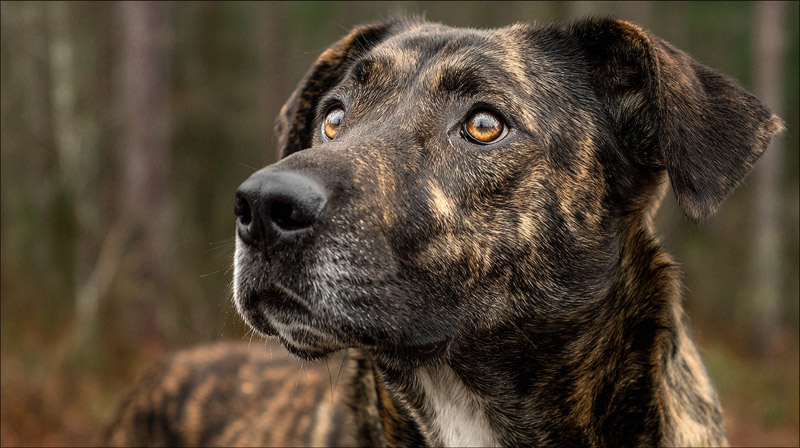
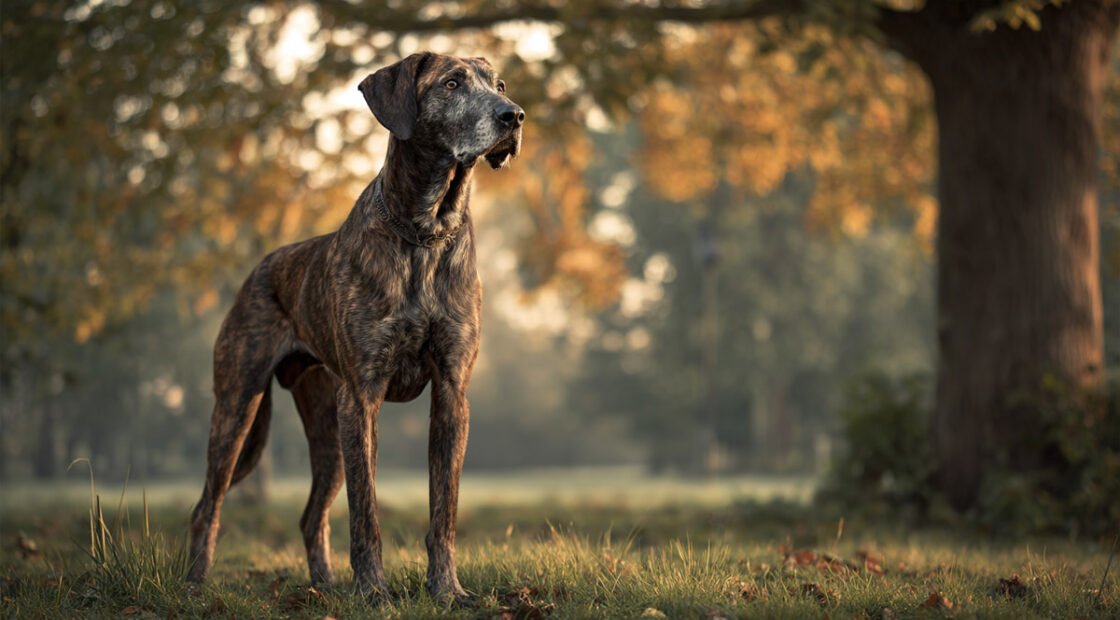
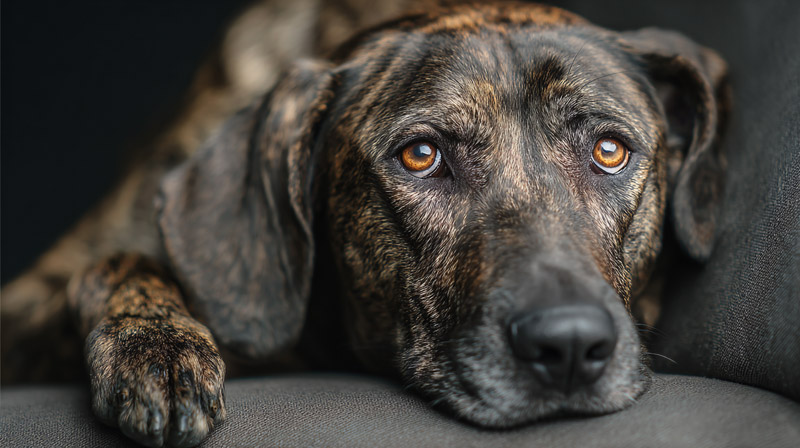
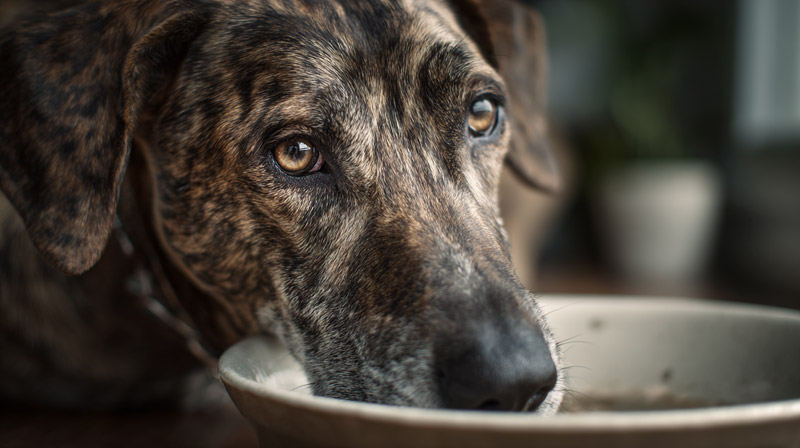
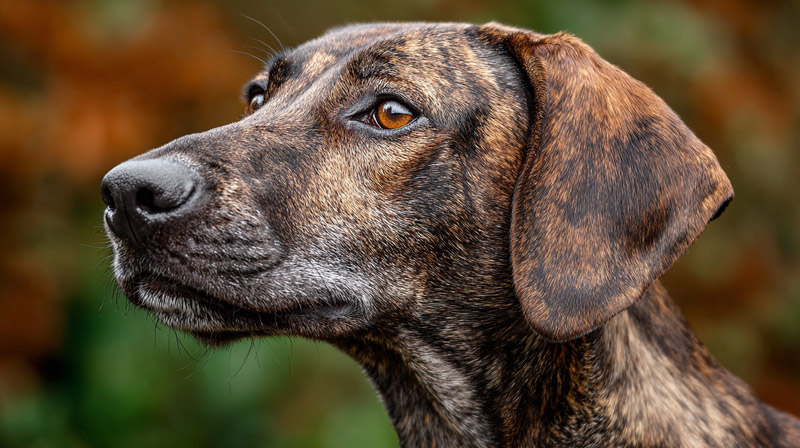
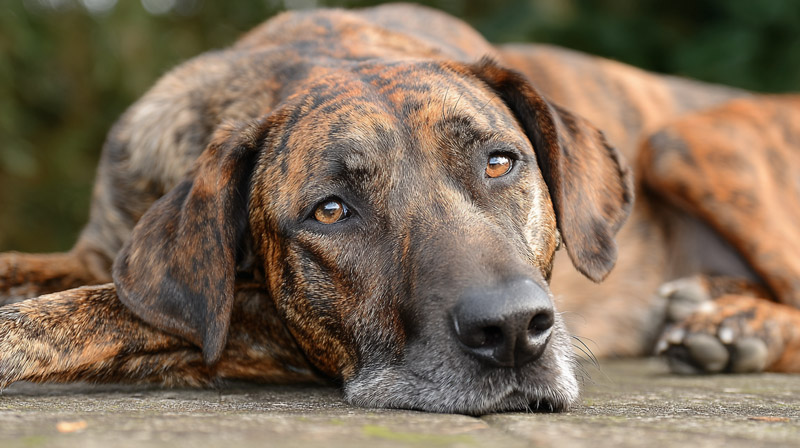
The most recognizable feature is their brindle coat pattern. Dark stripes overlay lighter base colors, creating a tiger-like appearance.
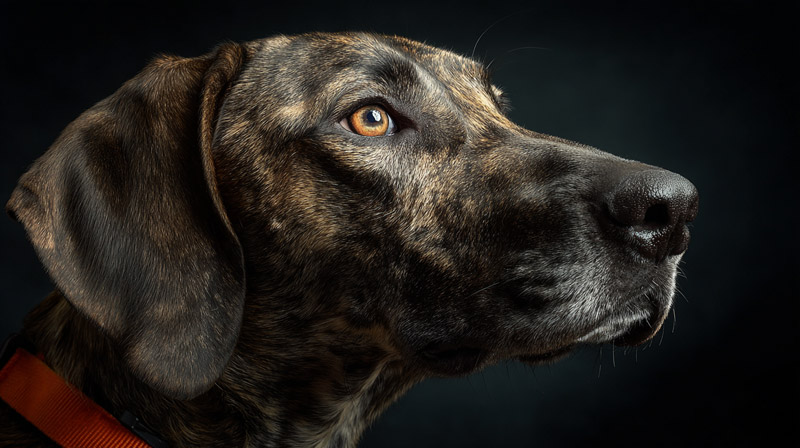
Most Plotts sport this classic brindle marking. Solid colors occasionally appear, including black, brown, or buckskin.
Small white patches on the chest and feet are acceptable. Anything larger disqualifies the dog from breed standards.
Athletic Construction for Serious Work
These dogs were built for endurance hunting in mountain terrain. Their deep chest provides maximum lung capacity for long chases.
Strong, well-muscled legs carry them over rocky ground without injury. Tough paw pads resist cuts from sharp stones and thorns.
The double coat protects against cold mountain nights and brush scratching. Weather rarely stops a determined Plott Hound.
Distinctive Head and Expression
The head is moderately broad with a slightly domed skull. Ears hang down and forward, helping funnel scent information.
Dark eyes convey intelligence and determination. The expression is alert but not aggressive in family settings.
The muzzle is long enough for proper scent processing but strong enough to hold struggling prey. Every feature serves a hunting purpose.
Temperament: Sweet Family Dog, Fierce Hunter
The dual personality surprises most people meeting their first Plott Hound. At home, they’re gentle, loyal family companions who love children.
But flip that switch, and you’ve got a tenacious bear dog that won’t back down from anything. This isn’t Jekyll and Hyde behavior – it’s selective focus.
Pack Mentality and Family Loyalty
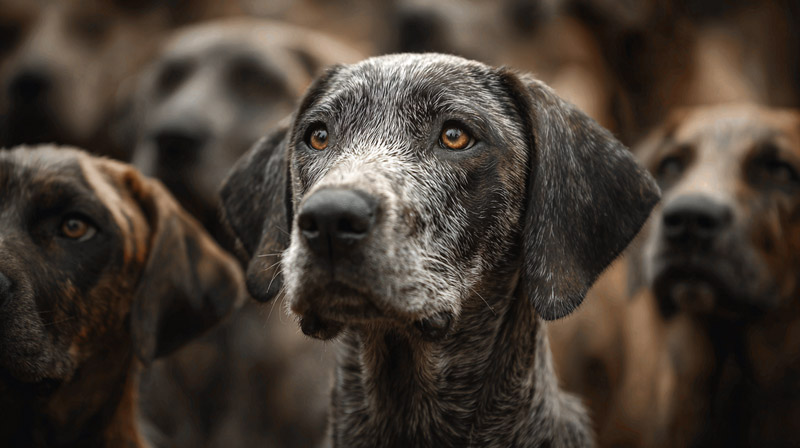
Plott Hounds naturally understand pack hierarchy. They respect their human family as the alpha leaders.
This makes training easier than with some other scent hound breeds. They want to please their pack, but they also think independently.
Unlike some breeds that need constant approval, Plotts make decisions in the field. They had to – a bear won’t wait for instructions.
High Energy and Exercise Needs
These dogs need serious exercise daily. A quick walk around the block won’t satisfy a breed created for mountain hunting.
Plan for 60-90 minutes of vigorous activity. Hiking, trail running, and swimming are ideal outlets for their energy.
Mental stimulation matters just as much. Puzzle toys, scent games, and training sessions prevent destructive boredom behaviors.
The Famous Plott Bay
When Plotts catch a scent, they vocalize with their distinctive bay. It’s musical to hunters but might annoy neighbors.
This isn’t random barking. The bay communicates location and trail status to hunters following behind.
Training can reduce unnecessary vocalizations, but you’ll never eliminate the instinct completely. It’s hardwired into their genetics.
Protective but Not Aggressive
Plott Hounds naturally protect their family territory. They’ll bark at strangers and unusual sounds.
However, they’re not naturally aggressive toward people. Early socialization helps them distinguish between real threats and normal activities.
Their protective instincts make them excellent watchdogs. Few intruders want to face a 70-pound hound with a serious bark.
Getting Along with Other Pets
Most Plotts do well with other dogs, especially if raised together. Their pack hunting background makes them comfortable in groups.
Cats require careful introduction and training. The prey drive is strong, but many Plotts learn to coexist peacefully with feline housemates.
Small pets like rabbits or guinea pigs might trigger hunting instincts. Supervision is always necessary during interactions.
Children and Family Life
Properly socialized Plott Hounds are excellent with children. They’re patient, gentle, and naturally protective of young family members.
Their size and energy level work best with older children who understand dog behavior. Toddlers might get knocked over during play.
These dogs form strong bonds with their families. They don’t do well as backyard pets – they need to be part of the household pack.
Training Your Plott Hound
Training a Plott Hound requires understanding their independent thinking nature. These dogs were bred to make decisions while tracking bears in the mountains.
They’re incredibly smart, but they won’t blindly follow commands like a Golden Retriever might. Expect some negotiation.
Intelligence Paired with Stubborn Streaks
Plott Hounds learn fast when they see the point of a command. House training usually clicks within a few weeks with consistent effort.
But try teaching them something they consider pointless? Good luck with that. Their mountain hunting heritage shows in everything they do.
Crate Training Works Best
Crate training is your best friend with this breed. Most Plotts actually enjoy having their own den space.
Start with short periods and gradually increase time. Never use the crate as punishment – that ruins the whole concept.
Size the crate properly. Too small creates anxiety, too large defeats the housebreaking purpose.
Positive Reinforcement Over Punishment
Traditional harsh training methods backfire with Plott Hounds. They’ll shut down or become defensive.
Food rewards work well, but praise and play can be even more motivating. Find what drives your individual dog.
Timing matters more than treat value. Mark good behavior the instant it happens.
Managing Those Hunting Instincts
Recall training isn’t optional with this breed – it’s a safety requirement. Their nose can override their brain in seconds.
Practice recall in secure, fenced areas before testing it in the real world. Start close and gradually increase distance.
Use an emergency recall word that means “drop everything and come NOW.” Save it for genuine emergencies only.
Teaching “Leave It” Commands
“Leave it” might save your Plott’s life someday. They’ll investigate dead animals, garbage, and other dangerous items.
Start with treats in your closed hand. Only reward when they stop trying to get it.
Progress to items on the ground, then real-world scenarios. This command takes months to master completely.
Socialization Windows Matter
Early socialization prevents many behavior problems later. Expose puppies to different people, sounds, and situations.
Beagle puppies and other friendly dogs make great playmates during this period.
The critical window closes around 16 weeks. Don’t wait – start immediately after vaccinations allow.
Exercise and Activity Requirements
Sixty to ninety minutes of vigorous activity daily is the bare minimum for most Plott Hounds. A tired Plott is a good Plott.
Weekend warriors who think they can make up for weekday neglect are in for trouble. These dogs need consistent outlets.
Activities That Satisfy Their Drive
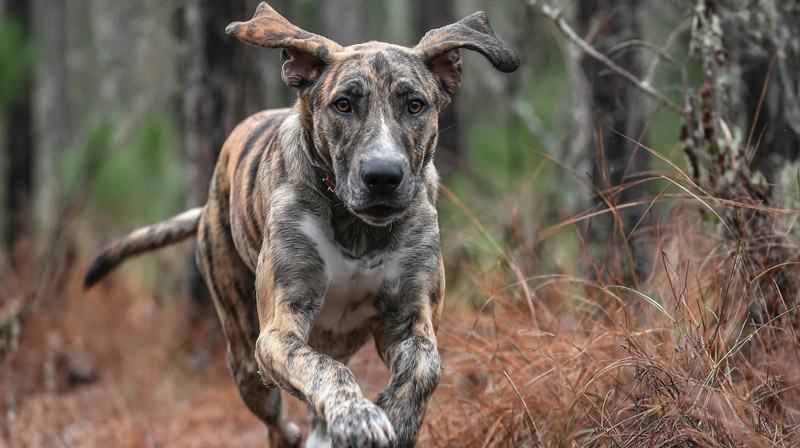
Hiking suits them perfectly. They can cover miles without showing fatigue.
Trail running partners will love a Plott’s endurance. Just build up distance gradually to protect growing joints.
Swimming provides excellent low-impact exercise. Most Plotts take to water naturally.
Mental Stimulation Prevents Destruction
Physical exercise alone won’t cut it. Their brains need work too.
Puzzle toys and treat-dispensing games keep them busy during alone time. Rotate toys weekly to maintain interest.
Scent work games tap into their natural abilities. Hide treats around the house or yard for them to find.
What Doesn’t Work
Walks around the neighborhood bore most Plott Hounds. They need adventure, not routine strolling.
Dog parks can be tricky. Their size and enthusiasm might intimidate smaller dogs.
Repetitive fetch gets old fast. They prefer activities with variety and challenge.
Age-Appropriate Exercise Guidelines
Puppies under 18 months need limited forced exercise. Their joints are still developing.
Free play in a fenced yard is perfect for young dogs. Let them set their own pace.
Senior Plotts still need activity but may prefer shorter, more frequent sessions.
Health and Lifespan Considerations
Plott Hounds are generally healthy dogs with 12-14 year lifespans. Their mountain dog genetics give them hardy constitutions.
Responsible breeding practices have kept serious genetic problems relatively rare in the breed.
Common Health Concerns
Hip dysplasia appears occasionally in the breed. Reputable breeders screen breeding dogs through the Orthopedic Foundation for Animals.
Ask to see OFA certificates before buying a puppy. Both parents should have good or excellent ratings.
Bloat can affect deep-chested breeds like Plotts. Learn the warning signs and have an emergency vet plan ready.
Ear Infections from Outdoor Life
Those hanging ears trap moisture and debris during hunting adventures. Weekly cleaning prevents most problems.
Use veterinary-approved ear cleaners, never rubbing alcohol or harsh chemicals.
Watch for head shaking, scratching, or foul odors. Early treatment prevents serious infections.
Preventive Care Schedule
Annual veterinary checkups catch problems early when treatment is most effective. Senior dogs benefit from twice-yearly visits.
Keep vaccinations current, especially if your Plott spends time in wooded areas. Lyme disease and other tick-borne illnesses are real threats.
Heartworm prevention is critical. These active outdoor dogs face constant mosquito exposure.
Parasite Prevention for Active Dogs
Monthly flea and tick prevention protects against disease-carrying parasites. Topical treatments work better than collars for most Plotts.
Intestinal worm prevention matters too. Dogs that hunt or explore woods encounter more parasites than house pets.
Regular fecal exams help catch problems before they affect your dog’s health or spread to family members.
Dental Care and Maintenance
Daily teeth brushing prevents periodontal disease. Start this routine early so your dog accepts it calmly.
Dental chews and appropriate raw bones help remove plaque naturally. Avoid cooked bones that can splinter.
Professional dental cleanings may be needed every few years. Your vet can assess when it’s time.
Emergency Fund Planning
Set aside money for unexpected health costs. Active breeds like Plotts face higher injury risks than couch potatoes.
Lacerations from hunting, foreign object ingestion, and bloat emergencies can cost thousands. Pet insurance might be worthwhile.
A $2,000-5,000 emergency fund covers most common problems without breaking the bank.
Feeding Your Active Plott Hound
Active hunting breeds need more calories than couch potato dogs. A working Plott Hound burns serious energy tracking through mountain terrain.
High-quality protein should make up at least 25% of their diet. Look for whole meat sources, not mystery meal byproducts.
Age-Appropriate Feeding Guidelines
Puppies need three meals daily until six months old. Their growing bodies demand consistent fuel.
Adult Plotts do well on twice-daily feeding. This prevents bloat better than one large meal.
Senior dogs may need smaller, more frequent meals. Their metabolism slows but their nutritional needs remain high.
Calculating Portions for Working Dogs
Active adult males typically need 2,200-2,800 calories daily. Females require 1,800-2,400 calories depending on activity level.
Adjust portions based on body condition, not the feeding chart on the bag. Those guidelines assume average activity levels.
A lean, muscular Plott should have a visible waist tuck and ribs you can feel but not see.
Foods to Avoid
Grain-free diets linked to heart problems in some dogs aren’t worth the risk. Quality grains provide needed carbohydrates for energy.
Chicken allergies appear more often in Plotts than some breeds. Switch proteins if you notice itching or digestive issues.
Raw diets work for some dogs but require careful planning. Consult a veterinary nutritionist before switching.
Feeding Schedules and Portion Control
Morning feeding should happen after exercise, not before. Full bellies and vigorous activity don’t mix well.
Evening meals work best 2-3 hours before bedtime. This gives time for digestion and final potty breaks.
Free-feeding rarely works with food-motivated Plotts. They’ll eat until the bowl is empty, then look for more.
Puppy Nutrition Requirements
Large breed puppy formulas control growth rates better than all-life-stage foods. Too much calcium causes joint problems.
Feed puppies four times daily until 12 weeks, then three times until six months.
Monitor weight gain carefully. Chubby puppies often become arthritic adults.
Adult Maintenance Nutrition
Working adult Plotts need 22-26% protein and 12-16% fat in their diet. Higher fat provides concentrated energy for long hunts.
Labrador Retriever formulas often work well for active Plotts with similar energy needs.
Supplement with fish oil for coat health and joint support, especially for dogs over five years old.
Grooming and Maintenance
Plott Hounds are relatively low-maintenance compared to breeds like Poodles or Afghan Hounds. Their short double coat doesn’t require professional grooming.
Weekly brushing prevents matting and controls seasonal shedding around your house.
Coat Care Basics
A slicker brush works best for their double coat texture. Pin brushes slide over the topcoat without reaching the undercoat.
Seasonal shedding happens twice yearly and lasts about three weeks. Daily brushing during these periods saves your furniture.
Bathing only when dirty preserves natural coat oils. Most Plotts need baths monthly unless they’ve been rolling in something nasty.
Ear Care for Outdoor Dogs
Those hanging ears trap moisture, dirt, and plant debris during outdoor adventures. Weekly cleaning prevents most infection problems.
Use veterinary-approved ear cleaners, never hydrogen peroxide or alcohol. These harsh chemicals damage sensitive ear tissue.
Look for dark discharge, strong odors, or excessive scratching. Early treatment prevents serious infections.
Nail Trimming Essentials
Active outdoor dogs naturally wear down their nails, but house dogs need regular trims. Long nails affect gait and cause joint stress.
Trim nails every 3-4 weeks for most dogs. Start young so your Plott accepts the process calmly.
If you hear clicking on hard floors, the nails are too long. Don’t let them get to this point.
Dental Care Requirements
Daily teeth brushing prevents periodontal disease that affects 80% of dogs over three years old. Start this routine early.
Dog-specific toothpaste comes in flavors they actually enjoy. Human toothpaste contains ingredients toxic to dogs.
Dental chews and appropriate raw bones help remove plaque between brushings. Avoid cooked bones that splinter.
Seasonal Grooming Adjustments
Spring shedding requires daily brushing to manage the coat blowout. A good vacuum cleaner becomes your best friend.
Summer grooming focuses on tick and burr removal after outdoor activities. Check paws, ears, and belly areas carefully.
Winter coats get thicker and may mat more easily. Increase brushing frequency during cold months.
Finding the Right Plott Hound
Reputable breeders are your best bet for a healthy, well-socialized puppy. Expect to pay $800-1,500 for quality breeding.
Puppy mills and backyard breeders offer cheaper dogs, but vet bills often exceed the initial savings. Quality costs money upfront.
Breeder Selection Criteria
Health testing should include hip evaluation through OFA or PennHIP. Both parents need clearances before breeding.
Ask to see the breeding facility and meet the parent dogs. Responsible breeders welcome visitor interest.
Expected wait times range from 6-18 months for quality litters. Good breeders don’t always have puppies available.
Questions to Ask Breeders
What health testing has been done on the parents? Accept nothing less than hip evaluations at minimum.
Can you provide references from previous puppy buyers? Good breeders maintain relationships with their puppy families.
What socialization experiences have the puppies had? Early exposure to different sounds, surfaces, and people matters.
Red Flags to Avoid
Puppies always available suggests puppy mill operations. Quality breeders have waiting lists, not constant inventory.
No health testing or “vet checked” instead of proper clearances indicates corner-cutting. Vet checks don’t replace genetic testing.
Won’t let you visit or meet parent dogs? Run away fast. Legitimate breeders have nothing to hide.
Rescue and Adoption Options
Plott Hound rescue organizations exist but have limited dogs available. This rare breed doesn’t end up in shelters often.
Adult rescue dogs may have unknown histories but often come with basic training. House training is usually established.
Adoption fees typically range $200-500 and include spaying/neutering, vaccinations, and health checks.
What to Expect from Adult Rescues
Rescued Plotts may need time to decompress in new homes. Give them several weeks to show their true personalities.
Previous hunting experience varies widely. Some dogs have extensive training while others are family pets only.
Behavioral issues like separation anxiety or resource guarding need professional evaluation and treatment.
Cost Considerations and Budgeting
Initial purchase or adoption represents the smallest expense. Plan for ongoing costs over 12-14 years.
Ongoing care expenses include food ($60-100 monthly), veterinary care ($800-1,200 annually), and supplies ($200-400 yearly).
Emergency fund recommendations start at $3,000 minimum. Active breeds face higher injury risks than sedentary dogs.
Preparing for Your New Dog
Fence installation often costs $2,000-8,000 depending on property size. This expense is non-negotiable for Plott ownership.
Stock up on appropriate toys, bedding, and training supplies before pickup day. First impressions matter.
Schedule veterinary appointments within 48 hours of bringing your new dog home. Early health checks catch problems quickly.
Living with a Plott Hound
Fenced yards are absolutely required for Plott Hound ownership. No exceptions, no negotiations.
These dogs will follow a scent trail for miles if given the chance. Even the best-trained Plott can disappear when their nose takes over.
Ideal Living Situations
Rural properties with acreage give Plotts room to roam safely. Large fenced areas satisfy their need for territory patrol.
Suburban environments work if you have adequate fencing and access to hiking trails. City apartments don’t provide enough space.
The fence needs to be at least six feet tall. Determined Plotts can clear shorter barriers when motivated by interesting scents.
Why Urban Living Fails
High-rise apartments lack the space these mountain dogs require. Elevator rides and busy sidewalks stress many Plotts.
City noise levels can trigger excessive barking in sensitive dogs. Traffic sounds, sirens, and crowd noises overstimulate their senses.
Limited off-leash opportunities mean frustrated energy with nowhere to go. Behavioral problems develop quickly in confined spaces.
Rural vs Suburban Considerations
Country living suits their natural instincts perfectly. They can investigate interesting smells without escaping property boundaries.
Suburban Plotts need more structured exercise since they can’t free-roam safely. Plan for daily hiking or running sessions.
Wildlife encounters happen more frequently in rural areas. Train recall commands thoroughly before allowing any freedom.
Noise Considerations for Neighbors
The famous Plott bay carries for miles in quiet neighborhoods. Your dog’s hunting announcements might not charm nearby residents.
Early training helps control unnecessary vocalizations. Teach “quiet” commands and reward calm behavior consistently.
Some Plotts bay at sirens, delivery trucks, or other dogs. This instinctive response is hard to eliminate completely.
Managing the Bay Response
Distraction works better than punishment for controlling baying. Redirect their attention to training or play activities.
Exercise-tired dogs vocalize less than bored ones. Adequate physical activity reduces many nuisance behaviors.
Bloodhounds and other scent hounds share similar vocal tendencies, so this isn’t unique to Plotts.
Indoor Living Requirements
Plotts adapt to indoor life when their outdoor needs are met. They’re surprisingly calm house dogs after proper exercise.
Crate training provides them with personal space and prevents destructive behavior during alone time.
Chew-resistant toys and bones satisfy their need to gnaw. Bored Plotts will find their own entertainment, usually involving your furniture.
Weather Adaptability
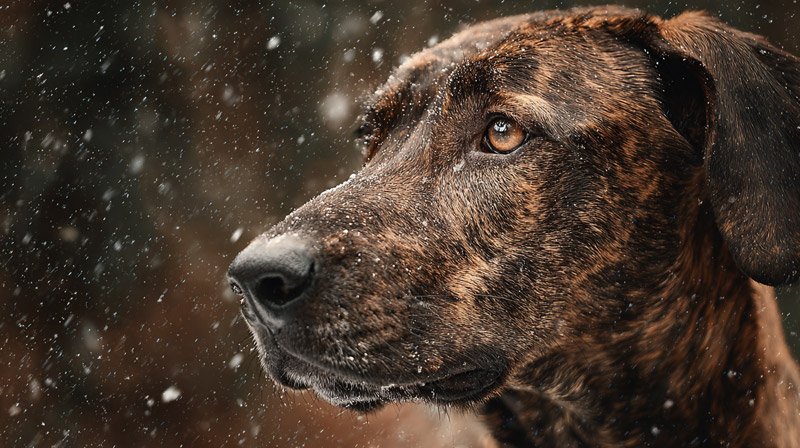
Their double coat handles cold mountain winters well. Snow and freezing temperatures don’t bother most Plotts.
Hot summer weather requires more careful management. Provide shade, fresh water, and avoid midday exercise during heat waves.
Air conditioning helps during extreme heat, but most Plotts prefer outdoor life even in warm weather.
Travel and Boarding Considerations
Exercise needs don’t stop during vacations. Research dog-friendly hiking trails at your destination before leaving.
Professional boarding facilities must understand high-energy breeds. Interview staff about exercise programs and enrichment activities.
Pet sitters need experience with strong, independent dogs. Your neighbor’s teenager probably isn’t qualified for Plott care.
Finding Qualified Care
Look for boarding facilities that offer individual playtime, not just group yard access. Plotts need personalized attention.
Dog daycare can work if staff understand hunting breed behaviors. Not all facilities handle strong, vocal dogs appropriately.
Veterinary boarding provides medical oversight but often lacks adequate exercise programs. Choose based on your dog’s specific needs.
Long-Term Lifestyle Adjustments
Plan for 12-14 years of high-energy dog ownership. Puppy enthusiasm lasts well into their senior years.
Weekend camping trips and hiking adventures become family traditions with most Plott owners. These dogs love outdoor exploration.
Your social life will revolve around dog-friendly activities. Beach trips, mountain hikes, and camping work better than dinner parties.
FAQ on Plott Hound
Are Plott Hounds good family dogs?
Plott Hounds make excellent family companions when properly exercised and trained. They’re gentle with children and naturally protective of their pack.
However, their high energy needs and hunting instincts require experienced dog owners. Apartment living doesn’t work for this active breed.
How much exercise do Plott Hounds need daily?
These mountain dogs require 60-90 minutes of vigorous activity daily. Walking isn’t enough – they need hiking, running, or swimming.
Mental stimulation through scent work and puzzle toys prevents destructive behavior. Bored Plotts find their own entertainment, usually involving your furniture.
Do Plott Hounds get along with other dogs?
Most Plotts do well with other dogs due to their pack hunting background. Early socialization helps them learn appropriate play behavior.
They can be dominant with same-sex dogs. Supervision during initial meetings prevents conflicts from escalating into serious fights.
How big do Plott Hounds get?
Adult males weigh 50-75 pounds and stand 20-25 inches tall. Females are slightly smaller at 40-65 pounds and 20-23 inches.
Their muscular build makes them appear larger than their actual weight. The athletic construction suits their working dog heritage perfectly.
Are Plott Hounds easy to train?
These intelligent dogs learn quickly but think independently. Traditional obedience methods often fail with this stubborn breed.
Positive reinforcement works better than punishment. They need to understand why a command matters before consistently following it reliably.
Do Plott Hounds shed a lot?
Their double coat sheds moderately year-round with heavier seasonal shedding twice annually. Weekly brushing controls most loose hair.
The weather-resistant coat requires minimal grooming compared to breeds like Poodles. Monthly baths are usually sufficient unless they’ve been hunting.
What health problems do Plott Hounds have?
Hip dysplasia appears occasionally but isn’t common with proper breeding. Reputable breeders screen through OFA or PennHIP testing.
Ear infections can develop from outdoor activities. Their hanging ears trap moisture and debris, requiring weekly cleaning for prevention.
How long do Plott Hounds live?
The average lifespan ranges from 12-14 years. Their hardy mountain dog constitution contributes to good longevity for a large breed.
Regular veterinary care, proper nutrition, and adequate exercise help maximize their healthy years. Dog age calculators help track life stages.
Are Plott Hounds aggressive?
Plotts are naturally protective but not aggressive toward people. They’ll bark at strangers but rarely show unprovoked aggression.
Their prey drive can be strong with small animals. Cats require careful introduction and training for peaceful coexistence.
Where can I find Plott Hound breeders?
Reputable breeders are rare since this is an uncommon breed. Expect 6-18 month waiting lists for quality puppies.
The Plott Hound Breeders Association maintains breeder directories. Always verify health testing and visit facilities before committing to purchase.
Conclusion
The Plott Hound stands apart from other American dog breeds with its unique German heritage and mountain hunting legacy. This isn’t a dog for everyone – their exercise demands and independent nature challenge inexperienced owners.
Rural living with adequate fencing suits them best. City apartments and small yards create frustrated, destructive dogs.
Their loyalty to family members runs deep, but so does their prey drive for tracking wildlife. Understanding this balance is key to successful ownership.
Unlike breeds such as Basset Hounds or Beagles, Plotts need experienced handlers who appreciate their working dog mentality.
The bear hunting tradition shaped everything about this breed. Their courage, tenacity, and pack instincts make them incredible companions for active families.
Before choosing a Plott, honestly assess your lifestyle. These dogs deserve owners who can match their energy and respect their independent spirit.