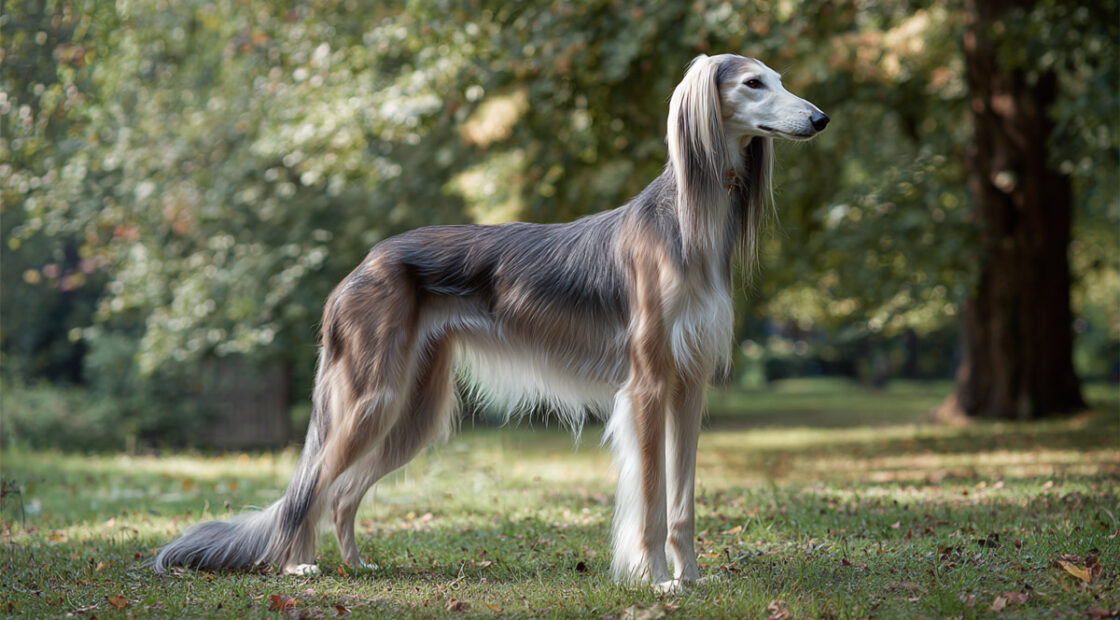
Picture a dog that can outrun your car through city streets yet curl up like a cat on your couch. The Saluki embodies this fascinating contradiction perfectly.
These ancient sighthounds trace their lineage to Egyptian Pharaohs and Bedouin tribes. Their elegant appearance masks incredible athletic ability and complex personality traits.
Desert hunting heritage shaped every aspect of this breed. From their temperature sensitivity to their independent thinking, Salukis challenge conventional dog ownership expectations.
This guide covers everything potential owners need to know. You’ll learn about finding reputable breeders, budgeting for ownership costs, and understanding what life with these graceful athletes really involves.
Saluki Statistics
| Characteristic | Details |
|---|---|
| Size | Medium to Large |
| Height | Males: 23-28 inches, Females: 21-26 inches |
| Weight | Males: 40-65 lbs, Females: 35-55 lbs |
| Life Expectancy | 12-14 years |
| Coat Type | Smooth or Feathered varieties |
| Colors | White, cream, fawn, golden, red, grizzle, tricolor, black/tan |
| Shedding Level | Low to Moderate |
| Grooming Needs | Low (Smooth), Moderate (Feathered) |
| Exercise Requirements | High (2+ hours daily) |
| Energy Level | Moderate to High |
| Trainability | Moderate (independent thinker) |
| Intelligence | High |
| Barking Level | Low |
| Drooling Potential | Low |
| Good with Kids | Moderate (gentle children) |
| Good with Pets | Low (high prey drive) |
| Stranger Friendly | Low to Moderate (reserved) |
| Apartment Living | Possible with adequate exercise |
| Heat Tolerance | Low to Moderate |
| Cold Tolerance | Low |
| Wanderlust Potential | Very High |
| Speed | Up to 42 mph |
| AKC Group | Hound Group |
| AKC Recognition | 1929 |
| Country of Origin | Middle East |
| Breeding Purpose | Sight hunting, coursing |
| Common Health Issues | Heart conditions, eye problems, cancer |
| Price Range | $1,500-$4,000+ |
| Monthly Costs | $150-$300 |
Speed Demon – Understanding the Saluki’s Athletic Abilities
Built for Speed and Endurance
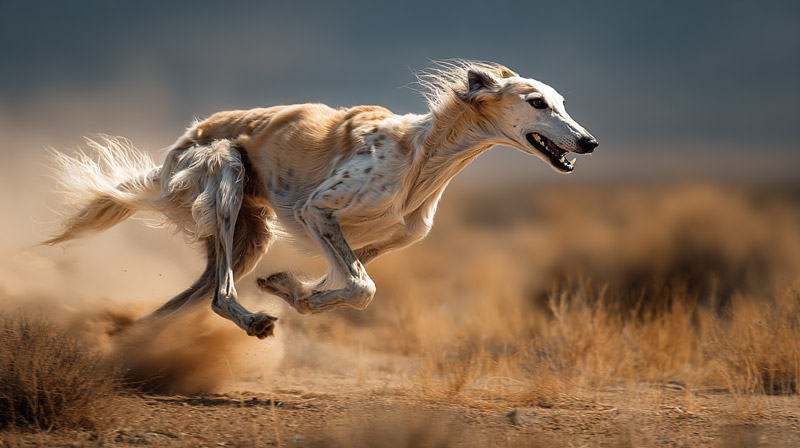
The Saluki’s body reads like an anatomical blueprint for velocity. Every curve and angle serves one purpose: raw speed.
Their deep chest houses powerful lungs and heart. Long legs provide maximum stride length while lean muscle structure minimizes weight without sacrificing power.
The flexible spine acts like a coiled spring. It extends and contracts with each bound, launching these desert coursing hounds forward with incredible force.
Gait Analysis and Running Mechanics
Watch a Saluki in full flight and you’ll see poetry in motion. The double-suspension gallop lifts all four paws off the ground twice per stride cycle.
Front legs reach far forward while rear legs bunch under the body. This creates the explosive push-off that makes them lightning fast dogs.

Their narrow build cuts through air resistance. The aerodynamic head shape and tucked ears reduce drag at high speeds.
Speed Records and Sighthound Comparisons
Salukis can hit 42 miles per hour in short bursts. That puts them neck and neck with their cousin, the Greyhound.
But here’s where Salukis shine: endurance. While Greyhounds are sprinters, Salukis are marathon runners with sprint capability.
They can maintain 25-30 mph for extended periods. This stamina comes from their desert hunting heritage where chasing gazelle across vast landscapes required both speed and staying power.
Hunting Instincts and Prey Drive
Natural Tracking and Chasing Behaviors
That gentle family pet transforms into a focused predator when something moves. The sight hunting instincts kick in instantly.
Their eyes lock onto the target. Body drops into hunting position. Then comes the explosive chase that’s hardwired into their DNA.
Small animals, joggers, bicycles, even leaves blowing in the wind can trigger this response. It’s not aggression – it’s ancient programming from their Bedouin hunting companions ancestry.
Working with Falcons in Traditional Hunts
In the Middle East, Salukis still work alongside falcons. The partnership is thousands of years old and perfectly choreographed.
The falcon spots prey from above and drives it toward the waiting Salukis below. Dogs provide the ground pursuit while birds handle aerial reconnaissance.
This collaborative hunting showcases their intelligence. They learn to work as part of a team, not just individual hunters.
Modern Implications for Pet Ownership
That prey drive doesn’t disappear in suburban backyards. Every Saluki owner needs to understand this fundamental aspect of the breed.
Secure fencing becomes non-negotiable. A six-foot fence minimum, preferably with some lean-in at the top to prevent climbing.
Even well-trained Salukis can bolt after squirrels or cats. Their selective hearing kicks in when hunting mode activates.
Exercise Requirements and Activities
Daily Physical Activity Needs
A tired Saluki is a good Saluki. These dogs need serious daily exercise to stay mentally and physically healthy.
Two hours minimum of varied activity works for most adults. Puppies and seniors need adjusted schedules based on their dog age and development stage.
Morning and evening sessions work best. Split the exercise to prevent overheating and maintain their attention.
Safe Running Environments and Considerations
Fenced areas are your best friend. Dog parks work if they’re large enough and the Saluki has good recall training.
Beach runs are fantastic if the sand isn’t too hot for those sensitive paw pads. Check the surface temperature first.
Leash running requires caution. Salukis can hit their top speed faster than you can react to hazards ahead.
Alternative Exercises for Urban Settings
City living doesn’t rule out Saluki ownership, but it requires creativity.
Lure coursing events let them chase mechanical rabbits safely. Check with the American Sighthound Field Association for local clubs.
Long hiking trails provide mental stimulation along with physical exercise. The varied terrain and scents keep their minds engaged.
Indoor activities matter too. Puzzle toys, hide-and-seek games, and teaching new tricks all help burn mental energy.
Living with a Saluki – Home Life Realities
Space and Housing Requirements
Indoor Living Arrangements
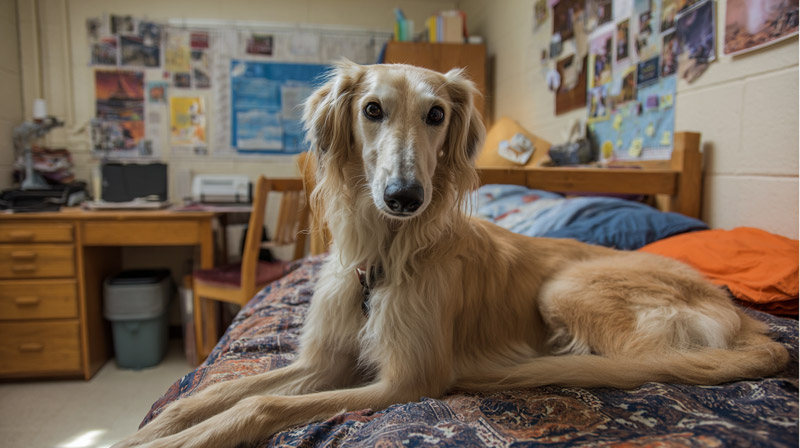
Salukis are surprisingly good apartment dogs – when their exercise needs are met. They’re generally quiet indoors and prefer lounging to constant activity.
These temperature sensitive dogs appreciate climate control. They seek out warm spots in winter and cool tiles in summer.
Soft bedding is important for their lean build. Orthopedic beds help protect those prominent hip bones and joints.
Yard Specifications and Fencing Needs
The backyard needs to be escape-proof. Period. Salukis are notorious escape artists with athletic ability to match their determination.
Six feet minimum height, but eight feet is better. They can clear shorter fences with ease when motivated.
Buried wire or concrete footers prevent digging under. Some Salukis tunnel as enthusiastically as they jump.
Check for gaps, weak spots, or anything that might give way under pressure. These dogs test boundaries constantly.
Apartment Living Considerations
Small spaces can work, but the owner’s commitment to exercise becomes crucial. Daily outdoor adventures aren’t optional.
Stairs can be tough on developing joints in puppies. Adult Salukis handle them fine but prefer elevators when available.
Noise levels matter. While generally quiet, some Salukis become vocal when bored or anxious.
Family Dynamics and Social Behavior
Interactions with Children
Salukis can be wonderful with kids, but they’re not naturally tolerant of rough play. They prefer gentle, respectful children who understand boundaries.
Their reserved nature means they might withdraw rather than correct inappropriate behavior. Supervision helps everyone learn proper interaction.
Teaching children about the breed’s sensitivity creates better relationships. Loud noises and sudden movements can startle these gentle souls.
Multi-Pet Households and Animal Relationships
Other dogs are usually fine, especially if introduced properly. Salukis often enjoy canine companionship.
Cats present complications. Some Salukis live peacefully with felines they’ve grown up with, but strange cats trigger prey drive.
Small pets like rabbits or guinea pigs are typically not compatible. The hunting instincts are too strong to ignore.
Stranger Reactions and Protective Instincts
Don’t expect a guard dog. Salukis are naturally aloof with strangers but rarely aggressive.
They observe newcomers from a distance. Some warm up quickly while others remain politely distant throughout visits.
Their gentle nature means they’re more likely to retreat than confront threats. This makes them poor protection dogs but excellent family companions.
Climate Considerations and Comfort
Temperature Sensitivity and Weather Gear
Desert origins don’t mean heat tolerance. Thin skin and minimal body fat make temperature regulation challenging.
Summer heat requires careful monitoring. Early morning and late evening exercise prevents overheating.
Winter coats are essential in cold climates. Look for styles that cover the chest and belly without restricting movement.
Seasonal Care Adjustments
Spring brings increased shedding and seasonal allergies. More frequent brushing helps manage loose hair.
Fall means paw protection from rough terrain and potential hazards like ice-melting chemicals.
Winter demands indoor alternatives when weather prevents outdoor exercise. Mental stimulation becomes even more important.
Indoor Comfort Preferences
Salukis seek out the best spots in the house. Sunny windows in winter, air conditioning vents in summer.
Soft surfaces are preferred over hard floors. They’ll claim your couch, bed, or any available cushioned area.
Some become quite particular about their sleeping arrangements. Don’t be surprised if your Saluki claims the best spot on your furniture.
Feeding Your Saluki – Nutrition for Performance
Dietary Requirements for Active Dogs
Protein Needs and Quality Sources
These athletic dogs need substantial protein to maintain their lean muscle mass. Look for foods with 25-30% protein content minimum.
Quality matters more than quantity. Named meat sources like chicken, lamb, or fish should top the ingredient list.
Avoid generic terms like “meat meal” or “poultry by-products.” Your Saluki’s performance depends on premium fuel.
Caloric Requirements by Age and Activity Level
Adult Salukis typically need 1,400-1,800 calories daily. Working dogs or those in training may require significantly more.
Puppies need frequent meals with higher calorie density. Three to four meals daily supports proper growth without overwhelming their digestive system.
Senior dogs often need fewer calories but higher quality nutrition. Adjust portions as activity levels decline with age.
Feeding Schedule Recommendations
Two meals daily works best for most adults. This prevents bloat risk while maintaining steady energy levels.
Morning feeding should be lighter if exercise follows. Heavy meals before activity can cause digestive upset or dangerous bloat.
Evening meals can be larger since most dogs rest after dinner. Time the last meal at least two hours before bedtime.
Special Nutritional Considerations
Sensitivity to Certain Ingredients
Many Salukis have sensitive stomachs. Common triggers include corn, wheat, soy, and artificial preservatives.
Grain-free diets work well for some, but consult your veterinarian first. Some grain-free formulas have been linked to heart problems.
Limited ingredient diets help identify problem foods. Start with single protein sources and minimal ingredients.
Weight Management for Lean Breeds
Maintaining proper weight is crucial for these naturally thin dogs. You should easily feel ribs without pressing hard.
Visible ribs aren’t necessarily concerning – Salukis are meant to look lean. Hip bones should be slightly visible from above.
Regular weigh-ins help track changes. Adult weight typically stabilizes between 35-65 pounds depending on sex and bloodline.
Supplements for Joint and Coat Health
Glucosamine and chondroitin support joint health in these active athletes. Start supplementation early, especially for show or coursing dogs.
Omega-3 fatty acids promote coat shine and skin health. Fish oil supplements work well, but check with your vet on dosing.
Probiotics help maintain digestive health, particularly important for dogs with sensitive stomachs.
Feeding Challenges and Solutions
Picky Eating Behaviors
Salukis can be notoriously picky eaters. They’ll skip meals if the food doesn’t meet their standards.
Food rotation helps prevent boredom. Switch between different flavors or brands every few bags.
Warming food slightly can increase palatability. Never leave uneaten food down – pick it up after 20 minutes.
Food Guarding and Resource Management
Some Salukis become protective of their food bowls. This behavior needs addressing immediately before it escalates.
Separate feeding areas help in multi-dog households. Each dog gets their own space and bowl.
Hand-feeding occasionally reinforces that humans control resources. This builds trust rather than competition.
Travel and Feeding Routine Maintenance
Consistent schedules matter more than location. Try to maintain regular meal times even when traveling.
Pack familiar food when possible. Sudden diet changes can cause digestive upset during already stressful travel.
Portable food and water bowls make car trips easier. Collapsible versions save space without sacrificing functionality.
Health and Wellness – Keeping Your Saluki Strong
Common Health Issues in the Breed
Heart Conditions and Cardiac Screening
Heart problems top the list of Saluki health concerns. Dilated cardiomyopathy affects many lines, often showing up in middle age.
Annual cardiac screenings with a veterinary cardiologist catch issues early. The American Kennel Club recommends yearly checks starting at age two.
Sudden collapse during exercise can signal heart trouble. Never ignore weakness or breathing difficulties in these athletic dogs.
Eye Problems and Regular Examinations
Progressive retinal atrophy slowly steals vision in affected dogs. This inherited condition has no cure but responsible breeding reduces risk.
Annual eye exams by canine ophthalmologists are standard for breeding dogs. Pet owners should also schedule regular checks.
Glaucoma appears less frequently but requires immediate treatment. Watch for red, painful eyes or sudden vision changes.
Cancer Predispositions and Early Detection
Cancer strikes Salukis at higher rates than many breeds. Osteosarcoma (bone cancer) and hemangiosarcoma are particular concerns.
Regular vet visits help catch problems early when treatment options are best. Feel for unusual lumps or swellings during home grooming sessions.
Behavioral changes can signal illness before physical symptoms appear. Watch for appetite loss, lethargy, or personality shifts.
Preventive Care and Regular Maintenance
Vaccination Schedules and Parasite Prevention
Core vaccines protect against rabies, distemper, parvovirus, and adenovirus. Follow your veterinarian’s recommended schedule based on local risks.
Heartworm prevention is non-negotiable in most areas. Monthly medications also control intestinal parasites.
Flea and tick protection matters even for indoor dogs. These pests carry diseases that threaten your Saluki’s health.
Dental Care for Sighthounds
Dental disease progresses quickly in narrow-muzzled breeds. Daily brushing prevents tartar buildup and gum problems.
Professional cleanings every 1-2 years maintain oral health. Some Salukis need more frequent attention based on genetics.
Dental chews and toys help between brushings. Choose products sized appropriately for your dog’s mouth.
Regular Health Monitoring at Home
Weekly weight checks catch changes early. Sudden weight loss can signal serious illness in these lean dogs.
Feel for lumps during grooming sessions. New growths warrant veterinary evaluation even if they seem harmless.
Energy level changes often indicate health problems before other symptoms appear. Trust your instincts about your dog’s normal behavior.
Emergency Preparedness
Recognizing Signs of Bloat and Other Emergencies
Gastric dilatation-volvulus (bloat) kills quickly without treatment. Watch for unsuccessful vomiting attempts, restlessness, and swollen abdomen.
Heatstroke threatens these temperature-sensitive dogs. Heavy panting, drooling, and weakness demand immediate cooling and veterinary care.
Pale gums can indicate blood loss, shock, or other serious conditions. Normal gum color is pink with quick capillary refill.
First Aid Basics for Active Dogs
Paw injuries happen frequently in active Salukis. Clean wounds immediately and apply pressure to control bleeding.
Bee stings can cause severe reactions. Remove stingers carefully and watch for swelling or breathing difficulties.
Eye injuries require immediate protection and veterinary attention. Never attempt to remove foreign objects from the eye.
Building a Relationship with a Veterinarian
Find a vet familiar with sighthound breeds. Breed-specific knowledge helps with everything from normal values to anesthesia protocols.
Establish care before emergencies strike. Regular visits build relationships and medical histories that prove invaluable during crises.
Emergency clinic contacts should be readily available. Know where to go and how to get there before you need these services.
Grooming and Coat Care – Maintaining That Silky Beauty
Coat Types and Their Specific Needs
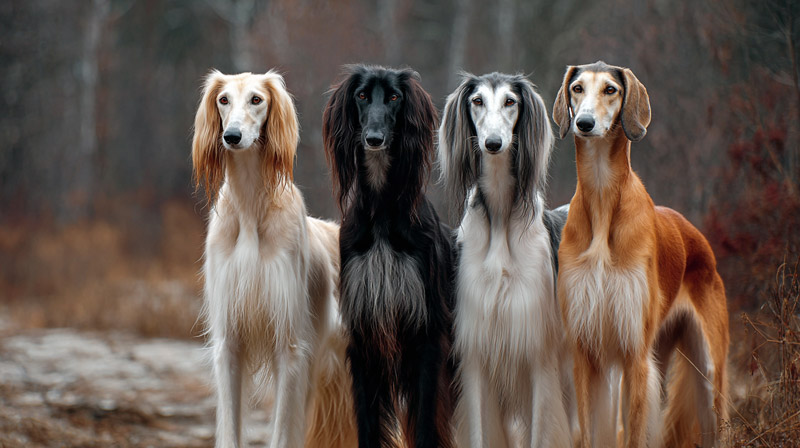
Smooth Variety Grooming Routine
Smooth-coated Salukis need minimal daily maintenance. A weekly brushing removes dead hair and distributes natural oils.
Use a soft bristle brush or grooming mitt. Rubber curry combs work well for removing loose undercoat during shedding seasons.
Bath only when necessary, typically every 6-8 weeks. Over-bathing strips essential oils from their thin skin.
Feathered Variety Maintenance Requirements
Feathered Salukis need more attention to prevent matting. Daily brushing keeps the longer hair on ears, legs, and tail tangle-free.
Pin brushes work best for feathering. Start at the ends and work toward the skin to avoid pulling.
Detangling spray helps with stubborn mats. Never cut mats out unless absolutely necessary, as feathering grows slowly.
Seasonal Shedding Patterns
Spring and fall bring increased shedding as coats adjust to temperature changes. Daily brushing during these periods prevents hair tumbleweeds around the house.
Deshedding tools like undercoat rakes help during heavy shed periods. Use gentle pressure to avoid skin irritation.
Indoor dogs with artificial lighting may shed year-round at lower levels rather than seasonal bursts.
Essential Grooming Tools and Techniques
Brushing Equipment and Frequency
Pin brushes handle feathering without breaking delicate hairs. Slicker brushes work for smooth coats but use light pressure.
Natural bristle brushes distribute oils and add shine. Grooming mitts make quick touch-ups easy between full sessions.
Weekly brushing suffices for most Salukis. Increase frequency during shedding seasons or if your dog enjoys the attention.
Bathing Procedures and Products
Gentle shampoos protect sensitive skin. Avoid harsh detergents or products designed for oily coats.
Lukewarm water prevents temperature shock. Rinse thoroughly to prevent skin irritation from soap residue.
Blow-drying on cool setting speeds drying and reduces chill. Towel-drying works but takes longer in cold weather.
Nail Trimming and Ear Cleaning
Weekly nail trims prevent overgrowth and splitting. These active dogs wear nails naturally but still need regular maintenance.
Guillotine clippers work well for most nails. Dremel tools offer precision but require gradual introduction to prevent fear.
Clean ears weekly with veterinarian-approved solutions. Never use cotton swabs deep in the ear canal.
Professional Grooming Considerations
When to Seek Professional Help
Matted feathering requires professional skill to remove without damage. Groomers have specialized tools and techniques.
Nail grinding may need professional handling if your dog resists home care. Some groomers offer nail-only appointments.
Sanitary trims keep areas clean without affecting the coat’s natural appearance. This is particularly important for feathered varieties.
Show Grooming vs. Pet Grooming Standards
Show preparation requires specific techniques and timing. Professional show groomers understand breed standards and presentation requirements.
Pet grooming focuses on comfort and health rather than perfection. Regular maintenance keeps dogs comfortable and looking good.
Breed-specific groomers understand Saluki coat characteristics and appropriate styling. Not all groomers have sighthound experience.
Cost Considerations and Scheduling
Basic grooming costs $50-100 depending on coat type and local rates. Show preparation costs significantly more.
Seasonal scheduling books up quickly before major shows. Plan appointments well in advance during busy periods.
Monthly visits work for most pet Salukis. Show dogs may need professional attention before each event.
Training Your Independent Spirit – Working with Saluki Mindset
Understanding the Saluki Learning Style
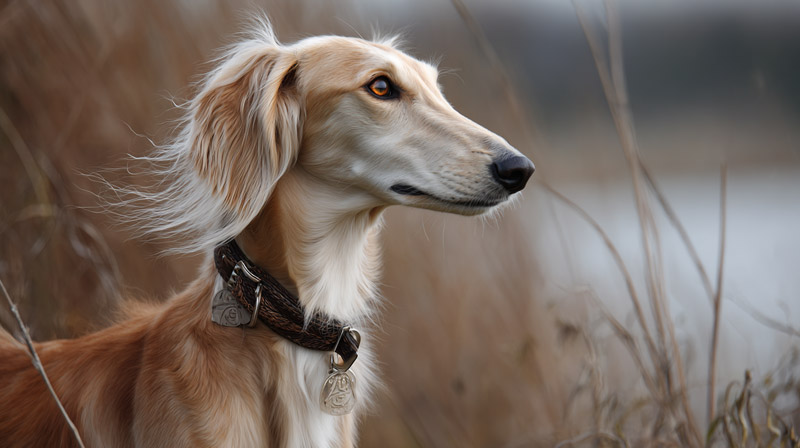
Independent Thinking vs. Obedience Training
Salukis think for themselves. This independent nature served them well in desert hunting but challenges traditional training methods.
They question commands rather than blindly following orders. Patience and consistency work better than force or intimidation.
Problem-solving ability makes them excellent at finding creative solutions (like escape routes). Channel this intelligence positively through training games.
Motivation Techniques That Work
Food motivation varies among individuals. Some are highly food-driven while others barely notice treats.
Praise and attention often work better than edible rewards. These dogs crave connection with their favorite humans.
Game-based training taps into their natural instincts. Hide-and-seek variations make recall training more engaging.
Patience Requirements for Handlers
Progress comes slowly with sighthounds. Expect months rather than weeks to achieve reliable obedience.
Repetitive drilling bores and frustrates these intelligent dogs. Keep sessions short and varied.
Consistency across family members prevents confusion. Everyone must use the same commands and expectations.
Basic Obedience and House Training
Housebreaking Strategies for Sighthounds
Crate training works well for most Salukis. They appreciate having a secure den space.
Frequent outdoor trips during puppyhood establish good habits. Take them out every 2-3 hours initially.
Consistent schedules help predict elimination needs. Feed and walk at regular times for faster housebreaking.
Leash Training and Walking Manners
Positive reinforcement beats leash corrections every time. Reward good behavior rather than punishing mistakes.
Gentle leaders or front-clip harnesses reduce pulling without discomfort. Never use choke chains or prong collars on sighthounds.
Distraction training helps with prey drive triggers. Teach focus commands before encountering squirrels or cats.
Basic Commands and Their Application
“Come” is the most important command for safety. Practice in secure areas with high-value rewards.
“Stay” and “wait” prevent door bolting and other dangerous behaviors. Start with short durations and gradually increase.
“Leave it” protects from eating inappropriate items. This breed can be surprisingly indiscriminate about food choices.
Advanced Training and Specialized Activities
Recall Training for High Prey Drive Dogs
Start indoors with minimal distractions. Build success before moving to more challenging environments.
Never call your dog if you can’t enforce the command. Failed recalls teach dogs they can ignore you.
Practice with long lines in open areas. Gradually increase distances as reliability improves.
Lure Coursing and Competitive Activities
Lure coursing satisfies natural hunting instincts safely. Most Salukis take to this sport immediately.
Fast CAT (Coursing Ability Test) offers titles for dogs of any age. It’s a great starting point for newcomers to the sport.
Straight racing appeals to speed-focused dogs. Different venues offer various formats and distances.
Therapy Dog Potential and Requirements
Calm temperament makes some Salukis excellent therapy dogs. Their gentle nature soothes anxious patients.
Canine Good Citizen certification is typically required before therapy training. This basic obedience test ensures good manners.
Handler commitment is significant for therapy work. Regular visits and continuing education maintain certification.
Finding and Choosing Your Saluki – Breeder and Adoption Guide
Reputable Breeder Research and Selection
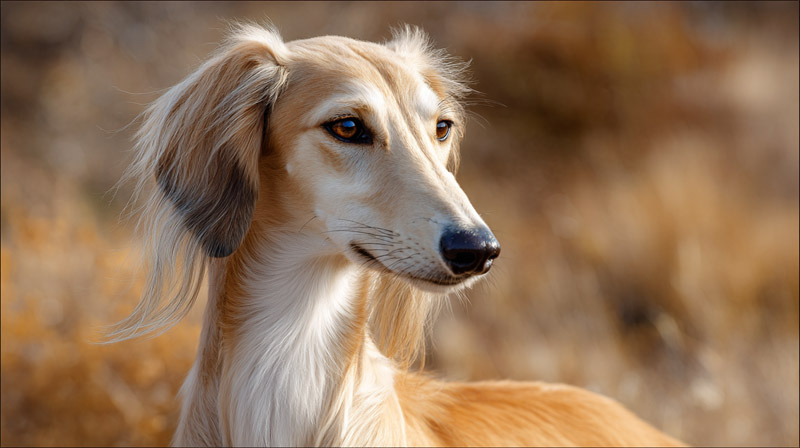
Health Testing Requirements and Certifications
Health screening separates serious breeders from backyard operations. Cardiac clearances from veterinary cardiologists are mandatory for breeding stock.
Eye certifications from canine ophthalmologists must be current within 12 months. The Canine Eye Registration Foundation maintains these records.
Hip and elbow evaluations provide baseline joint health data. While not required by all kennel clubs, responsible breeders test anyway.
Kennel Visits and Question Lists
Visit the breeding facility in person. Clean conditions and happy, healthy dogs indicate proper care standards.
Meet both parents when possible. Temperament passes from generation to generation along with physical traits.
Ask about socialization practices with puppies. Early exposure to household sounds, people, and experiences shapes adult behavior.
Red Flags and Warning Signs
Multiple litters available simultaneously raises concerns about puppy mill operations. Quality breeders typically have one or two litters per year maximum.
Pressure to buy immediately indicates profit motives over puppy welfare. Good breeders want the right match, not quick sales.
Refusal to show health clearances or provide references suggests hidden problems. Transparency characterizes reputable breeding programs.
Adoption and Rescue Considerations
Saluki-Specific Rescue Organizations
Breed-specific rescues understand sighthound needs better than general shelters. The Saluki Club of America maintains rescue contacts nationwide.
These organizations often have extensive application processes. Don’t take thorough screening personally – they want successful placements.
Foster-based rescues provide better behavioral assessments. Dogs in homes show their true personalities more readily than shelter environments.
Adult Dog Adoption Benefits and Challenges
Mature dogs come with established personalities and training. What you see is generally what you get.
Housebreaking is typically complete, saving months of cleanup and scheduling. Most adult dogs adapt quickly to new routines.
Unknown histories can present challenges. Some rescue dogs have behavioral issues from poor early experiences or lack of socialization.
Rehabilitation and Adjustment Periods
Decompression takes 2-6 months for most rescue dogs. Don’t expect perfect behavior immediately after adoption.
Patience during adjustment helps anxious dogs settle in. Some Salukis shut down initially when overwhelmed by change.
Professional training may be necessary for dogs with significant behavioral challenges. Factor this potential cost into adoption decisions.
Puppy Selection and Preparation
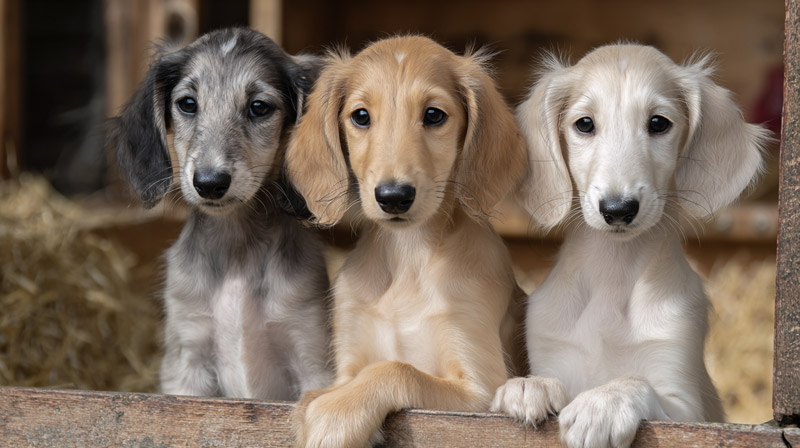
Choosing the Right Puppy for Your Lifestyle
Energy levels vary within litters. Watch puppies interact to gauge individual personalities.
Confident puppies approach strangers readily. Shy puppies hang back but may warm up with patience.
Activity preferences show early. Some puppies prefer mental challenges while others focus on physical play.
Early Socialization Importance
Critical period ends around 16 weeks. Positive experiences during this window shape lifelong attitudes.
Puppy classes provide controlled socialization with other dogs and people. Look for trainers familiar with sighthound breeds.
Household exposure to vacuum cleaners, doorbells, and television prepares puppies for modern life.
Preparing Your Home for Arrival
Puppy-proofing prevents destruction and keeps curious mouths safe. Remove small objects and secure electrical cords.
Secure fencing installation should happen before pickup day. Even young Salukis can squeeze through surprisingly small gaps.
Supply shopping includes appropriately sized crates, beds, and toys. Afghan Hound supplies often work well given similar sighthound proportions.
Cost of Ownership – Budgeting for Your Saluki
Initial Investment and Setup Costs
Purchase Price Variations
Show quality puppies from champion bloodlines cost $2,000-4,000+. Pet quality dogs from the same breeders typically run $1,200-2,500.
Rescue adoption fees range $200-600 including spay/neuter and initial veterinary care. This represents significant savings over breeder purchases.
Geographic location affects pricing substantially. Urban areas and regions with few breeders command premium prices.
Essential Equipment and Supplies
Fencing installation represents the largest single expense for many owners. Professional installation costs $15-30 per linear foot depending on height and materials.
Crate purchases for adult-sized dogs run $100-300. Buy for adult size immediately since puppies grow quickly.
Basic supplies including beds, leashes, collars, and toys total $200-400 initially. Quality items last longer and provide better value.
Veterinary Startup Expenses
Initial examinations and puppy vaccination series cost $200-400 depending on local rates and clinic policies.
Spay/neuter surgery adds $300-800 to first-year expenses. Costs vary by dog size, location, and clinic type.
Microchipping and initial heartworm testing round out startup veterinary expenses. Budget $50-100 for these services.
Ongoing Monthly and Annual Expenses
Food, Grooming, and Routine Care Costs
Premium dog food costs $60-120 monthly for quality brands appropriate for athletic dogs. Cheap food creates expensive health problems later.
Professional grooming every 6-8 weeks costs $75-150 per session. Smooth-coated dogs need less frequent professional attention.
Routine veterinary care including annual exams, vaccinations, and preventive medications averages $800-1,200 yearly.
Insurance Considerations and Options
Pet insurance premiums range $30-80 monthly depending on coverage levels and deductibles chosen. Compare plans carefully before committing.
Wellness plans through veterinary clinics sometimes offer better value than insurance for routine care. Calculate costs both ways.
Self-insurance through dedicated savings accounts works for disciplined owners. Set aside $100-150 monthly for veterinary expenses.
Activity and Enrichment Expenses
Lure coursing entry fees cost $20-40 per event. Factor in travel costs for distant venues and overnight accommodations.
Training classes for basic obedience or specialized activities run $100-200 per session. Group classes offer better value than private training.
Toys and enrichment items need regular replacement. Budget $20-40 monthly for mental stimulation activities and exercise equipment.
Unexpected Costs and Emergency Planning
Common Health Issue Treatment Costs
Cardiac medications for heart conditions cost $50-200 monthly depending on required drugs and dosages.
Cancer treatment including surgery, chemotherapy, or radiation therapy ranges $3,000-15,000+ depending on type and extent.
Emergency surgery for bloat or injury can cost $2,000-8,000. Time-sensitive conditions leave little room for price shopping.
Emergency Fund Recommendations
Minimum emergency fund should cover $5,000 in unexpected veterinary expenses. This handles most common emergency situations.
Ideal savings reach $10,000+ for comprehensive coverage including major illnesses or injuries requiring specialist care.
Payment options like CareCredit provide financing for large veterinary bills. Apply before emergencies to ensure availability.
Long-Term Care Considerations
Senior care costs increase as dogs age. Arthritis medications, more frequent checkups, and special diets add expense.
End-of-life decisions carry both emotional and financial weight. Quality of life assessments help guide difficult choices.
Life expectancy of 12-14 years means long-term financial commitment. Calculate total lifetime costs before bringing home a puppy.
FAQ on Saluki
Are Salukis good family dogs?
Yes, with proper understanding. These gentle sighthounds bond deeply with families but need respectful children and consistent exercise. Their reserved nature requires patience during initial adjustment periods. They’re not naturally tolerant of rough play or loud environments.
How fast can a Saluki run?
Salukis reach 42 mph in short bursts and maintain 25-30 mph for extended distances. Their endurance surpasses most sighthound breeds including Greyhound cousins. Desert hunting heritage created this unique combination of speed and stamina.
Do Salukis shed a lot?
Minimal shedding characterizes both coat varieties. Smooth-coated dogs shed slightly more than feathered types. Seasonal increases occur during spring and fall coat changes. Regular brushing controls loose hair effectively without professional grooming needs.
How much exercise do Salukis need daily?
Two hours minimum of varied activity keeps adult Salukis mentally and physically satisfied. High energy needs require both physical exercise and mental stimulation. Puppies and senior dogs need adjusted schedules based on development and health status.
Are Salukis hard to train?
Independent thinking makes traditional obedience challenging. These intelligent dogs question commands rather than blindly following orders. Positive reinforcement and patience work better than force. Expect months rather than weeks for reliable results.
Can Salukis live in apartments?
Yes, surprisingly well. These quiet indoor dogs adapt to small spaces when exercise requirements are met religiously. Temperature sensitivity makes climate control important. Secure outdoor areas for off-leash running remain necessary regardless of housing type.
What health problems do Salukis have?
Heart conditions top the concern list, particularly dilated cardiomyopathy in middle-aged dogs. Eye problems including progressive retinal atrophy affect some bloodlines. Cancer predisposition requires vigilant monitoring and regular veterinary care throughout their lives.
How much do Salukis cost?
Initial investment ranges $1,500-4,000 for puppies from reputable breeders. Lifetime costs total $15,000-25,000 including food, veterinary care, and activities. Emergency fund of $5,000-10,000 covers unexpected medical expenses and treatment options.
Do Salukis get along with other pets?
Other dogs usually work well, especially with proper introductions. Small pets trigger prey drive in most Salukis. Cats present mixed results depending on early socialization and individual temperament. Multi-pet households require careful management and supervision.
How long do Salukis live?
12-14 years represents typical lifespan for healthy dogs. Proper nutrition and regular veterinary care maximize longevity. Genetic health testing in breeding programs helps reduce inherited conditions that shorten lives. Quality of life remains high throughout most of their years.
Conclusion
The Saluki challenges every assumption about dog ownership while rewarding dedicated families with unmatched loyalty and grace. These ancient hunting dogs demand understanding rather than dominance.
Sacred dogs of the Middle East bring thousands of years of selective breeding into modern homes. Their noble appearance masks complex needs that casual owners often underestimate.
Royal hunting dogs require significant financial commitment and lifestyle adjustments. Secure fencing, premium nutrition, and specialized veterinary care represent ongoing investments in their wellbeing.
Their independent temperament frustrates owners expecting instant obedience. Yet patient families discover these gentle souls form incredibly deep bonds that last lifetimes.
Arabian hounds thrive with owners who appreciate their unique blend of athleticism and sensitivity. They’re not pets for everyone, but for the right families, they’re absolutely perfect companions who bring ancient elegance into everyday life.