Few dogs can match the Wire Fox Terrier for sheer personality packed into a compact frame. This terrier breed combines fearless confidence with sharp intelligence, creating a companion that’s both entertaining and challenging.
Their distinctive wiry coat and alert expression hint at the bold character underneath. Originally bred for fox hunting in England, these dogs brought their working heritage into modern family life without losing their edge.
Understanding this breed’s unique traits helps potential owners decide if they’re ready for such an energetic personality. From their grooming requirements to their independent thinking, Wire Fox Terriers demand specific care and training approaches.
This guide covers everything from their physical characteristics to their role as family companions. You’ll learn about their temperament, health considerations, and what makes them successful in various activities from earthdog trials to therapy work.
Wire Fox Terrier Breed Statistics
| Characteristic | Details |
|---|---|
| Size | Small to Medium |
| Height | Males: 15.5 inches, Females: 14-15 inches |
| Weight | Males: 17-19 lbs, Females: 16-18 lbs |
| Life Span | 12-15 years |
| Energy Level | High |
| Exercise Needs | 60-90 minutes daily |
| Grooming Requirements | High (coat stripping needed) |
| Shedding | Low to Moderate |
| Trainability | Moderate (intelligent but independent) |
| Good with Kids | Yes (with proper socialization) |
| Good with Pets | Moderate (prey drive issues) |
| Apartment Friendly | Yes (if exercise needs met) |
| Barking Level | Moderate to High |
| Protective Instinct | High |
| Climate Tolerance | Moderate (all weather) |
| Common Health Issues | Hip dysplasia, eye problems, Legg-Calve-Perthes |
| Breed Group | Terrier |
| Origin | England |
| AKC Recognition | 1885 |
| Ideal Owner | Active, experienced dog owners |
| Primary Purpose | Fox hunting, companionship |
Meet the Wire Fox Terrier
Origins and History
The Wire Fox Terrier emerged from England’s hunting fields where fox hunting heritage shaped every aspect of their character. Originally bred to bolt foxes from their dens, these terrier breed dogs developed alongside English hunting traditions.
Their working terrier bloodlines trace back to the 18th century when hunters needed fearless dogs small enough to follow quarry underground. These early fox terriers proved their worth in the field before catching the attention of show dog enthusiasts.
The breed split from the Smooth Fox Terrier in formal recognition, though both share common ancestry. This separation highlighted the distinct wire coat texture that defines the breed today.
Physical Appearance Overview
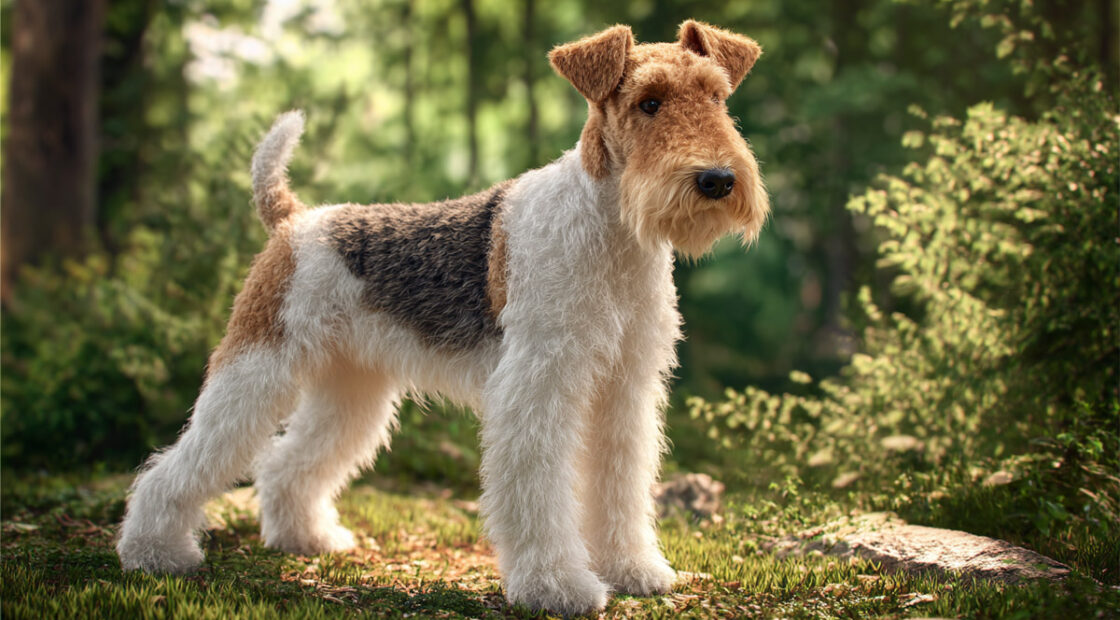
Wire Fox Terriers display a distinctive wiry coat that sets them apart from other terrier group members. Their compact athletic build combines strength with agility in a package perfectly suited for both show ring and family life.
The breed’s alert expression captivates anyone who meets them. Their keen eyes and upright ears create an unmistakable look of intelligence and readiness.
These purebred dogs maintain their sturdy build throughout their lifespan expectations. Their confident demeanor shines through in every aspect of their appearance.

Physical Characteristics That Define the Breed
Size and Proportions

Height standards place males around 15.5 inches at the shoulder, with females slightly smaller. This compact size makes them suitable for various living situations while maintaining their bold character.
Weight expectations range from 16-18 pounds for females and 17-19 pounds for males. These breed standard measurements ensure the dogs retain their athletic abilities.
Body proportions follow a square outline when viewed from the side. This balance creates the proper silhouette that judges look for in show quality specimens.
The Signature Wire Coat
The wiry texture requires specific grooming requirements to maintain its proper appearance. Unlike softer coats, the wire coat protects against weather and brush while working.
Coat stripping becomes necessary several times yearly to maintain the correct texture. This process removes old hair and encourages new growth with the proper harsh feel.
Color patterns typically feature white as the base with black and tan markings. These markings follow specific patterns outlined in kennel club standards.
Regular coat maintenance keeps the wire coat healthy and functional. Professional dog grooming helps achieve the desired texture for both pet and show dogs.
Facial Features and Expression
V-shaped ears fold forward and lie close to the head, creating the classic terrier look. Their alert expression comes partly from proper ear carriage and placement.
Dark, keen eyes reflect the breed’s intelligent nature and quick learning ability. The eyes should appear small, round, and set well into the skull.
Strong jaw structure supports their historical work as earth dogs. The bite should be scissors, with teeth meeting precisely for effective gripping.
Body Structure and Movement
The square body outline provides the foundation for proper movement and balance. This proportion allows for the efficient gait needed in their original hunting role.
Tail carriage traditionally involved docking, though many countries now prohibit this practice. Whether docked or natural, the tail should be carried erect with confidence.
Gait characteristics show smooth, efficient movement with good reach and drive. Proper movement indicates sound structure and athletic ability.
Temperament and Personality Traits
The Bold Nature

Wire Fox Terriers approach life with a fearless attitude that can sometimes surprise their owners. This courage served them well when facing foxes in underground dens.
Their confidence in new situations makes them excellent companion animals for active families. They rarely back down from challenges, which requires careful management in social settings.
Natural leadership tendencies emerge early in puppyhood. These dogs often try to take charge of situations, making consistent training important from the start.
Intelligence and Problem-Solving
Quick learning ability characterizes the breed, though they apply their smarts selectively. They excel when motivated but can be selective about following commands.
Their independent thinking patterns reflect their working heritage. Fox terriers needed to make split-second decisions underground without human guidance.
Memory and retention skills prove excellent when the dog finds the task interesting. Mental stimulation becomes crucial for preventing boredom-related behaviors.
Social Behavior Patterns
Family integration happens naturally when proper socialization occurs early. These dogs bond strongly with their people while maintaining their independent streak.
Interaction with family members varies based on individual personalities. Some become devoted to one person while others spread their affection more evenly.
Behavior around strangers ranges from friendly curiosity to reserved watchfulness. Their protective instincts make them excellent alert dogs without excessive aggression.
Pack dynamics can become complex in multi-pet households. Wire Fox Terriers often try to establish themselves as leaders, requiring careful management with other dogs.
Energy Levels and Activity Needs
Daily exercise requirements include both physical activity and mental challenges. A tired Wire Fox Terrier is generally a well-behaved Wire Fox Terrier.
Mental stimulation needs equal their physical exercise requirements. Puzzle toys, training sessions, and interactive games help channel their intelligence constructively.
Age-related energy changes occur gradually, with puppies requiring more frequent but shorter activity sessions. Adult dogs can handle longer adventures, while seniors need adjusted exercise routines.
These energetic personalities make them poor choices for sedentary lifestyles. They thrive with owners who enjoy active outdoor activities and regular training sessions.
Their bold terrier character shines through in everything they do, from greeting visitors to exploring new environments. This confident approach to life makes them captivating family pets for those ready to match their enthusiasm.
The Alert and Watchful Side
Natural Guarding Instincts

Wire Fox Terriers possess territory awareness that makes them excellent watchdogs without aggressive tendencies. They naturally monitor their surroundings and report suspicious activity to their families.
Protective behavior triggers when strangers approach their property or family members. This instinct stems from their working heritage where alertness meant survival.
The difference between appropriate and excessive alertness requires early training. Well-socialized dogs learn to distinguish between real threats and normal daily activities.
Sensory Capabilities
Hearing acuity surpasses many other breeds, making them quick to detect approaching visitors or unusual sounds. Their ears constantly rotate to catch the slightest noise changes.
Visual tracking abilities help them spot movement from considerable distances. This keen eyesight served them well when hunting foxes across open countryside.
Scent detection skills remain sharp despite being primarily sight hounds during hunts. They can identify family members, other pets, and regular visitors by smell alone.
Communication Methods
Barking patterns vary based on the situation and what they’re trying to communicate. Alert barks sound different from play barks or attention-seeking vocalizations.
Body language signals include:
- Raised hackles for serious alerts
- Play bows for friendly interactions
- Stiff posture for potential threats
- Relaxed stance for familiar situations
Vocal variations range from sharp warning barks to conversational whines. Understanding these sounds helps owners respond appropriately to their dog’s communications.
Living with a Wire Fox Terrier
Indoor Behavior and Habits

House training typically progresses smoothly with consistent routines and positive reinforcement. Most Wire Fox Terriers adapt quickly to indoor living expectations.
Furniture preferences lean toward elevated spots where they can survey their territory. Many claim favorite chairs or couch corners as their personal observation posts.
Daily routine adaptability makes them suitable for various family lifestyles. They adjust to work schedules while maintaining their need for regular interaction and exercise.
Outdoor Activities and Interests
Digging tendencies emerge naturally since their ancestors needed to excavate fox dens. Providing designated digging areas can redirect this instinct constructively.
Prey drive manifestations include chasing squirrels, birds, and other small animals. Secure fencing becomes necessary to prevent unwanted hunting expeditions.
Weather tolerance varies by individual, but most handle moderate climates well. Their wire coat provides some protection, though extreme temperatures require special considerations.
Family Integration
Bonding patterns typically involve the entire family, though some dogs choose one person as their primary focus. This selective bonding reflects their independent nature.
Interactions with children generally go well when proper introductions occur early. Their playful nature matches well with active kids who respect boundaries.
Multi-pet household dynamics require careful management since Wire Fox Terriers often try to establish dominance. Early socialization with other pets prevents future conflicts.
Training and Behavioral Management
Training Responsiveness

Motivation factors that work best include food rewards, play sessions, and enthusiastic praise. These dogs respond poorly to harsh corrections or repetitive drilling.
Common training challenges include:
- Selective hearing when distracted
- Independent decision-making
- Boredom with repetitive exercises
- Strong-willed behavior patterns
Positive reinforcement proves most effective when combined with consistent boundaries. Short, engaging training sessions maintain their attention better than long, formal sessions.
Behavioral Quirks and Management
Stubbornness appears when they disagree with requests or find tasks uninteresting. This trait requires patient, creative training approaches that make compliance rewarding.
Attention-seeking behaviors can escalate without proper management. Ignoring unwanted behaviors while rewarding good choices helps establish better patterns.
Separation anxiety may develop in dogs that become overly dependent on their families. Gradual independence training prevents this issue from becoming problematic.
Socialization Requirements
Early exposure to various people, animals, and situations creates confident, well-adjusted adults. The critical period extends from puppyhood through adolescence.
Ongoing social maintenance includes regular interactions with friendly dogs and supervised meetings with new people. This prevents social skills from deteriorating over time.
Managing reactive behaviors requires understanding their triggers and working to change their emotional responses. Professional dog training may be necessary for serious reactivity issues.
Effective Training Strategies
Quick learning ability means they master basic commands rapidly when properly motivated. However, they may choose when to follow these commands based on their assessment of the situation.
Mental challenges like puzzle toys and trick training keep their intelligent minds engaged. Bored Wire Fox Terriers often create their own entertainment, which owners may not appreciate.
Consistency across all family members prevents confusion and ensures training success. Mixed messages from different people can undermine progress and create behavioral problems.
The breed’s energetic personality requires outlets beyond basic obedience training. Activities like agility, earthdog trials, or advanced trick training provide necessary mental and physical stimulation.
Canine behavior specialists often recommend these dogs for experienced owners who understand terrier temperaments. Their combination of intelligence and independence creates unique training challenges that reward patient, creative approaches.
Health and Care Considerations
Common Health Issues

Genetic predispositions in Wire Fox Terriers include several conditions that responsible breeders screen for regularly. Hip dysplasia occasionally affects the breed, though less frequently than in larger dogs.
Eye problems like progressive retinal atrophy can develop in some bloodlines. Regular veterinary care includes annual eye examinations to catch issues early.
Legg-Calve-Perthes disease affects the hip joint in some young dogs. This condition typically appears between 4-12 months of dog age and may require surgical intervention.
Age-Related Health Changes
Senior dogs face different challenges than their younger counterparts. Joint stiffness and reduced energy levels become more common after age seven.
Health considerations expand as dogs age, requiring adjusted exercise routines and more frequent veterinary checkups. Regular monitoring helps catch age-related issues before they become serious.
Dental health becomes increasingly important with advancing years. Daily tooth brushing and professional cleanings help prevent painful dental disease.
Preventive Care Measures
Pet care protocols should include regular vaccinations, parasite prevention, and routine health screenings. Prevention costs less than treatment and keeps dogs healthier longer.
Annual blood work helps detect internal problems before symptoms appear. Early detection often means better treatment outcomes and lower costs.
Spaying or neutering provides health benefits beyond population control. These procedures reduce cancer risks and eliminate certain behavioral issues.
Grooming and Maintenance
Coat stripping requirements involve removing dead hair several times yearly to maintain proper texture. Professional groomers familiar with terrier coats achieve the best results.
Regular grooming schedules include:
- Weekly brushing to prevent matting
- Monthly nail trims
- Bi-weekly ear cleaning
- Daily tooth brushing when possible
Grooming tools specific to wire coats work better than general dog brushes. Stripping knives and pin brushes designed for terriers make maintenance easier.
Nutritional Needs
Feeding requirements vary based on age, activity level, and individual metabolism. Active adult dogs need more calories than sedentary seniors.
Weight management becomes crucial since excess pounds stress joints and organs. Regular body condition scoring helps maintain optimal weight throughout life.
Food sensitivities affect some individuals, requiring dietary adjustments. Common allergens include chicken, beef, and certain grains.
High-quality dog nutrition supports coat health, energy levels, and immune function. Cheap foods often create more health problems than they prevent.
Wire Fox Terriers in Different Roles
As Family Companions

Suitability for different lifestyles depends largely on the family’s activity level and commitment to training. Active families typically find these dogs delightful companions.
Apartment living works when exercise needs are met consistently. Daily walks, play sessions, and mental challenges compensate for limited yard space.
Activity level matching between dog and family prevents behavioral problems. Sedentary owners may struggle with this breed’s energy requirements.
Working and Performance Activities
Earth dog trials showcase the breed’s natural hunting instincts in controlled environments. These events test their willingness to pursue quarry underground.
Agility training appeals to many Wire Fox Terriers since it combines physical exercise with mental challenges. Their athletic ability and intelligence make them competitive participants.
Therapy work suits dogs with calm, friendly temperaments. Proper evaluation and training prepare suitable candidates for hospital or nursing home visits.
Show Ring Standards
Breed standard interpretation requires understanding proper conformation, movement, and temperament. Judges evaluate how closely each dog matches the ideal.
Grooming for competition involves months of coat preparation and precise trimming. Show dogs need professional handling to achieve the required presentation.
Temperament requirements for showing include confidence, alertness, and cooperation during examination. Shy or aggressive dogs cannot compete successfully.
Performance Versatility
The breed’s intelligence makes them suitable for various dog sports beyond traditional terrier events. Rally, obedience, and tracking provide alternative outlets for their abilities.
Their size advantage over larger breeds makes them competitive in events where agility matters more than power. Quick reflexes and compact build serve them well in timed competitions.
Companion animal roles suit most Wire Fox Terriers better than intensive working positions. Modern life offers fewer opportunities for their original hunting purpose.
Lifestyle Adaptations
Urban living requires creativity in meeting exercise needs. Dog parks, hiking trails, and interactive toys help city dogs stay physically and mentally satisfied.
Rural settings provide more natural outlets for their instincts. Secure fencing becomes critical since their prey drive can override training when interesting scents appear.
Pet ownership responsibilities include understanding terrier-specific needs and characteristics. These dogs require more active management than some calmer breeds.
The breed’s adaptability helps them thrive in various environments when their basic needs are met. Proper exercise, training, and socialization create well-adjusted family members regardless of living situation.
FAQ on Wire Fox Terrier
Are Wire Fox Terriers good family pets?
Wire Fox Terriers make excellent family companions for active households. Their loyal nature and playful personality suit families with children who understand terrier behavior.
They require consistent training and socialization from puppyhood. Their energetic personality matches well with families who enjoy outdoor activities and dog sports.
How much exercise do Wire Fox Terriers need daily?
These terrier breed dogs need 60-90 minutes of daily exercise combining walks, play, and mental stimulation. Their hunting heritage demands both physical activity and engaging challenges.
Without adequate exercise, they develop destructive behaviors. Dog training sessions count toward their mental exercise requirements.
Do Wire Fox Terriers shed a lot?
The wire coat sheds minimally compared to other breeds. Coat stripping several times yearly removes dead hair and maintains proper texture.
Regular brushing prevents matting and reduces loose hair around the house. Professional dog grooming helps maintain their distinctive appearance.
Are Wire Fox Terriers difficult to train?
Their intelligent nature makes them quick learners, but independent thinking creates training challenges. Positive reinforcement works better than harsh corrections.
Short, engaging sessions maintain their attention. Early puppy training and consistent boundaries prevent behavioral problems from developing.
How long do Wire Fox Terriers typically live?
Lifespan expectations range from 12-15 years with proper veterinary care and nutrition. Regular health screenings help detect problems early.
Their sturdy build and active lifestyle contribute to longevity. Pet care protocols including dental hygiene extend their healthy years.
Do Wire Fox Terriers get along with other pets?
Their prey drive can create issues with smaller animals like cats or rabbits. Early socialization with other pets improves compatibility.
Pack dynamics may become complex in multi-dog households. Their bold character often leads them to challenge other dogs regardless of size.
What health problems are common in Wire Fox Terriers?
Genetic predispositions include hip dysplasia, eye problems, and Legg-Calve-Perthes disease. Responsible breeders screen for these conditions.
Regular health considerations include dental care and weight management. Canine behavior changes may indicate underlying health issues requiring attention.
How much grooming do Wire Fox Terriers require?
Grooming requirements include weekly brushing and professional stripping every few months. Their wiry texture needs specialized care to maintain appearance.
Coat maintenance involves nail trims, ear cleaning, and dental care. Show dogs require more intensive grooming than companion animals.
Are Wire Fox Terriers good apartment dogs?
Apartment living works when exercise needs are met consistently. Their size suits smaller spaces, but their activity level requires daily outdoor time.
Mental stimulation becomes more important in confined spaces. Indoor behavior generally remains calm when properly exercised.
What makes Wire Fox Terriers different from other terriers?
Their distinctive wire coat and fox hunting background set them apart from other terrier group members. Alert expression and confident demeanor distinguish them visually.
Temperament differs slightly from breeds like Jack Russell Terriers or Scottish Terriers. Each terrier breed has unique characteristics despite shared traits.
Conclusion
The Wire Fox Terrier stands out among terrier breeds for their remarkable combination of courage, intelligence, and charm. Their hunting heritage shaped a dog that thrives on challenge and adventure.
These dogs reward committed owners with unwavering loyalty and endless entertainment. Their watchdog abilities and protective instincts make them excellent guardians despite their modest size.
Success with this breed requires understanding their independent nature and high exercise needs. Canine behavior specialists often recommend them for experienced dog owners who appreciate terrier temperament.
Breeding practices that focus on health and temperament help ensure these dogs continue thriving as both show dogs and beloved family members. Regular pet maintenance and proper socialization create well-adjusted companions.
Whether pursuing dog sports, earthdog trials, or simply enjoying daily adventures, Wire Fox Terriers bring enthusiasm to every activity. Their legacy as working dogs translates beautifully into modern pet ownership for those ready to match their energy and spirit.