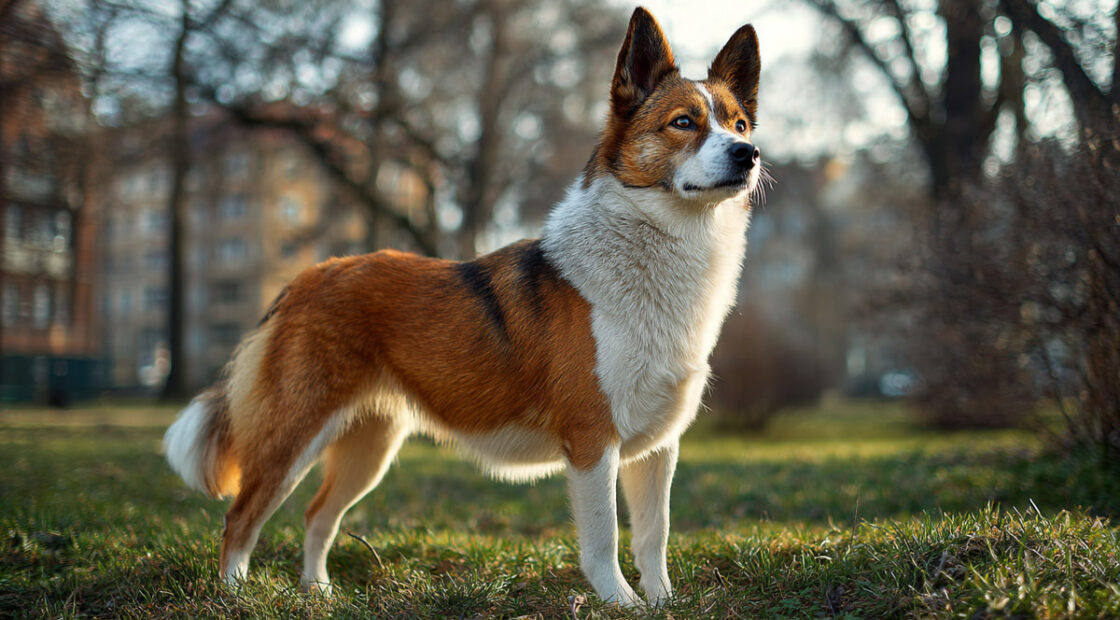
Six toes, ears that seal shut, and a neck that bends backward 180 degrees. The Norwegian Lundehund defies everything you think you know about canine anatomy.
This ancient puffin hunting dog nearly vanished from existence in the 1960s. Today, fewer than 1,500 survive worldwide.
Their extraordinary physical adaptations helped them scale impossible cliff faces for centuries. Norwegian coastal communities depended on these six-toed canines to harvest seabirds from treacherous nesting sites.
Yet owning one isn’t for everyone. Lundehund syndrome affects most dogs, creating lifelong health challenges that demand specialized care.
This guide covers everything from their amazing flexibility to modern breeding challenges. You’ll discover why these rare Norwegian dogs captivate enthusiasts despite their stubborn personalities and complex health needs.
Whether you’re considering ownership or simply curious about this unique breed, you’ll understand what makes Lundehunds truly extraordinary.
Norwegian Lundehund Statistics
| Characteristic | Details |
|---|---|
| Size | Small to Medium |
| Weight | Males: 13-20 lbs, Females: 12-18 lbs |
| Height | Males: 13-15 inches, Females: 12-14 inches |
| Lifespan | 12-14 years |
| Exercise Needs | High (60-90 minutes daily) |
| Training Difficulty | Challenging – Independent thinkers |
| Grooming Needs | Moderate – 2-3x weekly brushing |
| Shedding Level | Moderate with heavy seasonal shedding |
| Good with Kids | Yes, with proper socialization |
| Good with Pets | Moderate – needs early introduction |
| Apartment Living | Possible with adequate exercise |
| Climate Tolerance | Excellent cold tolerance, poor heat tolerance |
| Barking Level | Low to Moderate |
| Energy Level | High |
| Playfulness | Moderate |
| Affection Level | Moderate – bonds deeply but independent |
| Stranger Tolerance | Low – naturally wary |
| Adaptability | Low – needs consistent routine |
| Watchdog Ability | Good alert dog |
| Protection Instinct | Low |
| Drooling Level | Minimal |
| Coat Type | Double coat, weather-resistant |
| Coat Colors | Red to brown with white markings |
| Special Features | 6 toes, flexible ears, extreme neck rotation |
| Health Concerns | Lundehund syndrome, digestive issues |
| Origin | Norway |
| Breed Group | Non-Sporting (AKC) |
| Recognition | AKC (2011), FCI, Norwegian Kennel Club |
| Rarity Level | Extremely rare (under 1,500 worldwide) |
Physical Characteristics That Amaze
The Famous Six Toes
The Norwegian Lundehund’s six toes set it apart from every other dog breed. Each front paw has six fully functional digits, while the rear paws sport five or six.
These extra toes aren’t just genetic quirks. They provide incredible grip strength on slippery cliff faces where puffin colonies nest.
The polydactyl condition helps these dogs navigate rocky terrain that would challenge even skilled climbers. Unlike other breeds that might have dewclaws removed, every digit serves a purpose.
Extra Toe Structure and Function
Each additional toe comes with its own nail and pad. The toes spread wide to distribute weight across uneven surfaces.

Rock climbers would envy this natural adaptation. The extra digits work like built-in crampons for scaling vertical cliff walls.
Extraordinary Joint Flexibility
Ear Folding and Sealing Ability
This breed can fold its ears completely shut. The cartilage bends forward and down to create an airtight seal.
Dust, debris, and water stay out during hunting expeditions. The ear closure protects against harsh Arctic conditions too.
When exploring tight spaces between rocks, sealed ears prevent injury from scraping against stone surfaces. This adaptation proves why the breed survived centuries of puffin hunting.
Extreme Neck Rotation Range
The Lundehund’s neck flexibility amazes veterinarians. These dogs can touch their forehead to their back.
A 180-degree head rotation lets them scan for threats while squeezing through narrow cave openings. Keeshond and other spitz breeds show some flexibility, but nothing matches this level.
Shoulder and Leg Joint Mobility
Front legs can extend almost perpendicular to the body. This unusual shoulder construction allows the dog to lie flat against cliff faces.
Rear legs bend in ways that would injure most breeds. The flexible joints help with backing out of tight puffin burrows.
Size and General Appearance
Weight and Height Specifications
Males typically weigh 13-20 pounds and stand 13-15 inches tall. Females run slightly smaller at 12-18 pounds.
This compact size made them perfect for scrambling through rocky crevices. Larger breeds like the German Shepherd Dog would never fit in puffin nesting areas.
Coat Colors and Patterns
The double coat comes in shades from light red to dark brown. White markings appear on the chest, feet, and tail tip.
Some dogs display black-tipped guard hairs that create a striking appearance. The weather-resistant coat protected them during long hunting sessions on exposed cliffs.
Seasonal shedding happens twice yearly. The undercoat thickens dramatically for winter survival in harsh Norwegian climates.
Distinctive Facial Features
Alert, dark eyes convey intelligence and determination. The wedge-shaped head resembles other Nordic breeds but remains distinctly Lundehund.
Erect, triangular ears stand at attention when not folded shut. The expression shows both wariness and curiosity about their surroundings.
Built for Cliff Navigation
Body Proportions for Agility
The rectangular body shape provides stability during climbs. Short, strong legs generate surprising power for their size.
Chest depth allows for efficient breathing during strenuous cliff scaling. The slightly longer-than-tall proportion gives them a low center of gravity.
Paw Pad Adaptations
Thick, rubbery pads grip smooth rock surfaces. The pads contain more nerve endings than typical breeds for better tactile feedback.
Webbing between toes adds surface area for improved traction. These natural “climbing shoes” made them superior to human hunters on treacherous terrain.
Temperament and Personality Traits
Independent Thinking Nature

Problem-Solving Abilities
Lundehunds approach challenges with methodical thinking. They assess situations before acting, unlike impulsive breeds like the Jack Russell Terrier.
Independent problem-solving was crucial for surviving alone on cliff faces. These dogs had to make split-second decisions without human guidance.
Modern pet owners sometimes find this trait frustrating. The dogs won’t blindly follow commands if they see a better solution.
Selective Listening Tendencies
Training requires patience because Lundehunds evaluate every request. They’re not naturally eager to please like Golden Retrievers.
This selective obedience stems from centuries of working independently. Puffin hunters needed dogs that could think for themselves when separated from handlers.
Consistency in training methods works better than harsh corrections. Positive reinforcement builds trust with these naturally wary dogs.
Decision-Making Preferences
The breed prefers making their own choices about routes, timing, and methods. This trait served them well during hunting expeditions.
Forced compliance often backfires with stubborn personalities. Smart owners learn to guide rather than command their Lundehund.
Social Behavior Patterns
Interaction with Family Members
Lundehunds form strong bonds with their immediate family. They show affection on their own terms rather than demanding constant attention.
Some individuals display favoritism toward one family member. This loyalty runs deep but takes time to develop.
Children need supervision around these dogs initially. The breed’s independent nature means they won’t tolerate rough handling from kids.
Stranger Wariness Levels
Most Lundehunds remain naturally suspicious of strangers. Early socialization helps reduce excessive wariness but rarely eliminates it completely.
This guarded nature made them effective watchdogs for isolated Norwegian communities. They alerted families to approaching visitors or potential threats.
Unlike friendly breeds such as the Labrador Retriever, Lundehunds need time to warm up to new people.
Multi-Pet Household Dynamics
Integration with other pets requires careful planning. Their hunting instincts may trigger chase behaviors toward smaller animals.
Some Lundehunds accept other dogs if introduced properly during puppyhood. Adult dogs often prefer being the only pet in the household.
Cat relationships depend entirely on early exposure and individual temperament. Never trust them unsupervised with small pets initially.
Energy Levels and Activity Needs

Daily Exercise Requirements
These athletic dogs need 60-90 minutes of physical activity daily. Mental stimulation matters as much as physical exercise for this intelligent breed.
Apartment living works only with dedicated exercise routines. Bored Lundehunds become destructive and develop behavioral problems quickly.
Mental Stimulation Preferences
Puzzle toys and problem-solving games appeal to their analytical minds. Hide treats around the house to engage their natural foraging instincts.
Training sessions should be short but frequent. Their attention spans are good, but they lose interest in repetitive exercises.
Agility courses suit their climbing abilities perfectly. The mental and physical challenges keep them engaged and happy.
Age-Related Activity Changes
Puppies show bursts of intense energy followed by long naps. Adult dogs maintain steady activity levels throughout the day.
Senior Lundehunds may develop joint issues that limit climbing activities. Swimming provides excellent low-impact exercise for older dogs.
Monitor their activity levels as they age. Some individuals remain active well into their teens, while others slow down earlier.
Vocal Communication Style
Barking Frequency and Triggers
Lundehunds aren’t typically excessive barkers compared to terrier breeds like the Yorkshire Terrier. They vocalize with purpose rather than constant noise.
Alert barking happens when strangers approach their territory. The bark carries surprising volume for such a small dog.
Other Vocalizations Used
Whining and grumbling communicate frustration or excitement. Some dogs “talk” to their owners with distinctive muttering sounds.
Howling occasionally occurs, reflecting their spitz heritage. The vocalization resembles that of their cousin, the Norwegian Elkhound.
Communication with Owners
Body language speaks louder than vocalizations for this breed. Ear position, tail carriage, and stance convey their emotional state clearly.
They’re subtle communicators who expect owners to read their signals. Missed cues often result in frustrated dogs and confused owners.
Health Considerations and Genetic Issues
Lundehund Syndrome Explained

Digestive System Complications
Lundehund syndrome affects nearly all dogs of this breed to some degree. The condition involves chronic digestive problems that can be life-threatening without proper management.
Intestinal lymphangiectasia causes protein to leak from the digestive tract. This protein loss leads to swelling, weight loss, and nutritional deficiencies.
The small intestine develops abnormal lymphatic vessels that don’t function properly. Inflammation compounds the problem by further damaging the intestinal lining.
Protein Absorption Problems
Affected dogs cannot absorb dietary protein efficiently. Blood protein levels drop dangerously low, causing fluid to accumulate in body tissues.
Hypoproteinemia creates a cascade of health problems. The immune system weakens, wound healing slows, and muscle mass decreases over time.
Regular blood work monitoring becomes crucial for affected dogs. Protein levels need checking every 3-6 months to track disease progression.
Management Strategies and Diet
Low-fat, easily digestible diets help reduce intestinal inflammation. Many owners feed prescription gastrointestinal formulas designed for sensitive dogs.
Frequent small meals work better than large portions twice daily. The damaged intestine handles smaller food volumes more effectively.
Some dogs respond well to novel protein sources like venison or duck. Grain-free diets may benefit certain individuals, though this varies considerably.
Prednisone or other anti-inflammatory medications help during flare-ups. However, long-term steroid use creates its own set of complications.
Other Common Health Problems
Joint and Mobility Issues
Hip dysplasia occurs less frequently than in larger breeds but still affects some individuals. The breed’s small size reduces the severity of symptoms typically.
Luxating patella (kneecap dislocation) appears in some bloodlines. This condition causes intermittent lameness and may require surgical correction.
Arthritis develops earlier in dogs with joint abnormalities. The extra toes sometimes develop arthritis from years of gripping rough surfaces.
Eye Condition Predispositions
Progressive retinal atrophy (PRA) causes gradual vision loss in affected dogs. Responsible breeders test breeding stock for this inherited condition.
Cataracts can develop at any age but are more common in senior dogs. The condition may be hereditary or related to other health problems.
Regular eye exams help catch problems early. Annual screenings by veterinary ophthalmologists are recommended for breeding dogs.
Skin and Coat Concerns
Allergies affect some individuals, causing itchy skin and ear infections. Environmental allergens like pollen or dust mites trigger reactions.
The dense double coat traps debris and moisture if not brushed regularly. Poor grooming leads to hot spots and skin irritation.
Sebaceous adenitis causes hair loss and skin scaling in some dogs. This inflammatory condition affects the hair follicles and oil glands.
Breeding Challenges and Genetics
Limited Gene Pool Effects
The extremely small population creates serious genetic bottlenecks. Inbreeding becomes unavoidable when only a few hundred dogs exist worldwide.
Genetic diversity remains critically low despite conservation efforts. New bloodlines are desperately needed to prevent further genetic deterioration.
The breed’s foundation stock consisted of only six dogs rescued in the 1960s. This narrow genetic base contributes to widespread health problems today.
Responsible Breeding Practices
Health testing for Lundehund syndrome is not yet available through standard genetic panels. Breeders rely on pedigree analysis and symptom tracking instead.
Eye clearances and hip evaluations should be current on all breeding stock. These basic health screenings help reduce preventable inherited conditions.
Breeding decisions must consider more than just physical appearance. Temperament, health history, and genetic diversity take priority over conformation.
Health Testing Requirements
The American Kennel Club recommends eye exams for all breeding dogs. Hip evaluations help identify structural problems before breeding.
DNA testing for inherited diseases continues expanding as researchers identify specific genetic mutations. More tests should become available as the breed population grows.
Cardiac evaluations may become necessary as heart problems are occasionally reported. Comprehensive health databases help track emerging issues.
Lifespan and Quality of Life
Average Life Expectancy
Healthy Lundehunds typically live 12-14 years with proper care. Dogs with severe Lundehund syndrome may have shortened lifespans due to complications.
The breed’s small size generally contributes to longevity compared to giant breeds like the Great Dane. However, genetic health issues offset this advantage.
Senior Care Considerations
Digestive problems often worsen with age, requiring more intensive management. Medication dosages may need adjustment as kidney function declines.
Joint support becomes increasingly important as these athletic dogs age. Glucosamine supplements and physical therapy help maintain mobility longer.
Regular veterinary monitoring helps catch age-related problems early. Blood work, dental care, and weight management become more critical in senior years.
Preventive Health Measures
High-quality nutrition from puppyhood helps support optimal health throughout life. Avoiding overweight conditions reduces stress on joints and organs.
Exercise appropriate to the dog’s age and health status maintains fitness without overexertion. Swimming provides excellent exercise for dogs with joint problems.
Stress reduction techniques help manage Lundehund syndrome symptoms. Consistent routines and calm environments benefit sensitive digestive systems.
Training and Living with a Lundehund
Training Approach Strategies

Positive Reinforcement Methods
Positive reinforcement works best with these independent thinkers. Food rewards, praise, and play motivate them more than corrections or harsh training methods.
Unlike eager-to-please breeds such as the Border Collie, Lundehunds need convincing that training benefits them. Short, frequent sessions prevent boredom and maintain their attention.
Clicker training helps mark desired behaviors precisely. The clear communication reduces confusion and speeds up the learning process.
Dealing with Stubborn Streaks
Lundehunds evaluate every command before deciding whether to comply. This selective obedience frustrates owners expecting automatic responses like those from Golden Retrievers.
Patience becomes your most valuable training tool. Forcing compliance often backfires and creates lasting resistance to training.
Make training feel like a partnership rather than dominance. These dogs respond better to guidance than commands.
Consistency Requirements
All family members must use identical commands and expectations. Mixed signals confuse these analytical dogs and slow progress significantly.
Training schedules should remain as consistent as possible. Daily practice works better than marathon weekend sessions.
Rules need consistent enforcement throughout the house. Allowing behavior sometimes but not others creates confusion and undermines training efforts.
Socialization Needs
Early Exposure Importance
Puppy socialization between 8-16 weeks shapes their adult temperament permanently. This critical window determines how well they’ll adapt to new situations later.
Controlled exposure to various people, sounds, surfaces, and experiences builds confidence. Well-socialized Lundehunds become more adaptable and less fearful adults.
Puppy classes provide structured socialization opportunities with other dogs. However, choose classes that emphasize positive experiences over forced interactions.
Ongoing Social Experiences
Adult Lundehunds need continued social exposure to maintain their skills. Regular walks in different neighborhoods expose them to various sights and sounds.
Dog parks work for some individuals but aren’t necessary for happiness. Many Lundehunds prefer one-on-one interactions over group play sessions.
Addressing Fearfulness
Fearful behaviors require gentle, gradual exposure therapy. Forcing fearful dogs into scary situations often worsens their anxiety permanently.
Counter-conditioning helps create positive associations with previously frightening experiences. Pair scary things with treats and praise consistently.
Professional trainers experienced with primitive breeds can provide valuable guidance. Generic dog training methods don’t always work with these independent thinkers.
Exercise and Activity Requirements

Physical Exercise Needs
Daily walks lasting 45-60 minutes meet their basic exercise requirements. However, mental stimulation matters as much as physical activity for this intelligent breed.
Free running in secure areas allows them to express natural movement patterns. Their climbing instincts need safe outlets to prevent destructive behaviors.
Swimming provides excellent exercise for dogs with joint problems. Many Lundehunds enjoy water activities once properly introduced.
Mental Enrichment Activities
Puzzle toys and treat-dispensing games challenge their problem-solving abilities. Rotate toys regularly to maintain interest and prevent boredom.
Hide-and-seek games engage their natural hunting instincts safely. Start with easy hiding spots and gradually increase difficulty levels.
Training new tricks provides mental stimulation while strengthening your bond. These dogs enjoy learning when sessions remain fun and rewarding.
Safe Exercise Environments
Secure fencing prevents escapes during outdoor exercise. Lundehunds can squeeze through surprisingly small gaps due to their flexible bodies.
Avoid off-leash exercise in unfenced areas until recall training is absolutely reliable. Their independent nature means they may choose to ignore commands when distracted.
Rocky or uneven terrain appeals to their natural climbing instincts. However, supervise activities to prevent injuries from overconfidence.
Home Environment Setup
Space Requirements
Apartment living works if exercise needs are met consistently. These relatively small dogs adapt to various living situations better than larger breeds.
Access to secure outdoor space benefits their mental health significantly. Balconies or small yards provide valuable environmental enrichment.
Safety Considerations
Childproof latches may be necessary on cabinets and doors. Their problem-solving abilities and flexibility allow access to surprising places.
Remove or secure small objects that could become choking hazards. Lundehunds investigate everything and may swallow inappropriate items.
Check fencing regularly for gaps or weak spots. Their climbing abilities mean they can escape over or through barriers that contain other breeds.
Climate Preferences
The double coat provides excellent insulation in cold weather. These dogs handle winter conditions much better than heat and humidity.
Air conditioning becomes necessary in hot climates. Overheating can trigger health problems, especially in dogs with Lundehund syndrome.
Grooming and Care Essentials
Coat Maintenance Routine
Brushing Frequency and Tools
Regular brushing 2-3 times weekly prevents matting and reduces shedding around the house. During shedding seasons, daily brushing becomes necessary.
A slicker brush works well for the dense undercoat. Follow up with a metal comb to catch any remaining loose hair.
Pin brushes help maintain the longer guard hairs without damaging the coat texture. Avoid over-brushing, which can thin the protective outer layer.
Seasonal Shedding Patterns
Twice-yearly coat blows produce massive amounts of loose fur. Spring and fall shedding can last 2-4 weeks with proper brushing.
Daily vacuuming becomes essential during shedding seasons. The fine undercoat gets into everything and can trigger allergies in sensitive family members.
Professional grooming during heavy shedding periods can speed up the process. However, never shave the coat completely, as it may not grow back properly.
Professional Grooming Needs
Most Lundehunds don’t require regular professional grooming beyond nail trims and occasional baths. Their natural coat stays relatively clean with proper brushing.
Professional groomers should understand spitz coat structure. Improper trimming can damage the coat’s insulating properties permanently.
Special Care for Unique Features
Extra Toe Nail Trimming
Six toenails per foot require more frequent attention than typical breeds. Check nails weekly and trim as needed to prevent overgrowth.
The extra toes may not wear down naturally through normal walking. Regular trimming prevents painful ingrown nails and mobility problems.
Use proper nail clippers designed for dogs. If you’re uncomfortable trimming nails, professional groomers can handle this task safely.
Ear Cleaning Procedures
The ear-folding ability can trap moisture and debris inside the ear canal. Weekly cleaning prevents infections and maintains ear health.
Use veterinarian-approved ear cleaning solutions only. Cotton swabs can damage the ear canal and should never be used.
Watch for signs of ear infections including odor, discharge, or excessive scratching. Prompt veterinary attention prevents serious complications.
Dental Care Requirements
Daily tooth brushing prevents dental disease, which can complicate existing health problems. Start dental care early to get puppies accustomed to the routine.
Dental chews and toys help maintain oral health between brushings. However, they don’t replace proper dental hygiene completely.
Annual dental cleanings may be necessary for some individuals. Dogs with health problems may need special anesthesia protocols for safety.
Nutrition and Feeding Guidelines
Dietary Requirements for Health Issues
Dogs with Lundehund syndrome need easily digestible diets low in fat content. Many respond well to prescription gastrointestinal formulas designed for sensitive stomachs.
Novel protein sources like venison, duck, or fish may benefit some individuals. Avoid common allergens like chicken or beef if sensitivities develop.
Grain-free diets help some dogs but aren’t necessary for all individuals. Work with your veterinarian to determine the best dietary approach.
Feeding Schedule Recommendations
Small, frequent meals work better than large portions twice daily. The damaged intestines in affected dogs handle smaller food volumes more efficiently.
Three to four meals daily prevents digestive upset in sensitive individuals. Consistent meal times help regulate digestive function.
Food Allergies and Sensitivities
Environmental and food allergies affect some Lundehunds more than other breeds. Common triggers include chicken, beef, wheat, and corn.
Elimination diets help identify specific allergens causing problems. This process requires patience and strict adherence to feeding protocols.
Keep detailed food diaries to track reactions and improvements. This information helps veterinarians develop effective treatment plans.
Finding and Choosing a Norwegian Lundehund
Rarity and Availability Factors

Global Population Numbers
Fewer than 1,500 Norwegian Lundehunds exist worldwide currently. This extreme rarity makes finding available puppies extremely challenging.
The Norwegian Lundehund Association maintains breeding records and population statistics. Most dogs live in Norway, with small populations in other countries.
Breeder Locations Worldwide
Most reputable breeders operate in Norway, where the breed originates. A handful of dedicated breeders work in the United States, Canada, and Europe.
The Lundehund Club of America maintains breeder directories and referrals. However, even listed breeders may not have puppies available regularly.
Waiting List Expectations
Expect waiting lists of 2-3 years minimum for puppies from reputable breeders. Some breeders stop accepting new applications due to overwhelming demand.
Priority often goes to experienced dog owners or those involved in breed preservation efforts. First-time owners may face longer waits or additional requirements.
Evaluating Reputable Breeders
Health Testing Verification
Responsible breeders provide health clearances on breeding dogs including eye exams and hip evaluations. Ask to see actual certificates, not just verbal assurances.
While genetic testing for Lundehund syndrome isn’t available yet, good breeders track digestive problems in their bloodlines carefully. They should provide honest health histories.
Breeding Program Ethics
Ethical breeders focus on health, temperament, and genetic diversity over profit. They typically breed only one or two litters per year maximum.
Good breeders ask extensive questions about your experience, living situation, and commitment level. They want to ensure suitable homes for their precious puppies.
Puppy Socialization Practices
Well-bred puppies receive extensive early socialization starting at birth. Breeders should expose puppies to various sounds, textures, and gentle handling.
Visit the breeding facility if possible to observe cleanliness and puppy care standards. Puppies should appear healthy, alert, and well-socialized.
Cost Considerations
Purchase Price Ranges
Norwegian Lundehund puppies typically cost $2,000-$4,000 from reputable breeders. The extreme rarity and limited breeding programs drive these high prices.
Shipping costs add significantly to the total expense, especially for international purchases. Budget an additional $500-$1,500 for transportation.
Ongoing Health Care Costs
Specialized veterinary care for Lundehund syndrome can cost thousands annually. Not all veterinarians understand this complex condition adequately.
Regular blood work monitoring, prescription diets, and medications add to routine care expenses. Budget significantly more than typical dog ownership costs.
Insurance Considerations
Pet insurance may not cover pre-existing conditions like Lundehund syndrome. Research policies carefully before purchasing coverage.
Some insurers exclude genetic conditions entirely, making coverage less valuable for this breed. Compare multiple companies and read policy details thoroughly.
Suitability Assessment
Experience Level Requirements
This breed suits experienced dog owners who understand independent, primitive breeds. First-time owners often struggle with their stubborn, analytical nature.
Unlike user-friendly breeds such as the Labrador Retriever, Lundehunds require patient, knowledgeable handling throughout their lives.
Lifestyle Compatibility Factors
Active lifestyles match well with their exercise requirements and mental stimulation needs. Couch potatoes will find these dogs frustrating and destructive.
Flexible schedules help accommodate their specialized care requirements. Rigid work schedules may not allow for necessary health monitoring and care.
Long-Term Commitment Readiness
The 12-15 year lifespan includes potential expensive health problems throughout their lives. Financial and emotional commitment must extend well beyond puppyhood.
Consider your living situation stability before committing to this rare breed. Moving internationally with a Lundehund involves complex paperwork and quarantine requirements.
The Lundehund in Modern Times
Current Population and Distribution

Registry Numbers Worldwide
The global Norwegian Lundehund population remains critically low with fewer than 1,500 dogs registered worldwide. The Norwegian Kennel Club maintains the primary studbook for the breed.
The American Kennel Club recognized the breed in 2011, but registration numbers stay extremely limited. Only 50-100 dogs exist in North America currently.
European populations outside Norway consist of scattered individuals across several countries. Most breeding programs remain concentrated in Scandinavia.
Geographic Concentrations
Norway holds approximately 800-900 Lundehunds, representing over half the world’s population. The Lofoten Islands maintain the largest concentration of these rare dogs.
Røst Island preserves some of the most genetically diverse bloodlines available today. This remote location helped protect the breed during its near-extinction crisis.
Small breeding populations exist in Sweden, Finland, and Denmark. However, these programs rely heavily on Norwegian bloodlines for genetic diversity.
The United States houses the largest population outside Scandinavia with roughly 80 registered dogs. Most American dogs trace back to imports from the 1990s and 2000s.
Breed Club Organizations
The Norwegian Lundehund Association coordinates international breeding efforts and maintains genetic databases. They work closely with researchers studying Lundehund syndrome.
Lundehund Club of America promotes responsible breeding and provides owner education resources. They organize annual specialties and health seminars.
European breed clubs collaborate on breeding decisions to maximize genetic diversity. Cross-border cooperation becomes critical with such small populations.
Role as Family Companion
Adaptation to Pet Life
Modern Lundehunds adapt surprisingly well to companion roles despite their working heritage. Their independent nature suits families who appreciate less clingy breeds.
These dogs bond deeply with their families while maintaining characteristic independence. Unlike attention-seeking breeds such as the Cavalier King Charles Spaniel, they’re content with moderate interaction.
Urban living works if exercise needs are met consistently. However, their climbing instincts need appropriate outlets to prevent behavioral problems.
Activities and Dog Sports
Agility training appeals to their natural athleticism and problem-solving abilities. Their flexibility and climbing skills give them advantages on certain obstacles.
Nose work and scent games engage their hunting instincts safely in modern settings. These activities provide mental stimulation while honoring their heritage.
Some individuals participate in therapy dog programs after careful evaluation. Their calm demeanor with familiar people can benefit certain therapy situations.
Hiking and outdoor adventures suit their adventurous nature perfectly. Many owners discover these dogs excel at trail activities and camping.
Therapeutic Roles
Selected Lundehunds work as therapy dogs in specialized settings. Their quiet, observant nature appeals to people who find more exuberant breeds overwhelming.
However, their natural wariness limits therapy applications significantly. Extensive socialization and temperament evaluation determine suitability for these roles.
Preservation Efforts

Genetic Diversity Programs
International breeding cooperation becomes crucial for long-term survival. Breeders coordinate matings across continents to maximize genetic diversity.
The Norwegian Lundehund Association maintains detailed genetic databases tracking relationships between all breeding dogs. This data guides breeding decisions worldwide.
Frozen semen storage preserves genetic material from important bloodlines. This technology allows continued use of valuable genetics even after dogs die.
Research continues into genetic rescue techniques including outcrossing with closely related breeds. However, such drastic measures remain controversial within the breeding community.
International Cooperation
Annual International Lundehund Congress brings together breeders, researchers, and enthusiasts from multiple countries. These meetings coordinate global conservation strategies.
Health data sharing helps identify emerging problems and successful treatment protocols. Veterinarians worldwide benefit from this collaborative approach.
Breeding recommendations cross national boundaries to optimize genetic outcomes. Individual countries set aside nationalism for breed survival.
Research Initiatives
Lundehund syndrome research continues at veterinary schools and research institutions worldwide. Scientists work to understand the genetic basis of this complex condition.
The University of Pennsylvania and Norwegian veterinary colleges collaborate on digestive health studies. Their research may lead to better treatments or preventive measures.
Genetic sequencing projects map the breed’s entire genome to identify problematic mutations. This work takes years but could revolutionize breeding decisions.
Nutritional research investigates dietary interventions for affected dogs. Some promising treatments show potential for improving quality of life.
Conservation Challenges
Breeding Program Limitations
The extremely small gene pool forces difficult breeding decisions. Every mating impacts the entire breed’s genetic future significantly.
Inbreeding becomes unavoidable when only 1,500 dogs exist globally. Breeders must balance genetic diversity against other important traits.
Limited breeding stock means individual dogs carry enormous genetic responsibility. The loss of any breeding animal affects the entire population.
Geographic separation complicates breeding programs when optimal mates live on different continents. Shipping costs and logistics create additional barriers.
Health Monitoring Systems
Comprehensive health databases track every known health problem in the breed. This information guides breeding decisions and research priorities.
Lundehund syndrome prevalence appears to be increasing rather than decreasing despite careful breeding. This trend concerns preservation efforts significantly.
Early detection protocols help identify affected dogs before breeding age. However, the complex inheritance pattern makes predictions difficult.
Veterinary education programs train more doctors to recognize and treat breed-specific conditions. Specialized knowledge improves care quality worldwide.
Future Sustainability
Population models suggest the breed needs at least 2,500 dogs to achieve long-term genetic stability. Current growth rates make this goal challenging to reach.
Climate change threatens traditional puffin populations in Norway. This environmental pressure could impact the breed’s cultural significance and support.
Modern puffin hunting regulations limit traditional working opportunities. The breed must find new purposes to maintain relevance and support.
Conservation breeding programs require sustained funding and commitment over decades. Economic pressures threaten some established programs.
Cultural Significance Today
Norwegian Heritage Preservation
The breed represents living Norwegian cultural history dating back over 400 years. Museum exhibits and cultural centers feature Lundehunds in heritage displays.
Traditional puffin hunting knowledge remains important even without active hunting. Elder hunters share historical techniques with younger generations.
Nordic cultural identity connects strongly with these ancient working dogs. They symbolize the harsh realities of traditional coastal life.
Tourism in the Lofoten Islands often features breed history and demonstrations. Visitors learn about traditional hunting methods and modern conservation.
Educational Programs
School programs in Norway teach children about local breed heritage and conservation needs. These educational efforts build future support for preservation.
University courses in animal genetics and conservation biology use the Lundehund as case studies. Students learn about population bottlenecks and genetic rescue.
International conferences showcase the breed’s unique adaptations and conservation challenges. Scientists from multiple disciplines contribute research and expertise.
Media Representation
Documentary films highlight the breed’s remarkable abilities and conservation story. These productions raise international awareness and support.
Social media accounts dedicated to the breed connect owners worldwide. These platforms share care tips, health updates, and breeding information.
Rare breed exhibitions feature Lundehunds at dog shows and specialty events. Public education efforts help people understand conservation needs.
FAQ on Norwegian Lundehund
How many toes does a Norwegian Lundehund have?
Norwegian Lundehunds have six toes on each front paw and five or six on the rear paws. This polydactyl condition provides superior grip on rocky cliff faces where they hunted puffins. Unlike breeds such as the Great Pyrenees that may have rear dewclaws, every Lundehund toe is fully functional.
What is Lundehund syndrome?
Lundehund syndrome is a digestive disorder affecting nearly all dogs of this breed. The condition causes protein-losing enteropathy, where protein leaks from the intestinal tract. This leads to weight loss, swelling, and nutritional deficiencies requiring lifelong dietary management and veterinary monitoring.
How rare are Norwegian Lundehunds?
Fewer than 1,500 Norwegian Lundehunds exist worldwide currently. This makes them one of the rarest dog breeds globally. The population crashed to near extinction in the 1960s, and conservation breeding efforts continue today to maintain genetic diversity.
Can Lundehunds close their ears?
Yes, Lundehunds can fold their ears completely shut to create an airtight seal. This unique adaptation protected them from debris and water while hunting in tight cliff crevices. The flexible ear cartilage bends forward and down, unlike any other dog breed.
Are Norwegian Lundehunds good family pets?
Lundehunds can be good family pets for experienced dog owners who understand independent breeds. They’re not as eager to please as Labrador Retrievers and require patient training. Their natural wariness means proper socialization is crucial for family integration.
How much do Norwegian Lundehund puppies cost?
Norwegian Lundehund puppies typically cost $2,000-$4,000 from reputable breeders. The extreme rarity and limited breeding programs drive these high prices. Additional costs include shipping, specialized veterinary care, and prescription diets for digestive health problems throughout their lives.
Do Norwegian Lundehunds shed a lot?
Lundehunds shed moderately year-round with heavy seasonal coat blows twice annually. Their dense double coat requires regular brushing to manage loose hair. During shedding seasons, daily grooming becomes necessary to prevent matting and reduce household fur accumulation.
How long do Norwegian Lundehunds live?
Healthy Norwegian Lundehunds typically live 12-14 years. However, dogs with severe Lundehund syndrome may have shorter lifespans due to complications. Their small size generally contributes to longevity, but genetic health issues can impact overall life expectancy significantly.
Are Norwegian Lundehunds hard to train?
Lundehunds are moderately difficult to train due to their independent temperament and selective obedience. They evaluate commands before complying, unlike eager breeds such as the Border Collie. Positive reinforcement and patience work better than harsh corrections with these analytical dogs.
Where can I find Norwegian Lundehund breeders?
Reputable Norwegian Lundehund breeders are extremely rare worldwide. Most operate in Norway, with a few in North America and Europe. The Lundehund Club of America maintains breeder directories, but expect 2-3 year waiting lists minimum due to the breed’s extreme rarity.
Conclusion
The Norwegian Lundehund represents one of nature’s most remarkable canine adaptations. These Arctic bird dogs evolved extraordinary abilities that helped them survive in harsh Norwegian coastal environments for centuries.
Their flexible joints, extra toes, and ear-sealing capabilities make them living examples of specialized evolution. Few breeds can match their unique physical adaptations or independent problem-solving skills.
Owning a Lundehund demands serious commitment and realistic expectations. Digestive health challenges, stubborn training responses, and specialized veterinary care requirements exceed typical dog ownership responsibilities significantly.
Yet for dedicated enthusiasts, these rare Norwegian dogs offer unmatched companionship. Their analytical minds, climbing abilities, and deep family bonds create relationships unlike those with more common breeds like the Beagle or Poodle.
Conservation efforts continue protecting this living piece of Norwegian cultural heritage. Every responsible breeding decision and informed owner helps secure the breed’s survival for future generations to appreciate and study.