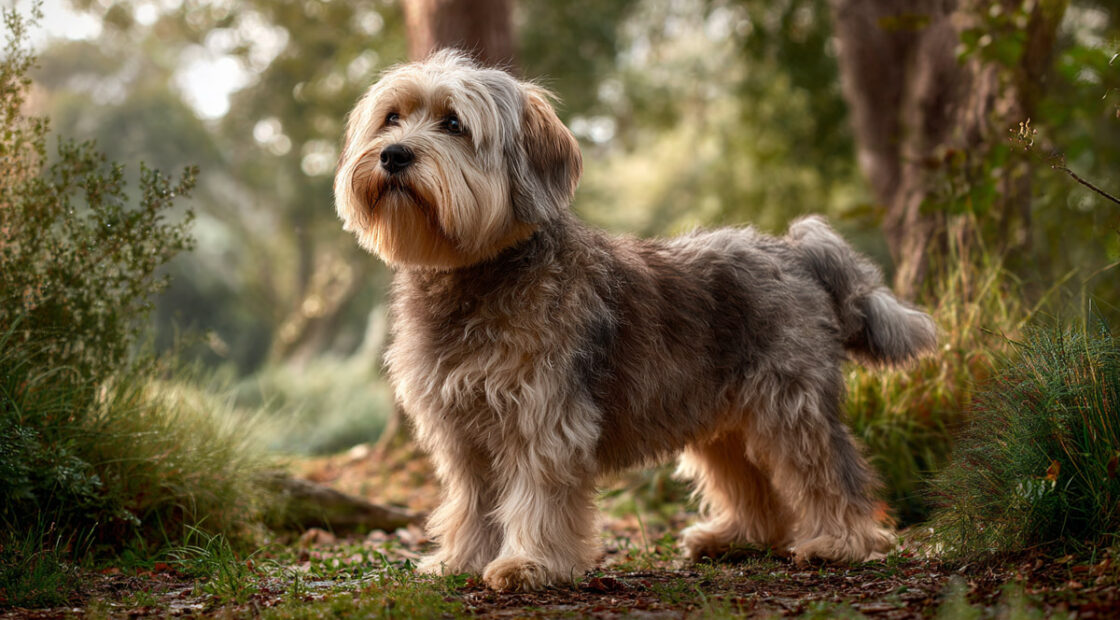
Few Scottish terrier breeds capture hearts like the Dandie Dinmont Terrier with its distinctive mustard and pepper coat colors. This remarkable breed emerged from Scotland’s Border region, where farmers needed tough working dogs for badger hunting in rocky terrain.
Literary fame transformed these farm dogs into beloved companions when Sir Walter Scott featured them in his 1815 novel “Guy Mannering.” The fictional character Dandie Dinmont gave the breed its enduring name and sparked Victorian era popularity.
Modern families discover that Dandies offer gentle terrier temperament rarely found in other breeds. Their calm dignity sets them apart from typical terrier behavior patterns.
This guide covers everything prospective owners need about the Dandie Dinmont Terrier:
- Rich Scottish heritage and development
- Distinctive physical characteristics
- Temperament and personality traits
- Health considerations and lifespan
- Grooming and training requirements
- Living arrangements and daily care
- Finding reputable breeders or rescue options
Whether you’re considering adding a Dandie to your family or simply curious about this rare Scottish breed, you’ll understand why these dogs maintain devoted followings despite their small numbers.
Dandie Dinmont Terrier Stats
| Characteristic | Details |
|---|---|
| Size | Small |
| Height | 8-11 inches |
| Weight | 18-24 pounds |
| Lifespan | 12-15 years |
| Energy Level | Moderate |
| Exercise Needs | 40 minutes daily |
| Grooming Requirements | High |
| Shedding | Moderate |
| Training Difficulty | Moderate |
| Good with Kids | Yes (with socialization) |
| Good with Pets | Yes (with early introduction) |
| Apartment Living | Excellent |
| Climate Tolerance | Cold: Excellent, Heat: Fair |
| Barking Level | Low to Moderate |
| Coat Type | Double coat, soft undercoat |
| Coat Colors | Mustard (cream to red), Pepper (gray to black) |
| Origin | Scotland |
| Breed Group | Terrier |
| AKC Recognition | Yes (1886) |
| Rarity | Very Rare |
| Health Issues | Glaucoma, IVDD, Cushing’s syndrome |
| Puppy Price | $1,500-$3,000 |
| Monthly Care Cost | $100-$200 |
A Rich Scottish Heritage

Origins in the Scottish Borders
The Dandie Dinmont emerged from Scotland’s rugged Border region during the 1600s. Farmers needed tough working dogs to hunt badgers and otters in rocky terrain.
These hardy survivors thrived in harsh Scottish weather conditions. Border farmers carefully selected dogs with courage and stamina. The breed developed exceptional hunting abilities while maintaining a gentler temperament than most terriers.
Working heritage shaped everything about these dogs. Their low-set bodies navigated tight spaces underground. Strong bone structure supported demanding farm work. Flexible spines allowed quick turns in confined areas.
The Literary Connection
Sir Walter Scott changed everything for this breed. His 1815 novel “Guy Mannering” featured a character named Dandie Dinmont who owned terriers.

Scott’s literary influence spread across Victorian England. The book’s popularity gave the breed its distinctive name. Literature created demand among wealthy families seeking these Scottish farm dogs.
The fictional character owned both mustard and pepper colored terriers. This detail from Scott’s writing established the breed’s two recognized color varieties.
Development into a Distinct Breed
Border farmers practiced selective breeding for generations. They prioritized working ability over appearance initially. Careful breeding preserved the terrier’s hunting instincts while developing show quality traits.
Kennel club recognition came in the 1800s. The American Kennel Club and other organizations established breed standards. Breeders balanced working characteristics with conformation requirements.
Modern breeding maintains both bloodlines. Working dogs retain strong prey drive and endurance. Show lines emphasize the breed’s distinctive head shape and coat texture.
Physical Characteristics That Stand Out
Body Structure and Build

The Dandie’s silhouette is unmistakable. A long, low body creates the breed’s signature profile. The curved topline differs from most Scottish terrier breeds.
Strong legs support the compact frame despite short stature. This build reflects centuries of badger hunting heritage. Sturdy bone structure carries surprising weight for the dog’s size.
Working ability remains paramount in body structure. The flexible spine allows navigation through tight spaces. Deep chest provides lung capacity for sustained activity.
The Famous Dandie Head and Expression
Large, domed heads distinguish Dandies from other terriers. The broad skull houses considerable brain capacity. This head shape contributes to the breed’s problem-solving abilities.
Pendant ears hang close to the head. Low-set ear placement creates the breed’s gentle expression. Large, round eyes show remarkable intelligence and awareness.
The scissors bite features strong, white teeth. Proper dental structure supports the breed’s original hunting purpose. Jaw strength reflects the terrier’s working background.
Coat Colors and Textures
Two distinct color varieties define the breed:
- Mustard shades range from cream to dark red
- Pepper colors span light gray to black
The double coat provides weather protection. Soft undercoat insulates against Scottish cold. Harder outer layer repels moisture and debris.
Silky topknot hair requires regular grooming attention. This distinctive feature tops the domed head. Proper coat maintenance preserves the breed’s elegant appearance.
Seasonal coat changes affect texture and thickness. Professional grooming maintains breed standards. Show dogs need expert trimming for competition.
Size and Weight Standards
Height measures 8-11 inches at the shoulder. Weight ranges from 18-24 pounds for most adults. These dimensions create ideal proportions for both work and companionship.
Males typically exceed females in size and weight. Sexual dimorphism appears in head size and bone structure. Both sexes maintain the breed’s characteristic low profile.
Balanced proportions support working ability throughout the dog’s life. Proper size prevents back problems common in longer breeds. Weight management protects joints and spine health.
Puppy development follows predictable patterns. Adult size becomes apparent by eight months. Final bone development continues until two years of age.
Temperament and Personality Traits
The Gentle Terrier Spirit

Dandies break the typical terrier mold. They’re calmer than most Scottish terrier breeds and far less reactive.
Dignified composure defines their character. Independent thinking stems from centuries of farm work. These dogs solved problems without constant human direction.
Affection comes naturally but never becomes clingy. They bond deeply with family members while maintaining self-reliance. This balance makes them ideal companions for experienced dog owners.
Intelligence and Trainability
Quick learners excel at problem-solving tasks. Their working background created dogs that think before acting. Positive training methods produce excellent results with consistent application.
Stubbornness emerges when motivation lacks. Smart dogs need engaging training sessions. Boring repetition fails with this breed. Creative approaches maintain their interest and cooperation.
Hunting instincts persist despite gentle nature. Small animal prey drive remains strong in most bloodlines. Early socialization helps manage these natural behaviors around pets.
Social Behavior and Family Life
Family bonds form quickly and last lifetime. Children benefit from proper early socialization with the dog. Reserved behavior around strangers protects the family unit.
Multiple pet households work well when introductions happen gradually. Cat relationships depend on individual temperament and early exposure. Most Dandies adapt to existing pets with patience.
Territorial instincts appear selectively. They protect property without excessive aggression. Barking alerts families to visitors but rarely becomes problematic.
Energy Levels and Activity Needs
Moderate exercise satisfies most Dandies. Daily walks provide physical and mental stimulation. Indoor activities work during bad weather periods.
Adaptability to owner lifestyle makes them versatile companions. Active families enjoy hiking partners. Quieter households appreciate calm indoor behavior.
Mental stimulation prevents boredom issues. Puzzle toys challenge their intelligence. Training sessions double as entertainment and bonding time.
Health and Lifespan Considerations
Common Health Issues in the Breed

Glaucoma affects many bloodlines. Regular eye examinations catch problems early. Specialist veterinary care prevents vision loss when detected promptly.
Intervertebral disc disease threatens long-backed breeds. The Dandie’s spine structure creates vulnerability. Weight management reduces stress on vertebrae throughout life.
Cushing’s syndrome appears in older dogs. Hormone imbalances affect coat quality and energy levels. Veterinary monitoring identifies symptoms before serious complications develop.
Epilepsy runs in certain family lines. Genetic testing helps responsible breeders avoid affected bloodlines. Seizure management allows affected dogs normal lifespans with proper medication.
Preventive Care and Health Screening
Eye specialist examinations should occur annually. Early glaucoma detection preserves vision longer. Breeding dogs require clearances before mating.
Spinal health monitoring becomes critical after age five. X-rays identify disc problems before clinical symptoms appear. Conservative management prevents surgical intervention in many cases.
Genetic testing reveals hereditary condition risks. Reputable breeders screen parent dogs before breeding. Health clearances protect puppy buyers from known genetic issues.
Weight management protects joints throughout life. Proper body condition reduces spine stress. Regular dog age assessments help adjust care routines.
Lifespan and Quality of Life
Average lifespan reaches 12-15 years with proper care. Generally healthy breed genetics support longevity. Good breeding practices extend life expectancy significantly.
Activity levels remain steady until senior years. Most dogs maintain enthusiasm for walks and play. Gradual adjustments accommodate aging joints and energy changes.
Senior care modifications begin around age ten. Softer bedding supports aging joints. Veterinary check-ups increase to twice yearly for early problem detection.
Quality of life indicators guide care decisions. Appetite, mobility, and social interaction reflect overall wellbeing. Pain management keeps seniors comfortable during their final years.
Grooming and Maintenance Requirements
Daily and Weekly Grooming Needs
Brushing prevents matting in the soft undercoat. Daily attention keeps the double coat healthy. Weekly deep brushing removes loose hair and debris.
Ear cleaning prevents infections common in pendant-eared breeds. Check ears twice weekly for wax buildup or odor. Gentle cleaning solutions work better than harsh chemicals.
Nail trimming happens every two weeks. Active dogs wear nails naturally on concrete surfaces. Indoor dogs need regular attention to prevent overgrowth and splitting.
Dental care starts early to prevent periodontal disease. Daily brushing removes plaque buildup. Dental chews supplement regular tooth care routines.
Skin checks catch issues before problems develop. Dense coat hides minor irritations and hot spots. Weekly examination reveals parasites or allergic reactions.
Professional Grooming and Trimming
Topknot shaping defines the breed’s distinctive look. Professional groomers understand proper head proportions. Show dogs need expert hand-stripping techniques.
Body coat trimming maintains breed standards while preserving weather protection. Pet grooming differs significantly from show preparation. Most owners choose easier maintenance styles.
Seasonal coat changes require different approaches:
- Spring shedding needs extra brushing
- Summer trims prevent overheating
- Winter coats grow thicker naturally
- Fall preparation builds undercoat density
Show grooming follows strict terrier grooming standards. Hand-stripping preserves coat texture and color. Professional handlers charge premium rates for competition preparation.
Bathing and Coat Care
Bathing frequency depends on lifestyle and coat condition. Most Dandies need baths every 6-8 weeks. Active outdoor dogs require more frequent cleaning.
Appropriate shampoos protect coat quality. Harsh detergents strip natural oils from double coats. pH-balanced formulas maintain healthy skin and hair.
Weather affects coat condition dramatically. Rain and snow create matting if not dried properly. Indoor heating dries skin during winter months.
Seasonal shedding periods require management. Spring and fall bring heavy coat loss. Extra brushing reduces household hair accumulation.
Training and Exercise Guidelines
Basic Training Approaches

Positive reinforcement works best with intelligent terriers. Harsh corrections damage the human-dog relationship. Food rewards motivate most Dandies effectively.
Early socialization creates well-rounded personalities. Puppy classes introduce controlled social experiences. Exposure to various situations prevents fearfulness later.
Housebreaking follows standard protocols with patience. Crate training accelerates the process significantly. Consistent schedules prevent accidents indoors.
Basic commands build communication foundations:
- Sit and stay for impulse control
- Come for safety and recall
- Down for calm behavior
- Leave it for prey drive management
Exercise Requirements and Activities
Daily walks satisfy physical needs without overexertion. Moderate activity levels suit most family lifestyles. Two 20-minute walks maintain fitness adequately.
Indoor play options work during bad weather. Puzzle toys provide mental stimulation. Fetch games in hallways burn energy quickly.
Off-leash activities require secure areas. Strong prey drive makes recall training critical. Dog parks work only with excellent voice control.
Mental stimulation prevents boredom better than physical exercise alone. Training sessions challenge their intelligence. Hide-and-seek games engage natural hunting instincts.
Addressing Behavioral Challenges
Terrier stubbornness appears during adolescence. Consistency overcomes resistance to training. Varying rewards maintains interest in repetitive exercises.
Prey drive management starts with early socialization. Cat introduction requires gradual, supervised meetings. Small pets need protection from hunting instincts.
Excessive barking rarely becomes problematic. Alert barking serves protective purposes. Training “quiet” commands controls unnecessary vocalizations.
Separation anxiety prevention begins immediately. Gradual departures build confidence in alone time. Crate training provides security during owner absence.
Leash training accommodates their size and strength. Proper collars prevent tracheal damage. Harnesses distribute pressure more safely than neck collars.
Living with a Dandie Dinmont Terrier
Housing and Environment Needs

Apartments work well for these adaptable dogs. Size flexibility makes them suitable for various living situations. They adjust to owner lifestyles rather than demanding specific arrangements.
Secure fencing prevents escape during prey drive episodes. Standard 4-foot heights contain most Dandies effectively. Check fence bottom gaps that small terriers might exploit.
Safe spaces provide retreat options when overwhelmed. Crate training creates personal sanctuaries. Quiet corners with soft bedding support their independent nature.
Temperature considerations matter for comfort. Scottish heritage means cold tolerance exceeds heat endurance. Air conditioning helps during summer months.
Daily Life and Routine
Feeding schedules work best with consistency. Most adults thrive on twice-daily meals. Quality food appropriate for small breed requirements supports long-term health.
Exercise timing adapts to family schedules. Morning walks energize them for the day. Evening activities help settle them before bedtime.
Grooming routine integration prevents coat problems. Daily brushing takes five minutes maximum. Weekly deeper grooming maintains coat health without stress.
Quality time strengthens family bonds naturally. These dogs enjoy simple companionship over elaborate activities. Reading together satisfies their social needs perfectly.
Travel and Lifestyle Considerations
Portability advantages make family trips easier. Most Dandies travel well in appropriately sized carriers. Car safety requires proper restraint systems for their protection.
Hotel accommodations need advance planning. Pet-friendly establishments vary in size restrictions. Documentation includes vaccination records and health certificates.
Adaptability to new environments develops with exposure. Well-socialized dogs adjust to temporary living situations. Familiar items provide comfort during transitions.
Car travel safety requires size-appropriate equipment. Crash-tested harnesses protect better than loose travel. Never leave dogs unattended in vehicles during temperature extremes.
Finding and Choosing a Dandie Dinmont Terrier

Locating Reputable Breeders
Research starts with breed club recommendations. American Kennel Club maintains breeder directories with contact information. Regional clubs provide local breeder references.
Breeder screening protects against puppy mills and irresponsible practices. Visit facilities in person when possible. Meet parent dogs to assess temperament and health.
Health testing requirements include eye clearances and genetic screening. Responsible breeders provide documentation willingly. Ask for specific test results rather than general health claims.
Breeder contracts outline responsibilities and guarantees. Return policies protect both parties during adjustment periods. Breeding rights and spay/neuter requirements need clear discussion.
Key breeder evaluation criteria:
- Multiple generation health clearances
- Show or working titles on breeding dogs
- Limited puppy production per year
- Ongoing breeder support and advice
- Clean, well-maintained facilities
Rescue and Adoption Options
Breed-specific rescue organizations specialize in terrier breeds including Dandies. These groups understand breed characteristics and placement needs.
Adult dog adoption offers several advantages over puppies. Established personalities eliminate guesswork about temperament. House training often comes completed.
General shelters occasionally house Dandies or similar mixes. Staff may not recognize breed characteristics accurately. Experienced evaluation helps identify suitable candidates.
Rehabilitation periods vary with individual rescue histories. Some dogs need minimal adjustment time. Others require patience while overcoming past experiences.
Pillow Selection and Preparation
Puppy temperament evaluation guides selection decisions. Confident puppies suit active families better. Quieter individuals work well with calm households.
Home preparation includes puppy-proofing and supply gathering. Remove small objects that curious puppies might swallow. Secure electrical cords and toxic plants.
Initial veterinary care establishes health baselines. Vaccination schedules continue from breeder protocols. Microchipping provides permanent identification for safety.
Early training planning sets foundation for success. Puppy kindergarten classes provide socialization opportunities. Basic command training starts immediately upon arrival.
Essential supplies checklist:
- Appropriately sized crate and bedding
- Food and water bowls
- Quality puppy food recommended by breeder
- Collar, leash, and identification tags
- Grooming supplies for coat maintenance
- Toys for mental stimulation and teething
Adjustment expectations help new owners prepare realistically. Most puppies settle within two weeks. Consistency in routine accelerates adaptation processes.
FAQ on Dandie Dinmont Terrier
Are Dandie Dinmont Terriers good family pets?
Yes, Dandies make excellent family companions. Their gentle terrier temperament suits households with children better than most terrier breeds. They bond closely with family members while maintaining calm, dignified behavior. Early socialization ensures well-rounded personalities that adapt to various family situations.
How much exercise do Dandie Dinmont Terriers need?
Moderate exercise requirements make them adaptable to different lifestyles. Two 20-minute daily walks satisfy most adults. Indoor play during bad weather keeps them content. Mental stimulation through training and puzzle toys often matters more than intense physical activity.
Do Dandie Dinmont Terriers shed a lot?
Double coats shed moderately year-round with heavier periods in spring and fall. Daily brushing prevents matting and reduces household hair. Professional grooming every 6-8 weeks maintains coat health. Their silky topknot requires regular attention to prevent tangles.
Are Dandie Dinmont Terriers easy to train?
Intelligent dogs respond well to positive training methods. Their working background created independent thinkers who need engaging sessions. Stubbornness appears when training becomes boring. Consistent, creative approaches produce excellent results with patient owners.
What health problems affect Dandie Dinmont Terriers?
Glaucoma and intervertebral disc disease rank as primary concerns. Cushing’s syndrome affects older dogs occasionally. Epilepsy appears in some bloodlines. Regular veterinary care and genetic testing help prevent or manage these conditions effectively.
How long do Dandie Dinmont Terriers live?
Average lifespan reaches 12-15 years with proper care. Generally healthy breed genetics support longevity when bred responsibly. Quality nutrition, regular exercise, and preventive veterinary care maximize life expectancy. Senior care adjustments begin around age ten.
Are Dandie Dinmont Terriers rare?
Yes, Dandies rank among the rarest Scottish terrier breeds worldwide. Limited breeding programs keep numbers low globally. Finding reputable breeders requires patience and research. Breed-specific rescue organizations occasionally have adults available for adoption.
Do Dandie Dinmont Terriers get along with cats?
Early socialization determines cat relationships successfully. Their hunting heritage creates strong prey drive toward small animals. Gradual introductions and supervised interactions help establish peaceful coexistence. Adult dogs without cat experience pose greater challenges.
How much do Dandie Dinmont Terriers cost?
Puppy prices range $1,500-$3,000 from reputable breeders. Health testing and breeding quality affect pricing significantly. Ongoing costs include premium food, professional grooming, and veterinary care. Pet insurance helps manage unexpected health expenses.
Are Dandie Dinmont Terriers good apartment dogs?
Adaptable size and moderate energy suit apartment living well. They adjust to owner lifestyles rather than demanding specific space requirements. Secure outdoor access benefits their physical and mental health. Quiet nature prevents neighbor complaints.
Conclusion
The Dandie Dinmont Terrier stands apart in the canine world with its unique blend of Scottish working heritage and gentle companionship qualities. This remarkable breed offers families a calmer alternative to typical terrier behavior while maintaining the intelligence and loyalty that made them valuable farm dogs.
Responsible ownership requires understanding their specific needs. Regular grooming maintains their distinctive coat colors and silky topknot. Moderate exercise keeps them physically fit without overwhelming smaller living spaces.
Prospective owners must research carefully due to the breed’s rarity. Quality breeders provide health clearances and ongoing support throughout the dog’s life. Breed-specific rescue organizations offer another path to Dandie ownership.
These dignified dogs reward patient training with decades of devoted companionship. Their independent thinking and problem-solving abilities reflect centuries of Border region development.
Whether seeking a loyal family pet or appreciating canine history, the Dandie Dinmont delivers exceptional character in a compact, manageable package that adapts beautifully to modern life.