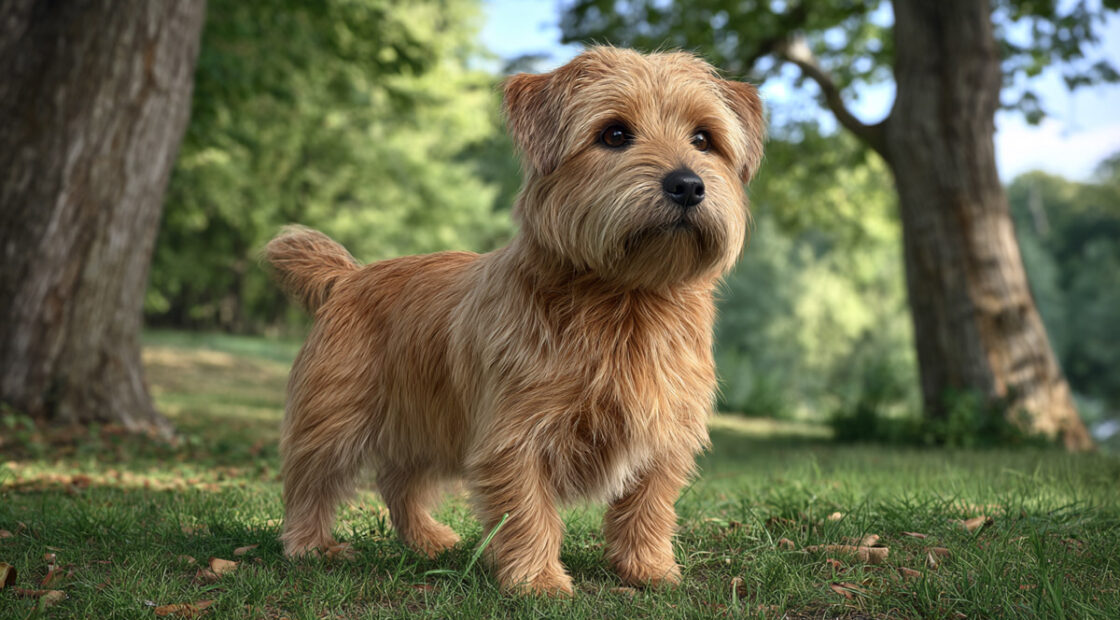
Norfolk Terriers pack remarkable character into their compact 11-pound frames. These fearless terrier personalities emerged from English farms where they earned their keep hunting rats and foxes alongside farmers.
Don’t mistake their small size for delicate nature. These hardy working dogs possess the confidence to face challenges ten times their size.
Choosing the right small terrier breed requires understanding their unique needs and spirited temperament. Loyal family companions like Norfolk Terriers demand specific care approaches that differ from typical lap dogs.
This guide covers everything from their working heritage to modern apartment friendly living requirements. You’ll learn proper hand stripping technique grooming, daily exercise needs, and effective terrier training challenges solutions.
Whether you’re considering a Norfolk Terrier puppy or adult rescue dog adoption, these insights help you provide the best possible care for your new companion.
Norfolk Terrier Statistics
| Characteristic | Details |
|---|---|
| Weight | 11-12 pounds |
| Height | 9-10 inches |
| Life Expectancy | 12-15 years |
| Group | Terrier Group |
| Origin | England (Norfolk County) |
| Coat Type | Double coat, wiry outer layer |
| Coat Colors | Red, wheaten, black & tan, grizzle |
| Shedding Level | Moderate (seasonal) |
| Energy Level | High |
| Exercise Needs | 30-45 minutes daily |
| Training Difficulty | Moderate to challenging |
| Good with Kids | Yes (with supervision) |
| Good with Pets | Moderate (high prey drive) |
| Apartment Living | Yes (with adequate exercise) |
| Grooming Needs | High (hand stripping required) |
| Barking Tendency | Moderate to high |
| Health Issues | Heart conditions, eye problems |
| Climate Tolerance | Good (weather-resistant coat) |
| AKC Recognition | 1979 |
| Typical Litter Size | 2-5 puppies |
| Price Range | $1,500-$3,000 |
Breed History and Origins
Early Development in England
Norfolk Terriers emerged from the working farms of Norfolk County in the 1800s. These sturdy dogs earned their keep by controlling rat populations and hunting small game around barns and stables.
Farm workers needed compact dogs that could work independently. The breed’s working heritage traces back to various English terrier breeds mixed with local farm dogs.
Working Roots and Purpose
Originally bred for ratting dogs duties, these terriers also helped with fox hunting expeditions. Their fearless personality made them perfect for going underground after quarry.
The hardy constitution came from generations of selective breeding. Only the toughest dogs survived the demanding farm origins lifestyle.
Split from Norwich Terriers
The most significant moment came in 1964 when the Kennel Club officially recognized Norfolk and Norwich Terrier as separate breeds. The key difference? Drop ear terriers versus pointed ears.

Frank Jones, a prominent horse dealer, played a crucial role in early breeding programs. Colonel Vaughan also contributed significantly to breed development during this period.
Journey to America
The American Kennel Club first registered these dogs in 1979. Early imports established the foundation for American breeding programs.
These small terrier breeds quickly gained popularity among dog enthusiasts. Their apartment-friendly size and loyal nature appealed to urban dog owners.
Physical Characteristics and Appearance
Size and Build Standards’
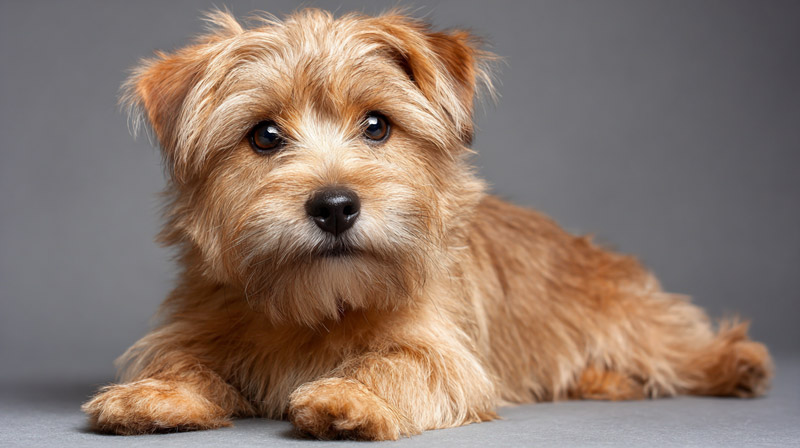
Norfolk Terriers typically weigh 11-12 pounds when fully grown. Height ranges from 9-10 inches at the shoulder, making them one of the smaller compact working dogs.
Their sturdy build gives them surprising strength for their size. The body appears slightly longer than tall, with well-balanced proportions.
Coat and Color Variations
The double coat maintenance requires regular attention throughout the year. The outer coat feels wiry and weather-resistant, while the undercoat provides insulation.
Accepted colors include:
- Red shades
- Wheaten tones
- Black and tan combinations
- Grizzle patterns
Seasonal coat changes occur naturally twice per year. The coat typically thickens before winter and sheds during spring months.
Distinctive Drop Ears
Unlike their Norwich Terrier cousins, Norfolk Terriers have drop ear terriers that fold forward. These small, neat ears frame the face perfectly.
The ears sit close to the cheeks. They’re thick and well-feathered, adding to the breed’s gentle expression.
Grooming Requirements
Hand stripping technique preserves the coat’s proper texture better than clipping. Most owners schedule professional dog grooming sessions twice yearly.
Regular brushing prevents matting between professional visits. Nail trimming should happen monthly, while ear cleaning needs weekly attention.
Expression and Movement
The dark, expressive eyes convey intelligence and alertness. The breed’s confident demeanor shows in their steady gaze and perked attention.
Norfolk Terriers move with purpose and energy. Their gait appears effortless despite their short legs, showing their athletic heritage.
Personality and Temperament
Core Character Traits
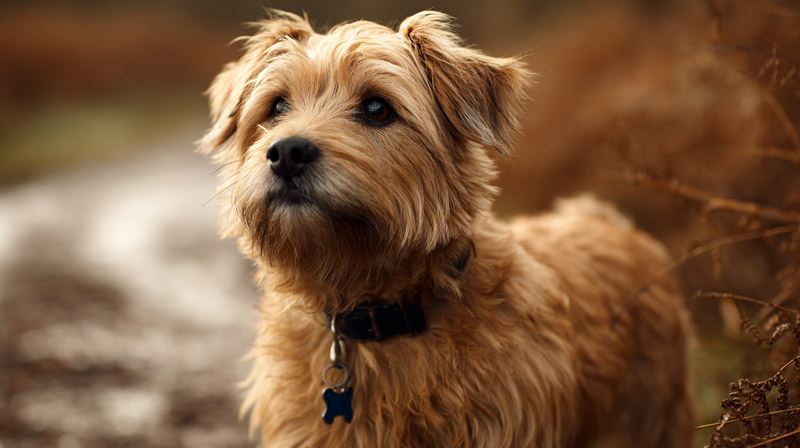
Fearless terrier personality defines this breed above all else. These dogs don’t back down from challenges, regardless of the opponent’s size.
Their alert watchdog breed instincts make them excellent home guardians. They’ll announce visitors long before the doorbell rings.
Intelligence and Training
Norfolk Terriers rank high in problem-solving abilities. However, their independent nature can make obedience training tips more challenging than with eager-to-please breeds.
Early socialization importance cannot be overstated with this breed. Proper exposure prevents overprotective behaviors later in life.
Family Relationships
These dogs form incredibly strong bonds with their families. Loyal family companion describes their devotion perfectly.
Norfolk Terriers generally do well with children who understand dog behavior. Their size makes them suitable for child safe dog breed classification when properly socialized.
Energy and Exercise Needs
Don’t let their small size fool you about energy levels. These hardy working dogs need daily exercise needs met through walks, play, and mental challenges.
Mental stimulation requirements are just as important as physical exercise. Puzzle toys and training sessions help prevent destructive behaviors.
Social Behavior with Other Pets
Multi pet household success depends heavily on early introductions and proper management. Their prey drive training requires consistent work with smaller animals.
Jack Russell Terrier and Cairn Terrier breeds share similar energy levels, making them potential companions.
Working Instincts
Prey drive management becomes crucial in homes with cats or small pets. These instincts run deep and require patient training to control.
The breed excels at digging behavior management challenges. Providing designated digging areas helps redirect this natural behavior.
Confidence and Independence
Confident small dog attitude sometimes leads to confrontations with larger dogs. Owners must supervise interactions carefully.
Their independent streak means they think for themselves. This trait helped them work alone on farms but requires patience during training sessions.
Adaptability
Norfolk Terriers adjust well to various living situations. Apartment friendly terrier classification fits when exercise needs are met consistently.
Travel friendly size makes them excellent companions for active owners. Their adaptable nature handles routine changes better than many breeds.
Care and Grooming Requirements
Coat Maintenance Fundamentals
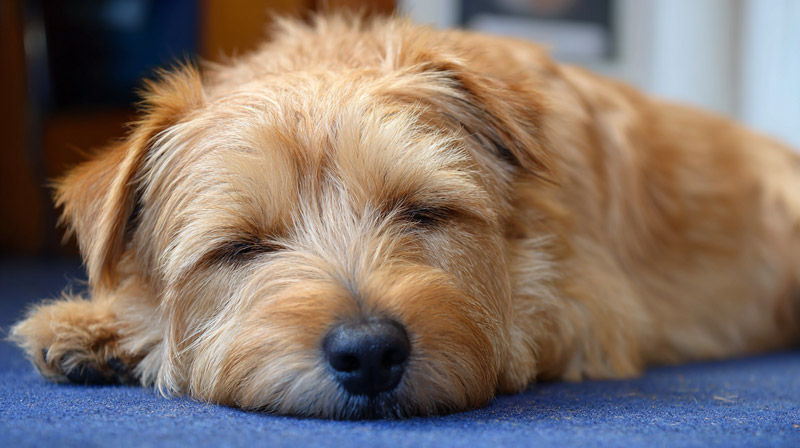
Hand stripping technique remains the gold standard for Norfolk Terrier coat care. This process removes dead hair while maintaining the proper wiry texture.
Professional groomers typically recommend stripping sessions every 3-4 months. Between appointments, regular brushing prevents matting and keeps the coat healthy.
Daily Brushing Routine
Use a slicker brush or pin brush for daily maintenance. Brush against the grain first, then smooth down for best results.
Pay special attention to areas prone to matting. The legs, chest, and behind the ears need extra care during grooming sessions.
Professional vs Home Grooming
Most owners combine professional dog grooming with home maintenance. This approach keeps costs reasonable while ensuring proper coat care.
Learning basic hand stripping techniques helps between professional visits. However, full stripping requires experience and proper tools.
Essential Grooming Tools
Quality grooming supplies make the job easier and more effective:
- Stripping knives (fine and medium)
- Pin brush for daily use
- Slicker brush for problem areas
- FURminator brush for undercoat removal
- Nail clippers and grinder
Nail and Paw Care
Nail trimming frequency should be every 2-3 weeks for most dogs. Active dogs may need less frequent trimming due to natural wear.
Check paws regularly for cuts, thorns, or other debris. Norfolk Terriers love digging, which can damage paw pads.
Ear Cleaning Protocol
Ear cleaning procedures prevent infections common in drop-eared breeds. Clean weekly using a veterinarian-approved solution.
Never use cotton swabs deep in the ear canal. Instead, use cotton balls to clean visible areas only.
Dental Care Essentials
Dental care routine becomes crucial for small breeds prone to dental issues. Brush teeth 2-3 times weekly minimum.
Dental chews and toys help reduce tartar buildup. Regular veterinary health checkups should include dental examinations.
Seasonal Grooming Adjustments
Seasonal coat changes require modified grooming approaches. Spring shedding season demands more frequent brushing.
Winter coats grow thicker and may need less aggressive stripping. Adjust grooming schedules based on your dog’s coat cycle.
Health Considerations and Common Issues
General Health Profile
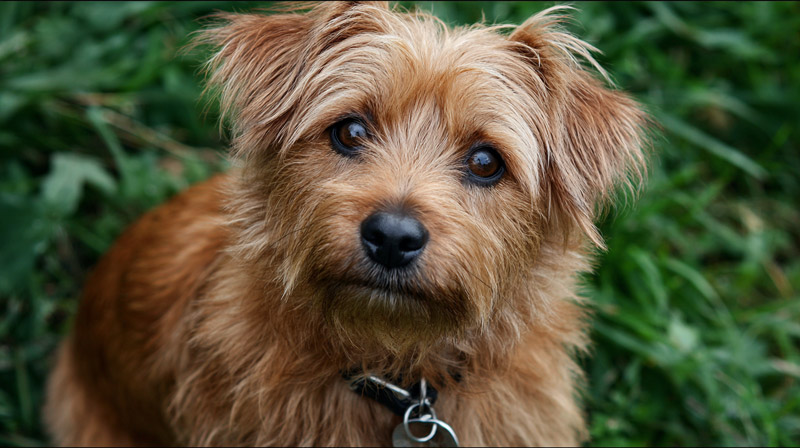
Norfolk Terriers enjoy relatively long lifespans, typically 12-15 years. Their hardy constitution helps them avoid many health problems affecting other breeds.
Size plays a role in their health advantages. Small breeds often live longer than large dogs when properly cared for.
Heart Conditions Monitoring
Heart conditions dogs can develop include mitral valve disease and heart murmurs. Regular veterinary screenings catch problems early.
Listen for unusual breathing patterns or exercise intolerance. These symptoms warrant immediate veterinary attention.
Eye Problems in the Breed
Eye problems terriers face include cataracts and progressive retinal atrophy. Annual eye exams help detect issues before they progress.
The Canine Eye Registration Foundation provides certification for breeding dogs. This testing helps reduce inherited eye problems.
Joint and Mobility Issues
Hip dysplasia occurs less frequently in Norfolk Terriers than larger breeds. However, PennHIP evaluation can assess joint health in breeding dogs.
Luxating patella (kneecap dislocation) affects some small terriers. Watch for limping or skipping movements during exercise.
Required Health Testing
Responsible breeders perform several health tests:
- Embark DNA testing for genetic conditions
- Orthopedic Foundation for Animals hip scoring
- Annual eye examinations
- Heart clearances from veterinary cardiologists
Preventive Care Schedule
Veterinary health checkups should occur annually for healthy adults. Senior dogs benefit from twice-yearly examinations.
Vaccination schedules follow ASPCA guidelines for core vaccines. Discuss optional vaccines based on lifestyle and regional disease risks.
Weight Management Strategies
Small breed nutrition requirements differ from large dogs. Norfolk Terriers need calorie-dense, high-quality food in smaller portions.
Monitor body condition regularly. Obesity puts extra stress on joints and can worsen heart conditions.
Common Health Red Flags
Watch for these warning signs:
- Persistent coughing or breathing difficulties
- Changes in appetite or water consumption
- Limping or reluctance to exercise
- Unusual behavioral changes
Training and Behavior Management
Early Training Foundations
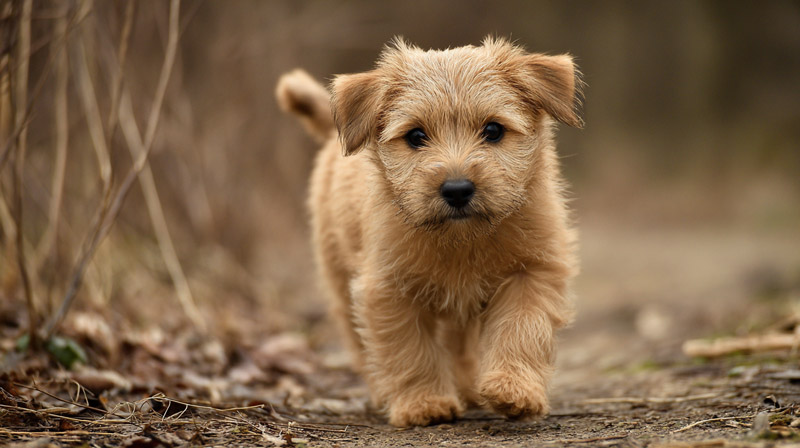
Puppy training basics start immediately upon bringing your Norfolk home. These intelligent dogs learn quickly but need consistent guidance.
House training methods work best with frequent outdoor opportunities. Small bladders mean more frequent potty breaks than larger dogs.
Socialization Importance
Early socialization importance cannot be overstated for this breed. Expose puppies to various people, animals, and situations before 16 weeks old.
Well-socialized Norfolk Terriers become confident, well-adjusted adults. Poor socialization can lead to fear-based aggression or excessive shyness.
Basic Obedience Commands
Start with essential commands like sit, stay, come, and down. Norfolk Terriers respond well to positive reinforcement training methods.
Keep training sessions short and engaging. These dogs can lose interest if sessions drag on too long.
Addressing Breed-Specific Behaviors
Digging behavior management requires patience and understanding. Provide designated digging areas to satisfy this natural instinct.
Barking control techniques help manage the breed’s natural alertness. Teach “quiet” commands early and reward calm behavior.
Managing Terrier Independence
Stubborn streak management requires consistent, patient training approaches. Never use harsh corrections with this sensitive breed.
Make training rewarding and fun. Norfolk Terriers work better for handlers they trust and respect.
Advanced Training Options
Agility training potential suits these athletic little dogs perfectly. Their size makes them excellent candidates for small dog agility competitions.
Earthdog trials tap into their natural hunting instincts. These events provide mental stimulation while celebrating breed heritage.
Prey Drive Training
Prey drive training becomes essential in multi-pet households. Start impulse control training early and practice regularly.
Never trust a Norfolk Terrier completely around small pets like rabbits or hamsters. Their hunting instincts can override training in exciting moments.
Common Training Challenges
Terrier training challenges often center around independence and selective hearing. Use high-value treats and keep sessions positive.
Consistency from all family members prevents confusion. Mixed messages slow training progress significantly.
Mental Stimulation Activities
Mental stimulation games prevent boredom-related behaviors. Puzzle toys, treat-dispensing balls, and training sessions keep minds active.
Rotate toys regularly to maintain interest. Norfolk Terriers get bored with the same activities quickly.
Professional Training Support
Consider professional help for serious behavioral issues. VCA Animal Hospitals and other veterinary practices often recommend qualified trainers.
Group classes provide socialization opportunities while teaching basic manners. Look for small dog classes when available.
Exercise and Activity Needs
Daily Exercise Requirements
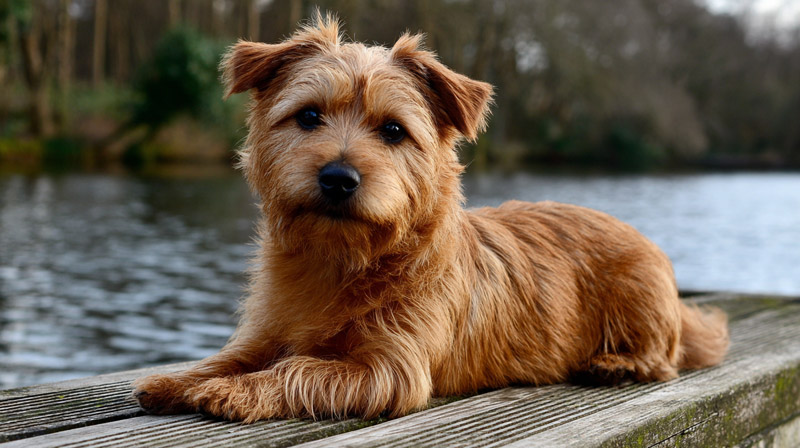
Norfolk Terriers need daily exercise needs met through 30-45 minutes of activity. Split this into multiple shorter sessions rather than one long workout.
Morning walks help burn off energy before you leave for work. Evening playtime provides mental stimulation after a day of rest.
Age-Appropriate Activity Levels
Puppies require shorter, more frequent exercise sessions. Adult dogs handle longer walks and more intense activities.
Senior dog considerations include gentler exercise and joint-friendly activities. Swimming provides excellent low-impact exercise when available.
Mental Stimulation Activities
Mental stimulation games prevent destructive behaviors caused by boredom. Hide treats around the house or use puzzle feeders during meals.
Rotate toys weekly to maintain interest. Norfolk Terriers get bored with the same activities quickly.
Weather Considerations
Weather sensitivity affects exercise planning throughout the year. Hot summer days require early morning or late evening walks.
Cold weather doesn’t typically bother this hardy breed. However, wet conditions can make their coats soggy and uncomfortable.
Indoor Activity Ideas
Indoor activities become important during bad weather or extreme temperatures:
- Tug-of-war games
- Hide and seek with treats
- Stair climbing (if joints are healthy)
- Interactive puzzle toys
- Training sessions
Exercise Safety Precautions
Watch for signs of overexertion in hot weather. Small dogs overheat faster than larger breeds.
Avoid high-impact activities that stress joints. Travel friendly size makes them perfect hiking companions on easier trails.
Suitable Dog Parks
Dog park considerations include finding facilities with separate small dog areas. Norfolk Terriers can be overwhelmed by much larger playmates.
Supervise interactions carefully. Their fearless nature sometimes gets them into trouble with bigger dogs.
Nutrition and Feeding Guidelines
Basic Nutritional Requirements
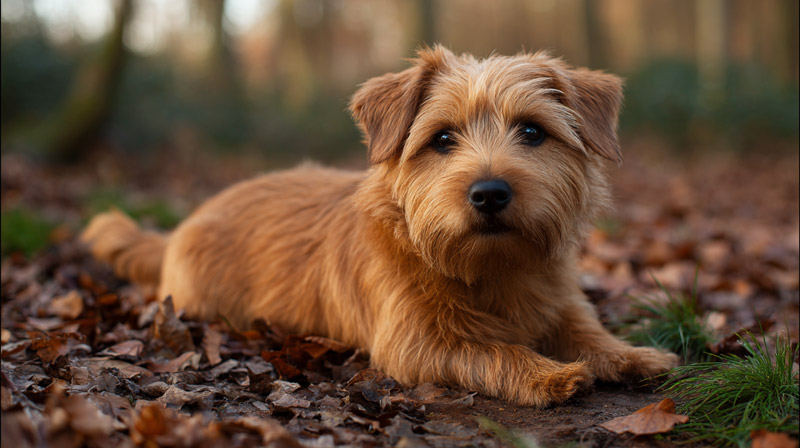
Small breed nutrition demands higher calorie density than large dog foods. Norfolk Terriers burn energy quickly due to their active metabolisms.
High-quality protein should comprise 25-30% of their diet. Look for foods specifically formulated for small breeds.
Premium Food Brands
Several brands cater specifically to small breed needs:
- Royal Canin Small Breed formulas
- Hill’s Science Diet Small Paws varieties
- Purina Pro Plan Small Breed options
Choose foods with appropriate kibble size for small mouths. Large kibble can be difficult for Norfolk Terriers to chew properly.
Feeding Schedule Guidelines
Adult dogs do best with two meals daily. Divide total daily calories between morning and evening feedings.
Puppies need three to four smaller meals until six months old. Free feeding isn’t recommended for this food-motivated breed.
Portion Control Methods
Weight management strategies prevent obesity-related health problems. Use measuring cups rather than estimating portions.
Most Norfolk Terriers need 1/2 to 3/4 cups of quality dry food daily. Adjust portions based on activity level and body condition.
Common Food Allergies
Food allergies can affect Norfolk Terriers, though less commonly than some breeds. Watch for skin irritation, digestive upset, or excessive scratching after meals.
Common allergens include chicken, beef, wheat, and corn. Elimination diets help identify problem ingredients.
Treats and Training Rewards
Keep treats under 10% of total daily calories. Use small, soft treats during training sessions for quick consumption.
Avoid giving table scraps regularly. Human food can upset their digestive systems and contribute to weight gain.
Water Requirements
Fresh water should be available constantly. Small dogs can dehydrate quickly, especially during hot weather or after exercise.
Monitor water intake changes. Increased drinking can signal health problems requiring veterinary attention.
Living with a Norfolk Terrier
Housing Adaptability

Apartment friendly terrier classification fits perfectly when exercise needs are met. These adaptable dogs adjust well to smaller living spaces.
Yards aren’t required, though they’re certainly appreciated. Balcony access can provide safe outdoor time for apartment dwellers.
Family Integration
Norfolk Terriers bond closely with all family members. They don’t typically choose one favorite person like some breeds do.
Child safe dog breed status depends on proper socialization and supervision. Teach children how to interact gently with small dogs.
Multi-Pet Households
Multi pet household success requires careful introductions and management. Norfolk Terriers can live peacefully with other dogs when properly socialized.
Cat relationships vary by individual dog. Some adapt well to feline housemates, while others never fully accept them.
Daily Routine Structure
Norfolk Terriers thrive on predictable schedules. Feed, walk, and play at consistent times when possible.
Work schedule compatibility works well for most owners. These dogs handle 6-8 hour work days better than separation-anxiety-prone breeds.
Travel Considerations
Travel considerations include their portable size and adaptable nature. Most Norfolk Terriers enjoy car rides and handle travel stress well.
Airline travel requires appropriate carriers and advance planning. Check specific airline policies for pet travel requirements.
Seasonal Living Adjustments
Seasonal adaptations help maintain comfort year-round. Provide warm bedding during cold months, even though their coats provide good insulation.
Summer cooling strategies include elevated beds, fans, and access to tile floors. Avoid exercising during peak heat hours.
Elderly Owner Compatibility
Elderly companions find Norfolk Terriers manageable due to their moderate size and exercise needs. However, their energy levels require consideration.
Daily walks provide benefits for both dog and owner. Consider hiring dog walkers during times when mobility becomes challenging.
Security and Safety
These alert dogs make excellent alert watchdog breed additions to any household. They’ll announce visitors without being overly aggressive.
Secure fencing prevents escape attempts driven by prey drive. Norfolk Terriers can squeeze through surprisingly small gaps.
Indoor Comfort Needs
Provide comfortable sleeping areas away from foot traffic. Many Norfolk Terriers prefer raised beds or crates for security.
Temperature control matters more for comfort than survival. These hardy dogs adapt to various climates but appreciate climate-controlled homes.
Finding and Choosing Your Norfolk Terrier
Reputable Breeder Selection
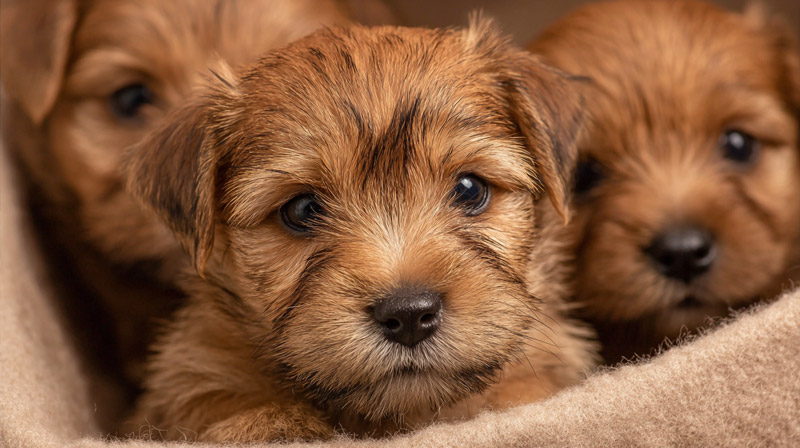
Reputable dog breeder research requires time and patience. Start by checking the Norfolk Terrier Club for member breeder directories.
Visit breeders in person when possible. Look for clean facilities and healthy, well-socialized dogs.
Health Testing Verification
Responsible breeders provide genetic health testing documentation for both parents. Request copies of all health clearances before making deposits.
Required tests include:
- Orthopedic Foundation for Animals hip evaluations
- Canine Eye Registration Foundation certifications
- Heart clearances from veterinary cardiologists
- Embark DNA testing for genetic conditions
Red Flags to Avoid
Always-available puppies signal puppy mill operations. Quality breeders often have waiting lists for their litters.
Breeders who won’t show you the mother or living conditions raise serious concerns. Legitimate operations welcome visits and questions.
Interviewing Potential Breeders
Ask about breeding program evaluation goals and health testing protocols. Quality breeders focus on improving the breed, not just producing puppies.
Discuss the breeder’s experience with the breed. Look for someone who shows dogs or participates in dog show standards competitions.
Contract and Health Guarantees
Read breeding contracts carefully before signing. Most reputable breeders offer health guarantees against genetic conditions.
Understand return policies if serious health problems develop. Good breeders want their puppies back rather than seeing them in shelters.
Puppy Selection Process
Temperament testing basics help match puppies to appropriate homes. Observe how puppies interact with people and other dogs.
Choose puppies that show confident, friendly behavior. Avoid extremely shy or overly aggressive individuals.
Early Health Indicators
Look for bright, clear eyes and clean ears during puppy visits. Health check priorities include checking for hernias, heart murmurs, and proper bite alignment.
Healthy puppies should be active and playful. Lethargy or poor appetite can indicate health problems.
Adult Dog Options
Rescue dog adoption provides wonderful opportunities for adult Norfolk Terriers. Many dogs need homes due to owner lifestyle changes, not behavioral problems.
Retired breeding dogs often make excellent pets. These mature dogs usually come house-trained and well-socialized.
Rescue Organization Research
Contact breed-specific rescue groups for available dogs. The Norfolk Terrier Club maintains lists of rescue contacts by region.
Rescue terriers often come with known histories and temperament evaluations. Foster families provide valuable insights about individual dogs.
Adult Dog Advantages
Mature dogs offer several benefits over puppies:
- Known personality traits
- Completed house training
- Established exercise routines
- Past the destructive puppy phase
Senior dog care requirements may include special diets or medications. Factor ongoing costs into adoption decisions.
Preparation for Arrival
Puppy-proofing checklist includes securing electrical cords, removing toxic plants, and blocking access to dangerous areas.
Small dogs can squeeze into tight spaces. Check for gaps under furniture or appliances where puppies might get stuck.
Essential Supply Shopping
Purchase these items before bringing your Norfolk home:
- Food and water bowls (stainless steel preferred)
- High-quality small breed nutrition kibble
- Collar and leash set
- Crate appropriately sized for adult dog
- Interactive toys and chew items
- Grooming supplies including brush and nail clippers
Initial Veterinary Care
Schedule veterinary appointment scheduling within 48 hours of bringing your new dog home. Bring any health records from the breeder or rescue organization.
Discuss vaccination schedules and preventive care plans. Banfield Pet Hospital and similar practices often offer puppy packages that include multiple services.
Setting Realistic Expectations
Norfolk Terriers live 12-15 years on average. Use a dog age calculator to understand their life stages and changing needs.
Budget for ongoing expenses including food, veterinary care, grooming, and boarding. Life expectancy dogs of this breed means a long-term commitment.
First Week Adjustment
Allow time for adjustment to new surroundings. Keep routines simple and consistent during the transition period.
House training methods should begin immediately, even with adult dogs. New environments often require relearning bathroom rules.
Building the Relationship
Norfolk Terriers develop strong bonds with patient, consistent owners. Avoid overwhelming them with too much attention initially.
Loyal family companion relationships develop over time through daily care, training, and shared activities. Trust builds gradually through positive experiences.
FAQ on Norfolk Terrier
Are Norfolk Terriers good family dogs?
Norfolk Terriers make excellent family companions with proper socialization. Their loyal family companion nature bonds them closely to all household members.
They’re generally good with children but require supervision due to their small size. Early socialization importance ensures they develop appropriate behaviors around kids.
How much exercise do Norfolk Terriers need?
Daily exercise needs include 30-45 minutes of activity split into multiple sessions. These hardy working dogs require both physical exercise and mental stimulation games.
Morning walks combined with evening play sessions work well. Indoor activities help during bad weather or extreme temperatures.
Do Norfolk Terriers shed a lot?
Double coat maintenance includes moderate shedding year-round with heavier seasonal coat changes twice annually. Hand stripping technique reduces loose hair better than regular brushing alone.
Professional grooming every 3-4 months helps manage shedding. Regular brushing prevents matting and controls loose hair between professional visits.
What’s the difference between Norfolk and Norwich Terriers?
Drop ear terriers define Norfolk Terriers, while Norwich Terriers have pointed, erect ears. Both breeds split officially in 1964 when the Kennel Club recognized them separately.
Otherwise, they share similar size, temperament, and care requirements. The ear difference remains the primary distinguishing feature between breeds.
Are Norfolk Terriers apartment-friendly?
Apartment friendly terrier classification fits perfectly when exercise needs are met consistently. Their compact working dogs size adapts well to smaller living spaces.
Travel friendly size makes them excellent urban companions. However, their alert watchdog breed tendencies mean they’ll bark at visitors and noises.
What health problems affect Norfolk Terriers?
Heart conditions dogs can develop include mitral valve disease. Eye problems terriers face involve cataracts and progressive retinal atrophy requiring annual screenings.
Life expectancy dogs averages 12-15 years with proper care. Genetic health testing helps identify potential inherited conditions before they develop symptoms.
How much do Norfolk Terriers cost?
Reputable dog breeder prices range $1,500-$3,000 depending on location and bloodlines. Rescue dog adoption costs typically run $300-$800 including initial veterinary care.
Monthly expenses include small breed nutrition, grooming, and veterinary care. Budget $100-$200 monthly for ongoing care costs throughout their lifespan.
Are Norfolk Terriers easy to train?
Terrier training challenges stem from their independent nature and stubborn streak management needs. Puppy training basics work best with positive reinforcement and consistency.
Early socialization importance prevents behavioral problems later. Professional help may be needed for barking control techniques and prey drive training.
Do Norfolk Terriers get along with other pets?
Multi pet household success depends on early introductions and proper management. Their prey drive management requires careful supervision around smaller animals like cats or rabbits.
They generally do well with other dogs when properly socialized. Cairn Terrier breeds share similar energy levels and make good companions.
What grooming do Norfolk Terriers need?
Hand stripping technique every 3-4 months maintains proper coat texture. Professional dog grooming combined with home maintenance works best for most owners.
Nail trimming monthly, ear cleaning weekly, and dental care routine 2-3 times weekly prevent common health issues. Daily brushing reduces matting between professional visits.
Conclusion
Norfolk Terrier ownership rewards dedicated families with decades of unwavering loyalty and spirited companionship. These confident small dogs thrive in homes that understand their working instincts and provide consistent training approaches.
Puppy socialization and proper professional grooming establish the foundation for lifelong happiness. Their sturdy build and weatherproof coat make them adaptable companions for various lifestyles.
Weight management and regular veterinary checkups help ensure they reach their full life expectancy potential. Senior dog considerations become important as these beloved family members age gracefully.
The commitment extends beyond basic care to understanding their chase instincts and territorial tendencies. Indoor comfort needs and seasonal adaptations require ongoing attention throughout their lives.
Finding the right breeding program or rescue organization marks just the beginning of this rewarding journey. These remarkable English terrier breeds continue proving why they’ve captured hearts for generations of dog lovers worldwide.