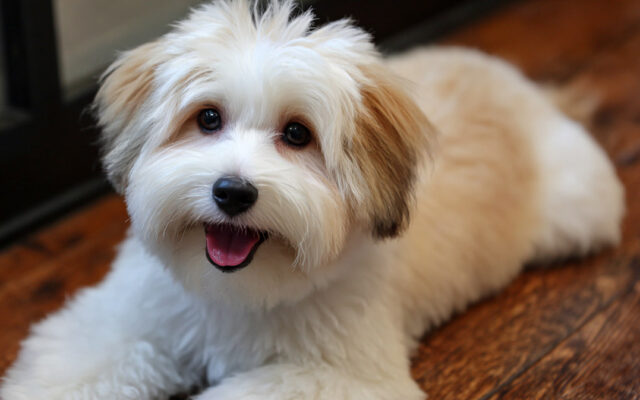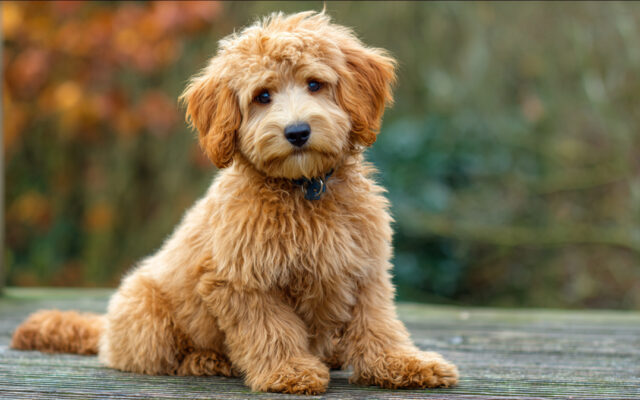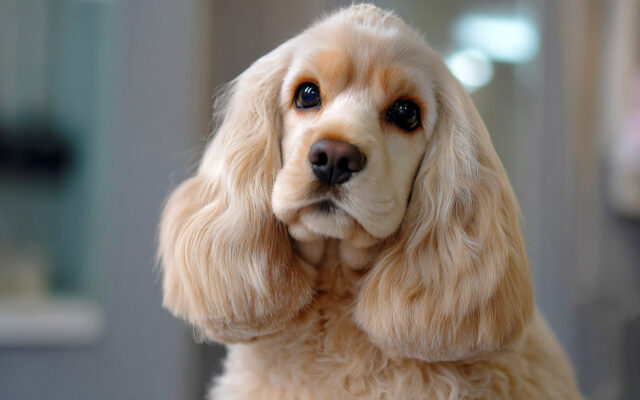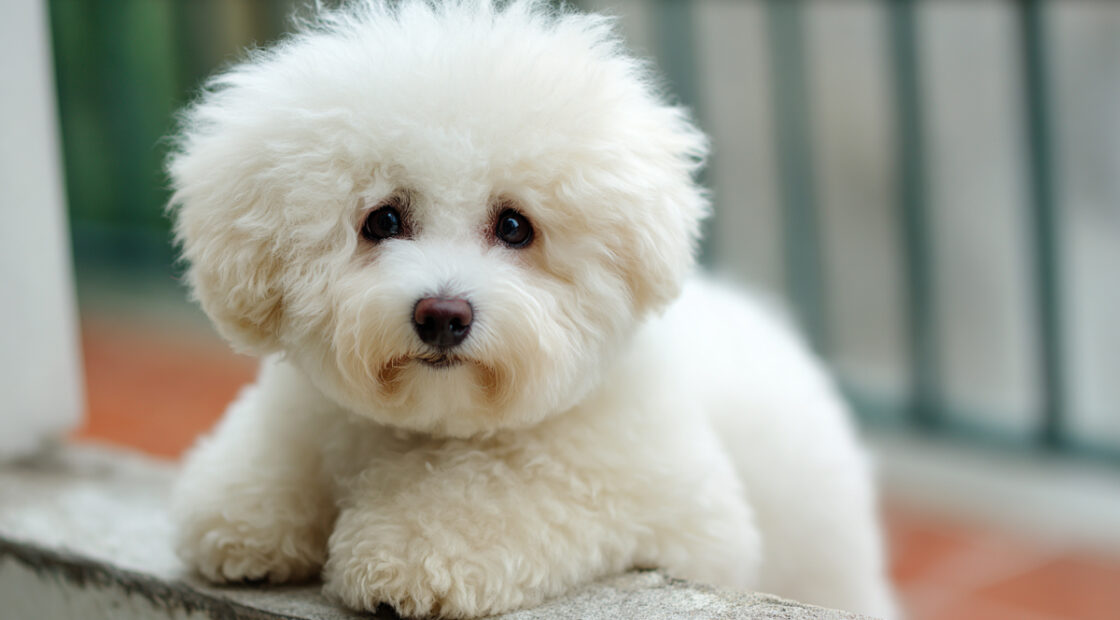
Two Bichons can walk out of the same salon looking like different breeds. The cut is why.
The most popular Bichon Frise haircut styles are the puppy cut, teddy bear cut, panda cut, and show cut, each set by a different body length and head shape.
The breed’s white double coat traps shed hair in the curl, so every style is really a matting decision.
This guide covers seven trims with blade numbers, regrooming intervals, and honest drawbacks, plus grooming frequency, real 2026 prices, and the exact wording to hand your groomer.
What Determines the Best Haircut for a Bichon Frise?

Coat type determines the best Bichon Frise haircut. The breed has a soft, dense undercoat under a coarse, curly outer coat. Loose hair stays trapped in the curls instead of shedding, so every style is judged by one thing: how fast it mats.
The Bichon Frise is a non-shedding breed, and that is exactly the problem. Dead hair has nowhere to go.
Per the AKC standard, the coat is white with 10 percent or less buff, cream, or apricot shading, trimmed to appear rounded, with hair left longer on the head, beard, mustache, ears, and tail.
| Factor | What It Changes | Practical Effect |
|---|---|---|
| Coat texture | Curl tightness and spring | Tighter curls mat more quickly |
| Climate | Body coat length | Shorter body coat is more comfortable in hot weather |
| Brushing time | Maximum practical style | Less than 10 minutes of brushing per day makes a show cut impractical |
| Age | Skin sensitivity and coat density | Senior dogs are often more comfortable with shorter trims |
Designer Paws Salon notes the puppy coat transitions to the adult coat between 8 and 12 months, and that transition is when matting problems usually start.
One more variable most guides skip: the dry. The signature round silhouette is built with a high-velocity dryer during blow-dry straightening, not with the scissors.

The 7 Most Popular Bichon Frise Haircut Styles
- Puppy Cut (Lamb Cut): short body, fuller legs, rounded head. The default pet trim.
- Teddy Bear Cut: 1 to 2 inches all over with a soft, rounded face.
- Panda Cut: mid-length body that follows the body line, longer head and chest.
- Show Cut: several inches, hand-scissored, the classic powder puff trim.
- Utility Cut (Kennel Cut): one even short clip, head included.
- Lion Cut: long mane, short body, short legs with a tail pom.
- Modified Show Trim: show silhouette with the legs taken down.
Bestie Paws reports the teddy bear cut is the most-requested style in salons nationally, across all breeds.
The Puppy Cut (Lamb Cut)

The puppy cut is a Bichon Frise trim that clips the body to roughly 1 inch and rounds the head into a soft circle. It suits curly double coats and owners who want medium maintenance, and it works best year round for pet dogs.
At a glance
- Body length: 1 inch (#7F blade at 1/8 inch for a shorter version, #5 at 1/4 inch, or a 1 inch guard comb)
- Face & head: rounded, blended into the neck
- Ears: trimmed level with the jawline or blended into the head
- Legs & feet: left slightly fuller than the body, feet scissored round
- Tail: left long and plumed
- Maintenance: Medium, 5 to 10 minutes brushing per day
- Regroom every: 4 to 6 weeks
- Best for: first-time owners, dogs that mat behind the ears and legs
Who it suits: Owners who want the round Bichon look without daily line brushing. Riverview Grooming pairs a #7 blade on the body with a 1.25 inch comb on the legs for a balanced finish.
Watch out for: The name means different things in different salons, so bring a photo or a blade number instead of just saying “puppy cut.”
The Teddy Bear Cut

The teddy bear cut keeps the body coat at 1 to 2 inches and leaves the head, ears, and muzzle long enough to scissor into a full circle. It suits dense coats and owners who want medium maintenance, and it works best for owners with busy schedules.
At a glance
- Body length: 1 to 2 inches (guard comb over a #10 blade)
- Face & head: full round teddy bear expression, topknot left long enough for a bow
- Ears: left long and feathered to lengthen the face
- Legs & feet: cylindrical, matched to body length
- Tail: full plume
- Maintenance: Medium, 10 minutes brushing per day
- Regroom every: 5 to 6 weeks
- Best for: photogenic pet dogs, cooler months, owners who like a fuller silhouette
Who it suits: Anyone who wants volume without show-ring upkeep. It is also the most forgiving trim on a coat that is slightly uneven.
Watch out for: The long face hair sits in the eye area, and white coats show tear stains fast. Daily face wiping is part of the deal.
The Panda Cut
The panda cut leaves the body at 1 to 1.5 inches following the body line, with longer coat on the head, tail, chest, and behind the legs. It suits full adult coats and owners who accept medium to high maintenance, and it works best in spring and autumn.
Groomers treat it as the middle ground between the puppy cut and the show cut.
At a glance
- Body length: 1 to 1.5 inches, scissored to follow the body outline
- Face & head: round, slightly fuller than the puppy cut
- Ears: long, blended into the head circle
- Legs & feet: longer at the rear, hair kept between the front legs
- Tail: long plume carried over the back
- Maintenance: High, brushing every 1 to 2 days
- Regroom every: 4 to 5 weeks
- Best for: owners who want show-cut looks with slightly less work
Who it suits: Dogs with good adult coat density. Thin coats collapse in this trim and lose the outline.
Watch out for: The longer areas behind the legs and under the chest mat first. A metal comb has to reach skin there, not just glide over the surface.
The Show Cut

The show cut keeps the coat at 2 to 4 inches, hand-scissored so the outer coat stands away from the body in a rounded powder puff shape. It suits full-textured adult coats and owners who accept high maintenance, and it works best for conformation exhibitors.
The Bichon Frise Club of America recommends a full-service groom with bath and haircut every 4 weeks for this look. Designer Paws Salon puts show-style round heads closer to every 3 to 4 weeks, because the head symmetry needs constant touch-ups.
At a glance
- Body length: 2 to 4 inches, scissors only, no clipper lines
- Face & head: perfect circle, beard and mustache left full
- Ears: long, blended so they disappear into the head shape
- Legs & feet: columnar, feet rounded and tight
- Tail: full plume, untrimmed
- Maintenance: High, 20 to 30 minutes line brushing per day
- Regroom every: 3 to 4 weeks
- Best for: show dogs, owners with a groomer on speed dial
Who it suits: Exhibitors and owners who genuinely enjoy coat work. Nothing else in the breed looks like it.
Watch out for: Skipping the fluff dry ruins it. Kennel drying leaves the coat flat and frizzy, and no amount of scissoring fixes that.
The Utility Cut (Kennel Cut)

Lowest-maintenance trim in the breed. The utility cut clips the whole dog to one even short length, head and ears included, at roughly 1/8 to 1/4 inch.
At a glance
- Body length: #7F blade (1/8 inch) or #5 blade (1/4 inch)
- Face & head: close-cropped, no distinct topknot
- Ears: clipped short, trimmed carefully around the canal
- Legs & feet: same length as the body
- Tail: short, small pom optional
- Maintenance: Low, 2 to 3 minutes brushing per day
- Regroom every: 6 to 8 weeks
- Best for: hot climates, senior dogs, heavily matted coats, active outdoor dogs
Who it suits: Owners who travel, work long hours, or have a dog that hates being handled. It is also the standard rescue trim after a mat removal.
Watch out for: A short body coat removes insulation, so this cut fits warm months, not January. The dog also stops looking like a Bichon, which surprises people more than they expect.
The Lion Cut
The lion cut clips the body and hindquarters to 1/8 to 1/4 inch while leaving the head, neck, and chest long as a mane. It suits thick coats and owners who want low body maintenance, and it works best for summer.
At a glance
- Body length: #7F or #5 blade from behind the shoulders back
- Face & head: full mane, scissored round, blended into the chest
- Ears: left long inside the mane
- Legs & feet: clipped short, small cuffs optional at the ankles
- Tail: shaved shaft with a pom at the tip
- Maintenance: Medium, brushing concentrated on the mane
- Regroom every: 6 weeks
- Best for: warm climates, owners who want a statement trim
Who it suits: Dogs with enough neck and chest coat to build a convincing mane. Thin-coated Bichons end up looking patchy.
Watch out for: The mane still mats at the friction points behind the ears and under the collar, so “low maintenance” only applies below the shoulders.
The Modified Show Trim

The modified show trim keeps the show silhouette but takes the legs down to about 1/2 inch and shortens the body to 1.5 to 2 inches. It suits adult coats and owners who want medium maintenance, and it works for year-round pet grooming.
Dogster describes it as the practical version of the show cut: same round head, same fluffy body line, easier daily coat care.
At a glance
- Body length: 1.5 to 2 inches
- Face & head: classic round Bichon head, unchanged from the show trim
- Ears: long, blended
- Legs & feet: about 1/2 inch, still columnar
- Tail: full plume
- Maintenance: Medium, 10 to 15 minutes per day
- Regroom every: 4 to 5 weeks
- Best for: retired show dogs, owners who want the breed profile without the leg work
Who it suits: Owners who love the head shape and hate the leg furnishings. The legs are where most of the daily brushing time goes.
Watch out for: Shorter legs under a full body can read stumpy if the groomer does not blend the shoulder and hip transitions.
How to Choose the Right Bichon Frise Haircut

Match the cut to the coat. Tight curl and a heavy undercoat push you toward shorter body lengths.
Factor in your climate. Bestie Paws data shows short summer trims dominate salon bookings in warm markets.
Estimate your real brushing time, not your aspirational brushing time. Under 10 minutes a day rules out the show cut and the panda cut.
Consider age and activity. Senior dogs with thinner coats and sensitive skin do better in shorter trims.
| Grooming Style | Maintenance | Best Season |
|---|---|---|
| Utility cut | Low | Summer |
| Puppy cut | Medium | Year-round |
| Teddy bear cut | Medium | Fall and winter |
| Panda cut | High | Spring and fall |
| Show cut | High | Year-round |
Tools that decide whether the cut survives
A soft slicker brush and a metal comb are the minimum. The Bichon Frise Club of America is blunt about it: the comb has to glide to the skin effortlessly, or the coat is not brushed out.
A high-velocity dryer matters more than the clipper. Most owners buy the clipper first, which is backwards.
Styles worth comparing across breeds
The same trim names travel across curly and long-coated breeds, and the execution differs. Owners cross-shopping usually look at poodle grooming styles, the trims used on a Maltese, and Havanese coat styles before they commit.
Long-coated breeds go a different route entirely, which is clear from the way Shih Tzu coats get trimmed.
How Often Should a Bichon Frise Be Groomed?
A Bichon Frise needs a professional groom every 4 to 6 weeks. The Bichon Frise Club of America sets the interval at 4 weeks for a full-service bath and haircut. Orvis and AKC guidance stretches the range to 4 to 8 weeks for shorter pet trims.
Stretching past 6 weeks almost always means dealing with matting at the next appointment, according to Designer Paws Salon.
Brushing schedule:
- Daily is the standard for panda, teddy bear, and show trims
- 3 to 4 times per week is the floor for any length
- Every 1 to 2 days, line brushed root to tip, for full-coat styles
Bathing runs every 3 to 4 weeks, usually with a whitening shampoo and a conditioner rinse to keep the white coat bright.
What shifts the interval: show head shaping (3 to 4 weeks), utility cuts (6 to 8 weeks), puppies going through the coat change (shorter), and seniors with thinning coats (longer).
Bichon Frise Haircut Grooming Cost & What to Tell Your Groomer
A full Bichon Frise groom costs $60 to $100 per visit in 2026, per OurPetGroomer, which puts annual spend at $720 to $1,200 on a 4 to 6 week schedule.
Bestie Paws puts small-dog full grooms at $40 to $75 nationally, with metro areas adding 20 to 40 percent and rural areas running 15 to 25 percent below. Bark’s 2026 figures show small breeds averaging $62, with high-maintenance coats pushing past $100.
Grooming prices have risen roughly 40 to 50 percent since 2019, driven by a labor gap: Bestie Paws counts only 150,000 to 180,000 professional groomers in the US against a $11.5 billion industry.
| Grooming Service | Typical Add-on |
|---|---|
| Mobile grooming | +$15 to $25 |
| Dematting | Charged in 15-minute increments |
| Difficult dog handling | +$10 to $30 |
| Hand-scissored show finish | +$20 to $40 |
What to say at the counter
Name the cut, then give the number. “Teddy bear cut, one inch guard comb on the body, leave the head round and the ears long” gets you a better result than “just a trim.”
Three details worth specifying every time: the blade or comb length on the body, whether you want the ears left at the jawline or blended, and how short the sanitary trim and paw pads go.
Ask about certification if the cut is complex. The National Dog Groomers Association of America credential means the groomer has tested on breed-standard technique, and there is no federal oversight of the industry otherwise.
Bring a few healthy treats for the first few appointments. A dog that stands still gets a cleaner scissor line, and it costs you nothing.
FAQ on Bichon Frise Haircut Styles
What is the most popular Bichon Frise haircut?
The puppy cut is the most requested pet trim, with the teddy bear cut close behind. Both keep the rounded head the breed is known for while clipping the body to a manageable one inch.
What is the difference between a puppy cut and a lamb cut?
Nothing, in most salons. Lamb cut, puppy cut, and pet cut describe the same short body with fuller legs. Some groomers leave slightly more length on the legs when you ask for the lamb version.
How short can you cut a Bichon Frise?
A #10 blade takes the coat to 1/16 inch, which is the practical floor. Most groomers stop at a #7F (1/8 inch) or #5 (1/4 inch) so the skin keeps some protection.
Should you shave a Bichon Frise?
Shave down only when the coat is severely matted. A close clip removes the undercoat’s insulation and exposes pale skin to sun, so it fits summer and mat emergencies, not routine grooming.
What clipper blade is used on a Bichon Frise?
Body work usually runs a #7F, #5, or #4 blade, or a guard comb over a #10 for longer teddy bear lengths. The #10 handles sanitary trim, paw pads, and around the ears.
How long does a Bichon Frise groom take?
Two to three hours for a pet trim. Show cuts run longer because the entire body is hand-scissored after a high-velocity blow-dry, with no clipper shortcuts allowed.
Can you cut a Bichon Frise at home?
The utility cut is realistic for beginners because it is one even length. Round heads and blended ears take practice with curved scissors and thinning shears, so start with the body only.
When can a Bichon puppy get its first haircut?
Around 12 to 16 weeks, after the vaccination series. Early appointments are mostly handling practice: a bath, a face and sanitary trim, and time on the table.
Is a Bichon haircut the same as a Poodle haircut?
The names overlap, the coats do not. A Poodle has a single curly coat, while the Bichon carries a soft undercoat under a coarse outer coat that mats faster.
How do you keep the face white between grooms?
Wipe the eye area daily and keep the hair around the eyes trimmed short. Tear stains set into white coat quickly, and a whitening shampoo at bath time only fixes so much.
Conclusion
Choosing between Bichon Frise haircut styles comes down to one honest question: how many minutes a day will you actually spend with a slicker brush and a metal comb?
Answer that first, then pick the trim.
Ten minutes gets you a puppy cut or a teddy bear cut. Twenty-plus keeps a panda or show trim in shape.
Two minutes means a utility cut, and there is nothing wrong with that.
Book the regrooming interval before you leave the salon. Waiting until the coat looks rough usually turns a routine appointment into a dematting session with a surcharge.
Handle the sanitary trim, tear stains, and paw pads at home between visits.
The cut is the easy part. The upkeep decides how it looks in week five.