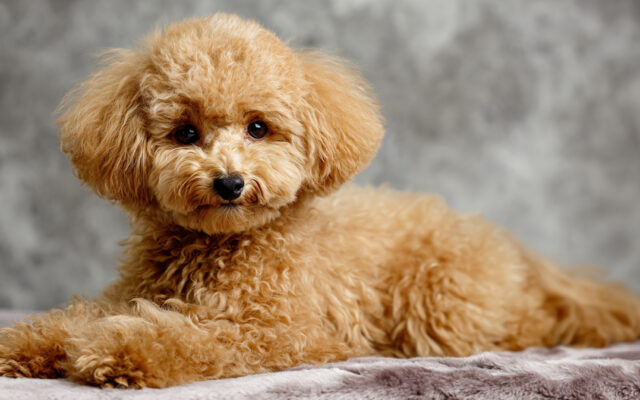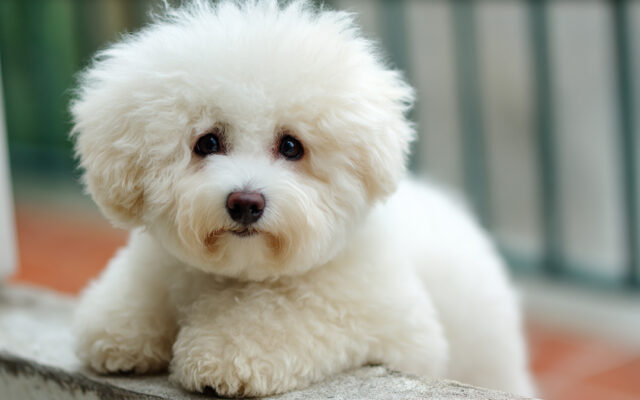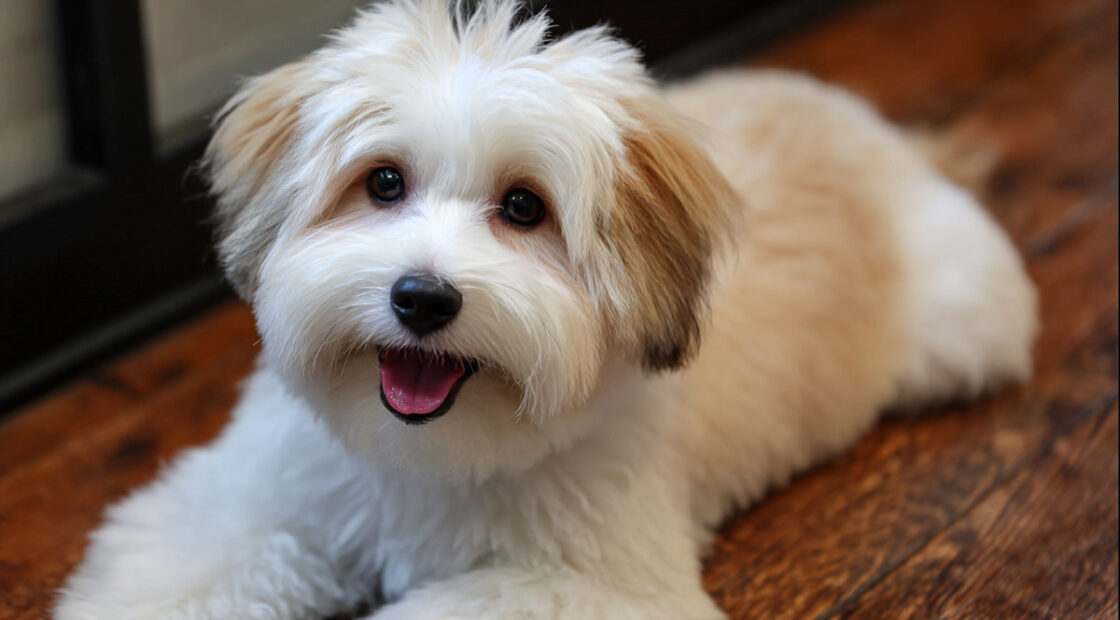
Every Havanese owner hits the same wall around month ten, when the coat starts matting faster than anyone can brush it.
The most popular Havanese haircut styles are the puppy cut, the teddy bear cut, and the kennel cut, each set apart by body length and face shape.
Lengths run from 1/8 inch on a kennel cut to a full 6 to 8 inch show coat.
Coat texture, season, and daily brushing time decide which one fits your dog.
This guide covers seven trims with exact blade numbers, regrooming intervals, honest drawbacks, current salon prices, and the wording to hand your groomer.
What Determines the Best Haircut for a Havanese?

Coat type determines the cut. The Havanese carries a long, silky double coat with a soft outer coat and a soft undercoat, and that undercoat traps shed hair instead of dropping it.
Trapped hair is what forms mats. The mats sit at the skin, not on the surface, which is why a coat can look fine and comb like concrete.
The Havanese Club of America notes that full-coated adults need brushing two to three times a week and a bath every one to two weeks. Skip that and the cut choice gets made for you.
Coat texture changes the math
Silky coats behave. Cottony and curly coats do not.

| Coat Texture | Matting Risk | Practical Length |
|---|---|---|
| Silky with light waves | Low | Full coat or 2-inch trim |
| Wavy with a dense undercoat | Medium | 1 to 2 inches |
| Cottony | High | 1/2 to 1 inch |
| Curly or corded | High | Natural cords or a 1/2-inch trim |
The breed standard from the AKC calls for a coat that is soft and light in both layers, long, abundant, and wavy. A flat, frizzy, or curly coat is faulted in the ring, and plenty of pet-quality dogs have exactly that.
The other four factors
- Climate: a short body clip removes insulation in both directions, so it fits summer, not January.
- Age: coat blowing starts around 8 to 10 months and can run 3 to 6 months.
- Activity: dogs that hike or swim collect burrs in leg furnishings.
- Your brushing minutes: honest number, not aspirational number.
The coat blowing stage is the single biggest reason owners abandon a long coat. Adult texture is not settled until roughly three years old, and many owners never see the finished version because they clipped it off at fourteen months.
The Most Popular Havanese Haircut Styles
Seven trims cover almost every grooming appointment for this breed.
- Puppy Cut: one uniform length, 1 to 2 inches, everywhere.
- Teddy Bear Cut: same body length, face scissored into a circle.
- Kennel Cut: 1/2 inch or shorter on the body, ears and tail left long.
- Modified Pet Trim: long coat, tidied at the eyes, belly, feet, and sanitary area.
- Asian Fusion Cut: blunt ear hair, rounded muzzle, tall column legs.
- Corded Coat: the coat separated into tassel-like cords.
- Full Show Coat: untouched length, feet and sanitary trimmed only.
Groomer to Groomer, the trade magazine for the industry, describes the breed as a bread-and-butter salon client who almost always leaves with something shorter than the show trim.
The Puppy Cut

The Puppy Cut is a Havanese trim that keeps the body coat at 1 to 2 inches and carries that same length onto the head, legs, and tail. It suits wavy and cottony coats and owners who want medium maintenance, and it works year round in most climates.
At a glance
- Body length: 1 to 2 inches (1 inch guard comb)
- Face and head: blended into the body length, no separate shape
- Ears: trimmed to jawline or left slightly longer
- Legs and feet: same length, feet scissored round
- Tail: shortened, plume softened
- Maintenance: Medium, 5 minutes brushing per day
- Regroom every: 6 to 8 weeks
- Best for: first-time owners, families with kids, dogs mid coat change
Who it suits: Owners who want the coat off the floor without losing the fluffy silhouette. It is also the standard rescue trim for a dog arriving with unknown coat history.
Watch out for: “Puppy cut” is loosely defined and every groomer interprets it differently, so name a number in inches or the dog comes back a different length than you pictured.
The Teddy Bear Cut

The Teddy Bear Cut is a Havanese trim that keeps the body at 1 to 2 inches and scissors the head into a full circle, with the muzzle left long and rounded. It suits wavy coats and owners who want medium to high maintenance, and it photographs better than any other pet trim.
At a glance
- Body length: 1/2 to 2 inches, comb attachment then hand scissored
- Face and head: rounded, muzzle left full, eyes cleared with blunt-tip shears
- Ears: blended into the head circle
- Legs and feet: cylindrical, round feet
- Tail: plume left full
- Maintenance: Medium to high, 5 to 10 minutes brushing per day
- Regroom every: 4 to 6 weeks
- Best for: owners who want the round face, indoor dogs, mild climates
Who it suits: This is the trim most owners actually mean when they say puppy cut. The difference is the head: one is blended, one is sculpted.
Watch out for: The rounded face falls apart fast. Beard hair grows unevenly and the circle turns into a triangle by week five, which is why the regroom interval is shorter than the body length suggests.
The Kennel Cut

The Kennel Cut is a Havanese trim that clips the body to 1/2 inch or less while leaving length on the ears, face, and tail. It suits dense and cottony coats and owners who want low maintenance, and it works best in warm months and for outdoor dogs.
At a glance
- Body length: 1/8 to 1/2 inch (#7F, #5F, or #4F blade)
- Face and head: left longer than the body, minimal shaping
- Ears: left long, tipped straight across
- Legs and feet: clipped short, feet tidied
- Tail: plume left long
- Maintenance: Low, 2 minutes brushing per day
- Regroom every: 8 to 10 weeks
- Best for: summer, senior dogs, allergy households, heavy shedders of debris
Who it suits: Anyone who has fought a matting problem and lost. It is also the cut groomers default to when a dog arrives pelted, because dematting a tight coat is painful and slow.
Watch out for: Short body clips remove the coat’s insulation, so this trim fits warm months, not cold ones. Light-skinned dogs also need shade or a shirt for the first two weeks.
The Modified Pet Trim
The Modified Pet Trim keeps the Havanese coat long, at 3 inches or more, and trims only the eyes, belly, feet, and sanitary area. It suits silky coats and owners who want high maintenance, and it works for owners who like the natural look without the show routine.
At a glance
- Body length: 3 inches to full length, tidied at the hem
- Face and head: long, topknot optional
- Ears: untouched
- Legs and feet: long, feet and pads shaved clean
- Tail: full plume
- Maintenance: High, 15 to 20 minutes line brushing per day
- Regroom every: 6 weeks, bath every 1 to 2 weeks
- Best for: silky-coated adults, owners with a real grooming routine
Who it suits: Owners who want the flowing coat but want the belly and the eye area kept clean. The sanitary trim alone solves most hygiene complaints.
Watch out for: This is the trim that fails during coat blowing. Between 8 and 20 months the new undercoat weaves into the old puppy coat and daily line combing becomes non-negotiable.
The Asian Fusion Cut

The Asian Fusion Cut is a Havanese trim with a short, tight body, blunt-cut ear hair, a rounded mustache, and deliberately long column legs. It suits wavy coats and owners who want high maintenance, and it works for owners who want a styled look rather than a practical one.
At a glance
- Body length: 1/2 to 1 inch, tight through the neck and topline
- Face and head: rounded mustache, eyes exposed, cheeks blocked
- Ears: blunt cut straight across, pigtail effect
- Legs and feet: left long and full, straight columns
- Tail: full
- Maintenance: High, 10 minutes brushing per day on legs
- Regroom every: 4 to 5 weeks
- Best for: indoor dogs, owners who enjoy styling, show-off trims
Who it suits: Owners who want a distinctive silhouette and are willing to pay for extra scissor time.
Watch out for: The long leg columns mat at the armpits and the hock, which is exactly where owners forget to comb. Not every groomer scissors this trim well, so ask to see photos of their own work first.
The Corded Coat

The Corded Coat is not a clip. The coat is separated by hand into tassel-like cords that hang from the skin, and the AKC recognizes it as a legitimate presentation for the breed.
At a glance
- Body length: full, cords grow to 6 inches and beyond
- Face and head: corded, eye area cleared
- Ears: corded
- Legs and feet: corded, pads shaved
- Tail: corded plume
- Maintenance: High during setup, low brushing after
- Regroom every: no clipping, cords separated monthly, drying takes hours
- Best for: curly or dense coats, dedicated owners, show homes
Who it suits: Curly coats cord more readily than silky ones. The look is closer to a Puli than to anything you see at a pet salon, and the same principle appears in the corded and clipped styles used on poodles.
Watch out for: Drying is the real cost. A corded coat holds water for hours, and a cord that dries slowly at the skin turns into a skin problem. Most owners who try cording quit in year one.
The Full Show Coat

The Full Show Coat leaves the Havanese coat untrimmed at 6 to 8 inches, with clipping permitted only on the feet, between the pads, and in the anal and genital area. It suits silky coats and owners who want maximum maintenance, and it exists for the conformation ring.
At a glance
- Body length: full, 6 to 8 inches on an adult
- Face and head: head furnishings long and untrimmed, two braids permitted
- Ears: untouched
- Legs and feet: untouched, feet and pad hair neatly trimmed
- Tail: full arched plume
- Maintenance: Very high, daily line brushing plus weekly bath
- Regroom every: feet and sanitary every 4 weeks
- Best for: show dogs, silky-coated adults past coat change
Who it suits: Show homes and owners who genuinely enjoy the routine. Head furnishings may fall over the eyes or be held in two small braids with plain elastics, and no other accessories are allowed in the ring.
Watch out for: Sculpting the coat is severely penalized under the standard. Also, a short smooth coat is a disqualification, so a shaved dog cannot return to the ring for months.
How to Choose the Right Havanese Haircut
Work through these in order.
- Match the cut to coat texture. Cottony coat plus long trim equals mats.
- Factor in your season. Kennel cut in June, teddy bear in December.
- Estimate brushing minutes honestly, then halve the number.
- Consider age. A dog between 8 and 20 months is in coat change.
- Check the dog’s routine. Beach dogs and hiking dogs collect debris in leg furnishings.
| Grooming Style | Maintenance | Best Season |
|---|---|---|
| Kennel cut | Low | Summer |
| Puppy cut | Medium | Year-round |
| Teddy bear cut | Medium to high | Fall and winter |
| Modified pet trim | High | Cooler months |
| Corded coat | High | Dry climates |
Owners crossing over from similar toy breeds usually find the decision familiar. The same length-versus-maintenance tradeoff drives the trim options for Shih Tzus and the styles used on Maltese.
One thing owners get wrong
Shaving to solve shedding does not work here. The breed is low shedding already, and the hair that comes loose stays in the coat rather than on your couch.
Brushing removes it. Clipping just shortens what you have to brush.
How Often Should a Havanese Be Groomed?
Professional grooming every 4 to 8 weeks, brushing daily or every other day. The interval tightens with shorter face work and loosens with plain body clips.
Long-coated toy breeds sit in the 4 to 6 week salon window, and most Havanese guidance lands at 6 to 8 weeks for a standard pet trim.
What moves the interval
- Scissored face: shortens it to 4 or 5 weeks
- Blade-clipped body: stretches it to 8 or 10 weeks
- Coat change (8 to 20 months): shortens everything
- Cottony texture: shortens everything again
Bathing sits on its own schedule. The Havanese Club of America puts full-coated adults at every one to two weeks and short-trimmed dogs at every two to three weeks.
Brushing technique matters more than frequency
Never brush a dry coat. It snaps.
Mist each section with a grooming spray, then line brush from the skin outward and follow with a greyhound comb to confirm you actually reached the skin. A pin brush over the top of a mat just hides it.
Puppies should be brushed and combed roughly three times a week so the handling becomes routine, and first salon visits should happen while the dog is still small.
Havanese Haircut Grooming Cost and What to Tell Your Groomer
A full groom on a Havanese runs $40 to $100 in most US markets. Small breeds with complex coats land at the top of that band, and mobile grooming adds 20 to 40 percent.
Grooming prices have climbed roughly 40 to 50 percent since 2019, driven by a groomer shortage against a US grooming market that passed $11.5 billion in 2025.
| Grooming Service | Typical US Price |
|---|---|
| Full groom (small dog) | $40 to $100 |
| Bath and tidy only | $25 to $45 |
| Light dematting fee | $15 to $25 |
| Severe matting or shave-down | $50 to $100+ |
| Mobile grooming premium | 20% to 40% above the standard rate |
What to say at the counter
Name the clip and the number. Vague requests are how people end up unhappy.
- “One inch guard comb on the body, rounded teddy bear head, ears at the jawline.”
- “#5F blade on the body, leave the ears and tail long, feet scissored round.”
- “Modified trim: leave the length, clean the eyes, belly, pads, and sanitary.”
- “Do not shave the head furnishings, I am growing out a topknot.”
Bring a photo. Groomers use the same style names differently, and a picture settles the argument before the clippers turn on.
Two details worth booking separately
Ear hair and pad hair. Both hold moisture, and both cause more vet visits than the haircut ever will.
Ask for pads shaved clean and ear canals checked at every appointment. It adds a few minutes and prevents the slipping and the infections that come with skipping it.
Related grooming reading
The breed sits in the bichon family, and the coat logic carries across. Owners comparing options often look at the clip choices used on Bichon Frise, or at general guidance for breeds with wavy coats.
One naming note that trips people up: the Havana Silk Dog is a separate breed bred back toward the original Cuban standard, not a coat variation of the Havanese.
FAQ on Havanese Haircut Styles
What is the most popular Havanese haircut?
The puppy cut is the most requested trim at pet salons. It keeps the body coat at 1 to 2 inches everywhere, blends the head into that same length, and needs regrooming every 6 to 8 weeks.
What is the difference between a puppy cut and a teddy bear cut?
Body length is identical. The difference sits in the face: a puppy cut blends the head into the body, while a teddy bear cut scissors the head into a full circle with the muzzle left long.
Can you shave a Havanese?
Yes, and groomers do it when a coat is pelted. A shaved Havanese loses its insulation, so plan for shade in summer and a coat in winter. Texture sometimes grows back softer or cottonier afterward.
How short can you cut a Havanese?
A #7F blade leaves roughly 1/8 inch, which is the practical floor for a pet trim. Most kennel cuts sit at 1/4 to 1/2 inch using a #5F or #4F blade, with ears and tail left long.
How often should a Havanese be groomed?
Professional grooming every 4 to 8 weeks, plus brushing daily or every other day. Scissored faces need the shorter interval. Plain blade-clipped bodies stretch to 8 or 10 weeks without looking untidy.
At what age can a Havanese get its first haircut?
Book the first salon visit around 12 to 16 weeks, once vaccinations are complete. Early appointments are about handling, not length. A trim of the feet, eyes, and sanitary area is usually enough.
Which Havanese haircut is best for summer?
The kennel cut at 1/2 inch or shorter. It reduces heat load, cuts debris pickup on walks, and drops daily brushing to about two minutes. Ears and tail stay long so the silhouette still reads as Havanese.
Why does my Havanese still mat after a haircut?
Mats form at the skin, not on the surface. A pin brush glides over the top and misses them entirely. Line brush with a greyhound comb through every section, especially armpits, behind the ears, and the collar line.
Does a haircut stop the coat blowing stage?
No. Coat blowing starts around 8 to 10 months and can run 3 to 6 months regardless of length. A shorter trim makes the tangling manageable, which is why many owners clip down during that stretch.
Can I cut my Havanese at home?
Kennel cuts and body trims are doable with clippers, guard combs, and blunt-tip shears. Rounded teddy bear faces are harder, since the shape depends on hand scissoring. Bathe and fully dry first, or the clipper drags.
Conclusion
Choosing between Havanese haircut styles comes down to three numbers: body length, regrooming interval, and how many minutes you spend with a greyhound comb.
The undercoat is what causes trouble. It traps shed hair against the skin, and no clip removes that job entirely.
Short trims like the kennel cut buy you time. Longer options such as the modified pet trim, the Asian fusion cut, and full cording ask for daily line brushing in return.
Keep the sanitary trim, pads, and ear canals current no matter which style you pick, since those cause more problems than length ever will.
Book with a groomer who knows the breed, bring a photo, name your guard comb size, and adjust with the seasons.