Most Cavalier owners find out the hard way, usually after a mat forms behind an ear overnight.
The most popular Cavalier King Charles Spaniel haircut styles are the natural cut with clean feet, the puppy cut, the summer cut, the modified cocker cut, the kennel cut, and the show trim.
Each differs by body length and how much ear feathering stays.
Coat type decides the rest. This breed carries a silky, moderate-length coat that tangles fast around the ears, chest, and leg skirts.
Below you get blade numbers, exact lengths, grooming intervals, honest drawbacks, and current US pricing for every style.
What Determines the Best Haircut for a Cavalier King Charles Spaniel?

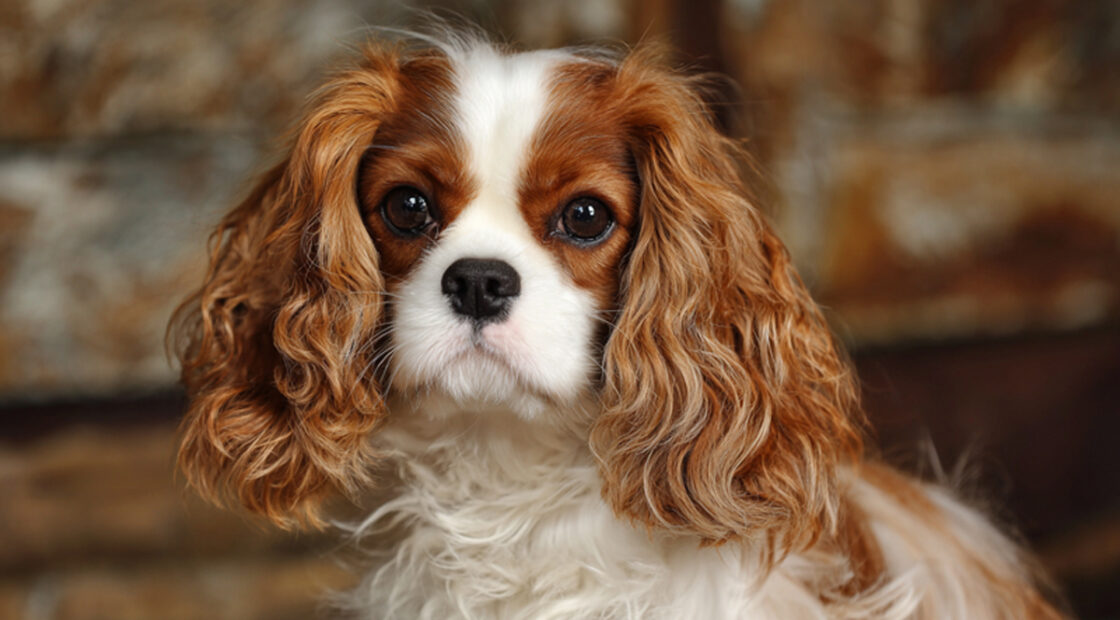
Coat type, matting tendency, climate, and brushing time determine the best haircut for a Cavalier. The AKC standard describes the coat as moderate in length, silky, and free from curl, with a slight wave permitted and long feathering on ears, chest, legs, and tail.
That feathering is where every problem starts.
Coat texture: silky, fine, medium length. Not a dense working double coat, and not a curly one either.
Matting hot spots: behind the ears, in the armpits, and along the leg skirts. Mats here form close to the skin within days once brushing slips.
Shedding: moderate year-round, heavier during coat blowing in spring and autumn.
The Cavalier King Charles Spaniel sits at No. 13 on the AKC’s most-popular breed list, and in AKC’s 2025 city rankings it broke into New York City’s top five. Plenty of pet owners, very few show homes.
Worth clearing up: the Cavalier and the smaller, flat-faced English Toy Spaniel are separate breeds with different head shapes and different coat needs.
What the breed standard actually says about trimming
No trimming permitted. The AKC standard states that coats altered by trimming, clipping, or artificial means are penalized severely enough to eliminate the dog from competition.
One exception exists: hair growing between the pads on the underside of the feet may be trimmed.
None of that applies to a pet dog on the sofa. Show rules govern the ring, not your living room.
The 6 Most Popular Cavalier King Charles Spaniel Haircut Styles
Six cuts cover almost everything groomers actually get asked for on this breed.
- Natural Cut with Clean Feet – full coat, pad hair cleared, feet rounded.
- Puppy Cut – body shortened to 1 to 2 inches all over, ears left long.
- Summer Cut – body and legs clipped to roughly 1/2 inch, ears and tail kept.
- Modified Cocker Cut – back clipped short, chest and leg skirt kept and thinned.
- Kennel Cut – shortest option, low upkeep, breed silhouette gone.
- Show Trim – nothing cut except pad hair, feathering grown out.
| Grooming Style | Body Length | Regroom Schedule |
|---|---|---|
| Natural with clean feet | Full coat | Every 8 to 12 weeks |
| Puppy cut | 1 to 2 inches | Every 6 to 8 weeks |
| Summer cut | 1/2 inch (#3¾ blade) | Every 6 to 8 weeks |
| Modified Cocker cut | 3/8 to 1/2 inch on the back | Every 6 to 8 weeks |
| Kennel cut | 1/4 inch or shorter | Every 10 to 12 weeks |
The Natural Cut with Clean Feet

The natural cut with clean feet leaves the entire body coat untouched and tidies only the feet. It suits silky coats and owners who brush daily, and it works year-round in any climate.
At a glance
- Body length: untouched, full moderate-length coat
- Face and head: no clipping, natural round expression
- Ears: full ear feathering left long
- Legs and feet: pad hair cleared with a #40 blade, tops of feet scissored round
- Tail: full plume
- Maintenance: High. About 10 minutes of brushing per day
- Regroom every: 8-12 weeks
- Best for: cold climates, show-bred dogs, owners who like the classic look
Who it suits: Owners who want the breed silhouette intact and have the time to keep it. The only real work is the feet and the ear feathering.
Watch out for: Clearing pad hair without also thinning the tops of the feet leaves the dog sliding on hardwood floors, so ask for both.
The Puppy Cut

The puppy cut takes the body coat down to 1 to 2 inches all over while leaving the ears longer than the rest. It fits silky coats and owners who want medium maintenance, and it works well from late spring through early autumn.
At a glance
- Body length: 1-2 inches, uniform
- Face and head: softly rounded, shortened but not shaved
- Ears: left longer than the body, tipped straight across
- Legs and feet: blended into the body length, feet scissored round
- Tail: shortened plume, still fringed
- Maintenance: Medium. 3 to 4 brushing sessions per week
- Regroom every: 6-8 weeks
- Best for: first-time owners, warm months, dogs that mat behind the ears
Who it suits: Anyone tired of working mats out of leg skirts. It keeps a soft, rounded outline without turning the dog into a different breed.
Watch out for: Grown out past 8 weeks, the half-length coat tangles worse than either a full coat or a short clip. The awkward stage is real.
The Summer Cut

The summer cut clips the body, legs, and head to roughly 1/2 inch using a #3 3/4 blade, with the ears and tail left long and neatened. It fits active dogs, hot climates, and owners who want low daily upkeep.
Groomers typically switch to a #10 blade for the face and snout and a #40 between the pads.
At a glance
- Body length: 1/2 inch (#3 3/4 blade), sometimes 3/8 inch (#4)
- Face and head: #10 blade, tidy and natural rather than sculpted
- Ears: left long, tipped in a straight line
- Legs and feet: same short length as the body
- Tail: left long and trimmed neatly
- Maintenance: Low. Two quick brush-outs per week
- Regroom every: 6-8 weeks
- Best for: summer heat, hiking dogs, muddy yards
Who it suits: Dogs that swim, hike, or spend real time outdoors. Debris stops collecting in the leg feathering, which is half the battle.
Watch out for: A short body clip strips the coat’s sun and weather protection, so this cut belongs to warm months, not January. Coat texture can also come back slightly coarser after repeated clipping.
The Modified Cocker Cut

The modified cocker cut clips the back short and keeps the lower feathering along the belly, chest, and legs, thinned and shaped rather than removed. It suits shaggy, never-trimmed coats and owners who want medium maintenance, and it holds its shape well in spring and autumn.
At a glance
- Body length: 3/8 to 1/2 inch over the back and sides
- Face and head: cleaned up and shortened, cheeks blended
- Ears: left long, thinned at the base to reduce weight
- Legs and feet: skirt kept, thinned with thinning shears, feet rounded
- Tail: feathered, tidied along the edge
- Maintenance: Medium to high. Brush the skirt every other day
- Regroom every: 6-8 weeks
- Best for: owners who want feathering without the full coat
Who it suits: Dogs coming in shaggy for a first proper groom. The clipped back reads tidy immediately while the skirt keeps the spaniel outline.
Watch out for: The kept skirt still mats. You have traded body brushing for leg brushing, not eliminated it. Owners who like this shape often also browse Cocker Spaniel grooming styles for reference photos, since the silhouette comes straight from that breed.
The Kennel Cut
The kennel cut takes the coat down close and even, usually 1/4 inch or shorter, including the legs and often the ears. It fits heavily matted coats and owners with almost no grooming time, and it lasts longer between salon visits than any other style here.
| Attribute | Detail |
|---|---|
| Body and legs | 1/4 inch or shorter, kept uniform |
| Ears | Shortened, sometimes clipped to the jawline |
| Maintenance | Low; one brush-out per week |
| Regroom schedule | Every 10 to 12 weeks |
Who it suits: Senior dogs that struggle to stand for long grooms, dogs with skin issues, and coats too matted to save. Dematting a tight coat hurts, and cutting it out is kinder.
Watch out for: The kennel cut removes the ear feathering that gives the breed its face. It grows back over 4 to 6 months, but the dog will not look like a Cavalier in the meantime. Nothing here resembles the sculpted shapes you see in Poodle haircut styles, and that is the point.
The Show Trim

The show trim removes nothing except hair growing between the pads. It suits conformation dogs and owners chasing the standard, and it demands the highest daily upkeep of any style on this list.
At a glance
- Body length: full natural coat, no clipping
- Face and head: completely untouched
- Ears: long feathering, brushed daily, never tipped
- Legs and feet: feathering on the feet kept, pad hair removed
- Tail: full natural plume
- Maintenance: High. Daily 10-minute brush-out, misted first
- Regroom every: bath and blow-dry every 4-6 weeks
- Best for: AKC and Kennel Club conformation, breeders, cool climates
Who it suits: Show homes only, or pet owners who genuinely enjoy grooming. AKC-recommended technique is a light water mist first, then the ears and skirts, then the rest of the fringe.
Watch out for: Skip four days of brushing and you get mats behind the ears that no amount of conditioner will save.
How to Choose the Right Cavalier King Charles Spaniel Haircut

Four questions settle it faster than scrolling through photos.
- Match the cut to how much your dog mats, not to how it looks online.
- Factor in your season. Short clips in July, longer coat in December.
- Estimate honest brushing time. Three to four sessions a week is the working minimum for any feathered style.
- Consider age and activity. Senior dogs and swimmers do better short.
| Grooming Style | Maintenance | Best Season |
|---|---|---|
| Natural with clean feet | High | Year-round |
| Puppy cut | Medium | Spring through autumn |
| Summer cut | Low | Summer |
| Modified Cocker cut | Medium to high | Spring and fall |
| Kennel cut | Low | Any season, with added coat length for cold weather |
The honest test
Run a greyhound comb behind both ears and through the armpits.
Comb snags weekly, take the coat shorter. Comb passes clean, keep the feathering.
How Often Should a Cavalier King Charles Spaniel Be Groomed?
Professional grooming every 6 to 8 weeks suits most pet Cavaliers, with natural-coat dogs stretching to 8 to 12 weeks and kennel cuts to 10 to 12.
Brushing sits at 3 to 4 times per week as the floor, daily during shedding season. AKC’s grooming guidance puts it at a 10-minute daily brush-out for coats kept long.
Bathing: every 4 to 6 weeks, shampooed twice, with a leave-in conditioner and a pin brush used through the blow dry.
Ears: weekly. The long ear leather traps moisture and limits airflow, which makes this breed unusually prone to yeast and bacterial infections. A quick pass with quality ear wipes between baths catches problems early.
Nails: roughly monthly. Clicking on hard floors means you are already late.
What shifts the interval
- Coat blowing in spring and autumn pulls it shorter
- Swimming and muddy walks pull it shorter
- A kennel cut pushes it longer
- Consistent home brushing pushes it longer and cuts your bill
Cavalier Haircut Grooming Cost and What to Tell Your Groomer
A full groom for a Cavalier runs $50 to $85 in most US markets, with small-breed national ranges reported at $25 to $100 by Bark and $40 to $75 by Bestie Paws for a standard full groom.
Thumbtack’s 2025 data puts the wider national average at $79 to $136 per session once add-ons stack up.
Prices have climbed. The US grooming industry passed $11.5 billion in 2025 against only 150,000 to 180,000 working groomers, and rates are up roughly 40 to 50 percent since 2019.
| Grooming Service | Typical US Price |
|---|---|
| Full groom (small breed) | $50 to $85 |
| Bath and tidy only | $29 to $50 |
| Mobile grooming surcharge | +$15 to $25 |
| Dematting fee | +$10 to $30 |
Urban salons in Los Angeles, Miami, and New York typically run 20 to 40 percent above smaller-city pricing.
What to say at the salon
Groomers work from blade numbers and lengths, not adjectives. “Short” means nothing.
Say this: “Summer cut. #3 3/4 on the body and legs, #10 on the face, ears left long and tipped straight across, feet rounded, pads cleared with a #40.”
Or this: “Puppy cut at one inch, ears and tail left long, sanitary trim, feet tidied.”
Bring a photo. Two photos beat a paragraph of description every time.
One thing worth asking about
Ask whether the mat behind the ear is coming out or coming off. A groomer who says “we can brush it out” on a tight mat is often about to spend 20 painful minutes on something a clipper solves in ten seconds.
FAQ on Cavalier King Charles Spaniel Haircut Styles
Do Cavalier King Charles Spaniels need haircuts?
No. The breed does not require a haircut to stay healthy. Trimming is a convenience choice that reduces matting behind the ears and keeps leg feathering out of mud, snow, and water bowls.
What is the most popular Cavalier haircut?
The puppy cut leads by a wide margin. Body coat comes down to 1 to 2 inches, ears stay long, and the face keeps its natural round shape. Medium maintenance, no dramatic change to the silhouette.
Should you shave a Cavalier King Charles Spaniel?
Only for severe matting, skin conditions, or a senior dog that cannot stand through a long groom. Shaving strips the coat’s weather protection and the regrowth often comes back with a slightly coarser texture.
What blade do groomers use on a Cavalier?
A #3 3/4 blade over the back and legs leaves about half an inch. Groomers switch to a #10 for the face and snout, and a #40 clears hair between the paw pads.
How often should a Cavalier be groomed professionally?
Every 6 to 8 weeks for clipped styles. Natural coats stretch to 8 to 12 weeks, kennel cuts to 10 to 12. Brushing at home stays at 3 to 4 sessions weekly regardless.
Can you cut a Cavalier’s ear feathering?
Yes, on pet dogs. Most groomers tip the ear fringe in a straight line at the jawline. Thinning the base reduces weight and improves airflow, which matters for a breed prone to ear infections.
What is the difference between a puppy cut and a summer cut?
Length. A puppy cut leaves 1 to 2 inches of body coat with softly rounded edges. A summer cut takes everything to roughly half an inch, including the head and legs, for hot weather.
Why does my Cavalier mat behind the ears?
Friction plus fine hair. That spot rubs constantly against the collar and the ear leather, and the silky texture there tangles within days. A greyhound comb, not a slicker brush, catches early knots.
How much does a Cavalier haircut cost?
Roughly $50 to $85 for a full groom in most US markets. Mobile grooming adds $15 to $25, dematting adds $10 to $30, and urban salons run 20 to 40 percent higher.
Is a haircut allowed in the show ring?
No. AKC and Kennel Club standards penalize any clipping or trimming severely enough to eliminate the dog from competition. Hair growing between the pads on the underside of the feet is the sole exception.
Conclusion
Every one of these Cavalier King Charles Spaniel haircut styles trades something. Shorter body coat buys you time back, and it costs you feathering, insulation, and the classic toy spaniel outline.
Pick based on your comb, not on a photo. If it snags weekly behind the ears or in the armpits, go shorter.
Blenheim, tricolour, ruby, black and tan: the color changes nothing about the cut. Coat texture and matting tendency do.
Book professional grooming every 6 to 8 weeks, keep the slicker brush and greyhound comb in rotation 3 to 4 times a week, and check those ears every Sunday.
Bring blade numbers to the salon. Vague requests get vague haircuts.