Picture a dog that combines the intelligence of a Border Collie with the loyal temperament of a perfect family companion. The Shetland Sheepdog delivers exactly that package in a medium-sized frame.
These remarkable herding dogs from Scotland’s remote islands have captured hearts worldwide. Their stunning double coats and alert expressions hint at the sharp minds within.
But looks only tell part of the story. Shelties rank among the smartest breeds while maintaining gentle, family-friendly personalities that work well with children and other pets.
This complete guide covers everything potential owners need to know. You’ll discover their unique personality traits, health considerations, training requirements, and what makes them such wonderful companion animals.
From puppy selection through senior care, we’ll explore the commitment involved in sharing your life with one of these incredible dogs.
Shetland Sheepdog Breed Statistics
| Characteristic | Details |
|---|---|
| Size | Small to Medium |
| Weight | 15-25 pounds |
| Height | 13-16 inches |
| Life Span | 12-14 years |
| Energy Level | Moderate to High |
| Exercise Needs | 45-90 minutes daily |
| Grooming Requirements | High (daily brushing) |
| Shedding | Heavy (year-round, worse seasonally) |
| Training Difficulty | Easy (highly intelligent) |
| Good with Kids | Yes (with supervision) |
| Good with Pets | Yes (with proper socialization) |
| Barking Level | High |
| Apartment Living | Yes (with adequate exercise) |
| Climate Tolerance | Moderate heat, good cold tolerance |
| Health Issues | Eye problems, hip dysplasia, heart conditions |
| Origins | Shetland Islands, Scotland |
| Breed Group | Herding |
| Temperament | Intelligent, loyal, alert, gentle |
| First-Time Owner | Good (with commitment to training) |
| Protective Instinct | Moderate (excellent watchdog) |
Meet the Shetland Sheepdog
Breed Overview and Origin

The Shetland Sheepdog traces its roots to the rugged Scottish Shetland Islands. These remarkable dogs developed from selective breeding between Collie ancestry and Spitz-type breeds.
Originally bred as farm dogs, Shelties worked alongside crofters managing sheep and poultry. Their herding instinct remains powerful today.
The American Kennel Club first recognized the breed in 1911. The American Shetland Sheepdog Association continues promoting responsible breeding standards.
Physical Characteristics
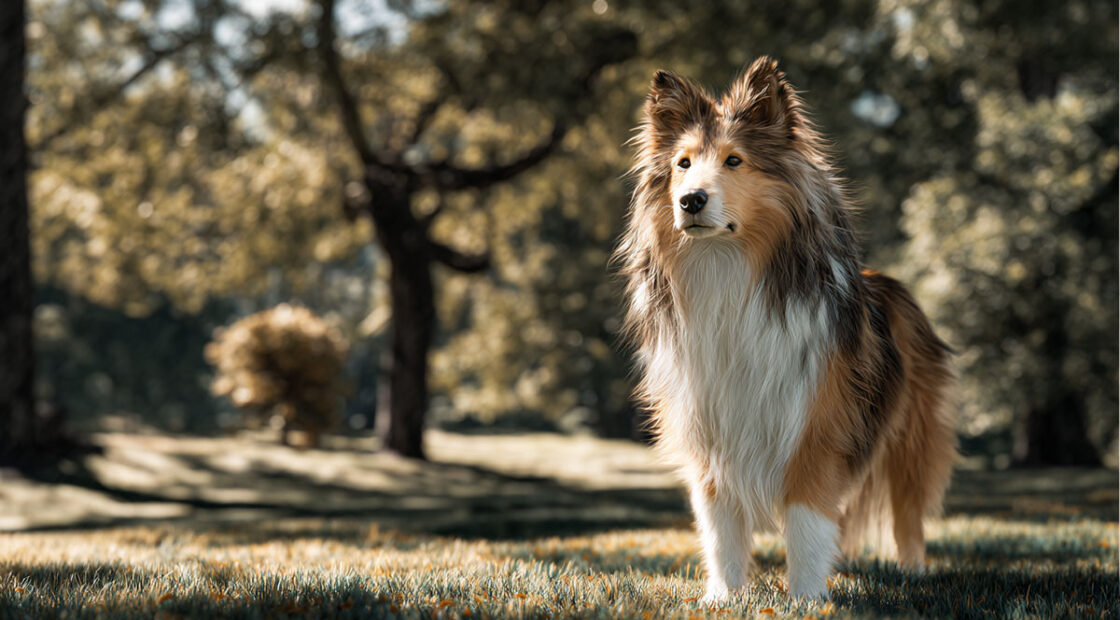
Adult Shelties typically weigh 15-25 pounds and stand 13-16 inches tall. Their double coat consists of a soft undercoat and longer outer guard hairs.

Common colors include sable, tricolor, blue merle, and bi-black. White markings often appear on the chest, collar, and legs.
Their alert expression and erect ears give them an intelligent, eager appearance. The eyes are almond-shaped and dark, except in blue merles where one or both eyes may be blue.
Temperament Snapshot
Intelligence ranking places Shelties among the top five smartest breeds. They learn commands quickly and retain information well.
These loyal family companions form strong bonds with their people. Their protective instincts make them excellent watchdogs without being aggressive.
Energy levels fall into the moderate to high category. Daily exercise and mental stimulation keep them content and well-behaved.
Most Shelties are naturally reserved with strangers but warm up once properly introduced. Early socialization helps develop confident, well-rounded personalities.
Understanding Sheltie Personality
Mental Characteristics

Problem-solving abilities shine through in everyday situations. Shelties often figure out how to open doors, find hidden treats, or escape from yards.
Their independent thinking can sometimes conflict with following commands. This intelligence requires consistent, positive training methods.
Memory retention is exceptional. Once they learn routines or rules, they rarely forget them.
Learning speed varies by individual, but most Shelties master basic commands within weeks. Advanced training and tricks come naturally to this bright breed.
Social Behavior Patterns
Pack mentality influences how Shelties interact with family members. They often choose one person as their primary attachment.
With children, most Shelties are gentle and protective. However, their herding background may lead to ankle nipping during play.
Multi-pet households usually work well when introductions are handled properly. Shelties typically get along with cats and other dogs.
Stranger awareness ranges from mildly cautious to quite reserved. Some Shelties warm up quickly, while others take time to accept new people.
Communication Style
Barking tendencies are well-documented in this breed. Shelties vocalize to alert, play, or express excitement.
Body language includes the classic “Sheltie spin” when excited. Tail position and ear placement communicate their emotional state clearly.
Attention-seeking behaviors might include pawing, bringing toys, or sitting directly in your path. These dogs know how to get what they want.
Stress indicators include excessive panting, pacing, or destructive behavior. Understanding these signals helps address anxiety early.
Health and Lifespan Essentials
Common Health Conditions

Collie Eye Anomaly (CEA) affects many Shelties and ranges from mild to severe. Responsible breeders test for this genetic condition.
Hip dysplasia occurs less frequently than in larger breeds but still requires screening. The Orthopedic Foundation for Animals provides certification programs.
Progressive Retinal Atrophy (PRA) can cause vision loss over time. DNA testing identifies carriers before breeding.
Von Willebrand Disease affects blood clotting. Border Collie and other herding breeds share this genetic concern.
Multi-Drug Resistance (MDR1) makes certain medications dangerous. Testing helps veterinarians choose safe treatment options.
Preventive Health Care
Vaccination schedules should follow your veterinarian’s recommendations. Core vaccines protect against serious diseases.
Regular health screening includes annual eye exams and hip evaluations. The Canine Health Information Center (CHIC) maintains breed-specific testing protocols.
Dental care requirements include daily brushing and professional cleanings. Small breeds often develop dental problems early.
Weight management prevents stress on joints and organs. Monitoring body condition helps maintain optimal health throughout life.
Life Expectancy Factors
Average lifespan ranges from 12-14 years with proper care. Some Shelties live well into their teens.
Genetic influences play a significant role in longevity. Dogs from health-tested parents typically live longer, healthier lives.
Environmental factors include diet quality, exercise levels, and preventive care. Indoor living protects from many hazards.
Quality of life considerations become important as dogs age. Regular veterinary monitoring helps catch problems early.
Senior care needs change around age 8-10. Adjusted exercise routines and modified diets support aging bodies.
Mental stimulation remains important throughout their lives. Puzzle toys and gentle training keep senior minds active.
Understanding your Sheltie’s unique personality and health needs creates a foundation for many happy years together. These remarkable dogs repay good care with unwavering loyalty and endless entertainment.
Training Your Shetland Sheepdog
Early Puppy Training

Housebreaking techniques work best with consistent schedules and positive rewards. Take puppies outside every 2-3 hours and immediately after meals.
Crate training provides a safe space while preventing accidents. Most Shelties adapt quickly to their designated sleeping area.
Basic command introduction should start around 8 weeks old. Simple commands like “sit,” “stay,” and “come” form the foundation for advanced training.
The Association of Professional Dog Trainers recommends starting with short, 5-minute sessions. Young puppies have limited attention spans.
Socialization Windows and Opportunities
Puppy development stages include a critical socialization period from 3-14 weeks. Exposure to different people, sounds, and experiences shapes adult behavior.
Puppy classes offer controlled environments for social learning. Many pet stores and training facilities provide these group sessions.
Meeting children, seniors, and people wearing hats or uniforms prevents fearfulness later. The goal is creating positive associations.
Dog parks work better after full vaccination. Until then, carry your puppy to observe from a safe distance.
Advanced Training Methods
Agility training benefits include physical exercise and mental challenges. Many Shelties excel in this fast-paced sport.
Start with basic obstacles like low jumps and tunnels. The American Kennel Club sanctions agility competitions for registered dogs.
Herding instinct management requires redirection rather than suppression. Channel this drive into acceptable activities like fetch or ball games.
Some Shelties naturally try herding children or other pets. Consistent correction teaches appropriate boundaries.
Problem-Solving Exercises
Mental stimulation activities prevent destructive behaviors from boredom. Hide treats around the house for scavenger hunts.
Puzzle toys challenge problem-solving skills. Rotate different types weekly to maintain interest.
Teaching new tricks keeps minds active. Many Shelties enjoy learning complex sequences of behaviors.
Kong puzzle toys provide hours of entertainment when stuffed with treats or meals.
Behavior Modification
Excessive barking solutions require identifying triggers first. Common causes include boredom, anxiety, or territorial behavior.
Positive interruption works better than yelling. Redirect attention to quiet activities when barking starts.
Separation anxiety management begins with gradual departures. Start with 5-minute absences and slowly increase duration.
Thundershirt anxiety wraps help some dogs feel more secure. Combined with behavior modification, these tools can reduce stress.
Exercise and Activity Requirements
Daily Exercise Needs

Minimum activity duration ranges from 45-90 minutes for adult Shelties. Puppies need shorter, more frequent play sessions.
Age-appropriate exercise prevents joint damage in growing dogs. Avoid forced running until at least 18 months old.
Indoor vs. outdoor activity balance depends on weather and living situation. Mental exercises can substitute for physical activity on bad weather days.
Apartment living works with sufficient daily exercise. These adaptable dogs adjust to various living situations.
Weather Considerations
Hot weather requires early morning or evening walks. Australian Shepherd breeds share similar heat sensitivity due to their thick coats.
Cold weather protection includes paw care and shorter outdoor sessions. Ice and snow can damage sensitive paw pads.
Rain gear keeps coats dry during necessary outings. Many Shelties dislike getting wet but still need daily exercise.
Mental Stimulation Activities
Brain games include hide-and-seek, treasure hunts, and puzzle feeders. These activities tire dogs faster than physical exercise alone.
Training sessions count as mental exercise. Teaching new commands or tricks engages their intelligence.
Scent work taps into natural abilities. Hide treats or toys around the yard for finding games.
Interactive play with family members strengthens bonds while providing exercise.
Physical Activities
Walking and jogging compatibility varies by individual dog. Most Shelties enjoy brisk walks rather than long runs.
Build endurance gradually. Start with 15-minute walks and increase distance over several weeks.
Fetch and retrieval games satisfy herding instincts while providing cardio exercise. Tennis balls work well for most Shelties.
Swimming offers low-impact exercise for dogs with joint problems. Always supervise water activities and ensure safe entry and exit points.
Dog Park Guidelines
Social play benefits well-socialized Shelties. Monitor interactions to prevent overwhelming or aggressive situations.
Peak hours create crowded conditions that some Shelties find stressful. Off-peak visits allow more controlled socialization.
Know your dog’s personality before attempting dog park visits. Some Shelties prefer one-on-one play dates.
Grooming and Coat Care
Daily Maintenance
Brushing frequency should be daily during shedding seasons. Regular brushing prevents mats and reduces household hair.
Use slicker brushes for the outer coat and undercoat rakes for deeper layers. Quality tools make grooming more effective.
Mat prevention strategies include paying attention to friction areas. Behind ears, under legs, and around the collar need extra care.
Start grooming routines early so puppies accept handling. Make sessions positive with treats and praise.
Seasonal Coat Changes
Shedding season preparation happens twice yearly. Expect increased hair loss for 2-4 weeks during these periods.
Spring shedding removes winter undercoat. Fall shedding prepares for new winter growth.
Daily brushing during these periods prevents hair tumbleweeds around the house. Vacuum frequently and consider professional deshedding treatments.
Furminator deshedding tools work well for undercoat removal. Use carefully to avoid damaging the outer guard hairs.
Professional Grooming
Bathing frequency depends on lifestyle and coat condition. Most Shelties need baths every 6-8 weeks.
Over-bathing strips natural oils and causes skin irritation. Use dog-specific shampoos designed for double coats.
Nail trimming requirements include monthly maintenance. Long nails affect gait and can cause painful splits.
Many dogs dislike nail trims, so start handling paws early. Reward calm behavior with high-value treats.
Ear Cleaning Procedures
Regular ear maintenance prevents infections in dogs with upright ears. Check weekly for wax buildup or odor.
Use veterinarian-approved ear cleaners only. Never use cotton swabs deep in the ear canal.
Signs of ear problems include head shaking, scratching, or discharge. Contact your veterinarian if these symptoms appear.
Tools and Equipment Needed
Essential grooming supplies include:
- Slicker brush for daily brushing
- Undercoat rake for seasonal shedding
- Nail clippers designed for medium dogs
- Dog-specific shampoo and conditioner
- Ear cleaning solution
- Dental care supplies
Quality tools last longer and work more effectively. Cheap brushes can damage coats and make grooming unpleasant.
Store supplies in a designated grooming area. Having everything organized makes regular maintenance easier.
Professional groomer selection should consider experience with double-coated breeds. Ask about their approach to Sheltie-specific needs.
Nutrition and Feeding Guidelines
Age-Specific Nutrition

Puppy feeding schedules require three meals daily until six months old. High-quality puppy formulas support rapid growth and development.
Switch to adult food gradually around 12-18 months. Mix increasing portions of adult food with decreasing puppy food over one week.
Senior dog dietary adjustments become necessary around age 7-8. Reduced calories and joint support supplements help aging bodies.
Calculate dog age to determine appropriate nutrition stages. Different life phases have distinct nutritional requirements.
Food Quality and Selection
Protein requirements should comprise 18-25% of adult diets. Look for named meat sources like chicken, lamb, or fish as primary ingredients.
Avoid foods with excessive fillers, by-products, or artificial preservatives. Quality ingredients cost more but provide better nutrition.
Grain vs. grain-free considerations depend on individual sensitivities. Most Shelties tolerate grains well unless allergies exist.
Royal Canin breed-specific formulas address unique nutritional needs. Hill’s Science Diet offers life-stage appropriate options.
Avoiding Harmful Ingredients
Common toxic foods include:
- Chocolate and caffeine
- Grapes and raisins
- Onions and garlic
- Xylitol artificial sweetener
- Macadamia nuts
Supplement needs assessment should involve your veterinarian. Over-supplementation can cause health problems.
Fish oil supports coat health and joint function. Glucosamine helps maintain cartilage in active dogs.
Feeding Practices
Meal timing works best with consistent schedules. Feed adult dogs twice daily at regular intervals.
Portion control prevents obesity-related health issues. Follow feeding guidelines but adjust based on body condition.
Treat guidelines recommend limiting to 10% of daily calories. Use small, high-value rewards for training sessions.
Food puzzles slow eating and provide mental stimulation. These tools prevent gulping and reduce digestive upset.
Managing Food Allergies
Common allergens include beef, chicken, dairy, and wheat. Elimination diets help identify problem ingredients.
Limited ingredient diets simplify troubleshooting. Novel proteins like duck or venison work for sensitive dogs.
Work with your veterinarian for proper allergy testing. Skin and blood tests can identify specific triggers.
Creating the Perfect Home Environment
Space Requirements

Indoor living space needs include comfortable sleeping areas and room for play. Shelties adapt well to apartments with adequate exercise.
Designate quiet zones for rest and relaxation. These dogs appreciate having their own special spaces.
Yard size and fencing requirements vary by individual energy levels. A securely fenced area prevents escaping during play.
Six-foot fencing works for most Shelties. Check for gaps or weak spots that clever dogs might exploit.
Climate Considerations
Hot climates require air conditioning and shade access. These double-coated dogs overheat easily in summer.
Cold weather protection includes warm bedding and limited outdoor time. Their coats provide natural insulation but have limits.
Humidity affects comfort levels significantly. Provide good ventilation and fresh water access always.
Family Integration
Introduction to household members should happen gradually. Allow new Shelties time to adjust without overwhelming them.
Children need supervision during initial meetings. Teach proper approach and handling techniques early.
Establishing routines helps anxious dogs settle faster. Consistent meal times, walks, and bedtimes create security.
Multiple family members should participate in care and training. This prevents over-bonding with one person.
Multi-Pet Household Dynamics
Integration with existing pets requires careful planning. Separate feeding areas prevent resource competition.
Introduce animals in neutral territory first. Home introductions can trigger territorial behaviors.
Monitor interactions closely for several weeks. Some personality conflicts take time to resolve.
Cats and Shelties often coexist peacefully. The herding instinct may cause initial chasing behaviors.
Safety Measures
Home hazard identification includes checking for toxic plants, chemicals, and small objects. Puppy-proofing prevents emergency veterinary visits.
Secure garbage cans and remove breakable items from reach. Curious dogs investigate everything with their mouths.
Escape prevention strategies include checking fence integrity and gate latches. Some Shelties are talented escape artists.
Emergency preparedness includes having your veterinarian’s contact information readily available. Know the location of nearest emergency clinic.
Choosing and Bringing Home a Sheltie
Finding Reputable Sources

Breeder evaluation criteria start with health testing verification. Responsible breeders test for Collie Eye Anomaly, hip dysplasia, and other genetic conditions.
Visit breeding facilities in person when possible. Clean, well-maintained kennels indicate quality care.
Rescue organization options provide wonderful second-chance dogs. Many breed-specific rescues specialize in Shetland Sheepdogs.
Check references from previous puppy buyers. Good breeders maintain relationships with their puppy families.
Health Testing Verification
Required health tests include:
- Eye examinations by veterinary ophthalmologists
- Hip scoring through OFA or PennHIP
- DNA testing for genetic conditions
- Current vaccination records
Contract and guarantee review protect both buyer and breeder. Clear terms prevent misunderstandings later.
Lifetime support from breeders includes advice and taking dogs back if needed. This commitment indicates responsible breeding practices.
Puppy vs. Adult Considerations
Age-specific advantages differ significantly. Puppies require intensive training but form strong bonds easily.
Adult dogs often come with basic training completed. Their personalities are established and predictable.
Training time investment varies dramatically by age. Puppies need constant supervision while adults adapt faster.
Health history availability helps predict future problems. Adult dogs from health-tested lines offer more certainty.
Behavioral Predictability Factors
Puppy temperament testing provides clues about adult personality. However, environmental factors strongly influence development.
Meeting parent dogs helps predict offspring characteristics. Well-socialized parents typically produce confident puppies.
Rescue dog assessments include behavioral evaluations. Foster families provide valuable personality insights.
Preparation Checklist
Essential supplies needed before bringing your Sheltie home:
- Food and water bowls
- High-quality dog food
- Collar with ID tags
- Leash and harness
- Crate or bed
- Toys and chew items
- Grooming supplies
Home modification requirements include removing hazards and designating dog areas. Set up feeding stations and sleeping spaces before arrival.
Family member preparation involves establishing rules and responsibilities. Everyone should understand their role in care and training.
Research local veterinarians and schedule initial health checkups. Having professional support ready prevents delays in care.
Veterinary care establishment should happen within the first week. New dogs need baseline health assessments and vaccination updates.
Plan integration timeline carefully. Allow several weeks for complete adjustment to new homes and routines.
FAQ on Shetland Sheepdog
Are Shelties good family dogs?
Family-friendly dogs like Shelties form strong bonds with children and adults. Their gentle temperament and protective instincts make them excellent companions.
However, their herding background may cause ankle nipping during play. Early socialization and training prevent these behaviors from becoming problematic.
How much do Shetland Sheepdogs bark?
Barking tendencies are well-documented in this breed. Shelties vocalize to alert families about visitors, unusual sounds, or excitement.
Training can reduce excessive barking. Many owners find their Shelties calm down with age and proper behavior modification techniques.
Do Shelties shed a lot?
The double coat sheds year-round with heavy periods twice annually. Daily brushing during shedding season prevents hair from covering furniture.
Professional grooming and quality tools like undercoat rakes help manage loose fur. Regular maintenance makes shedding more manageable for families.
How smart are Shetland Sheepdogs?
Intelligence ranking places Shelties among the top five smartest breeds. They learn commands quickly and excel at problem-solving activities.
Their mental stimulation needs require daily training or puzzle games. Bored Shelties often develop destructive behaviors from unused mental energy.
Are Shelties good apartment dogs?
Small to medium size makes apartment living possible with adequate exercise requirements. These adaptable dogs adjust to various living situations.
Daily walks and mental activities substitute for large yards. Indoor play and training sessions help meet their activity needs.
What health problems do Shelties have?
Common conditions include Collie Eye Anomaly, hip dysplasia, and Progressive Retinal Atrophy. Responsible breeding practices reduce genetic health risks significantly.
Health screening of parents helps predict puppy health. Regular veterinary care and preventive measures maintain optimal wellbeing throughout their lives.
How long do Shetland Sheepdogs live?
Life expectancy ranges from 12-14 years with proper care. Quality nutrition, regular exercise, and preventive healthcare support longevity.
Some Shelties live into their teens. Senior dog care becomes important around age 8-10 for maintaining quality of life.
Are Shelties easy to train?
Trainable breeds like Shelties respond well to positive reinforcement methods. Their eagerness to please makes obedience training relatively straightforward.
Professional dog training may help first-time owners. These intelligent dogs need consistent, patient guidance to reach their full potential.
Do Shelties get along with other pets?
Multi-pet households usually work well when introductions are handled properly. Most Shelties coexist peacefully with cats and other dogs.
Their herding instinct may cause initial chasing behaviors. Proper socialization during the puppy development stages prevents territorial issues later.
How much exercise do Shelties need?
Daily exercise needs range from 45-90 minutes for adult dogs. Mental stimulation activities tire them faster than physical exercise alone.
Active dog breeds like Shelties enjoy walks, fetch games, and agility training. Weather conditions may require adjusting outdoor activity schedules.
Conclusion
The Shetland Sheepdog represents an ideal balance of intelligence, loyalty, and manageable size for modern families. These remarkable herding dogs bring Scottish heritage and working ability into contemporary homes.
Responsible ownership requires understanding their unique needs. From daily grooming routines to mental enrichment activities, Shelties thrive with committed families.
Their working dog background means they need jobs to stay happy. Whether through agility competitions, obedience training, or simple household routines, engaged Shelties are well-behaved Shelties.
First-time dog owners can succeed with proper preparation and patience. Professional training classes and veterinary guidance support the learning process.
The investment in time and energy pays dividends. These companion animals offer years of unwavering devotion and entertainment.
Consider your lifestyle carefully before choosing any breed. Shelties reward dedicated owners with intelligence, affection, and the joy that comes from partnering with truly special dogs.