The most popular Cocker Spaniel haircut styles are the puppy cut, show cut, cocker cut, sporting cut, teddy bear cut, and summer cut. Each one changes body length, ear length, and how much feathering stays on the chest, belly, and legs.
Coat texture decides which one works. A silky coat holds a long skirt. A denser coat mats under one within weeks.
Season, activity level, and honest brushing time settle the rest.
Below you get blade numbers to request, regrooming intervals, maintenance loads, current grooming prices, and the exact phrasing to hand your groomer so the trim comes back the way you pictured it.
What Determines the Best Haircut for a Cocker Spaniel?
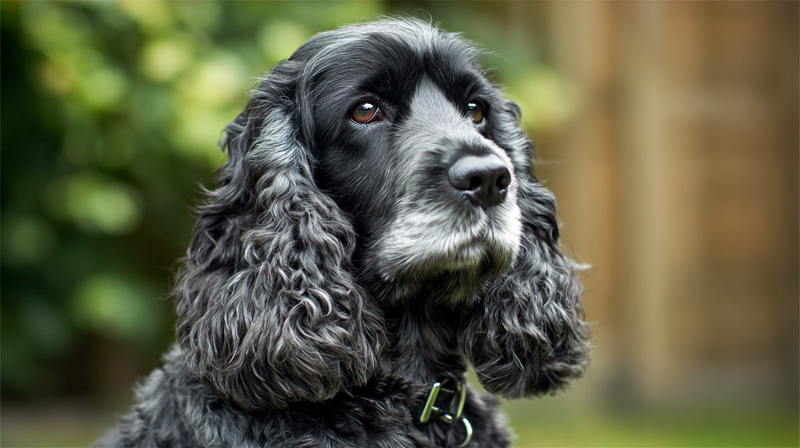
Coat type decides the cut. The Cocker Spaniel carries a silky, flat or slightly wavy topcoat of medium length with an undercoat underneath, plus heavy feathering on the ears, chest, abdomen, and legs. That combination mats fast in friction zones.
The AKC breed standard describes the texture as silky and easy to care for, and penalizes curly or cottony coats heavily. Texture varies between individual dogs anyway, so two Cockers in the same litter can need different blade lengths.
Coat zones and matting risk
| Zone | Matting risk | Usual handling |
|---|---|---|
| Ear leather and behind ears | High | Comb daily, trim inside flap |
| Armpits, groin, skirt | High | Line brush, shorten or clip |
| Leg feathering | Medium | Thinning shears, weekly comb |
| Back and topline | Low | Clip, card, or hand strip |
The five factors that change the answer
- Texture: silky show coats hold a skirt, coarser working coats do better clipped short
- Climate: humid summers push owners toward shorter body work
- Activity: field dogs pick up burrs in long feathering
- Brushing time: a full skirt needs 15 to 20 minutes a day with a slicker brush and greyhound comb
- Age: senior dogs tolerate shorter sessions, which favors simpler clips
American and English types differ here. The American Cocker carries more coat and heavier feathering, while the English Cocker Spaniel sits flatter against the body with less profuse furnishings.
The 6 Most Popular Cocker Spaniel Haircut Styles
- Puppy Cut – uniform 1 to 2 inches all over, ears left slightly longer
- Show Cut – short body, full feathering on ears, chest, legs, and skirt
- Cocker Cut (Skirt Cut) – clipped body, skirt and furnishings kept long
- Sporting Cut (Kennel Cut) – short body, feathering thinned right down
- Teddy Bear Cut – rounded scissored face, plush 1 to 1.5 inch body
- Summer Cut – shortest pet clip, minimal furnishings
The Puppy Cut
The Puppy Cut is a Cocker Spaniel clip that takes the body coat down to a uniform 1 to 2 inches and shortens the feathering to match. It suits silky coats and owners who want low maintenance, and it works year round.
At a glance

- Body length: 1/2 inch to 2 inches (#3 blade or #1 snap-on comb for the shorter version)
- Face and head: close and neat, #10 blade across the skull and cheeks
- Ears: trimmed short on the top third, left slightly longer than the body
- Legs and feet: scissored cylindrical, round feet
- Tail: trimmed short and tidy
- Maintenance: Low. 5 minutes brushing per day
- Regroom every: 6 to 8 weeks
- Best for: first-time owners, hot climates, dogs who swim
Who it suits: Busy households and dogs that mat behind the ears no matter how often you comb. Also the safest first cut if you have never worked with a groomer on this breed.
Watch out for: The puppy cut removes the silhouette the breed is known for, so the dog reads as a generic fluffy spaniel until the feathering grows back.
The Show Cut
The Show Cut is the traditional trim used in the conformation ring. The body coat is taken down close and flat, while the ears, chest, abdomen, legs, and skirt stay full. It suits silky coats and owners who accept high maintenance.
At a glance
- Body length: close and flat, hand stripped or carded (the AKC standard states clippers on the back coat are not desirable)
- Face and head: short and fine, #10 blade, clean throat
- Ears: left long, top third clipped close so the leather lies flat
- Legs and feet: full feathering, feet scissored tight
- Tail: underside thinned, top blended
- Maintenance: High. 20 to 30 minutes of line brushing per day
- Regroom every: 4 to 6 weeks, plus weekly tidying
- Best for: conformation dogs, indoor dogs, owners with a grooming table at home
Who it suits: Dogs shown under the breed standard, and pet owners who actually enjoy the daily coat work. Carding after clipping keeps the color sharp and the coat flat.
Watch out for: Skip two weeks of line brushing and the skirt mats to the skin, which usually ends in a shave down rather than a trim.
The Cocker Cut (Skirt Cut)
The Cocker Cut is the pet version of the show trim. The body is clipped with a #5F or #7F blade while the skirt, chest, ear, and leg feathering stay long. It suits medium coats and owners who want a medium workload.
At a glance
- Body length: #5F (1/4 inch) or #7F (1/8 inch)
- Face and head: #10 blade, classic Cocker expression with a defined stop
- Ears: long, feathered, rounded at the tips with curved shears
- Legs and feet: full feathering, blended into the body with thinning shears
- Tail: short, underside cleaned up
- Maintenance: Medium to high. 10 to 15 minutes brushing per day
- Regroom every: 4 to 6 weeks
- Best for: owners who want the breed look without the show-ring routine
Who it suits: Indoor dogs with silky coats. It keeps the classic outline and cuts the daily brushing roughly in half compared with a full show trim.
Watch out for: The skirt drags through wet grass and mud. Owners of dogs who walk off-leash in fields usually shorten it within a year.
The Sporting Cut (Kennel Cut)
Practical clip built for dogs that work. The Sporting Cut takes the body to a #7F blade and shortens the feathering with thinning shears rather than removing it, keeping a natural finish without the length that collects burrs.
At a glance
- Body length: #7F (1/8 inch), or #5F for a slightly softer look
- Face and head: clean, #10 blade, ears clipped close on the top third
- Ears: shortened to jawline or just past it
- Legs and feet: feathering thinned to 1/2 inch, pads cleared
- Tail: clipped short
- Maintenance: Low. 2 to 3 brush-throughs per week
- Regroom every: 6 to 8 weeks
- Best for: hunting dogs, hiking dogs, dogs with allergies to grass seed
Who it suits: Working type Cockers with coarser, less dense coats. Field dogs pick up fewer foxtails and dry off in a fraction of the time.
Watch out for: Very short body work on a silky coat can come back patchy in texture, so ask for #5F instead of #7F on a fine-coated dog.
The Teddy Bear Cut
The Teddy Bear Cut keeps the body at roughly 1 to 1.5 inches and rounds the face and ears into a soft, circular shape with curved shears. It suits wavy coats and owners who want medium maintenance, and it photographs well at any age.
At a glance
- Body length: 1 to 1.5 inches (#1 or #2 snap-on comb)
- Face and head: scissored round, muzzle left fuller than a puppy cut
- Ears: rounded at the tips, blended into the cheek
- Legs and feet: cylindrical, slightly fuller than the body
- Tail: rounded
- Maintenance: Medium. 7 to 10 minutes brushing per day
- Regroom every: 5 to 6 weeks
- Best for: puppies, small apartments, owners who want a softer face
Who it suits: Dogs with a slight wave in the coat, since the wave holds the round shape better than a poker-straight coat does.
Watch out for: The rounded face grows out of shape faster than the body. Most dogs need a face-and-feet tidy between full appointments.
The Summer Cut
The Summer Cut is the shortest pet trim, taking the body to a #7F blade with feathering reduced to a half inch or less. It suits thick coats and owners who want minimal maintenance during heat, and it works from late spring through early fall.
At a glance
- Body length: #7F (1/8 inch)
- Face and head: #10 blade, ears clipped short throughout
- Ears: shortened well above the jawline
- Legs and feet: feathering cut to 1/2 inch, sanitary trim included
- Tail: clipped
- Maintenance: Low. 2 brush-throughs per week
- Regroom every: 8 weeks
- Best for: heat, senior dogs, dogs recovering from heavy matting
Who it suits: Dogs that swim daily or live somewhere the summer sits above 85F for months.
Watch out for: Groomers warn against shaving a Cocker’s double coat outright. Shaved coat can return coarse or patchy, and body coat takes 3 to 4 months to regrow, with ear and leg feathering needing 6 to 8 months.
How to Choose the Right Cocker Spaniel Haircut
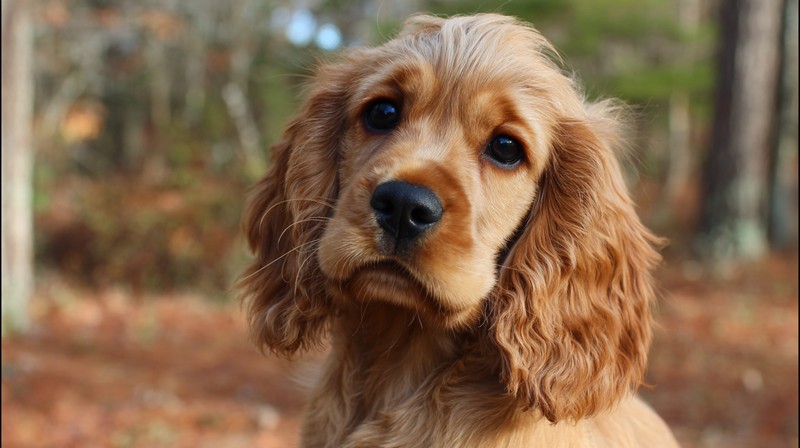
Match the cut to the coat first, the calendar second. A silky coat holds a skirt. A dense, slightly woolly coat mats under one.
- Match the cut to coat texture, not to a photo you saved
- Factor in season and how wet your walks get
- Estimate honest daily brushing time, then halve it
- Consider age, mobility, and how long the dog stands still
- Check the ears first, since that is where the trouble starts
| Style | Maintenance | Best season |
|---|---|---|
| Puppy Cut | Low | Year-round |
| Show Cut | High | Year-round, indoor dogs |
| Cocker Cut | Medium to high | Fall and winter |
| Sporting Cut | Low | Spring through fall |
| Summer Cut | Low | Summer only |
Coat type matters more than breed name here. Curly breeds follow a different rulebook, which is why the standard poodle clip options do not transfer over to a spaniel coat.
English type dogs sit somewhere in between, and the trim options for English Cockers lean flatter and shorter through the body.
How Often Should a Cocker Spaniel Be Groomed?
Every 4 to 6 weeks for skirted styles, every 6 to 8 weeks for short clips. Brushing runs 2 to 4 times weekly at minimum, daily if any feathering stays long.
What shifts the interval
- Faster growth in warm months
- Swimming and mud, which pack the skirt
- Coat blowing during seasonal shedding
- Any history of dematting fees
Ears set the real schedule
Ear care is not optional on this breed. A study of medical records covering 98,736 dogs in Finland, published in Acta Veterinaria Scandinavica, put otitis externa prevalence at 27% in American Cocker Spaniels and 15.7% in English Cockers.
The same research found 46% of affected dogs showed first signs before one year of age.
Clipping the top third of the ear leather and the hair inside the flap improves airflow. Weekly checks with a proper ear cleaning wipe catch problems before they turn into a vet bill.
Between appointments
Line brush with a slicker, then confirm with a greyhound comb. If the comb catches, the slicker missed it.
Cocker Spaniel Haircut Grooming Cost and What to Tell Your Groomer
Expect $55 to $80 per full groom nationally. Medium-breed pricing guides put the range at $70 to $120 in higher-cost markets, and grooming a Cocker every 4 to 6 weeks adds up to roughly $520 to $800 per year.
Where the price climbs
Dematting: $15 to $50 or more, sometimes billed at $10 to $30 per 15 minutes
Location: major metros run 20% to 50% above national averages
Style complexity: show trims and hand stripping cost more than a puppy cut
Add-ons: medicated baths $5 to $20, nail grinding $5 to $15
Grooming is one recurring line in a much larger figure, and the true lifetime cost of owning a dog surprises most first-time owners.
The exact wording to use at the salon
Vague requests produce vague results. Name the clip, the blade, and the ear length.
- “Cocker cut, #5F on the body, skirt left long, ears rounded at the tip”
- “Puppy cut, #1 comb on the body, #10 on the face, feet scissored round”
- “Sporting trim, #7F body, feathering thinned to about half an inch”
- “Card the body after clipping” (removes dead undercoat and keeps color sharp)
Bring a photo anyway. Groomers use the same style names differently depending on where they trained, and “short” means five different things to five different people.
One request worth adding
Ask for the inside of the ear flap and the sanitary area every visit, even on a long-coat style. Two minutes of clipper work there prevents most of the matting that shows up six weeks later.
FAQ on Cocker Spaniel Haircut Styles
Can you shave a Cocker Spaniel?
Groomers advise against it. Shaving a double coat damages the silky topcoat, and regrowth often comes back coarse or patchy. A #5F or #7F clip gives the same relief without wrecking the texture.
What is the difference between a puppy cut and a cocker cut?
The puppy cut takes everything to a uniform 1 to 2 inches, feathering included.
The cocker cut clips the body short but keeps the skirt, ear, and leg feathering long, preserving the breed outline.
What blade should a groomer use on a Cocker Spaniel body?
Common choices are #5F (1/4 inch) and #7F (1/8 inch) for short body work. A #3 blade or #1 snap-on comb leaves roughly half an inch for a softer pet trim.
How long does a Cocker Spaniel coat take to grow back?
Body coat returns in 3 to 4 months. Ear and leg feathering moves slower, needing 6 to 8 months to reach full length. Shaved coats sometimes return with altered texture.
How often should a Cocker Spaniel be groomed?
Skirted styles need a full groom every 4 to 6 weeks. Short clips stretch to 6 to 8 weeks. Brushing runs two to four times weekly, daily where feathering stays long.
Which Cocker Spaniel haircut is easiest to maintain?
The summer cut, followed by the sporting cut. Both shorten feathering to about half an inch, which cuts brushing to two sessions a week and stops mats forming behind the ears.
Should Cocker Spaniel ears be trimmed short?
Clip the top third of the ear leather and the hair inside the flap on every style. Airflow matters here. This breed sits near the top of the ear infection charts.
Can I cut my Cocker Spaniel’s hair at home?
Yes, with an A5 clipper, a slicker brush, a greyhound comb, and thinning shears. Start with feet, face, and sanitary trims between professional visits before attempting a full body clip.
Do American and English Cocker Spaniels get the same haircut?
Same style names, different proportions. The American type carries heavier feathering and a rounder head. The English type sits flatter, so groomers leave less bulk through the body and skirt.
How much does a Cocker Spaniel haircut cost?
Roughly $55 to $80 per session nationally, climbing to $70 to $120 in major metros. Dematting adds $15 to $50 or more. Annual grooming lands near $520 to $800.
Conclusion
Cocker Spaniel haircut styles come down to one decision: how much feathering you keep, and how much daily brushing that buys you.
Silky coats carry a skirt well. Coarser working coats do better clipped tight with thinning shears through the furnishings.
The maintenance schedule matters more than the style name. A slicker brush, a greyhound comb, and ten minutes most evenings prevents the matting that ends in a shave down.
Keep the sanitary trim and ear flaps clipped at every appointment, whatever length sits on the body.
Book every four to six weeks, ask your groomer to card the coat after clipping, and bring a reference photo.
Revisit the choice each summer. The trim that works in January rarely suits August.