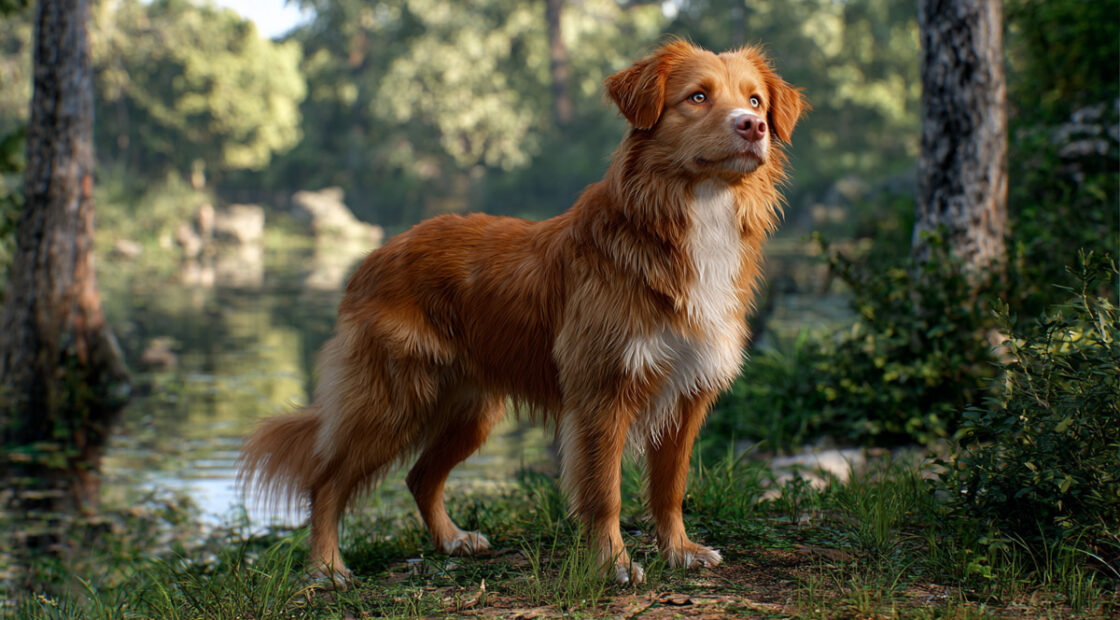
Picture a red retriever dancing at the water’s edge, tail flagging like a beacon to lure curious ducks within range. The Nova Scotia Duck Tolling Retriever combines the athleticism of a Golden Retriever with the compact size perfect for active families.
This Canadian sporting dog earned its reputation through a unique hunting technique called tolling. Unlike other retrievers who simply fetch, Tollers actively entice waterfowl through playful movements and flash patterns.
Intelligent working dogs like Tollers need owners who understand their high energy and mental stimulation requirements. They’re not content being weekend warriors.
This guide covers everything from their distinctive double coated appearance to training challenges that come with their independent thinking. You’ll learn about health testing requirements, exercise needs, and whether this medium sized dog matches your lifestyle.
Whether you’re researching reputable breeder selection or wondering about daily exercise minimums, you’ll find practical advice for living successfully with these remarkable water retriever companions.
Nova Scotia Duck Tolling Retriever Statistics
| Characteristic | Details |
|---|---|
| Size Category | Medium sized dog |
| Weight | 35-50 pounds |
| Height | Males: 18-21 inches, Females: 17-20 inches |
| Life Expectancy | 12-14 years |
| Energy Level | Very High |
| Exercise Requirements | 2+ hours daily |
| Grooming Needs | Moderate to High |
| Shedding | Seasonal (heavy twice yearly) |
| Trainability | High (independent thinkers) |
| Good with Kids | Yes (with proper socialization) |
| Good with Pets | Yes (early socialization required) |
| Apartment Living | Possible with adequate exercise |
| Climate Tolerance | Cold: Excellent, Heat: Moderate |
| Barking Level | Moderate to High |
| Coat Type | Double coat with feathering |
| Coat Colors | Red to copper with white markings |
| Origin | Nova Scotia, Canada |
| Breed Group | Sporting/Gun Dog |
| Common Health Issues | Hip dysplasia, Progressive retinal atrophy, Autoimmune conditions |
| Puppy Price Range | $1,500-$3,000 |
| Annual Care Cost | $2,000-$3,000 |
Physical Characteristics and Appearance
The Nova Scotia Duck Tolling Retriever strikes an impressive balance between athleticism and elegance. This medium sized dog typically weighs between 35-50 pounds, with males slightly larger than females.
Size and Weight Standards
Males stand 18-21 inches at the shoulder. Females measure 17-20 inches tall.
The breed standard calls for a compact, well-proportioned build. Their size makes them perfect for active families who want a substantial dog without the bulk of larger retriever breeds.
Coat Colors and Patterns
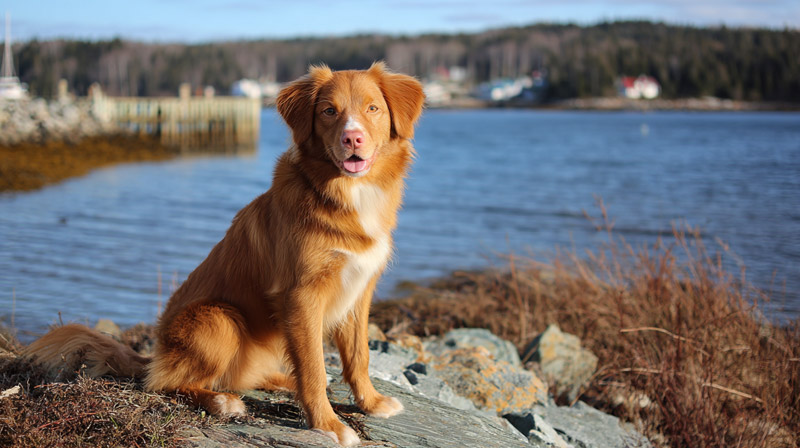
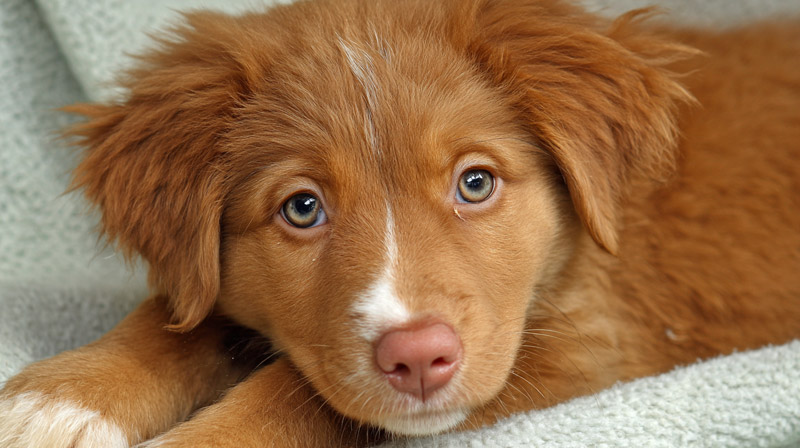
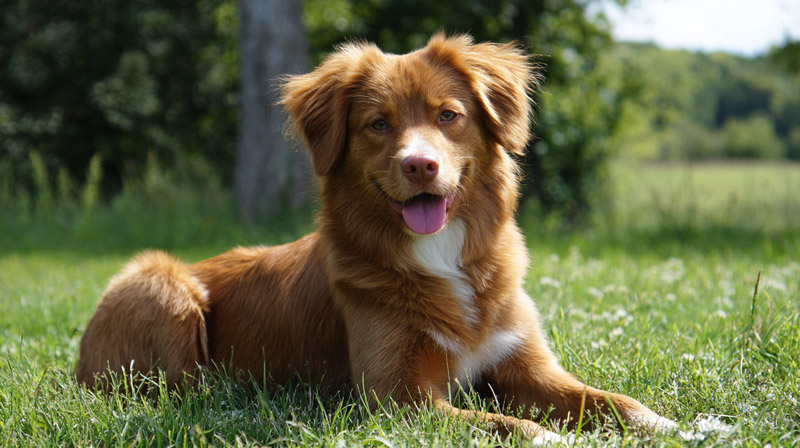
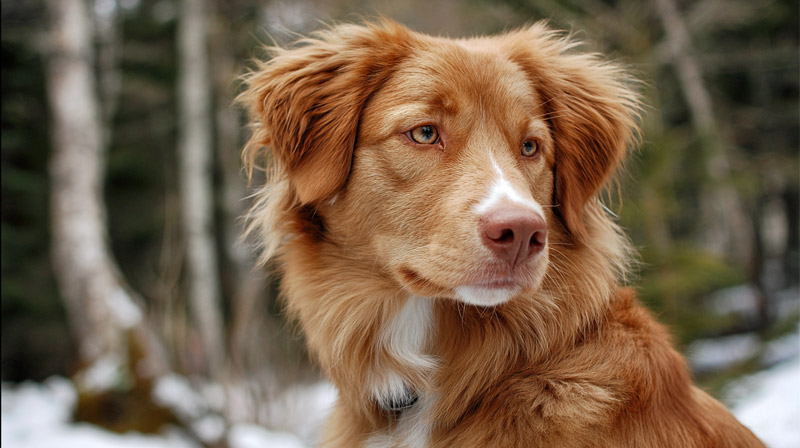
The Toller’s most distinctive feature is their stunning red retriever coat. Colors range from golden red to deep copper tones.
White markings commonly appear on the chest, feet, tip of tail, and face. These markings add character but shouldn’t dominate the coat.

Double coated dog protection keeps them warm in harsh weather. The outer coat repels water while the dense undercoat provides insulation.
Distinctive Features and Markings
Webbed feet make Tollers exceptional swimmers. This adaptation helps them excel in water work and retrieval activities.
Their alert, triangular ears sit high on their head. Eyes are almond-shaped and range from amber to brown, expressing intelligence and eagerness.
The tail serves as their signature feature during tolling. Heavily feathered and carried in a curve, it waves like a flag to attract waterfowl.
Body Structure and Build
Tollers possess a slightly longer than tall body structure. This proportion gives them the stride and endurance needed for hunting work.
Strong, muscular hindquarters provide the power for jumping and swimming. The chest is deep enough for good lung capacity but not so broad as to impede movement.
Feathering appears on the backs of the legs, underside of the tail, and ears. This longer hair adds to their elegant appearance while serving practical purposes in the field.
Seasonal Coat Changes
Seasonal shedding patterns mean twice-yearly coat blowouts. Spring and fall bring heavy shedding as they transition between winter and summer coats.
The undercoat thickens dramatically in winter. Summer coats are noticeably lighter and easier to maintain.
Regular brushing becomes critical during shedding seasons. Daily brushing prevents matting and reduces household hair accumulation.
Temperament and Personality Traits
Duck Tolling Retrievers pack incredible intelligence level into their compact frames. They’re problem-solvers who need mental challenges to stay happy.
Intelligence and Problem-Solving Skills
High energy dogs like Tollers excel at learning complex tasks. They often figure out puzzles and games faster than their owners expect.
Their intelligence can become problematic without proper outlets. Bored Tollers develop destructive behaviors or excessive barking.
These dogs think independently, a trait bred into them for hunting. They make decisions in the field and expect to use their brains at home too.
Energy Levels and Activity Needs
Exercise requirements for Tollers are substantial. They need at least two hours of activity daily, preferably more.
Mental stimulation matters as much as physical exercise. A tired Toller is a good Toller, but they need both body and brain workouts.
Swimming ranks among their favorite activities. Many Tollers will leap into any available water source given the chance.
Social Nature with Family Members
Tollers bond intensely with their families. They’re happiest when included in daily activities and routines.
Good with children describes most well-socialized Tollers. They match kids’ energy levels and enjoy interactive play.
Their loyalty runs deep, but they’re not typically clingy. They want to be near family members without constantly demanding attention.
Interaction with Strangers and Other Dogs
Early socialization needs cannot be overstated with this breed. Proper exposure prevents shyness or reactivity with strangers.
Most Tollers are initially reserved with new people. They warm up gradually rather than greeting everyone as an instant friend.
Other pets compatibility depends largely on early socialization. Well-introduced Tollers usually coexist peacefully with cats and other dogs.
Natural Hunting and Retrieving Instincts
Prey drive remains strong in most Tollers. They’ll chase squirrels, birds, and anything else that moves quickly.
Fetch and retrieve games tap into their core purpose. Most Tollers will play fetch until their owners give up first.
The tolling instinct may emerge during play. Some Tollers naturally display the playful, enticing behavior used to lure waterfowl.
Training Your Toller
Training a Toller requires understanding their intelligence and independence. They learn quickly but need engagement and variety to stay motivated.
Early Socialization Requirements
Puppy feeding schedule should include social meals with different people. This builds positive associations with strangers from an early age.
Exposure to various environments prevents fearfulness. Take your Toller puppy to pet stores, parks, and busy areas during their critical socialization period.
Temperament personality traits develop rapidly in young Tollers. Early experiences shape whether they become confident or anxious adults.
Different dog breeds require different approaches, but Tollers especially need diverse social experiences. Their natural wariness can become problematic without proper early exposure.
Basic Obedience Training Approaches
Recall training tops the priority list for Tollers. Their hunting instincts can override commands if recall isn’t rock-solid.
Positive reinforcement works best with these sensitive, intelligent dogs. Harsh corrections often backfire, creating fearful or shut-down responses.
Start with short training sessions. Tollers have excellent attention spans but learn better with frequent, brief lessons than marathon training sessions.
Obedience training methods should emphasize fun and engagement. Boring, repetitive drilling will cause a Toller to mentally check out.
Advanced Training for Working Roles
Water work training comes naturally to most Tollers. They often need little encouragement to retrieve from water.
Agility training benefits include both physical conditioning and mental challenges. Many Tollers excel in agility competitions.
Field training develops their natural hunting abilities. Even pet Tollers benefit from learning proper retrieving techniques and steadiness.
Hunt test training provides structure for their working instincts. Participating in hunt tests gives Tollers appropriate outlets for their drives.
Common Training Challenges and Solutions
Recall training importance cannot be emphasized enough. Tollers who bolt after wildlife create dangerous situations for themselves and others.
Excessive barking challenges many Toller owners. These vocal dogs need training to understand when barking is appropriate versus problematic.
Training requirements include consistency from all family members. Mixed messages confuse intelligent dogs and slow progress.
Counter-surfing and stealing food are common issues. Food-motivated Tollers need clear boundaries around kitchen and dining areas.
Mental Stimulation Activities
Mental stimulation activities prevent behavioral problems better than physical exercise alone. Puzzle toys, training sessions, and problem-solving games keep Toller minds engaged.
Rotating toys maintains novelty and interest. What excites a Toller today may bore them next week.
Hide-and-seek games using treats or toys satisfy their hunting instincts. These games can be played indoors during bad weather.
Fetch games can incorporate training elements. Practice stays, drops, and directional cues during retrieving sessions.
Scent work taps into their natural abilities. Even simple games like finding hidden treats provide mental challenges that tire them effectively.
Exercise and Activity Requirements
Tollers demand significant physical activity to maintain their mental and physical health. Daily exercise minimums start at two hours but many need more.
Daily Exercise Minimums
High energy levels mean these dogs never truly tire out completely. They recover quickly from exercise and are ready for more within an hour.
Active families match well with Toller energy needs. Couch potatoes should consider other breeds.
Morning runs followed by evening play sessions work well for most Tollers. Split exercise prevents overexertion while meeting their needs.
Best Activities for Physical Fitness
Swimming ability makes water-based exercise ideal for joint health. Swimming provides full-body workouts without stress on developing joints in puppies.
Fetch remains the gold standard for Toller exercise. Most will retrieve until their owners quit first.
Hiking and outdoor adventures satisfy their need to explore and use their noses. Trail hiking engages both body and mind effectively.
Bike rides work for well-trained adult Tollers. Start slowly and build endurance gradually.
Swimming and Water Work
Water work comes naturally to most Tollers. They often need no encouragement to dive into lakes, rivers, or pools.
Cold water doesn’t deter them like it does other breeds. Their double coat provides excellent insulation for extended water activities.
Dock diving competitions showcase their natural jumping and swimming abilities. Many Tollers excel in this sport without extensive training.
Retriever breed instincts make them natural water workers. They’ll retrieve sticks, bumpers, and toys from water sources repeatedly.
Hiking and Outdoor Adventures
Trail hiking provides perfect exercise for Tollers. Variable terrain challenges their athleticism while new scents engage their minds.
Outdoor adventures should include off-leash time where safe and legal. Tollers need freedom to explore and investigate their environment.
Mountain biking with your Toller requires extensive conditioning. Build distance and speed gradually over months.
Camping trips give Tollers extended outdoor time they crave. They typically sleep better after full days of outdoor activity.
Indoor Exercise Options
Mental stimulation activities become crucial during bad weather. Puzzle feeders, training sessions, and hide-and-seek games work well indoors.
Stair climbing provides good cardio when outdoor exercise isn’t possible. Monitor for overexertion on hot days.
Fetch games adapt well to indoor spaces using softer toys. Hallways and basements work for short retrieves.
Treadmill training helps during extreme weather periods. Introduce gradually and always supervise treadmill sessions.
Health Considerations and Common Issues
Tollers face several genetic health concerns that responsible owners should understand. Health testing helps identify potential problems early.
Genetic Health Screening Tests
DNA testing identifies carriers of genetic conditions. Responsible breeders test all breeding dogs for known genetic issues.
OFA certification evaluates hip and elbow joint health. X-rays taken after age two provide official joint ratings.
CERF testing by veterinary ophthalmologists checks for eye problems. Annual eye exams help catch developing issues early.
Progressive retinal atrophy testing identifies carriers of this blinding condition. DNA tests now make this screening simple and accurate.
Hip and Elbow Dysplasia
Hip dysplasia affects joint development and can cause arthritis. Mild cases often respond well to weight management and appropriate exercise.
Elbow dysplasia occurs less frequently but can be equally problematic. Multiple forms exist, each with different treatment approaches.
Joint supplements may help dogs with mild dysplasia. Consult your veterinarian before starting any supplement regimen.
Weight management becomes critical for dysplastic dogs. Extra pounds increase stress on already compromised joints.
Progressive Retinal Atrophy
Progressive retinal atrophy causes gradual vision loss leading to blindness. Currently no treatment exists for this inherited condition.
Early signs include difficulty seeing in dim light. Many dogs adapt well to vision loss with consistent environments.
DNA testing identifies carriers and affected dogs. Responsible breeders never breed two carriers together.
Night vision typically deteriorates first. Dogs may seem fine during daylight hours while struggling after dark.
Autoimmune Conditions
Autoimmune conditions appear more frequently in Tollers than many breeds. These conditions can affect various body systems.
Immune-mediated thrombocytopenia destroys blood platelets. Symptoms include excessive bruising, nosebleeds, or lethargy.
Addison’s disease affects adrenal gland function. Symptoms often appear gradually and can be mistaken for other conditions.
Veterinary ophthalmologist evaluation helps distinguish autoimmune eye conditions from other problems. Early detection improves treatment outcomes.
Lifespan and Aging Considerations
Life expectancy averages 12-14 years for healthy Tollers. Good breeding, nutrition, and healthcare extend lifespan significantly.
Senior dogs need modified exercise routines. Shorter, more frequent walks often work better than long hikes.
Weight management becomes increasingly important with age. Excess weight accelerates joint problems and other age-related issues.
Regular senior wellness checks help catch age-related problems early. Many conditions respond better to early intervention.
Grooming and Coat Care
Toller coats require regular attention to stay healthy and attractive. Brushing routine prevents matting and reduces shedding around the house.
Regular Brushing Schedules
Daily brushing works best during shedding seasons. Spring and fall coat changes require intensive grooming attention.
Pin brushes work well for general coat maintenance. Slicker brushes help remove loose undercoat during shedding periods.
Grooming maintenance routine should include checking ears, nails, and teeth. Regular inspection catches problems before they become serious.
Weekly brushing suffices during non-shedding periods. More frequent brushing never hurts and strengthens your bond.
Seasonal Shedding Management
Seasonal shedding happens twice yearly as Tollers change coats. Expect heavy hair loss for several weeks during these transitions.
Undercoat rakes remove loose hair efficiently. Daily use during shedding season prevents matted undercoat.
Professional grooming helps during heavy shedding periods. Groomers have tools and techniques that remove more loose hair than home brushing.
Vacuum frequently during shedding season. High-quality pet hair vacuums make cleanup much easier.
Bathing Frequency and Techniques
Monthly baths work well for most Tollers. More frequent bathing strips natural oils and can cause skin problems.
Bathing frequency increases during hunting season or after swimming in dirty water. Rinse thoroughly after each water activity.
Use lukewarm water and dog-specific shampoos. Human shampoos can irritate sensitive skin.
Blow-drying after baths prevents matting and speeds the drying process. Many Tollers enjoy the warm air treatment.
Nail, Ear, and Dental Care
Nail trimming every 2-3 weeks prevents overgrowth. Active dogs may wear nails down naturally and need less frequent trims.
Ear cleaning weekly prevents infections, especially in dogs that swim frequently. Use veterinarian-approved cleaning solutions only.
Dental care includes daily teeth brushing when possible. Dental chews and toys help maintain oral health between brushings.
Check ears weekly for redness, odor, or discharge. Early detection prevents minor issues from becoming serious infections.
Professional Grooming Options
Professional grooming every 6-8 weeks maintains coat health. Groomers can trim feathering and tidy up the overall appearance.
Dog grooming services vary widely in quality and approach. Find groomers experienced with double-coated sporting breeds.
Full grooming includes nail trims, ear cleaning, and anal gland expression. These services save time and ensure thorough care.
Show grooming requires specialized techniques. Pet grooming focuses more on health and cleanliness than perfect appearance.
Nutrition and Feeding Guidelines
Tollers need high-quality nutrition to fuel their active lifestyles. Nutrition needs change dramatically from puppyhood through senior years.
Puppy Feeding Requirements
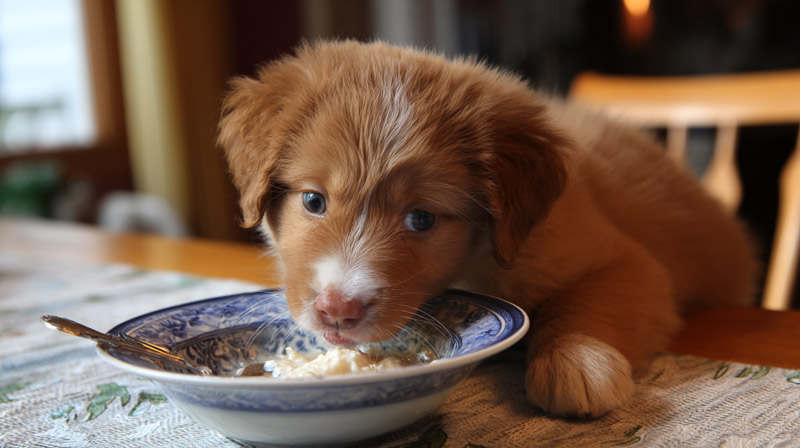
Puppy feeding schedule should include three to four meals daily until six months old. Frequent meals prevent hypoglycemia and support steady growth.
Large breed puppy formulas work well for Tollers despite their medium size. These formulas control calcium levels to support proper joint development.
Free feeding rarely works with food-motivated Tollers. Scheduled meals help with house training and prevent overeating.
Weight management starts in puppyhood. Chubby puppies often become overweight adults with joint problems.
Adult Dog Nutrition Needs
Adult dog nutrition focuses on maintaining ideal body condition and supporting activity levels. High-quality protein sources should top the ingredient list.
Active Tollers may need 25-30% protein in their diet. Working dogs during hunting season require even higher protein levels.
Food quality matters more than expensive marketing claims. Look for named meat sources rather than generic “meat meal” or “poultry meal.”
Two meals daily works well for most adult Tollers. This schedule prevents bloat while maintaining steady energy levels.
Senior Dog Dietary Adjustments
Senior dog dietary adjustments often include lower calories and higher fiber content. Older dogs move less and gain weight easier.
Joint support supplements become more important with age. Glucosamine and chondroitin may help maintain cartilage health.
Senior formulas typically contain easier-to-digest ingredients. Some older dogs benefit from switching to senior foods around age seven.
Monitor body condition closely in senior dogs. Weight gain can accelerate arthritis and other age-related problems.
Food Quality and Ingredient Selection
Ingredient selection should emphasize whole foods over processed ingredients. Avoid foods with excessive fillers like corn and wheat.
Named meat sources indicate higher quality than generic terms. “Chicken” beats “poultry meal” on ingredient lists.
Grain-free diets aren’t necessary unless your dog has specific allergies. Some grain-free foods have been linked to heart problems in dogs.
Nutrition requirements include adequate omega-3 fatty acids for coat health. Fish-based foods or supplements provide these essential nutrients.
Portion Control and Weight Management
Portion control prevents the obesity common in food-motivated breeds. Measure food rather than eyeballing portions.
Body condition scoring helps determine ideal weight better than scales alone. You should feel ribs easily under a thin fat layer.
Treat calories count toward daily totals. Reduce meal portions when giving training treats throughout the day.
Weight management becomes harder as dogs age and exercise less. Adjust portions based on activity level and body condition.
Living Arrangements and Housing
Tollers adapt to various living situations but thrive with active families. Space requirements matter less than exercise commitment and mental stimulation.
Space Requirements for Happy Tollers
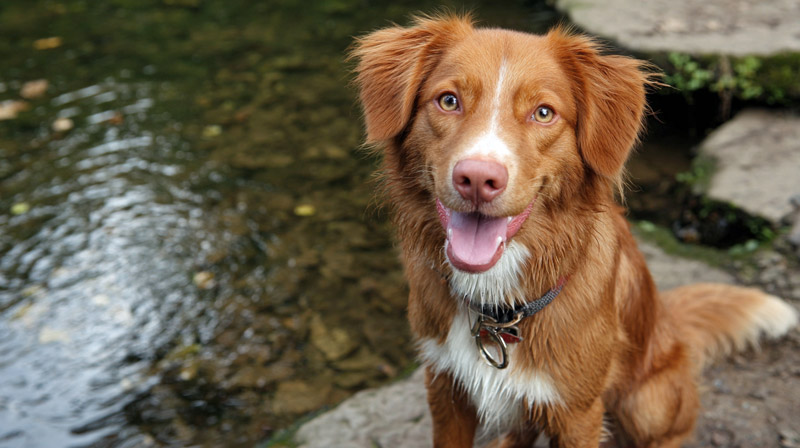
Apartment living works if owners provide adequate daily exercise. Tired Tollers rest quietly regardless of home size.
Yard space requirements include secure fencing for off-leash play. Tollers need freedom to run and explore safely.
Access to water enhances any Toller’s quality of life. Pools, ponds, or lakes provide natural exercise outlets.
Indoor space becomes more important during extreme weather. Tollers need room for indoor games and activities.
Apartment vs House Living
Apartment vs house living depends more on owner lifestyle than square footage. Active apartment dwellers can successfully raise Tollers.
Noise considerations matter in apartments. Tollers can be vocal, especially when bored or under-exercised.
Stairs don’t bother healthy adult Tollers. Avoid excessive stair climbing with puppies under 18 months old.
Building pet policies may restrict Toller ownership. Check lease agreements and pet deposits before committing.
Yard Setup and Fencing Needs
Six-foot fencing prevents most escape attempts. Athletic Tollers can clear lower fences when motivated.
Fencing needs should account for digging tendencies. Bury fence bottoms or install dig guards along fence lines.
Swimming pools require secure barriers around the perimeter. Not all Tollers automatically know how to exit pools safely.
Garden areas need protection from enthusiastic diggers. Tollers may excavate flower beds and vegetable gardens.
Climate Considerations
Climate adaptation comes naturally thanks to their Canadian origins. Cold weather rarely bothers well-conditioned Tollers.
Hot climates require exercise timing adjustments. Early morning and evening activities prevent overheating.
Air conditioning becomes important in extreme heat. Tollers with thick coats struggle in temperatures above 80°F.
Travel considerations include climate differences at destinations. Gradual acclimatization helps prevent heat-related problems.
Travel and Transportation Tips
Travel and transportation planning should include frequent stops for exercise and water. Tollers don’t tolerate long confinement well.
Crate training simplifies car travel and hotel stays. Many Tollers enjoy car rides once properly introduced.
Flying requires advance planning and appropriate travel crates. Some airlines restrict travel during extreme temperatures.
International travel involves health certificates and quarantine requirements. Research destination requirements well in advance.
Finding and Choosing Your Toller
Selecting the right Toller requires research and patience. Reputable breeder selection protects you from genetic problems and behavioral issues.
Reputable Breeder Selection
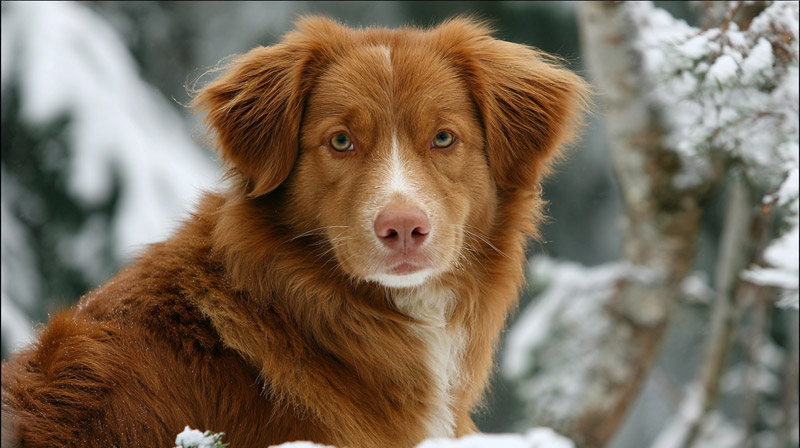
Breeder selection should focus on health testing and breeding practices. Avoid puppy mills and backyard breeders at all costs.
Good breeders welcome questions and provide detailed health information. They’ll ask you questions about your lifestyle and experience too.
Breeding practices should include genetic testing for known Toller health issues. Responsible breeders test for progressive retinal atrophy, hip dysplasia, and other conditions.
Meet parent dogs when possible. Temperament traits often pass from parents to puppies.
Health Testing and Documentation
Health testing documentation should include OFA hip and elbow ratings. Eye clearances from veterinary ophthalmologists are equally important.
Health clearance certificates prove parents are free from genetic diseases. Don’t accept verbal assurances about health testing.
DNA testing results should cover all available Toller genetic conditions. Technology continues adding new testable conditions.
Lifetime health guarantees indicate breeder confidence in their dogs. Read contract terms carefully before signing.
Puppy Evaluation and Selection
Puppy evaluation involves observing temperament and energy levels. Choose puppies that match your lifestyle and experience level.
Well-socialized puppies approach strangers confidently. Shy or fearful puppies may require extensive rehabilitation work.
Energy levels vary within litters. Some puppies show higher drive than others from early ages.
Cost considerations extend beyond purchase price. Factor in health testing, training, and lifetime care expenses.
Rescue and Adoption Options
Rescue and adoption provides homes for Tollers needing second chances. Adult dogs may come house-trained and past destructive puppy phases.
Toller rescues specialize in the breed and understand their needs. General rescue organizations may have less breed-specific knowledge.
Rescue dogs may have unknown health histories. Budget for potential veterinary expenses and behavioral training.
Foster-to-adopt programs let you evaluate compatibility before committing permanently. This approach reduces stress for both dog and family.
Cost Considerations and Budgeting
Purchase prices from reputable breeders typically range $1,500-3,000. Health testing and breeding quality justify higher prices.
Cost considerations include ongoing expenses like food, veterinary care, and grooming. Budget $2,000-3,000 annually for a healthy Toller.
Emergency veterinary funds should cover $5,000-10,000 in unexpected expenses. Pet insurance may help offset major medical costs.
Training costs vary widely based on methods and goals. Group classes cost less than private training but may take longer.
FAQ on Nova Scotia Duck Tolling Retriever
Are Nova Scotia Duck Tolling Retrievers good family dogs?
Yes, well-socialized Tollers make excellent family companions. They bond strongly with family members and match children’s energy levels perfectly.
Their high energy requires active families who enjoy outdoor activities. Sedentary households should consider calmer breeds.
How much exercise does a Toller need daily?
Daily exercise minimums start at two hours but many need more. Swimming, fetch, and hiking provide ideal physical outlets.
Mental stimulation matters equally. Bored Tollers develop destructive behaviors without adequate brain work.
Do Tollers shed a lot?
Seasonal shedding happens twice yearly during coat changes. Expect heavy hair loss for several weeks during spring and fall transitions.
Daily brushing during shedding season prevents matting. Regular grooming reduces household hair accumulation significantly.
What health problems do Tollers face?
Progressive retinal atrophy and hip dysplasia are primary concerns. DNA testing identifies carriers of genetic conditions.
Health testing by reputable breeders screens for major issues. Annual eye exams catch developing problems early.
Are Tollers hard to train?
Their intelligence level makes them quick learners but also independent thinkers. Positive reinforcement works better than harsh corrections.
Early socialization prevents shyness issues. Consistent training from all family members speeds progress significantly.
How big do Tollers get?
This medium sized dog weighs 35-50 pounds typically. Males reach 18-21 inches tall, females 17-20 inches.
Their compact size suits active families wanting substantial dogs without Great Dane bulk. Perfect apartment size with adequate exercise.
Do Tollers like water?
Swimming ability comes naturally to most Tollers. Their webbed feet and water-repellent coat make them excellent swimmers.
Many will leap into any available water source. Water work satisfies their retrieving instincts perfectly.
What does “tolling” mean?
Tolling technique involves playful movements that attract waterfowl within gun range. The duck tolling behavior mimics fox hunting tactics.
Their feathered tail waves like a flag during play. This natural behavior lures curious ducks closer to hunters.
How much do Toller puppies cost?
Reputable breeder selection typically costs $1,500-3,000 from health-tested parents. Health clearance certificates justify higher prices.
Cost considerations include ongoing expenses like veterinary care. Budget $2,000-3,000 annually for healthy adult maintenance.
Are Tollers good with other pets?
Other pets compatibility depends on early socialization and introduction methods. Most coexist peacefully with cats and dogs.
Their prey drive may trigger chasing of small animals. Proper training and supervision prevent problematic behaviors.
Conclusion
The Nova Scotia Duck Tolling Retriever combines athletic ability with unwavering family loyalty. This sporting dog breed thrives with owners who appreciate their unique tolling technique and embrace active lifestyles.
Trainability makes them excellent companions for experienced dog owners. Their problem-solving abilities require consistent mental challenges to prevent behavioral issues.
Health testing from reputable breeders protects against genetic conditions like Collie Eye Anomaly. Annual veterinary care and proper nutrition support their typical 12-14 year lifespan.
Brushing frequency increases during seasonal coat changes. Their water-repellent coat requires regular maintenance but rewards owners with stunning appearance.
Success with Tollers depends on matching their activity level to your lifestyle. They’re not weekend warriors but daily adventure partners who need jobs to stay mentally satisfied.
These remarkable gun dogs reward committed owners with unmatched devotion and endless entertainment through their playful, intelligent nature.